 MomSkoop
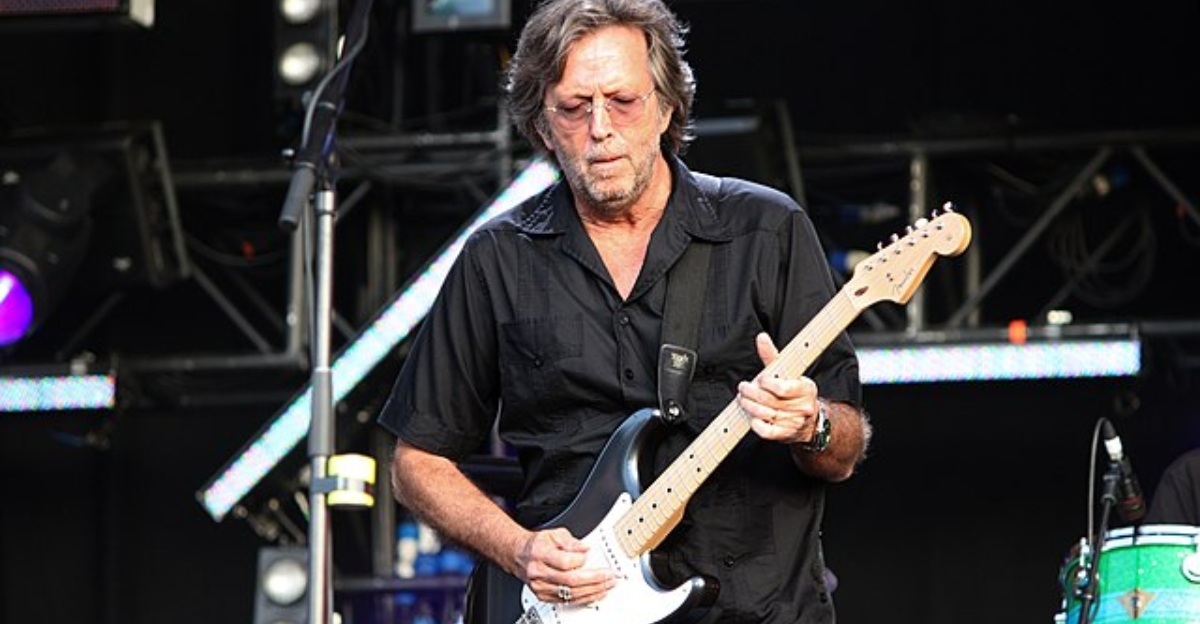
Music history changed forever when certain guitarists picked up their instruments and played notes nobody had heard before.
From early blues pioneers to modern rock innovators, these musicians didn’t just play guitar—they reinvented what the instrument could do.
Their groundbreaking techniques, unique sounds, and fearless creativity shaped every genre of music we listen to today, inspiring millions of players worldwide.
1. Chuck Berry
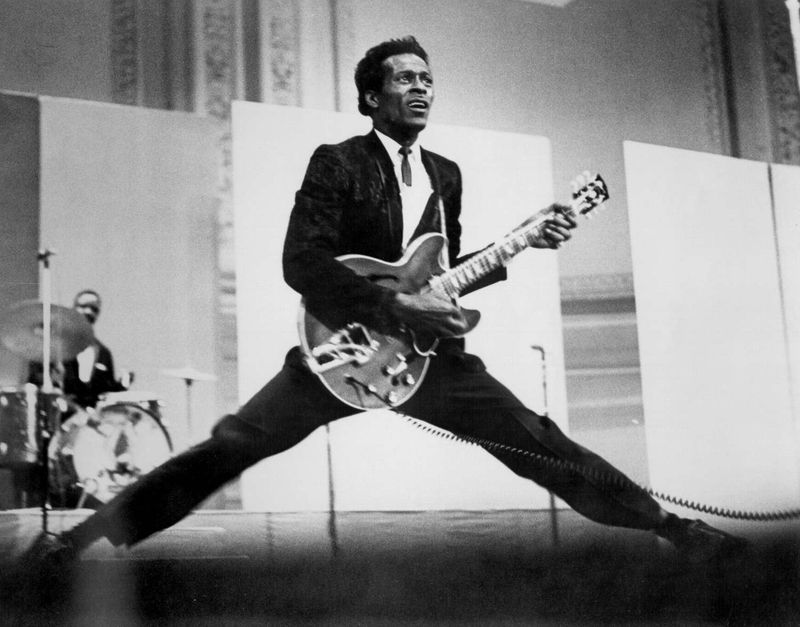
Rock and roll wouldn’t exist without Chuck Berry’s revolutionary guitar playing and showmanship.
His distinctive style combined country music twang with rhythm and blues energy, creating something completely new in the 1950s.
Songs like “Johnny B.
Goode” featured guitar riffs that became the blueprint for rock music.
Berry’s double-string bends and quick note patterns influenced everyone from The Beatles to The Rolling Stones.
His famous duck walk across the stage while playing became one of music’s most iconic moves.
Beyond technique, he wrote lyrics that spoke directly to teenagers about cars, school, and young love.
Every rock guitarist who came after him borrowed from his playbook, making him truly the father of rock guitar.
2. Sister Rosetta Tharpe
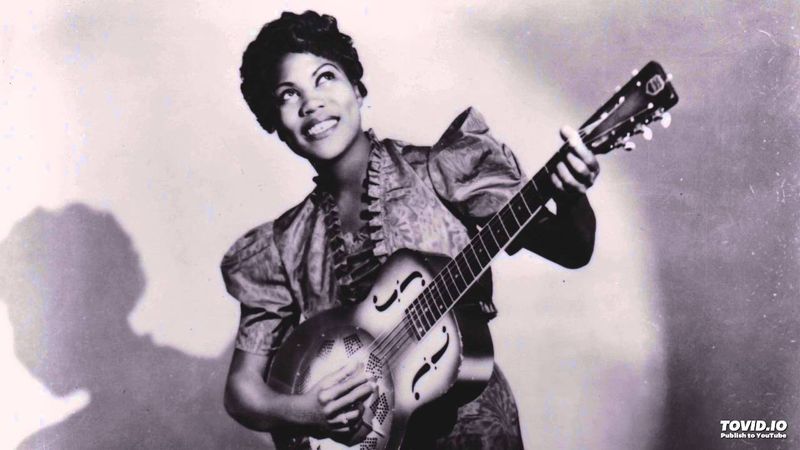
Before anyone called it rock and roll, Sister Rosetta Tharpe was already playing it in churches during the 1930s and 1940s.
She mixed gospel music with heavy guitar distortion and rhythmic energy that shocked audiences.
Her Gibson SG became a weapon of spiritual expression, delivering both gentle hymns and explosive solos.
Tharpe’s aggressive picking style and use of distortion predated rock music by decades.
She influenced Little Richard, Elvis Presley, and Johnny Cash, though history often overlooked her contributions.
Her 1945 recording of “Strange Things Happening Every Day” is considered by many musicologists as the first rock and roll record.
She proved women could shred guitar just as powerfully as any man.
3. Les Paul
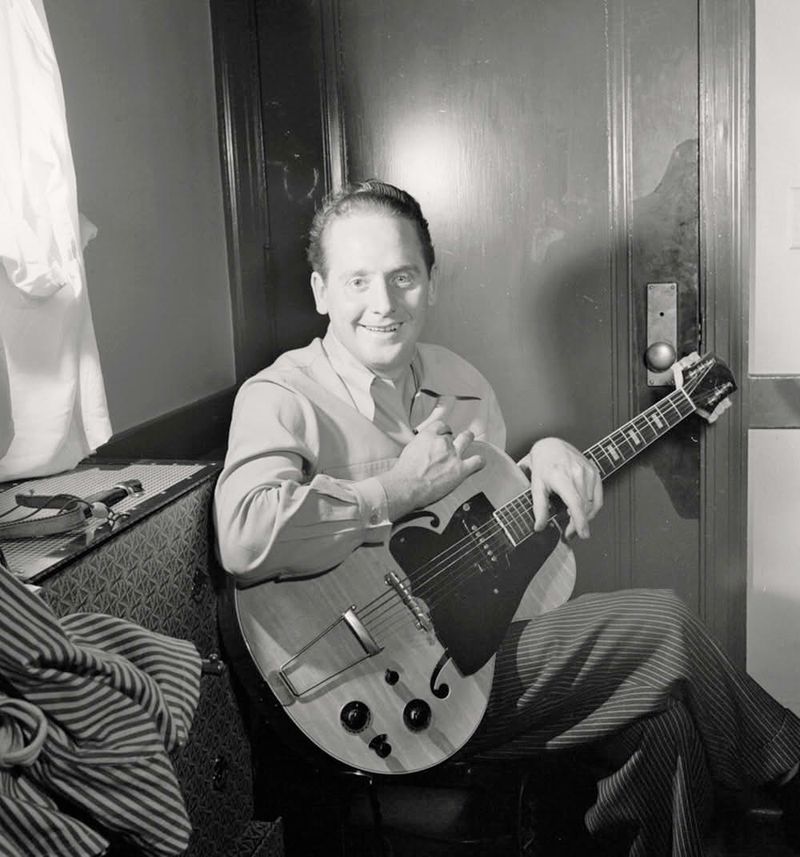
Few people changed both guitar design and recording technology like Les Paul did throughout his remarkable career.
He didn’t just play guitar—he literally invented the solid-body electric guitar that bears his name.
His experiments with multitrack recording in the 1940s revolutionized how music could be produced and layered.
Paul’s lightning-fast technique and jazz-influenced playing style showcased what electric guitars could accomplish.
He recorded hits with his wife Mary Ford using overdubbing techniques nobody had heard before.
The Gibson Les Paul guitar became the most copied design in music history.
His technical innovations gave future guitarists the tools they needed to create new sounds and recording methods.
4. Django Reinhardt
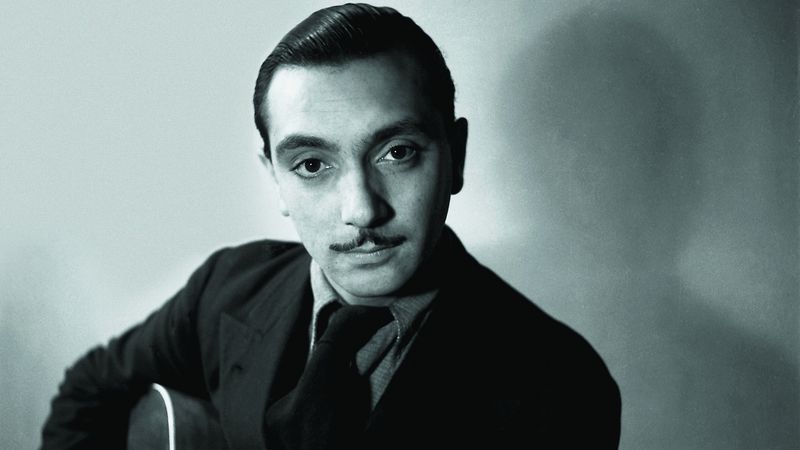
Imagine losing the use of two fingers in a fire, then becoming one of history’s greatest guitarists anyway.
Django Reinhardt overcame this disability to create an entirely new style of jazz guitar in 1930s Europe.
His Gypsy jazz sound featured rapid-fire runs, emotional melodies, and rhythmic complexity that left audiences speechless.
Reinhardt used only his index and middle fingers for soloing, developing techniques nobody thought possible.
His group, the Quintette du Hot Club de France, proved guitars could lead a jazz band without drums or piano.
Songs like “Minor Swing” remain standards that guitarists still study today.
He showed that limitations could become strengths through creativity and determination.
5. B.B. King
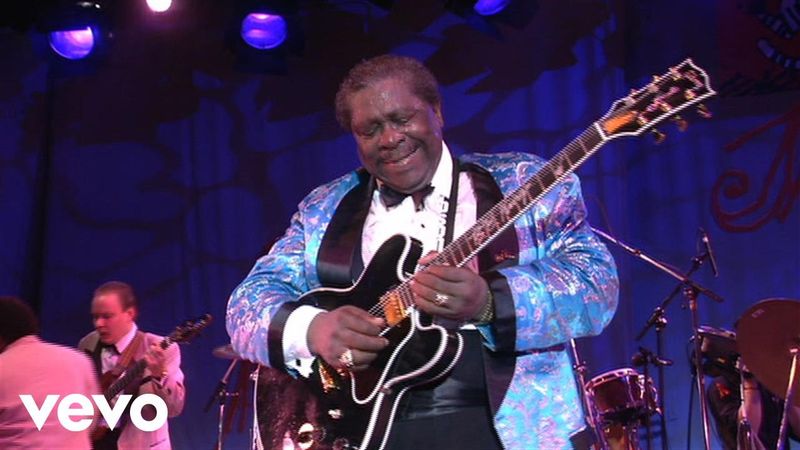
When B.B. King played his beloved guitar Lucille, every note seemed to cry, laugh, or sing like a human voice.
His vibrato technique—rapidly bending strings to create a trembling effect—became the signature sound of electric blues.
King proved you didn’t need to play a million notes to move people’s souls.
His economical style focused on emotion over speed, with each note carefully chosen for maximum impact.
King’s influence spread across blues, rock, and R&B, inspiring everyone from Eric Clapton to John Mayer.
He performed over 15,000 concerts during his lifetime, spreading blues music worldwide.
His expressive bending techniques taught guitarists that feeling matters more than flashy speed.
6. Wes Montgomery
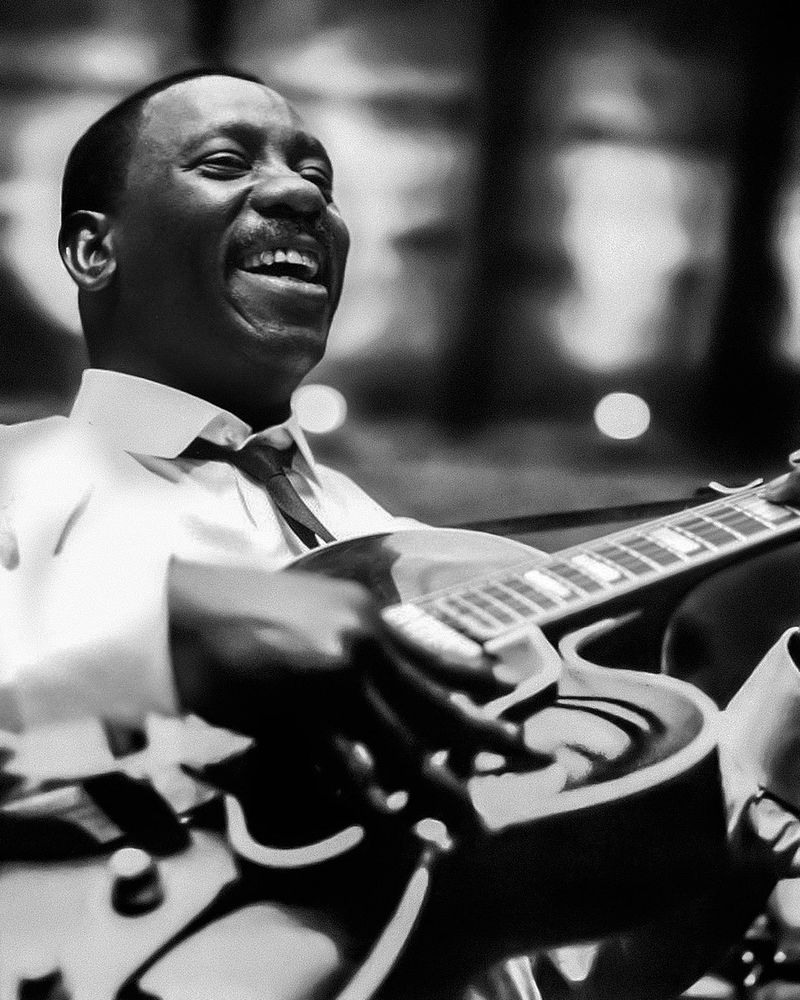
Jazz guitar took a warmer, more melodic turn when Wes Montgomery started playing with his thumb instead of a traditional pick.
This unique approach created a softer, rounder tone that made his solos sound like butter melting over toast.
His octave-playing technique—playing the same note in two different registers simultaneously—became instantly recognizable.
Montgomery could play incredibly complex bebop lines while making everything sound effortless and natural.
His albums like “The Incredible Jazz Guitar” influenced countless jazz and fusion players.
Despite never learning to read music, he developed one of the most sophisticated styles in jazz history.
He proved that breaking the rules could lead to beautiful, groundbreaking results in music.
7. Jimi Hendrix
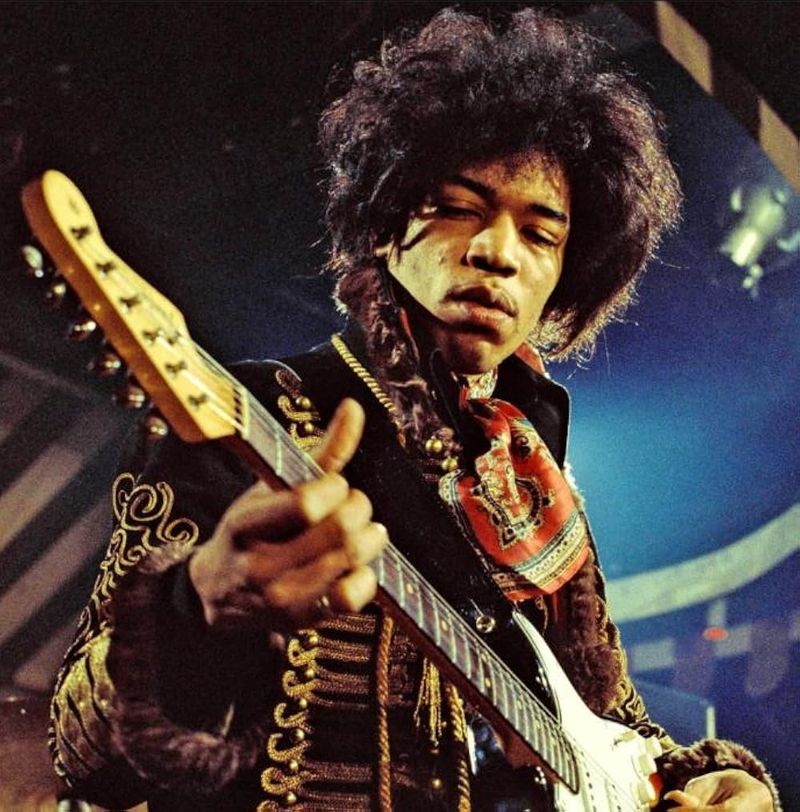
Nobody before or since has made a guitar sound like Jimi Hendrix did during his brief but explosive career.
He transformed feedback, distortion, and wah-wah effects from technical problems into expressive tools for creating new sonic landscapes.
Playing left-handed on a right-handed guitar strung upside-down, Hendrix redefined what was physically possible on the instrument.
His performance at Woodstock, where he played “The Star-Spangled Banner” with screaming feedback mimicking bombs and chaos, became legendary.
Songs like “Purple Haze” and “Voodoo Child” featured techniques guitarists are still trying to master decades later.
He combined blues roots with psychedelic experimentation and raw power.
Hendrix’s fearless innovation opened doors for every experimental guitarist who followed.
8. Eric Clapton
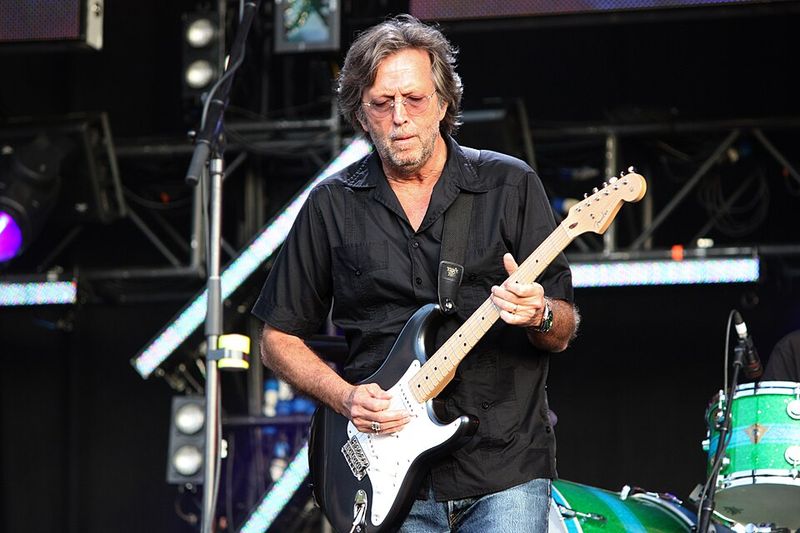
Graffiti in 1960s London declared “Clapton is God,” and his guitar playing certainly seemed supernatural to amazed audiences.
His fluid, vocal-like phrasing brought British blues to mainstream rock audiences through bands like Cream and Derek and the Dominos.
Clapton’s tone—warm, singing, and perfectly sustained—became the gold standard for rock guitarists.
His solo on “Crossroads” showcased blistering speed combined with impeccable taste and blues authenticity.
Later acoustic work on “Tears in Heaven” proved his versatility extended beyond electric pyrotechnics.
Clapton absorbed influences from American blues masters and translated them for rock audiences worldwide.
His career spanning six decades demonstrates how dedication to craft creates lasting musical impact and influence.
9. Carlos Santana
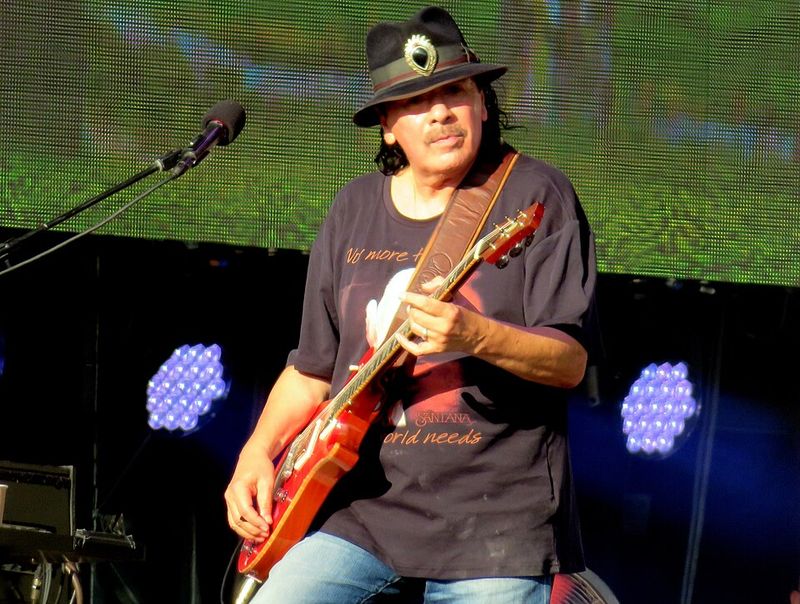
Latin rhythms met rock guitar fire when Carlos Santana burst onto the scene at Woodstock in 1969.
His distinctive tone—singing, sustained, and dripping with emotion—blended perfectly with Afro-Cuban percussion patterns.
Santana created a completely new fusion genre that brought Latin music into rock mainstream.
His melodic approach emphasized long, vocal-like phrases rather than rapid-fire shredding.
Songs like “Black Magic Woman” and “Oye Como Va” became timeless classics bridging cultural divides.
Santana’s spiritual approach to music emphasized feeling and connection over technical showmanship.
He proved that guitars could speak in multiple cultural languages simultaneously, creating universal emotional experiences through music.
10. Duane Allman
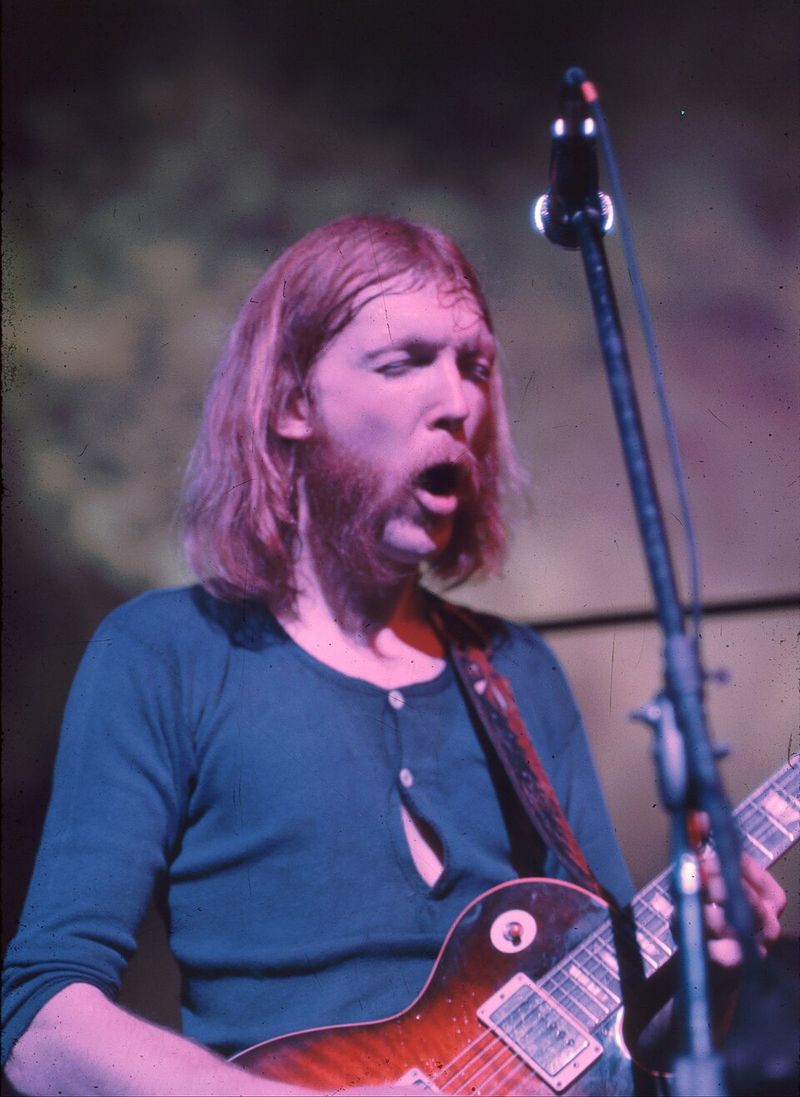
Slide guitar reached its absolute peak when Duane Allman wrapped a glass bottle around his finger and made his guitar weep.
As founder of The Allman Brothers Band, he pioneered Southern rock’s dual-guitar sound alongside Dickey Betts.
His slide work on “Statesboro Blues” remains the definitive example of the technique.
Allman’s session work on Derek and the Dominos’ “Layla” created one of rock’s most famous guitar parts.
Tragically, a motorcycle accident ended his life at just 24 years old.
Despite his short career, his influence on Southern rock, blues rock, and jam bands continues growing.
He demonstrated that slide guitar could be both technically precise and wildly emotional at the same time.
11. Tony Iommi
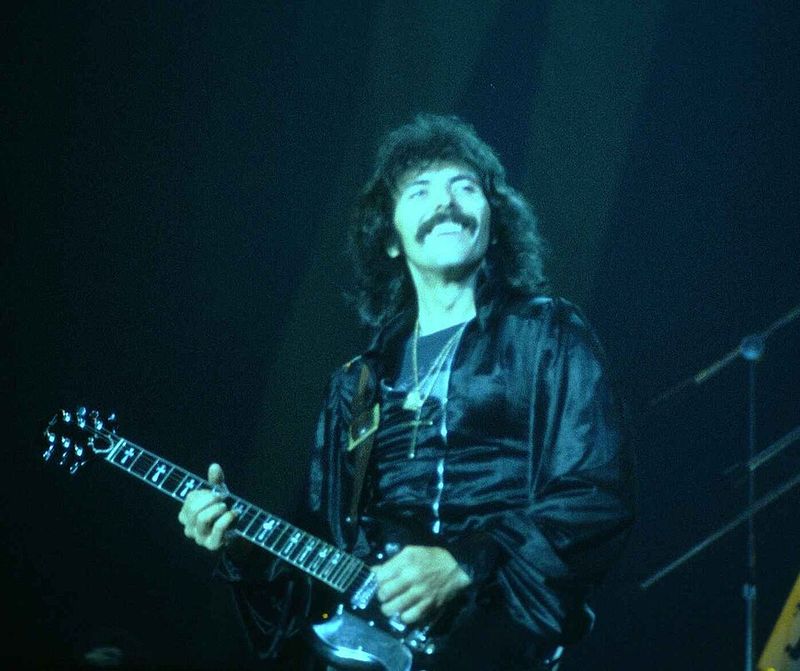
Heavy metal was born when Tony Iommi tuned his guitar down and cranked up the distortion in Birmingham, England.
After losing fingertips in a factory accident, he created leather thimbles and developed a heavier playing style.
His dark, doom-laden riffs in Black Sabbath created an entirely new genre of music.
Songs like “Iron Man” and “Paranoid” featured simple but devastatingly heavy power chords that influenced every metal band since.
Iommi’s down-tuned guitars created a darker, more ominous sound than anyone had heard before.
His tritone intervals—once called “the devil’s interval”—gave metal its signature menacing character.
Without his innovative approach to heaviness and darkness, modern metal music simply wouldn’t exist as we know it.
12. David Gilmour
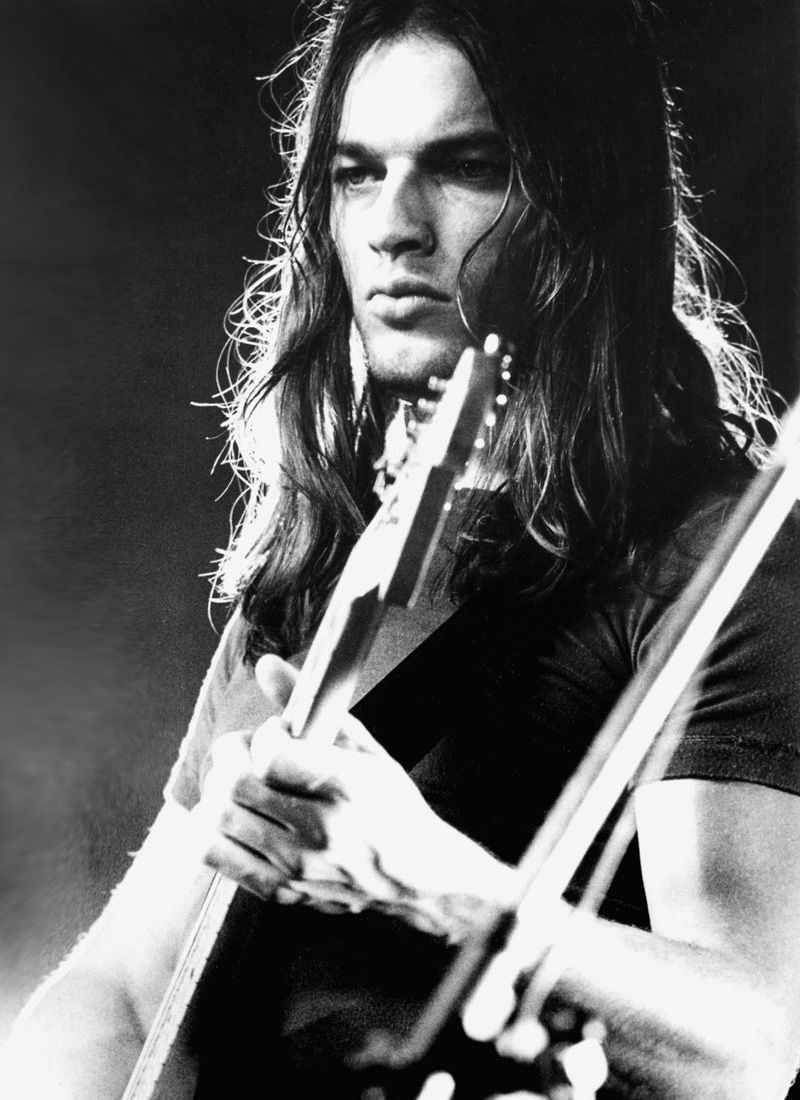
Pink Floyd’s sonic landscapes wouldn’t exist without David Gilmour’s atmospheric, emotionally charged guitar work throughout the band’s legendary career.
His solos on “Comfortably Numb” and “Shine On You Crazy Diamond” are masterclasses in building tension and releasing emotion.
Gilmour proved that space between notes matters as much as the notes themselves.
His tone—smooth, sustained, and soaring—became instantly recognizable across progressive rock.
Unlike speed-focused players, Gilmour’s strength lay in melodic phrasing and perfect note selection.
His use of effects like delay and modulation created otherworldly textures supporting Pink Floyd’s conceptual albums.
He taught generations of guitarists that fewer notes played with deeper feeling create more powerful musical moments.
13. Jimmy Page
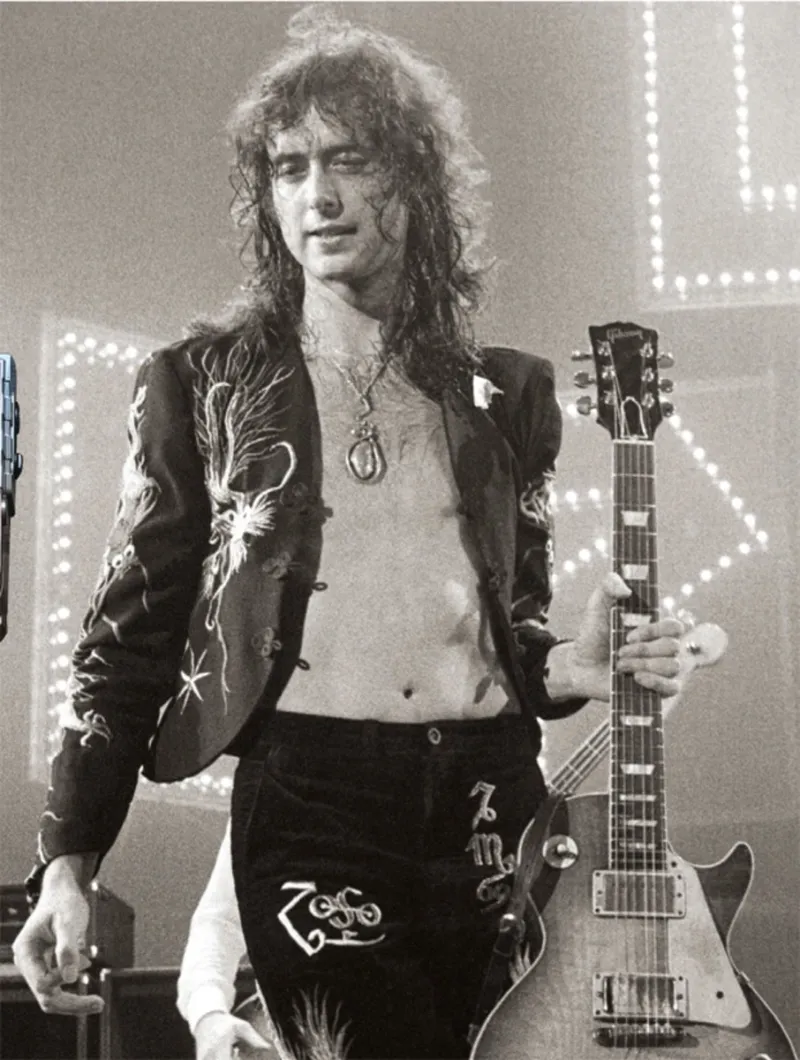
Led Zeppelin’s towering sound rested on Jimmy Page’s foundation of blues, folk, and hard rock guitar mastery.
His riff on “Whole Lotta Love” became one of rock’s most recognizable guitar lines ever recorded.
Page experimented with unusual recording techniques, alternate tunings, and even playing guitar with a violin bow.
The acoustic masterpiece “Stairway to Heaven” showcased his versatility, building from delicate fingerpicking to explosive electric soloing.
As a producer, Page crafted Zeppelin’s massive sound using innovative studio techniques.
His mystical stage presence and diverse influences made him rock’s ultimate guitar hero.
Page demonstrated that guitar could be both a delicate folk instrument and a thunderous rock weapon within the same song.
14. Jeff Beck
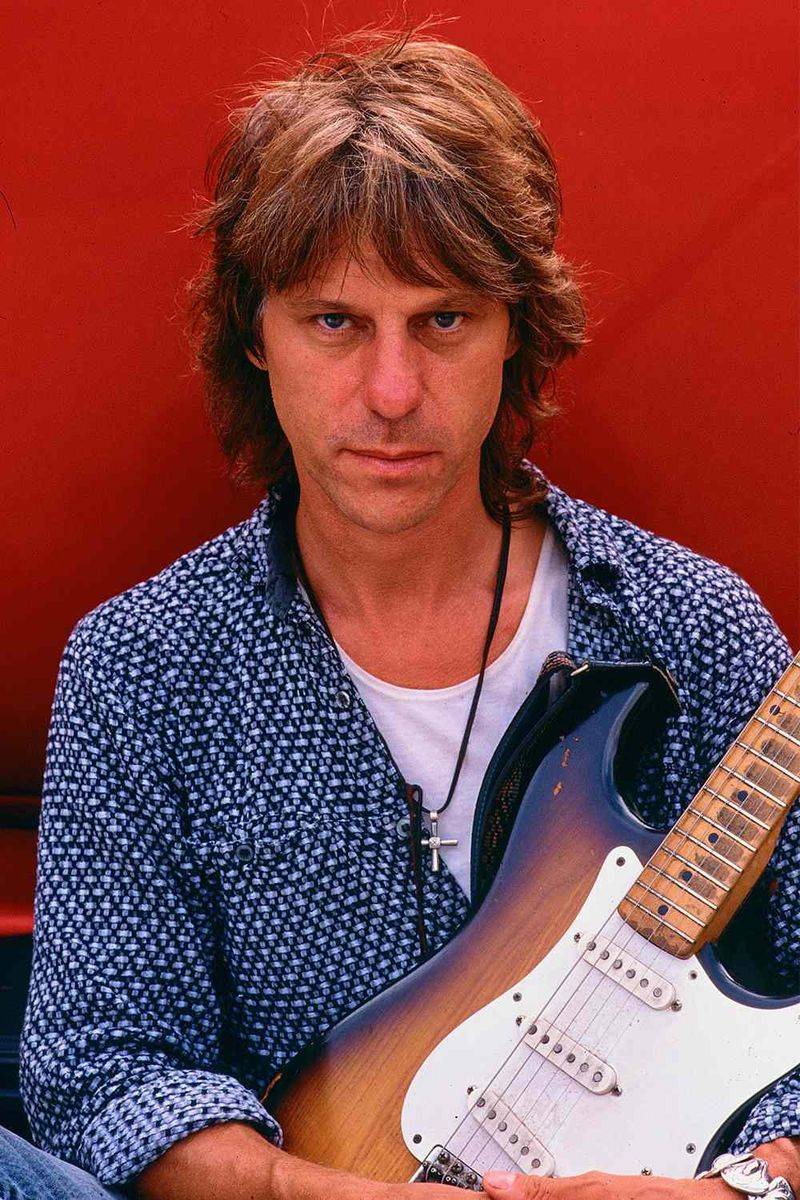
Jeff Beck’s fearless experimentation pushed guitar into uncharted territories throughout his constantly evolving six-decade career.
Unlike many contemporaries, Beck abandoned vocals entirely to let his guitar do all the talking.
His use of the whammy bar created sounds that seemed to defy the laws of physics and musical convention.
Beck pioneered using fingers instead of a pick for rock guitar, allowing greater dynamic control and expression.
Albums like “Blow by Blow” fused jazz, rock, and funk in ways nobody expected.
His willingness to constantly reinvent his sound kept his music fresh across multiple generations.
He proved that technical mastery combined with artistic risk-taking creates timeless, genre-defying music that never grows old.
15. Brian May
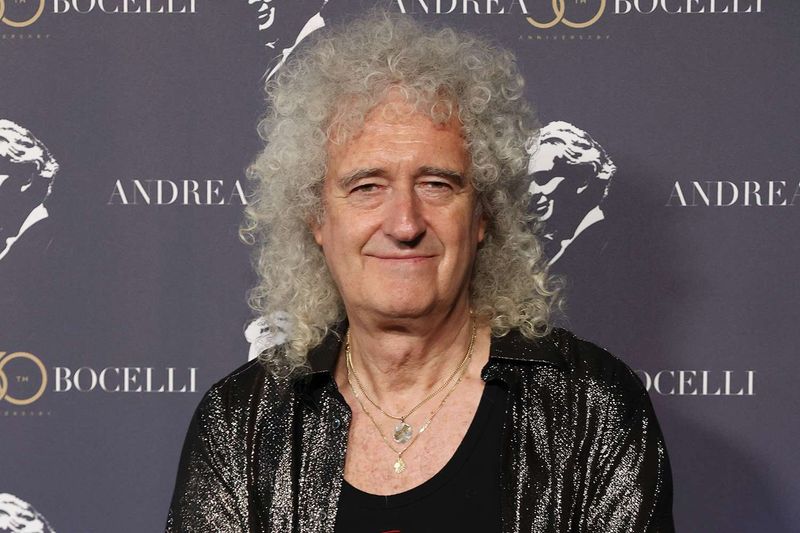
Queen’s orchestral rock sound came from Brian May’s homemade guitar and his approach to layering harmonized guitar parts.
He built his famous “Red Special” guitar with his father using fireplace wood and motorcycle parts.
May’s technique of stacking multiple guitar tracks created a choir-like effect heard on “Bohemian Rhapsody.”
His use of a sixpence coin instead of a traditional pick contributed to his distinctive tone and attack.
May combined classical music training with rock sensibility, creating sophisticated yet accessible guitar parts.
His solos were melodic, memorable, and perfectly constructed to serve the song rather than showcase ego.
He demonstrated that guitars could create symphonic textures rivaling full orchestras when recorded with creativity and precision.
16. Eddie Van Halen
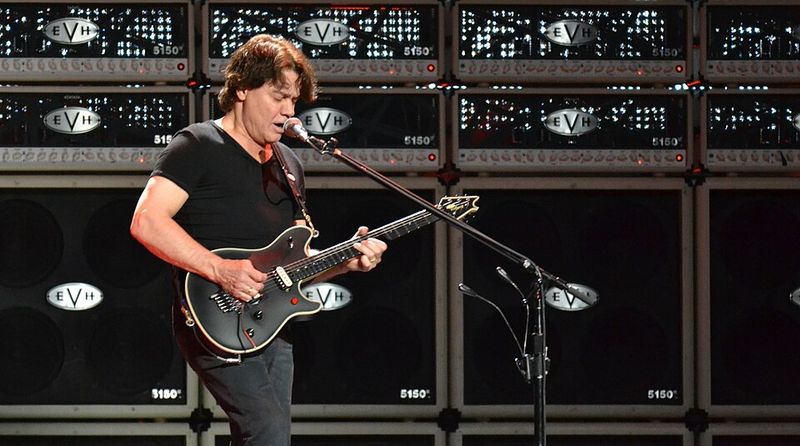
Rock guitar split into two eras: before Eddie Van Halen and after Eddie Van Halen revolutionized the instrument.
His two-handed tapping technique on “Eruption” sounded like three guitarists playing simultaneously.
Van Halen combined classical music precision with rock attitude, creating a new standard for technical playing.
His homemade “Frankenstein” guitar, assembled from different parts and painted with distinctive stripes, became iconic.
Eddie’s innovative use of harmonics, dive bombs, and whammy bar techniques expanded guitar’s vocabulary.
His playing was both technically mind-blowing and incredibly musical, never sacrificing melody for flash.
He inspired an entire generation of shredders while proving that virtuosity and fun could coexist perfectly in rock music.
17. Stevie Ray Vaughan
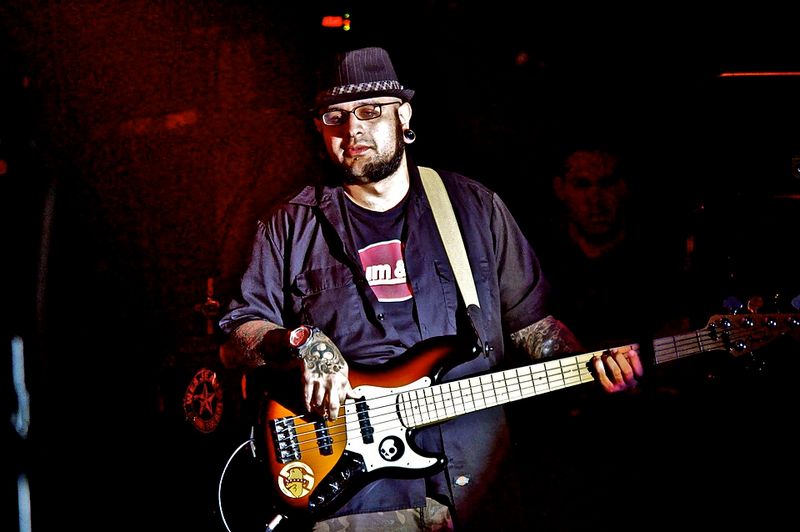
Texas blues exploded back into mainstream consciousness when Stevie Ray Vaughan plugged in his battered Stratocaster during the 1980s.
His ferocious attack and thick, overdriven tone brought blues guitar back from near-extinction in popular music.
Vaughan played with such physical intensity that he frequently broke strings and bloodied his fingers during performances.
His version of “Texas Flood” showcased traditional blues vocabulary delivered with unprecedented power and emotion.
Vaughan’s technique combined precise rhythm playing with explosive lead work, never sacrificing groove for flash.
His tragic death in a helicopter crash at age 35 ended a career that had revitalized blues for new generations.
He proved that authentic blues could still compete in the modern music world when played with enough passion and skill.
18. Prince
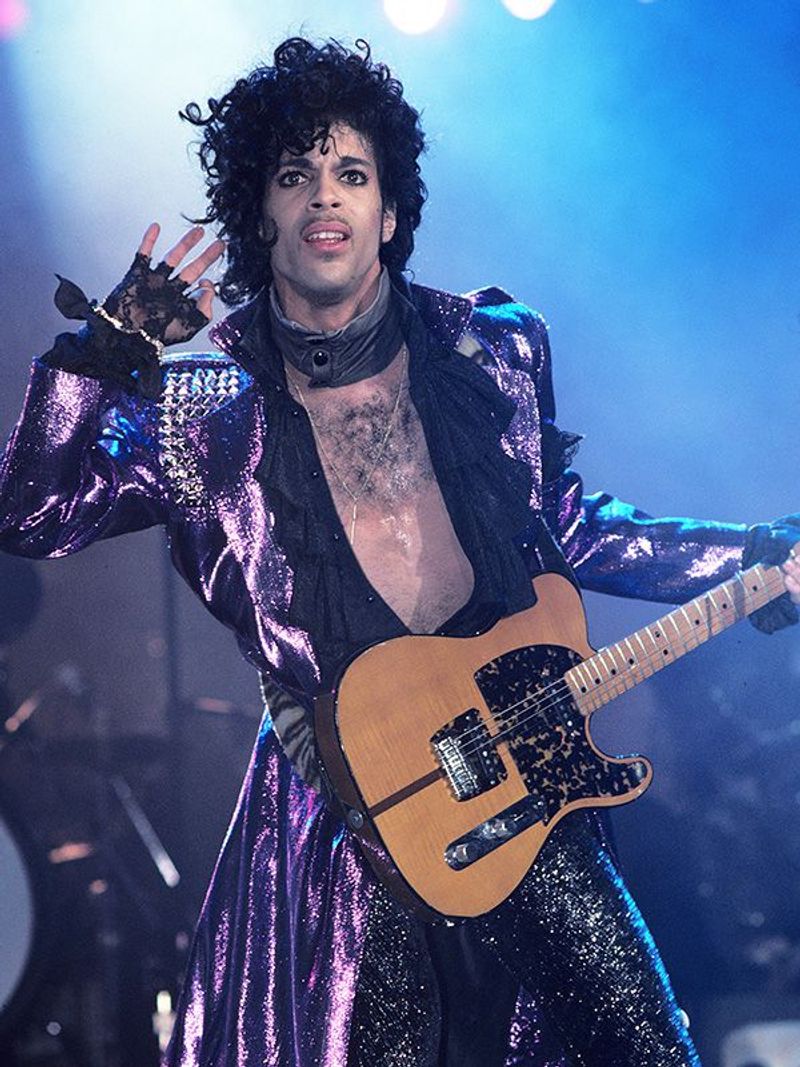
Prince’s guitar playing often gets overshadowed by his other talents, but his skills were absolutely world-class and innovative.
His solo on “Purple Rain” ranks among rock’s most emotionally powerful guitar moments, building from whisper to scream.
Prince blended funk rhythm playing with rock lead techniques, creating a unique style that defied categorization.
He could shred like a metal guitarist, funk like Nile Rodgers, and play blues with deep feeling.
Prince’s performance at the Rock and Roll Hall of Fame, where he destroyed “While My Guitar Gently Weeps,” stunned even legendary guitarists present.
His custom-built guitars, often in his signature purple, became extensions of his flamboyant stage persona.
He showed that guitar heroics could coexist with pop songwriting, funk grooves, and theatrical performance art.
19. Tom Morello
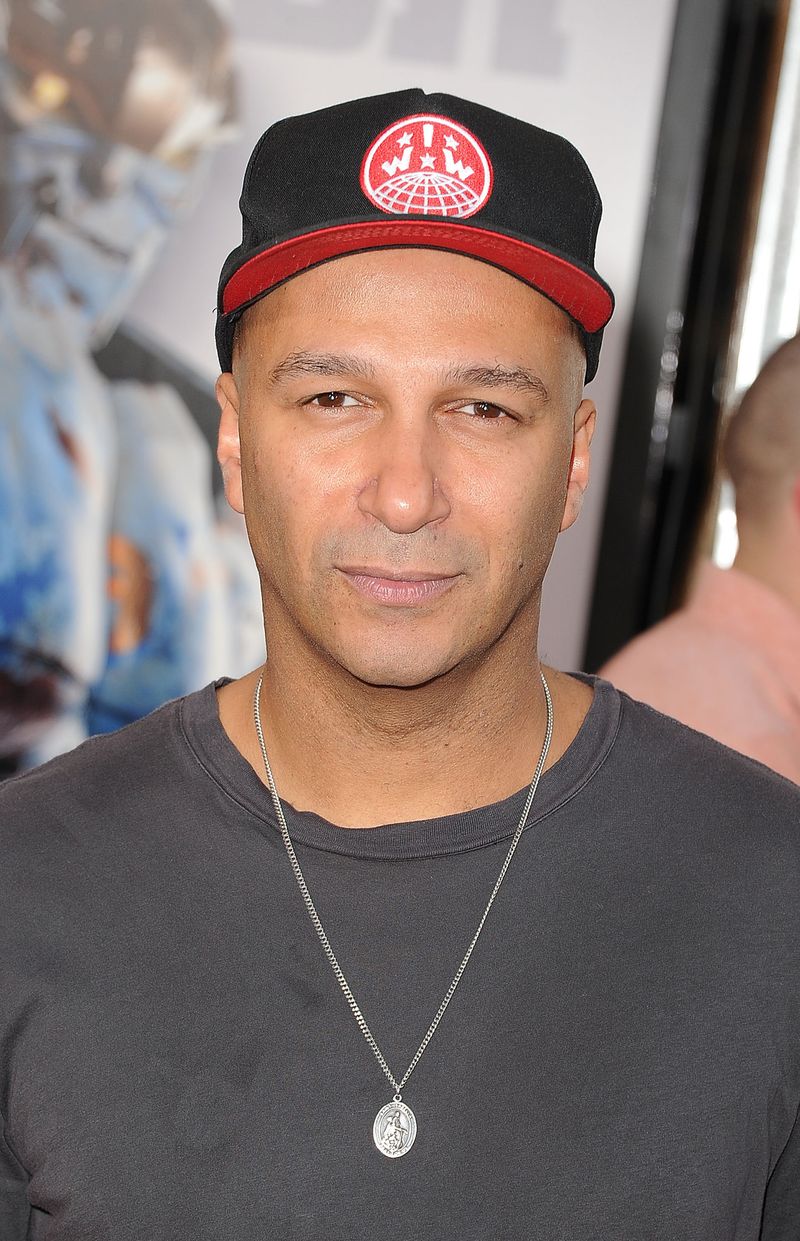
Tom Morello approached guitar like a DJ approaches turntables, creating sounds nobody thought possible from six strings.
His work with Rage Against the Machine featured scratching effects, feedback manipulation, and toggle switch tricks that sounded electronic.
Morello’s “Arm the Homeless” guitar became a political statement as much as a musical instrument.
He studied music at Harvard University, bringing intellectual rigor to his innovative techniques.
Songs like “Killing in the Name” featured guitar parts that sounded like synthesizers, samplers, or turntables.
Morello’s combination of technical innovation and political activism influenced nu-metal and alternative rock throughout the 1990s.
He demonstrated that guitar could still be revolutionary in the digital age through creativity rather than traditional techniques.
20. St. Vincent (Annie Clark)
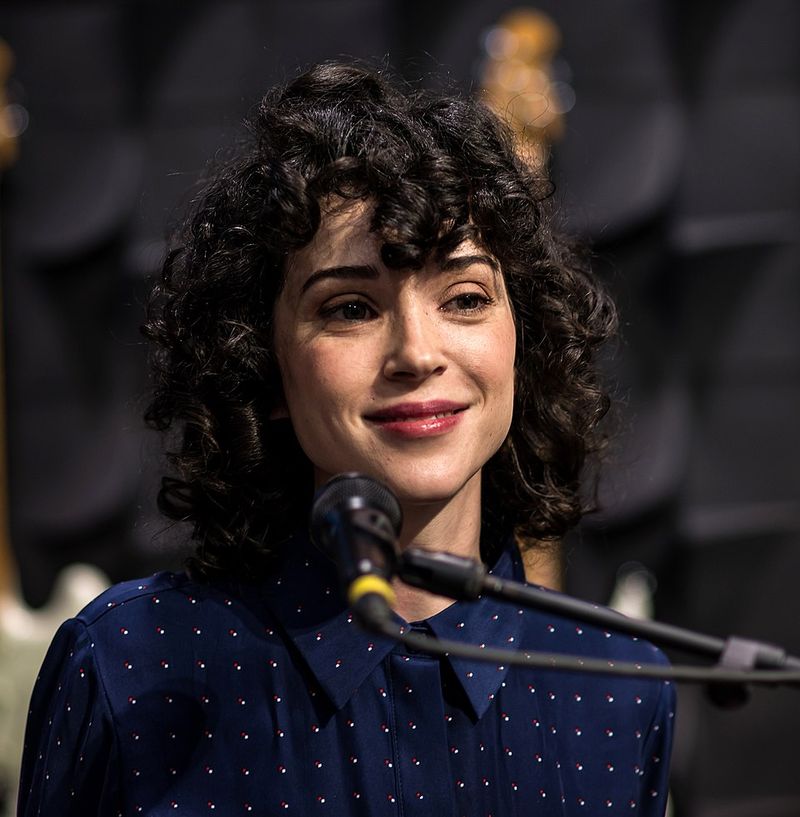
Annie Clark’s St. Vincent project brings art-rock guitar into the 21st century with angular riffs and experimental textures.
Her signature Ernie Ball Music Man guitar was designed specifically for female players, addressing ergonomic issues other manufacturers ignored.
Clark’s playing combines noise experimentation with pop sensibility, creating accessible yet challenging music.
She studied at Berklee College of Music and toured with Polyphonic Spree before launching her solo career.
St. Vincent’s guitar work features jarring bends, dissonant chords, and precisely controlled feedback that sounds both chaotic and calculated.
Her music videos and live performances incorporate choreography and visual art, making guitar playing part of larger artistic statements.
She proves that guitar innovation continues evolving, with new voices constantly pushing boundaries in unexpected directions.