 MomSkoop
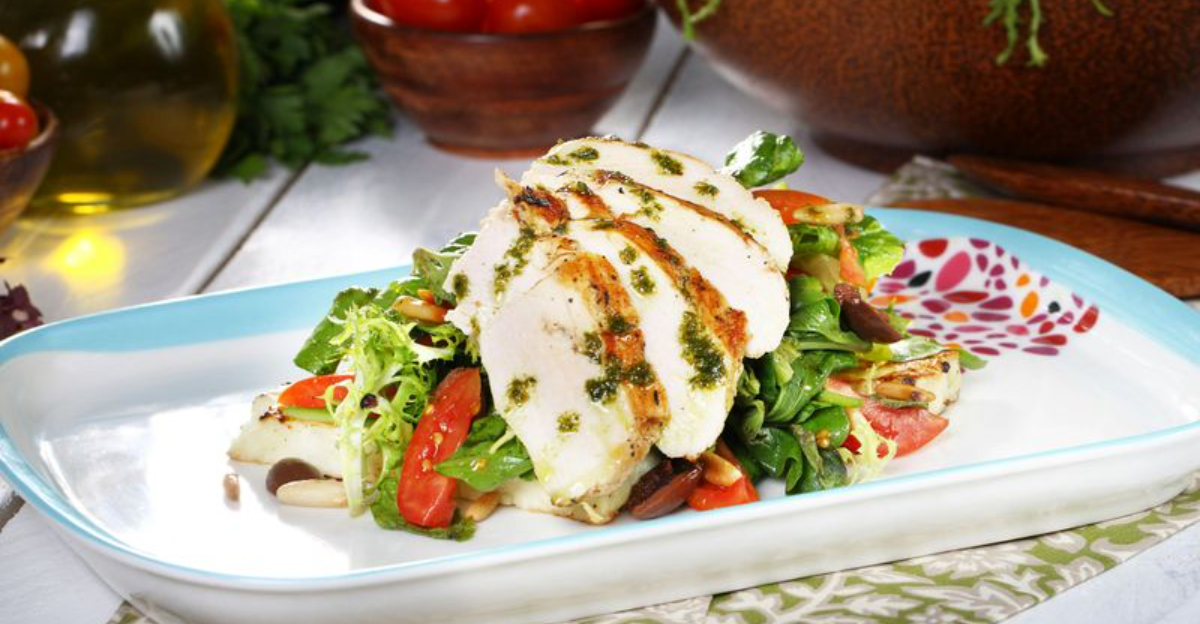
Cottage cheese has become a protein powerhouse in the snack world, packing around 12-14 grams of protein per half-cup serving. But what if you’re looking for variety or simply don’t enjoy the texture of cottage cheese?
Plenty of other snacks deliver similar protein content while offering different flavors and textures to keep your taste buds happy and your muscles fueled.
1. Smoked Salmon Roll-Ups
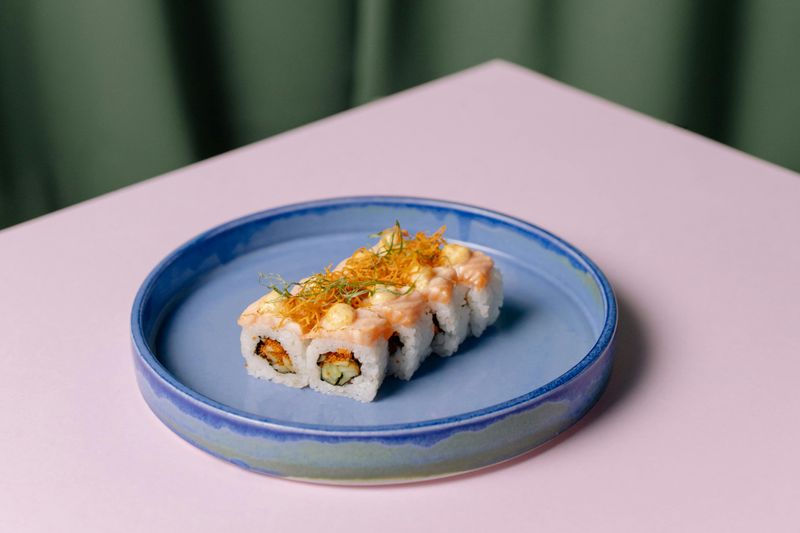
A single ounce of smoked salmon brings about 5 grams of protein to your plate, and when you roll up 2-3 ounces with cream cheese and cucumber, you’re looking at a snack that rivals cottage cheese.
The omega-3 fatty acids in salmon support heart health while the protein keeps hunger at bay for hours.
These elegant roll-ups work perfectly for meal prep—just assemble them on Sunday and grab one whenever hunger strikes during the week.
The combination of smoky, salty fish with cool cucumber creates a refreshing contrast that feels fancy without requiring any cooking skills.
Plus, they’re naturally low in carbs, making them ideal for anyone watching their carbohydrate intake while prioritizing protein.
2. Edamame
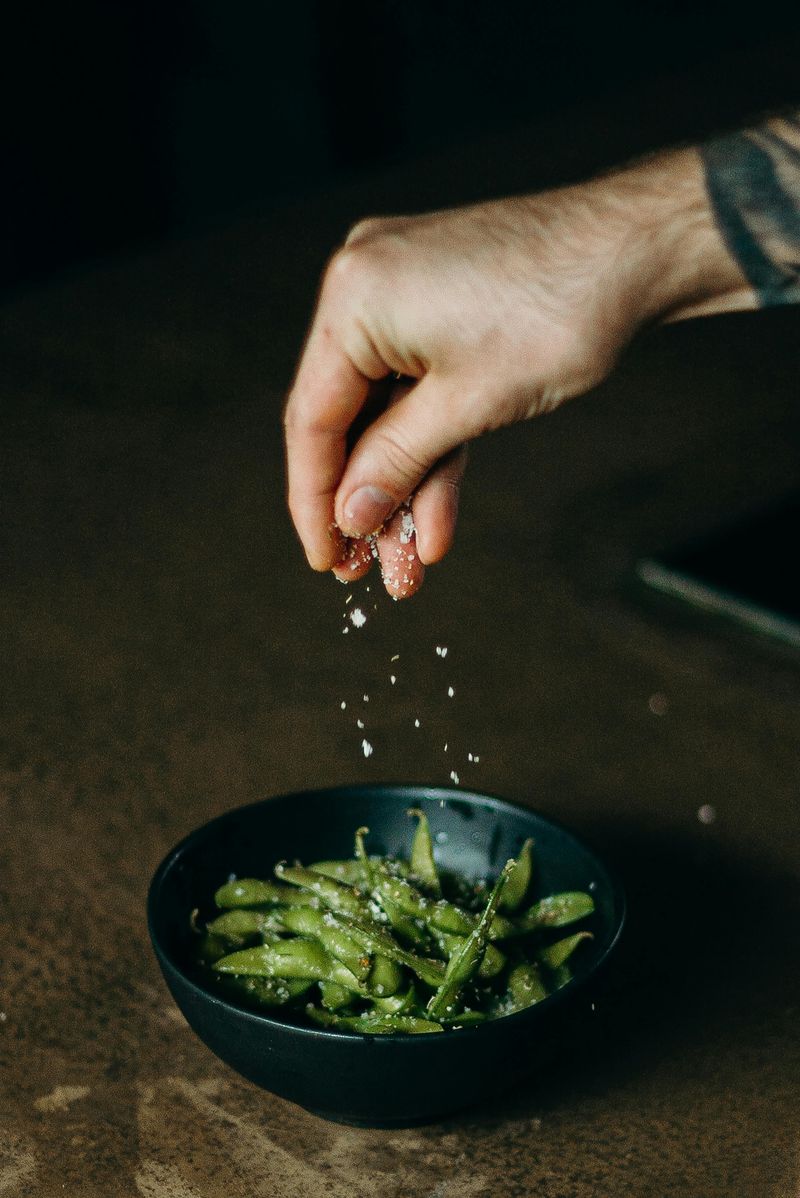
These bright green soybeans might look unassuming, but one cup of shelled edamame delivers an impressive 17 grams of complete protein.
That’s actually more than cottage cheese, making edamame a plant-based champion for vegetarians and vegans seeking quality protein sources.
You can find them in the freezer section of most grocery stores, and they’re ready to eat after just five minutes of boiling or microwaving.
A sprinkle of sea salt is all they need, though some people enjoy them with garlic powder or chili flakes for extra flavor.
The fiber content in edamame also supports digestive health and helps you feel satisfied longer than many other snacks.
3. Greek Yogurt
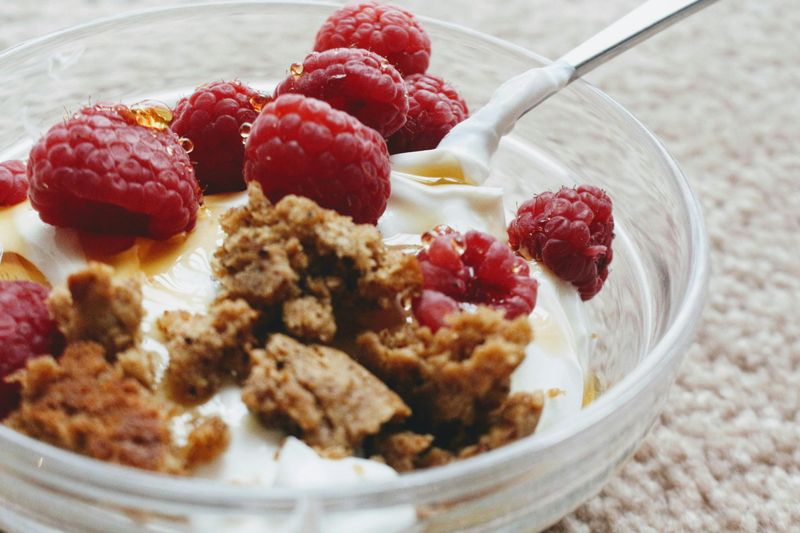
Often called cottage cheese’s creamy cousin, Greek yogurt packs 15-20 grams of protein per 6-ounce serving, depending on the brand.
The straining process removes excess whey, concentrating both the protein content and the thick, velvety texture that makes it so satisfying.
Plain Greek yogurt works as a blank canvas for both sweet and savory flavor combinations—try it with berries and honey or with cucumber and za’atar spice.
The probiotics in yogurt support gut health, adding an extra wellness benefit beyond the protein content.
Look for brands with minimal added sugar and live active cultures listed on the label for maximum nutritional value.
4. Tuna Packets
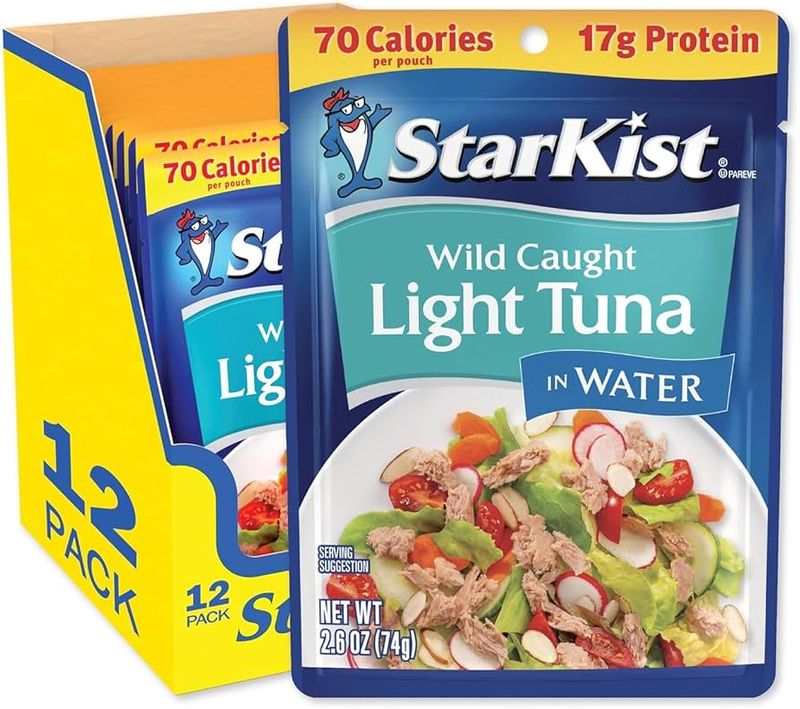
Forget the cans—modern tuna packets are convenient, portable, and mess-free, delivering about 15-20 grams of protein per pouch.
They come pre-seasoned in flavors like lemon pepper, buffalo, and sriracha, eliminating the need for additional preparation or seasoning.
You can eat them straight from the packet with crackers, stuff them into a whole wheat pita, or mix them with avocado for a quick protein boost.
The selenium and vitamin D in tuna support immune function and bone health, making this snack nutritionally dense beyond just protein.
Keep a few packets in your desk drawer or gym bag for emergency protein when hunger strikes unexpectedly.
5. Hard-Boiled Eggs
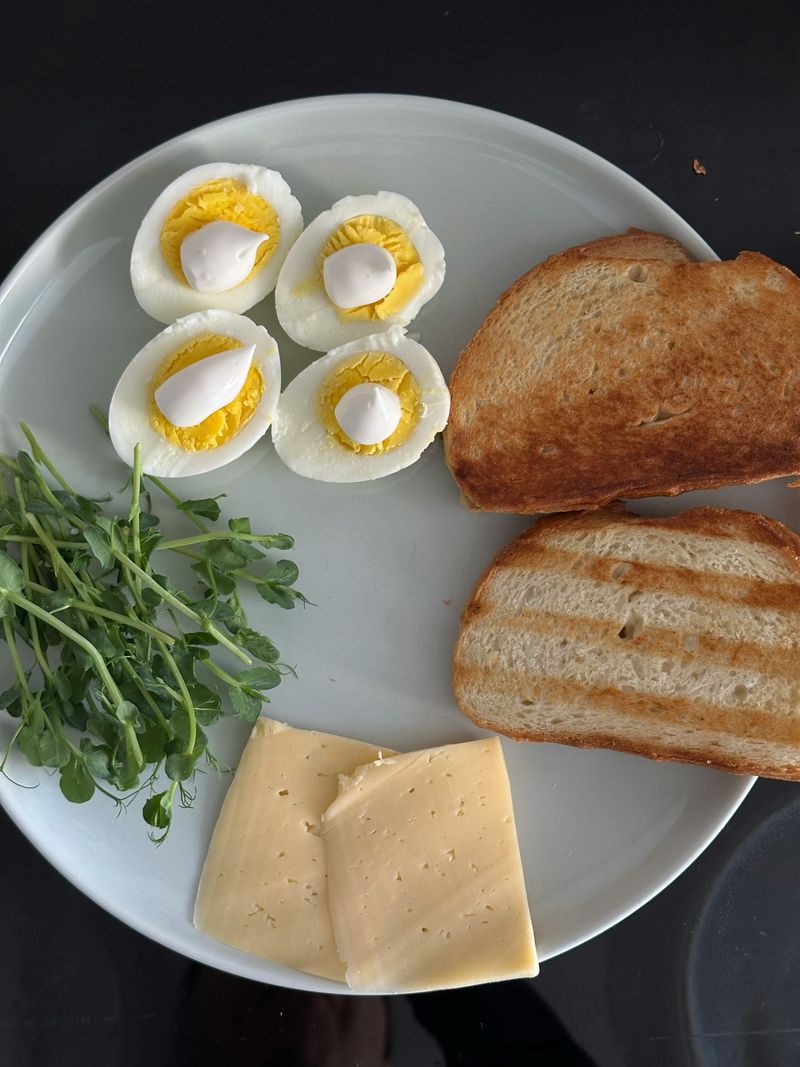
Two large hard-boiled eggs provide about 12 grams of high-quality protein, matching cottage cheese almost exactly while costing significantly less.
The yolks contain essential nutrients like choline for brain health and lutein for eye health, making them nutritionally superior to egg whites alone.
Batch-cook a dozen eggs on Sunday, and you’ll have grab-and-go protein ready all week long.
Season them with everything bagel seasoning, hot sauce, or a dash of curry powder to prevent flavor fatigue.
Despite outdated cholesterol concerns, research shows that eggs don’t negatively impact heart health for most people and can be enjoyed daily as part of a balanced diet.
6. Chicken Salad
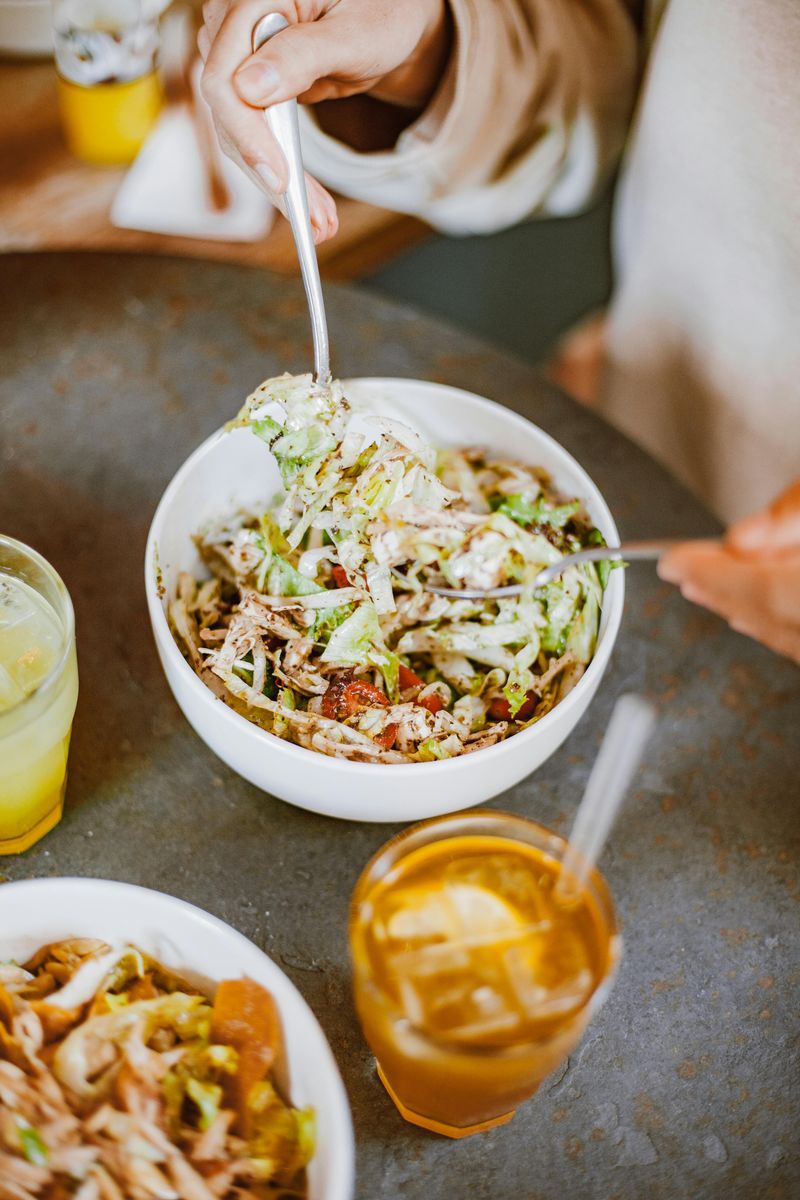
A half-cup serving of homemade chicken salad typically contains 12-15 grams of protein, depending on how much chicken you pack in.
Making your own allows you to control the mayo-to-chicken ratio, keeping calories in check while maximizing protein content.
Add crunch with celery and grapes, or go Mediterranean with sun-dried tomatoes and olives for variety throughout the week.
You can enjoy chicken salad on whole grain bread, stuffed in a bell pepper, or simply with veggie sticks for dipping.
Using rotisserie chicken from the grocery store cuts prep time dramatically, making this a realistic option even on busy weeknights.
7. High-Quality Jerky
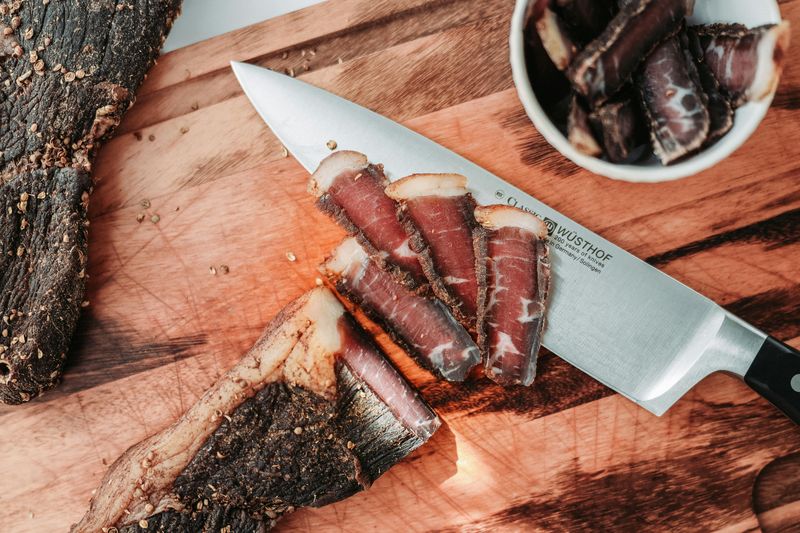
One ounce of quality beef, turkey, or salmon jerky delivers approximately 9-12 grams of protein in a shelf-stable, ultra-portable format.
The key is choosing brands with minimal ingredients—just meat, salt, and spices—rather than versions loaded with sugar and artificial preservatives.
Grass-fed beef jerky offers the added benefit of omega-3 fatty acids, while turkey jerky tends to be lower in fat and calories.
The chewy texture makes jerky particularly satisfying, and the sodium content can actually be beneficial for athletes who lose electrolytes through sweat.
Keep a bag in your car or backpack for those moments when you need protein fast without refrigeration.
8. Protein Smoothie
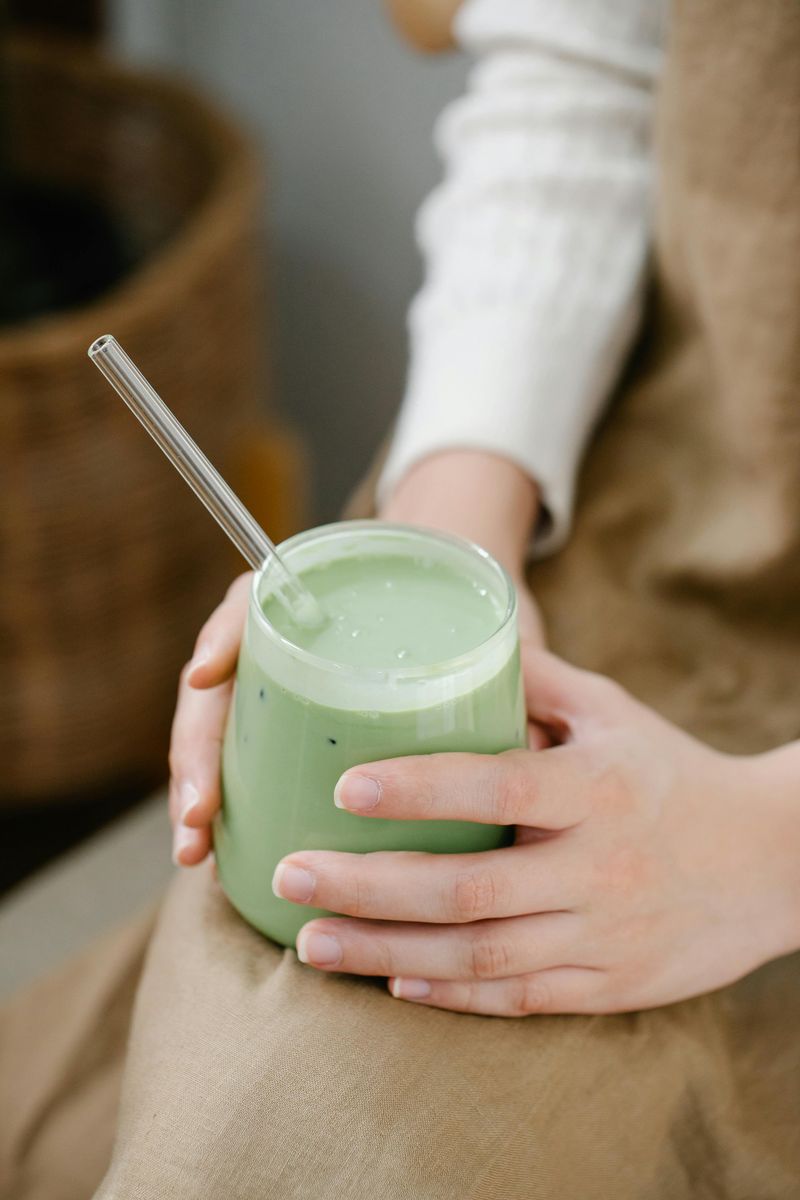
Blending protein powder with milk or a milk alternative creates a drinkable snack with 15-25 grams of protein, easily customizable to your taste preferences.
Add frozen banana for creaminess, spinach for vitamins (you won’t taste it), and nut butter for healthy fats that slow digestion.
Whey protein absorbs quickly, making it ideal post-workout, while plant-based proteins like pea or hemp work great for vegans and those with dairy sensitivities.
Pre-portion your smoothie ingredients in freezer bags for even faster preparation—just dump and blend when hunger hits.
The liquid format makes protein smoothies especially appealing when you’re not hungry enough for solid food but need nutrition nonetheless.
9. Deli Roasted Turkey
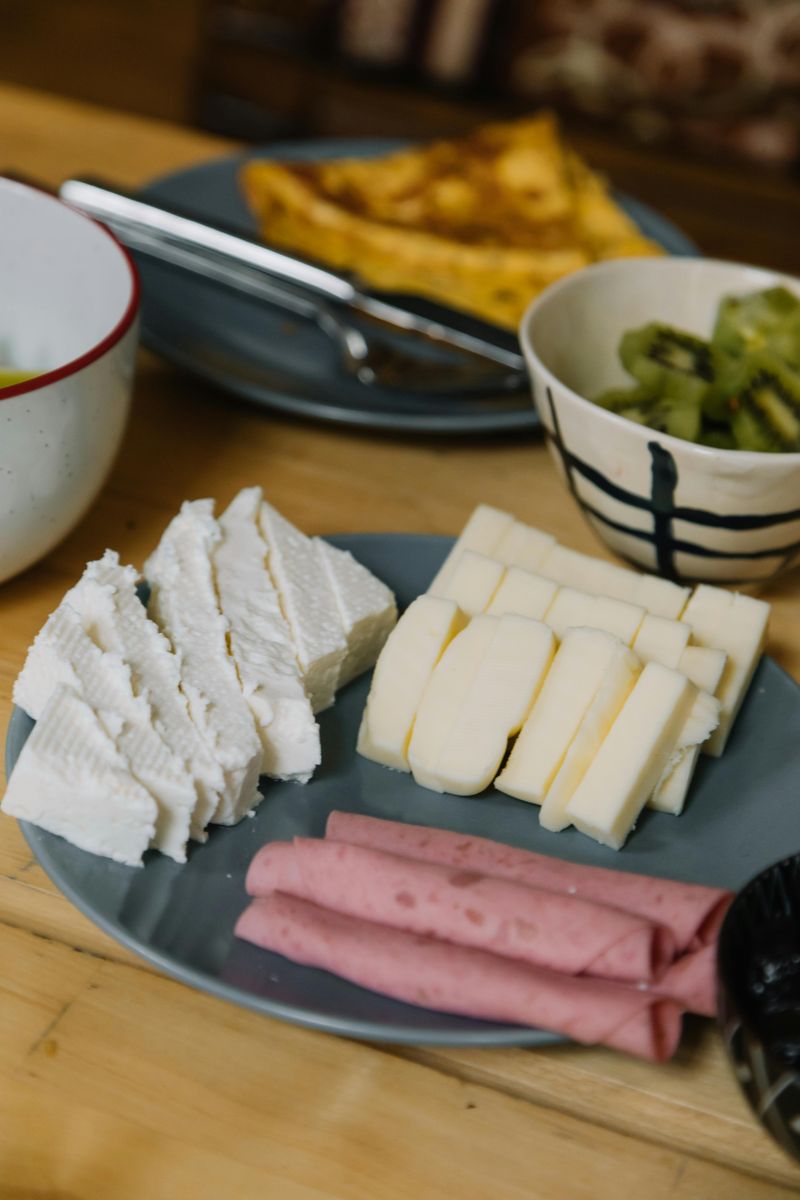
Four slices of deli roasted turkey breast contain roughly 12-14 grams of protein, making it a dead ringer for cottage cheese nutritionally.
Choose freshly sliced turkey from the deli counter rather than pre-packaged varieties, which often contain more sodium and preservatives.
Roll the slices with mustard and a pickle spear for a zero-carb snack, or layer them on whole grain crackers with avocado.
Turkey contains tryptophan, the amino acid famous for post-Thanksgiving drowsiness, though you’d need to eat much more than a snack portion to feel sleepy.
This option works beautifully for meal prep—portion out your turkey slices on Sunday for quick protein all week long.