 MomSkoop
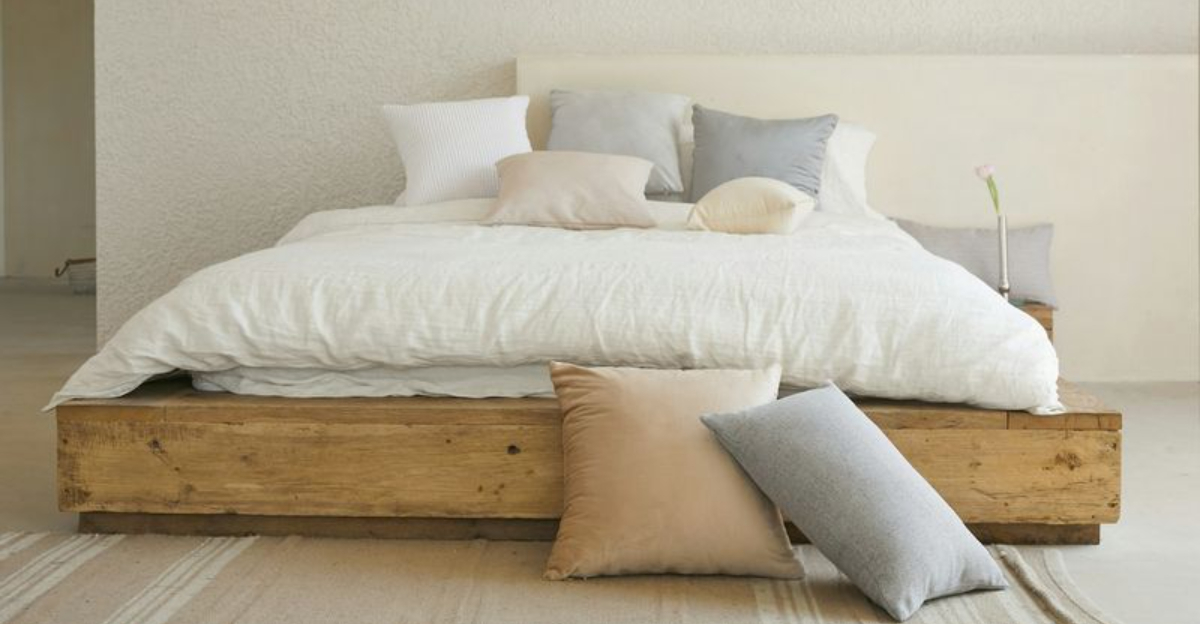
Bedroom design moves fast, and what felt fresh a few years ago can suddenly look tired.
If your sleep space still clings to certain styles from the early 2020s, it might be time for a refresh.
We’re saying goodbye to cold minimalism, matchy-matchy furniture, and overdone accent walls.
Instead, warmth, personality, and thoughtful layering are taking center stage as we embrace a new era of cozy, curated bedrooms.
1. All-White Bedrooms
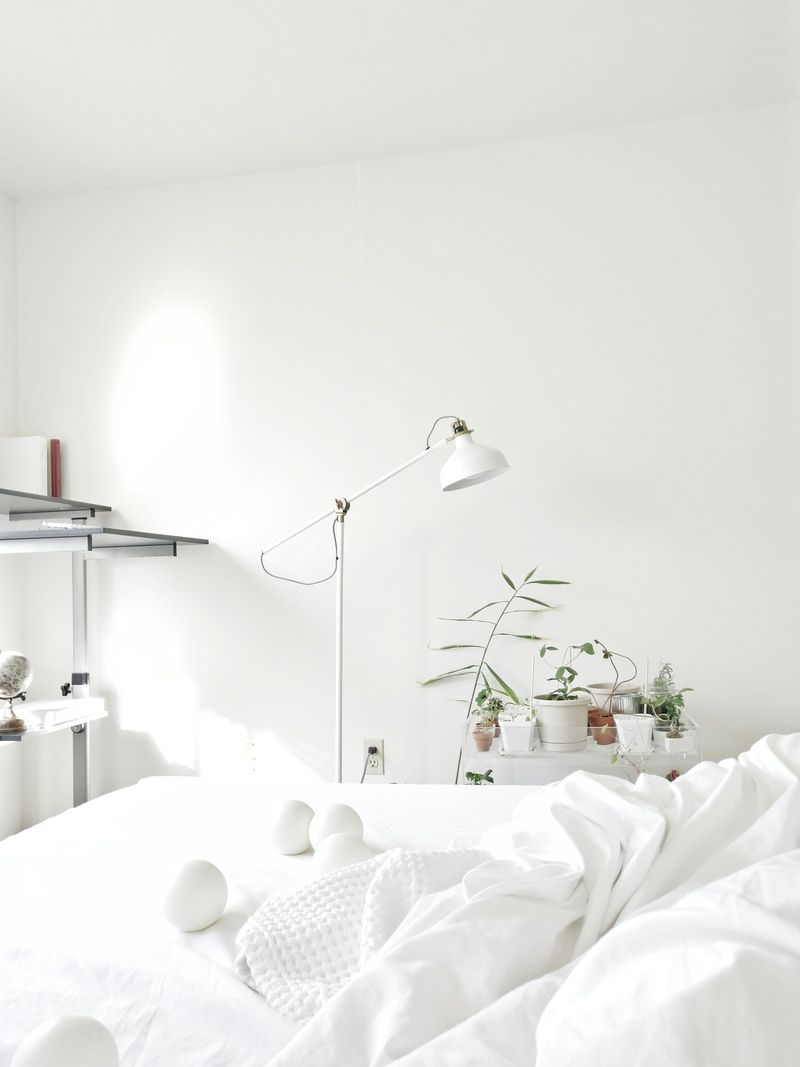
Rooms drenched entirely in white once symbolized clean elegance and simplicity.
But over time, this look has lost its charm and started feeling more like a hospital room than a cozy retreat.
White walls, white sheets, and white furniture can make a space feel empty and unwelcoming.
People crave warmth now, not sterility.
Rich tones like terracotta, sage green, and warm beige are replacing the icy whites that dominated before.
Adding texture through woven throws, wood accents, or colorful art brings life back into the room.
A bedroom should feel like a hug, not a waiting room.
Mixing in earthy shades creates depth and comfort that pure white simply can’t deliver anymore.
2. Minimalism at All Costs
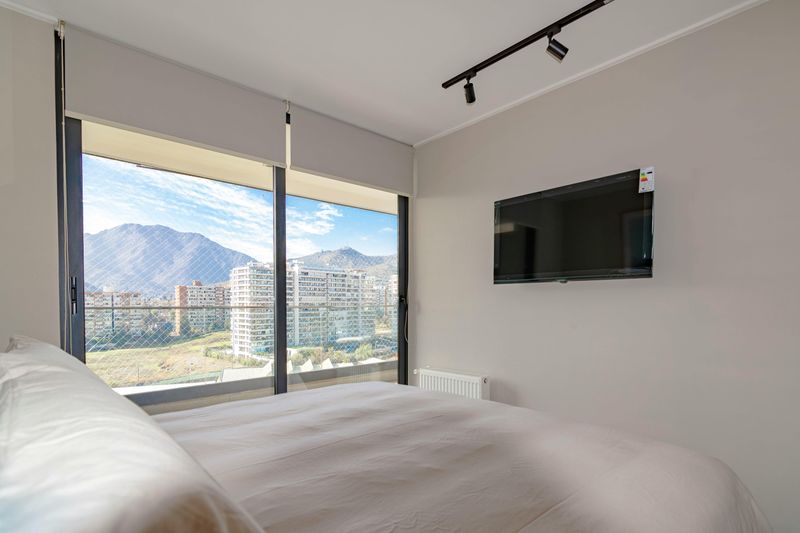
Stripping a bedroom down to just a bed and nothing else might sound zen, but it often ends up feeling harsh.
Extreme minimalism leaves rooms looking unfinished rather than intentional.
Empty nightstands and bare walls create an unwelcoming vibe that makes it hard to relax.
Your bedroom should reflect who you are, not look like a showroom nobody lives in.
Adding curated layers like books, plants, or meaningful decor makes the space feel lived-in and loved.
Balance is key—you don’t need clutter, but you do need personality.
Thoughtful touches like a cozy reading chair or a small gallery wall add warmth without overwhelming the room.
Comfort beats cold perfection every single time.
3. Floating Vanities in Bedrooms
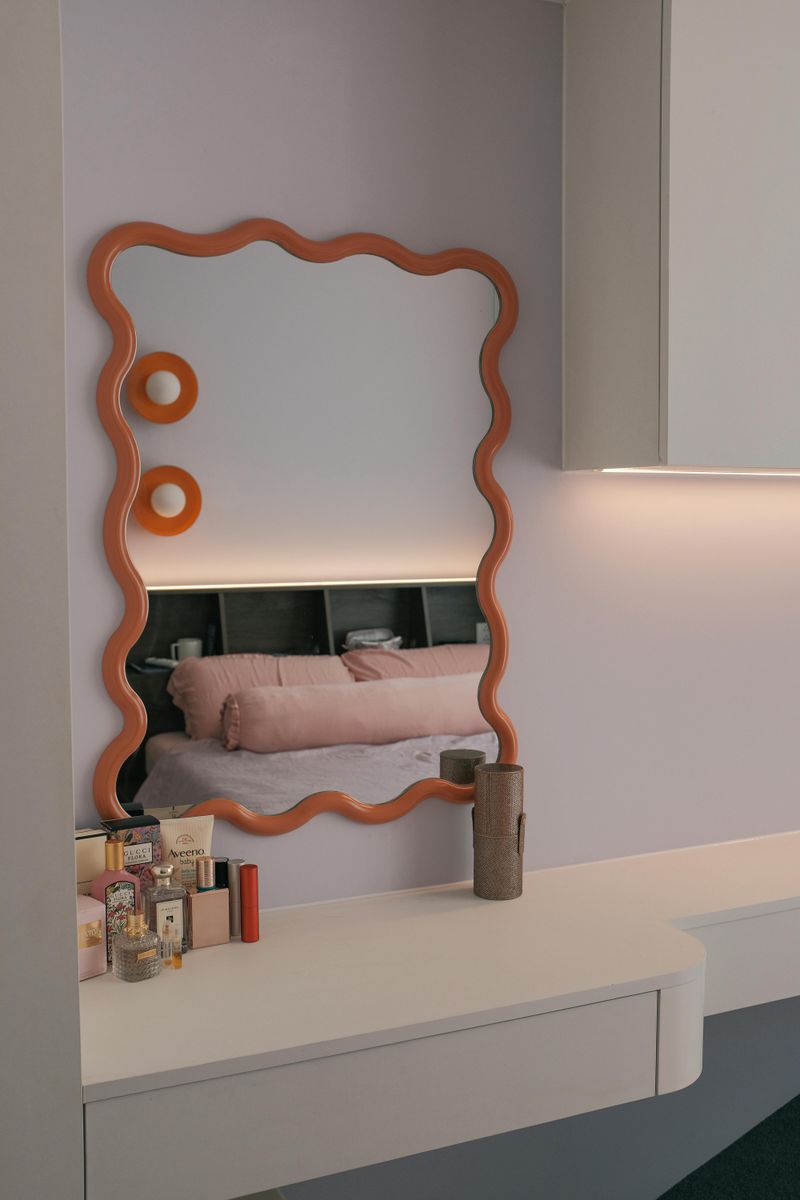
Blending bathroom features into the bedroom seemed innovative at first, but it’s proven more confusing than convenient.
Floating vanities placed right in sleeping areas blur the line between rest and grooming in ways that feel awkward.
Waking up to a sink staring at you from across the room isn’t exactly relaxing.
Plus, moisture and humidity from water use don’t mix well with bedroom fabrics and furniture.
Designers now prefer keeping bathrooms and bedrooms clearly separated for both function and comfort.
If you need a vanity, a traditional makeup table with a mirror works better and keeps the bedroom feeling like a bedroom.
Clear boundaries between spaces help each area serve its purpose without confusion or compromise.
4. Ultra-Low Platform Beds
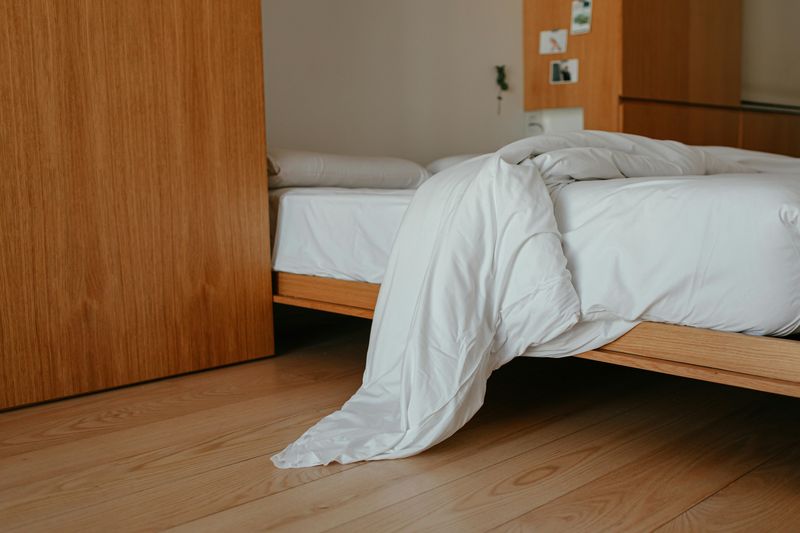
Beds that practically hug the floor had their moment, inspired by Japanese design and sleek modern aesthetics.
However, they can make a room feel weighed down and harder to navigate.
Getting in and out of an ultra-low bed becomes a workout, especially for anyone with mobility concerns.
Dust and pet hair accumulate more easily when there’s barely any space underneath.
Elevated bed frames are making a comeback because they create visual lightness and practical storage opportunities.
Raising the bed off the ground helps air circulate better and makes cleaning underneath much easier.
It also gives the room a more open, airy feeling that low platforms can’t match.
Sometimes a little height goes a long way toward comfort and style.
5. Shiplap Walls Everywhere
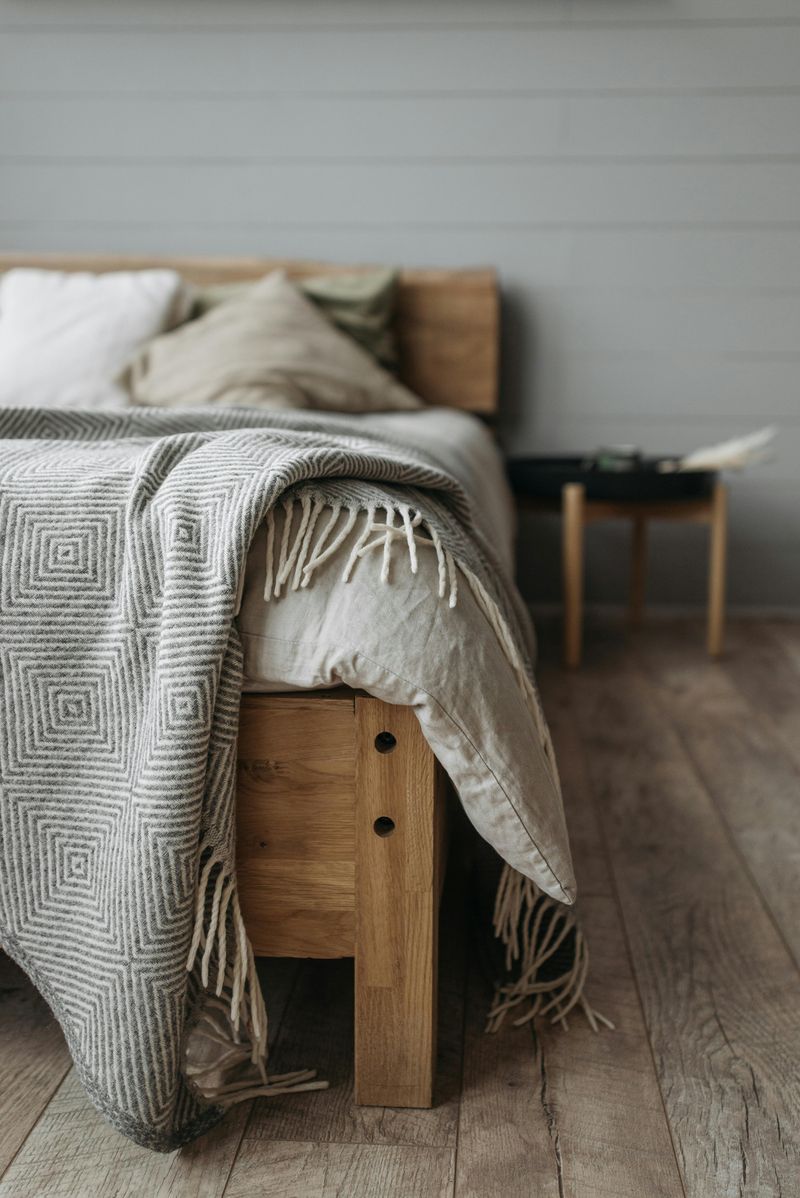
Horizontal wood planks took over bedrooms a few years back, driven by farmhouse fever and home renovation shows.
What started as a charming accent quickly became overplayed when entire rooms got covered floor to ceiling.
Shiplap now feels predictable and overdone unless it’s used sparingly and thoughtfully.
Too much wood paneling makes a room feel busy and dated rather than fresh and inviting.
Modern bedrooms are moving toward smoother textures like plaster finishes, subtle wallpaper, or simple painted walls.
If you love wood, try limiting it to one feature wall or adding it through furniture instead.
The key is restraint—less is definitely more when it comes to avoiding this played-out look.
Subtlety wins over saturation every time.
6. Over-Matching Furniture Sets
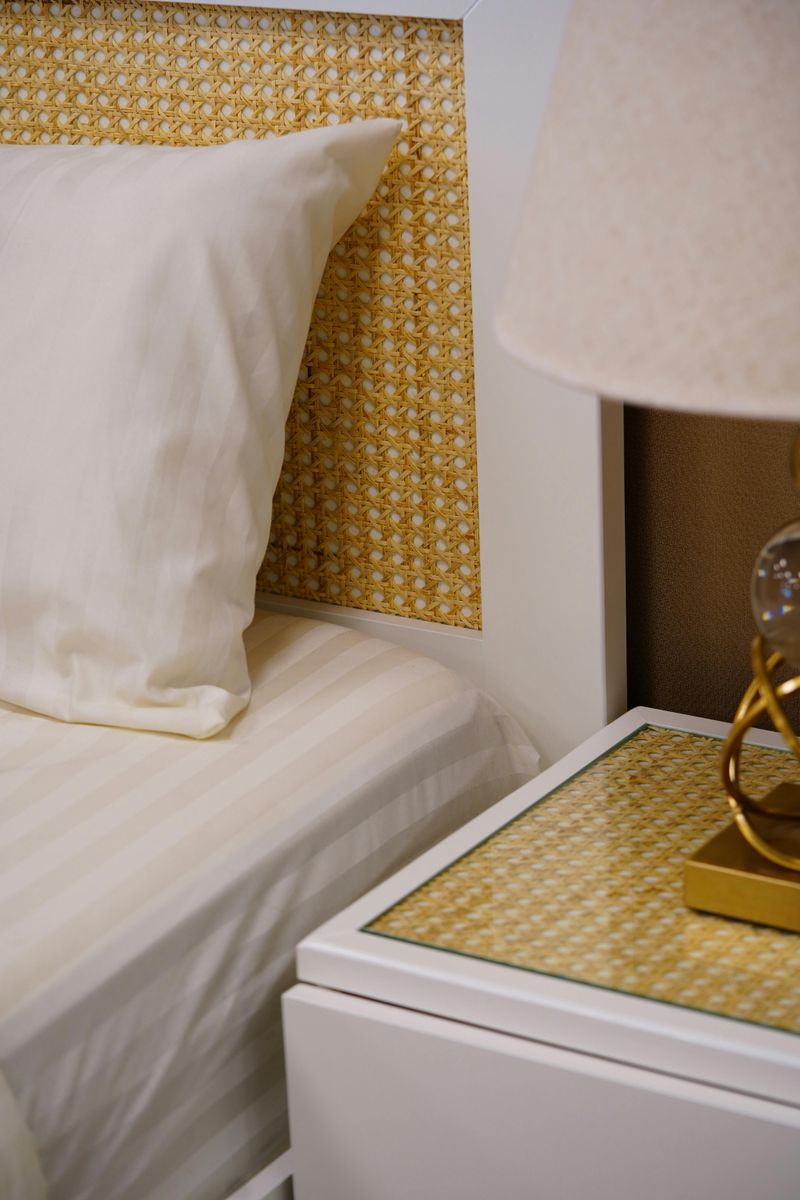
Buying a complete bedroom set where every piece matches perfectly used to be the easy choice.
But this approach creates rooms that look more like furniture store displays than personal sanctuaries.
When everything matches exactly, the space loses character and feels too predictable.
Mixing different wood tones, styles, and finishes adds visual interest and tells a story about your taste.
A vintage dresser paired with a modern bed frame creates dimension that identical pieces simply can’t achieve.
Don’t be afraid to combine sleek metal nightstands with a wooden headboard or mix painted and natural finishes.
Eclectic combinations feel collected over time rather than bought all at once.
Personality shines through when you break free from the matching set mentality.
7. Theme Bedrooms (e.g., Tropical/Boho Overload)
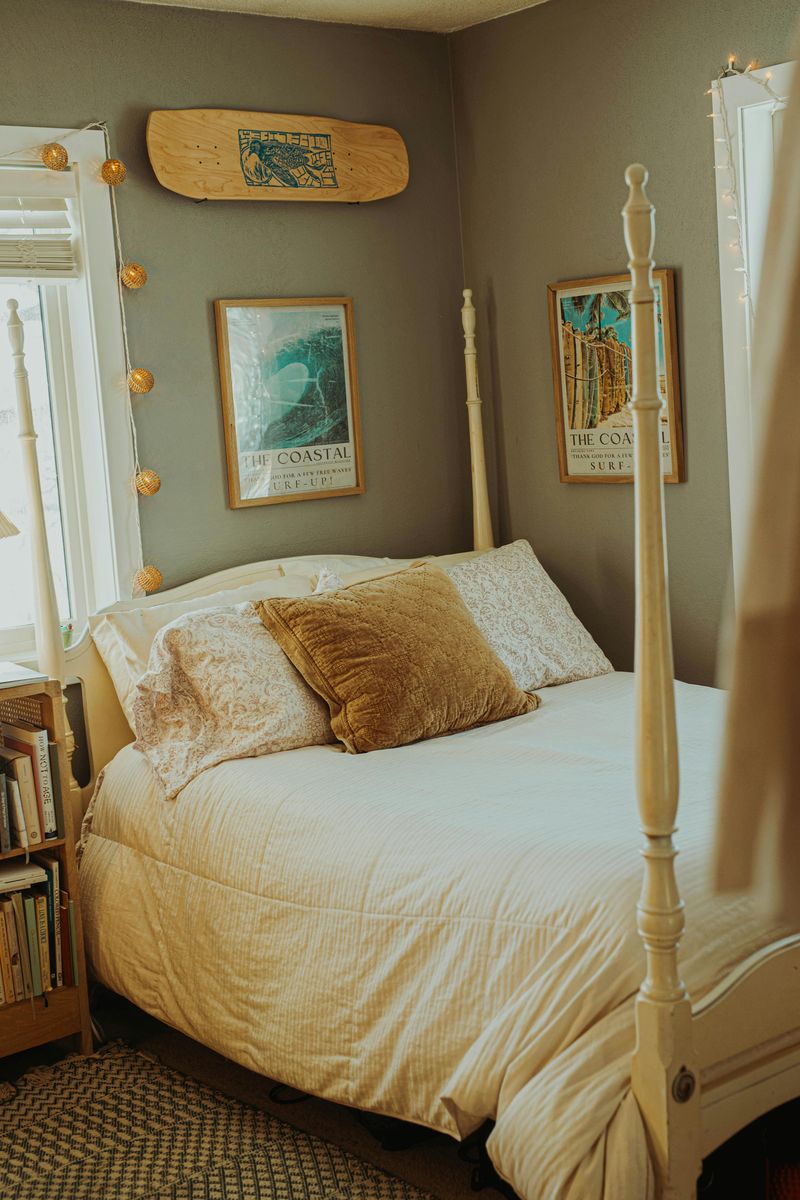
Committing fully to one design theme—whether tropical paradise or bohemian wonderland—can quickly tip into costume territory.
Rooms that scream a single aesthetic feel more like hotel lobbies than personal spaces.
Palm prints on every surface or macramé covering every wall becomes visually exhausting rather than relaxing.
The problem isn’t the style itself but the lack of balance and restraint.
Modern bedrooms embrace eclecticism, blending different influences to create something uniquely personal.
Mix a few boho elements with modern pieces or add tropical touches without going full tiki bar.
The goal is a curated look that feels authentic to you, not a catalog page come to life.
Subtlety and variety keep your bedroom interesting without feeling like a theme park.
8. Mirrored Furniture

Reflective, sparkly furniture promised to add glamour and light to bedrooms everywhere.
But the shine has literally worn off this trend as people seek grounded, natural textures instead.
Mirrored surfaces show every fingerprint and smudge, requiring constant cleaning to maintain their appeal.
They also reflect light in ways that can feel harsh rather than soothing in a sleep space.
Matte finishes, natural wood, and textured materials now dominate bedroom design because they feel more organic and calming.
If you love a bit of shine, try incorporating it through smaller accents like picture frames or lamp bases.
Going all-in on mirrored furniture dates your room faster than almost any other choice.
Subtle elegance beats flashy sparkle in today’s bedroom aesthetic.
9. Beadboard Headboards
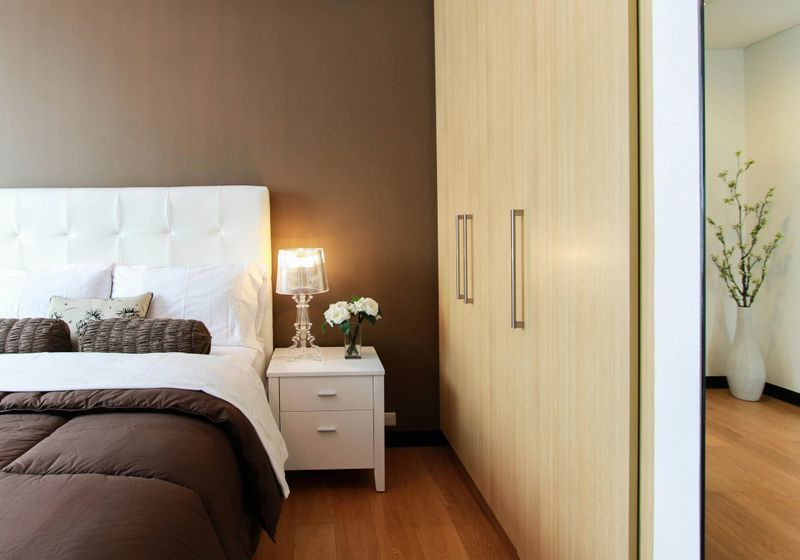
Vertical grooved paneling behind the bed felt fresh and cottage-chic earlier this decade.
But beadboard headboards have since lost their novelty and started looking a bit too predictable.
The texture can feel busy and dated compared to the cleaner lines and softer shapes trending now.
Upholstered headboards with interesting fabrics or sculptural wooden designs offer more visual interest and comfort.
Leaning into curves, padding, and unique silhouettes creates a focal point that feels current rather than stuck in the past.
If you already have beadboard, consider painting it a bold color or replacing it with fabric panels.
The bedroom deserves a headboard that makes a statement without feeling like yesterday’s news.
Fresh design choices keep your sleep space feeling modern and inviting.
10. Excessive Accent Walls
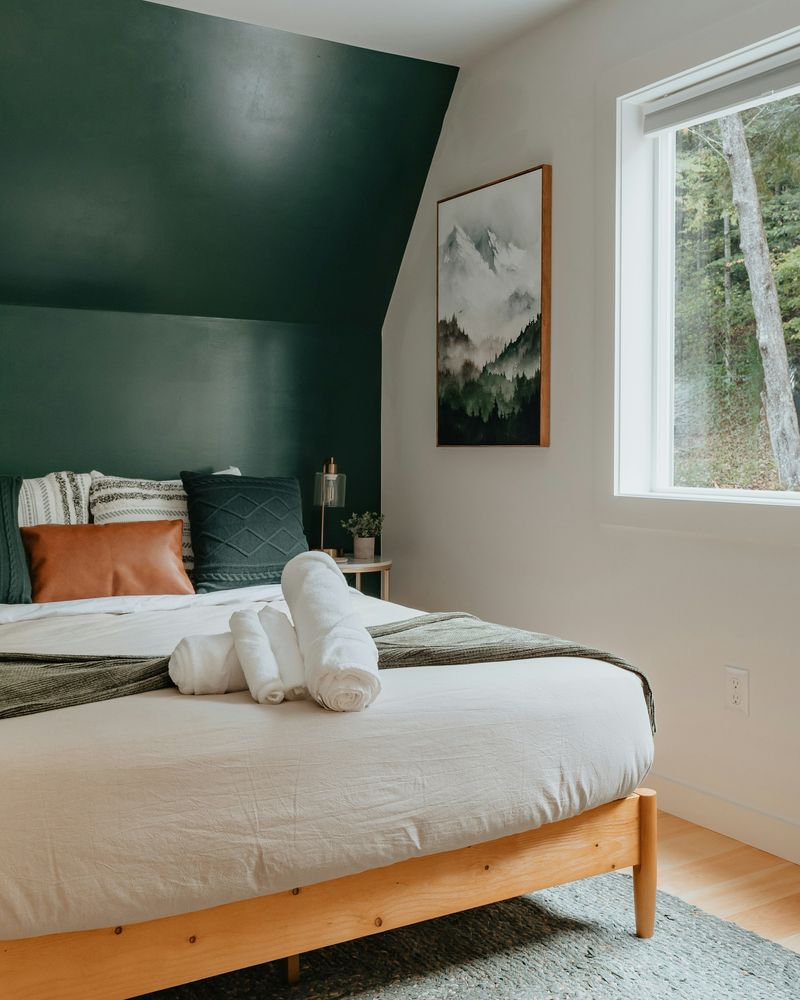
Painting one wall a completely different bold color used to be the go-to way to add drama.
But this approach often creates imbalance rather than interest, making the room feel lopsided.
A single screaming wall can overpower everything else and make the space feel smaller instead of more dynamic.
Today’s bedrooms favor cohesive, whole-room color schemes that flow naturally without jarring contrasts.
Subtle variations in tone or adding color through furniture and textiles creates harmony without the heavy-handed accent wall effect.
If you want dimension, try using different shades of the same color family on all walls.
Or bring in pattern through wallpaper used thoughtfully rather than one loud painted surface.
Balance and flow create bedrooms that feel intentional, not like a paint sample gone rogue.