 MomSkoop

Understanding human behavior can help us build better relationships and communicate more effectively. Sometimes, the way people act reveals feelings they’re trying to hide, especially when it comes to insecurity.
Men, in particular, often mask their vulnerabilities with certain behaviors that seem confident on the surface but actually show deeper worries. Recognizing these patterns can help you understand the men in your life better and respond with empathy.
1. Putting Down Other People

Ever notice someone who always has something negative to say about others? Making fun of people or criticizing them constantly is a red flag for insecurity. By bringing others down, insecure men try to lift themselves up in comparison.
This behavior creates a false sense of superiority. When you feel small inside, making others seem smaller can temporarily ease that discomfort. Unfortunately, this approach damages relationships and prevents genuine self-improvement. Real confidence doesn’t require diminishing anyone else’s light to shine brighter.
2. Constantly Talking About Achievements

When someone brings up their accomplishments in nearly every conversation, they might be seeking validation. Men who feel unsure about their worth often use their achievements as proof that they matter. They need others to recognize their success because they struggle to feel good about themselves without external praise.
This behavior can become exhausting for listeners. Instead of genuine connection, conversations turn into highlight reels. The constant need to impress reveals a fear of being seen as ordinary or unsuccessful, which stems from deep-seated insecurity about personal value.
3. Overreacting to Criticism

Constructive feedback should help us grow, but some men respond to any criticism with anger or defensiveness. This explosive reaction happens because the criticism confirms their worst fears about themselves. They already doubt their abilities, so hearing someone point out a flaw feels like an attack.
Secure individuals can accept feedback without feeling personally threatened. They separate their identity from their mistakes. Men who overreact to criticism haven’t developed this skill yet. Their self-worth feels so fragile that any negative comment seems like it might shatter their entire sense of self completely.
4. Avoiding Vulnerability at All Costs

Sharing feelings requires courage, but insecure men often build walls instead. They avoid deep conversations, dismiss emotions as weakness, and never admit when they’re struggling. This protective barrier keeps others at a distance because letting people in feels too risky.
Behind this tough exterior lives someone afraid of rejection. If nobody sees the real you, nobody can judge or abandon you, right? Wrong. This strategy backfires by preventing meaningful connections. True strength involves being honest about your feelings, not hiding them behind an impenetrable shield of false toughness and emotional unavailability.
5. Comparing Themselves to Others Constantly
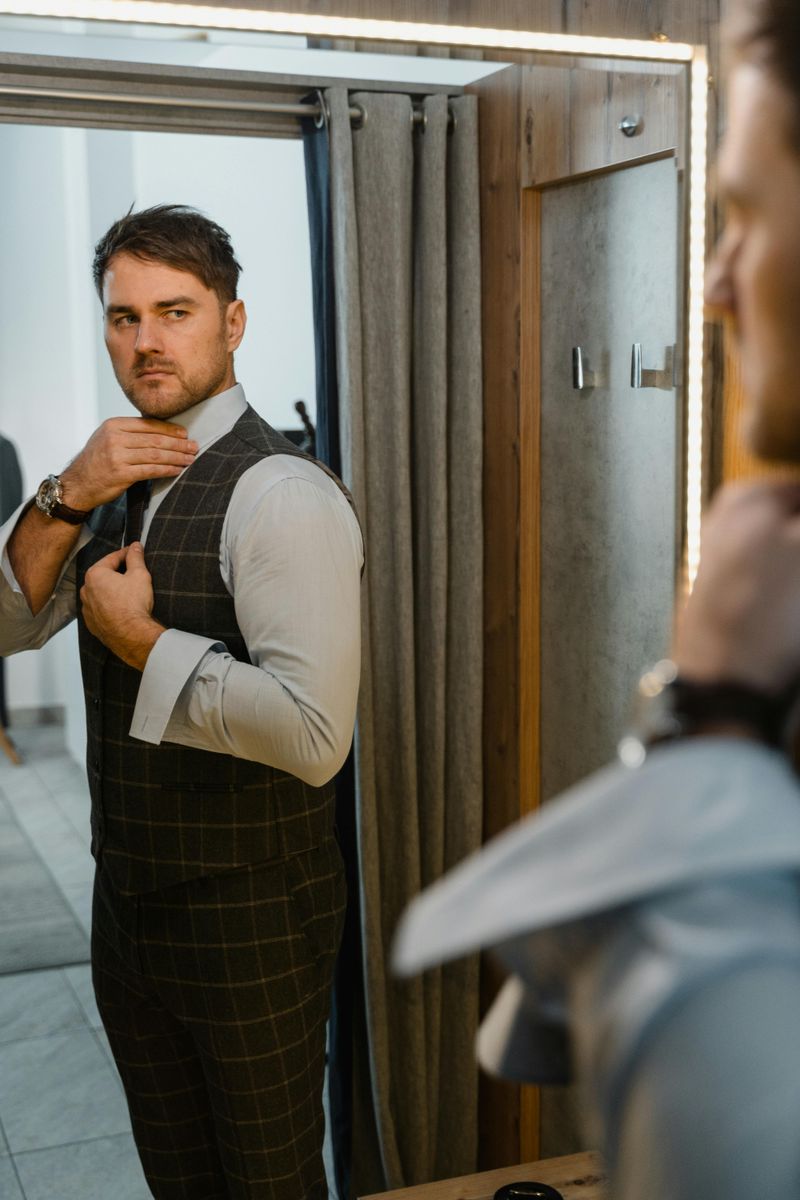
Social media makes comparison easier than ever, and insecure men fall into this trap frequently. They measure their success, appearance, and lifestyle against everyone around them. This constant comparison creates a never-ending cycle of dissatisfaction because someone always has more.
Men stuck in comparison mode can’t celebrate their own progress. They’re too busy worrying about how they stack up against others. Did you know? Research shows that frequent social comparison increases anxiety and depression. Breaking free from this pattern requires focusing on personal growth rather than external competition and validation from strangers.
6. Needing to Always Be Right

Arguments with someone who refuses to admit mistakes can be incredibly frustrating. Men with hidden insecurities often turn every disagreement into a battle they must win. Admitting error feels like admitting weakness, so they argue endlessly even when evidence proves them wrong.
This behavior stems from tying self-worth to being correct. If they’re wrong about something, they fear it means they’re worthless overall. Healthy individuals understand that making mistakes is human and doesn’t diminish their value. The inability to say “I was wrong” reveals someone terrified of appearing imperfect or incompetent to others.
7. Bragging About Romantic Conquests

Guys who constantly talk about their dating life or exaggerate romantic experiences often feel insecure about their masculinity. They believe that having multiple partners proves their worth as men. This outdated thinking equates sexual conquest with value, which creates shallow relationships.
Behind the bragging sits someone worried they don’t measure up to masculine stereotypes. They seek approval from peers through these stories. Real confidence doesn’t require broadcasting intimate details or using people as trophies. Men secure in themselves value meaningful connections over collecting stories to impress others with their supposed romantic prowess and appeal.
8. Displaying Aggressive Competitiveness

Friendly competition can be fun, but some men turn everything into a serious contest that they must dominate. Whether playing board games, sports, or even casual activities, they become intensely aggressive about winning. Losing triggers disproportionate anger or sulking.
This extreme competitiveness masks fears of inadequacy. If they’re not the best at everything, they worry they’re failures. Secure men can enjoy activities without needing to crush everyone else. They understand that losing doesn’t define them. The guy who flips the Monopoly board after losing? He’s showing you his insecurity through his inability to handle not being number one.
9. Obsessing Over Physical Appearance
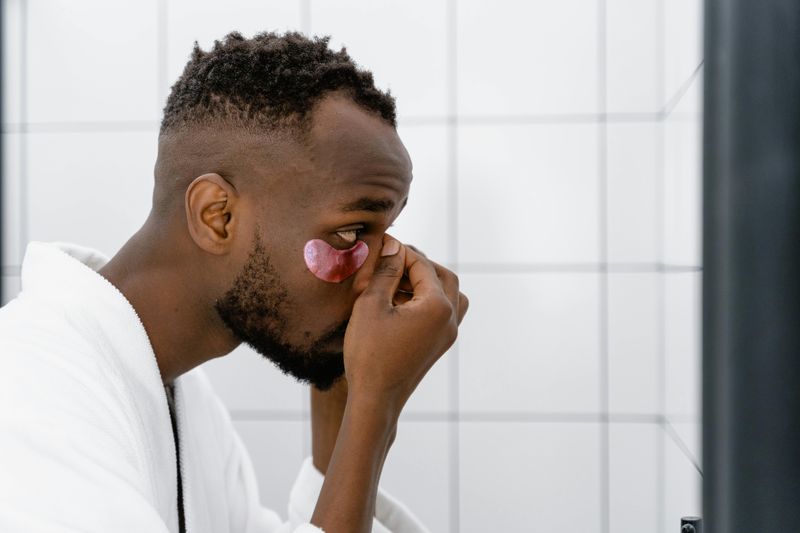
Taking care of your appearance is healthy, but obsessing over it signals insecurity. Men who spend excessive time worrying about their muscles, hair, clothes, or weight often tie their entire self-worth to their looks. They believe they’re only valuable if they’re physically attractive.
This fixation can lead to unhealthy behaviors like extreme dieting or excessive exercise. Society’s pressure on men to look a certain way fuels these insecurities. While self-care matters, men secure in themselves understand that appearance is just one small part of who they are. Their value extends far beyond what they see reflected in the mirror each morning.
10. Name-Dropping and Status Seeking

Listen carefully, and you’ll notice some men frequently mention important people they know or expensive things they own. This name-dropping and status-seeking behavior screams insecurity. They hope that associating with successful people or owning luxury items will make them seem important, too.
Unfortunately, borrowed significance never fills the void inside. Men who rely on external status symbols haven’t developed internal confidence. They fear that without these props, people will see them as ordinary or unimpressive. Genuine confidence comes from knowing your worth regardless of possessions or connections. It’s about who you are, not what you have or who you know intimately.
11. Controlling Behavior in Relationships

Relationships should involve trust and mutual respect, but insecure men often become controlling instead. They monitor their partner’s activities, isolate them from friends, or make all the decisions. This behavior stems from a deep fear of abandonment or betrayal.
Control feels like protection to them. If they can control everything, nothing bad will happen, right? Actually, this approach destroys relationships and pushes partners away. Men secure in themselves trust their partners and don’t need to micromanage every aspect of the relationship. Controlling behavior reveals someone terrified of losing what they have because they don’t believe they deserve love anyway.
12. Refusing to Ask for Help

Some men would rather struggle endlessly than ask for help with anything. Whether it’s directions, emotional support, or practical assistance, they refuse to admit they need anyone. This stubbornness comes from believing that needing help makes them weak or less capable.
Society teaches many men that self-sufficiency equals strength. However, everyone needs help sometimes, and recognizing that takes real courage. Men who can’t ask for assistance often suffer unnecessarily because their pride won’t allow vulnerability. Secure individuals understand that accepting help doesn’t diminish them. It actually shows wisdom to recognize your limitations and seek support when needed for success.