 MomSkoop

Every relationship has its ups and downs, but some patterns can make things a lot harder than they need to be. Certain habits or behaviors, often without us even realizing it, can push a partner away or create constant tension.
Understanding these traits is not about pointing fingers — it is about growing and building healthier connections. If any of these sound familiar, it might be a great chance to reflect and make positive changes.
1. The Constant Critic

Nobody enjoys being picked apart, especially by someone who is supposed to be in their corner.
When criticism becomes a daily habit rather than occasional feedback, it slowly chips away at a partner’s confidence and sense of safety in the relationship.
Small comments about how he dresses, talks, or handles things might seem minor at first, but they add up fast.
Healthy relationships thrive on encouragement, not constant correction.
Learning to express concerns with kindness and choosing your battles wisely can completely change the energy in a relationship.
Ask yourself: are you trying to help, or are you trying to control?
2. Always Needing the Final Say

Some people have a natural need to be in charge, and while confidence is attractive, controlling every decision is exhausting for everyone involved.
From choosing where to eat to making big life choices without input, this habit leaves a partner feeling invisible and unimportant.
Relationships are partnerships, and both people deserve a voice.
Micromanaging your partner’s choices sends a message that you do not trust them — and that stings.
Sharing decision-making, even on small things, builds mutual respect and teamwork.
Try letting your partner take the lead sometimes.
You might be surprised how good it feels to share the wheel.
3. Nothing Is Ever Her Fault

Accountability is one of the most attractive qualities a person can have — and its absence is one of the most damaging.
When something goes wrong and the automatic response is to find someone else to blame, it creates a cycle that never leads to real solutions.
Partners end up walking on eggshells, afraid that any mistake will somehow become their fault too.
Owning your part in a conflict, even just a little, shows emotional maturity and builds trust.
Nobody is perfect, and that is completely okay.
What matters is being willing to say, “I got that wrong,” and meaning it.
4. Jealousy Running the Show

A little jealousy now and then is pretty normal — it can even show that someone cares.
But when jealousy starts driving every conversation, checking phones, questioning friendships, and demanding explanations for every hour of the day, it becomes a serious problem.
This level of insecurity can feel suffocating to a partner who has done nothing wrong.
Jealousy often comes from deep-seated fears about not being enough, which is something worth exploring with compassion.
Building self-confidence and trust are the real antidotes here.
A relationship built on suspicion is like a house built on sand — it will not hold up for long, no matter how much love is there.
5. Running From Commitment
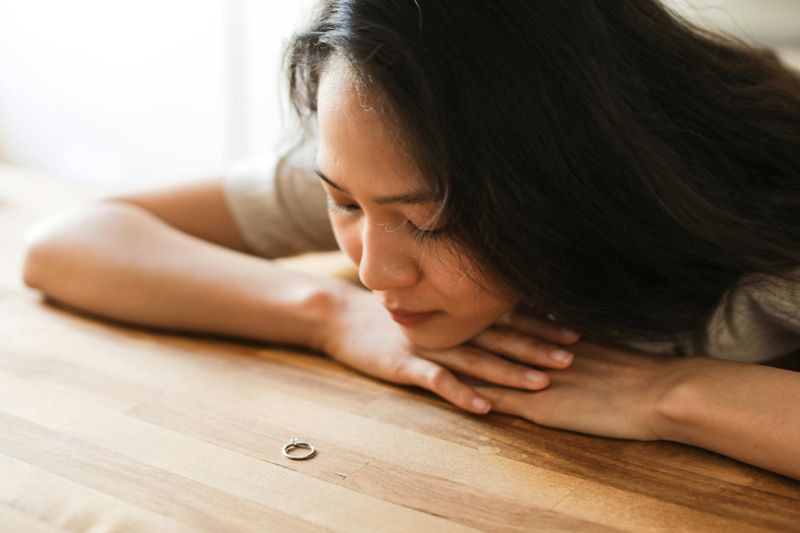
Getting close to someone is scary, and not everyone moves at the same pace — that is completely understandable.
However, when a woman consistently avoids labels, shuts down future conversations, or pulls away every time things get serious, it leaves her partner feeling confused and emotionally stranded.
Commitment does not mean losing your independence; it means choosing to grow with someone.
Fear of getting hurt often hides behind commitment issues, and that fear deserves to be addressed honestly.
Talking openly about what you need and what you fear can make a huge difference.
A partner who feels met halfway is far more likely to stay and feel secure.
6. Living for the Drama

Some people feel most alive when there is chaos swirling around them — and while that might work for reality TV, it does not work well in a real relationship.
Turning small disagreements into full-blown battles, or stirring up conflict just to feel something, wears a partner down over time.
Constant drama creates emotional exhaustion, and eventually, people start to wonder if the relationship is worth the chaos.
Healthy conflict resolution is a skill worth learning.
Not every disagreement needs to become a scene.
Choosing peace over performance is one of the most powerful things you can do for a relationship’s long-term health and happiness.
7. Walls That Will Not Come Down

Emotional availability is the heartbeat of any close relationship.
When a woman builds walls so high that her partner cannot reach her feelings, it creates a deep sense of loneliness — even when both people are in the same room.
Shutting down during tough conversations or refusing to share what is really going on inside can feel like rejection to a partner who genuinely wants to connect.
Opening up is vulnerable, and vulnerability takes courage.
But without it, real intimacy is nearly impossible to build.
Even small steps, like sharing one honest feeling a day, can slowly soften those walls and invite the kind of closeness that makes a relationship truly meaningful.
8. Stuck Under a Rain Cloud

Negativity is contagious — and so is positivity.
When a woman consistently focuses on what is wrong, expects the worst, or dismisses good moments with a cynical comment, it drains the joy out of a relationship faster than almost anything else.
Partners who try hard to make things good eventually feel like their efforts are pointless.
A gloomy outlook can stem from past pain, anxiety, or burnout, all of which deserve care and attention.
Shifting perspective does not mean pretending everything is perfect; it means choosing to notice the good alongside the hard.
Gratitude, even in small doses, can genuinely change the mood of a relationship over time.
9. Getting What She Wants Through Guilt

Guilt trips, silent treatments, and emotional ultimatums might get results in the short term, but they poison a relationship slowly over time.
When manipulation becomes the go-to tool for getting needs met, it destroys the trust and safety that healthy relationships depend on.
Partners begin to feel managed rather than loved, and that is a lonely, frustrating place to be.
Most of the time, manipulation comes from a place of feeling powerless or afraid to ask directly for what is needed.
Learning to communicate needs clearly and honestly is a game-changer.
Asking for what you want with confidence and kindness is far more effective than pulling emotional strings.
10. The Center of Every Conversation

Everyone wants to feel seen and heard in a relationship — that is a basic human need.
But when one person consistently dominates every conversation, redirects attention back to themselves, or shows little interest in their partner’s life, it creates a major imbalance.
Over time, the other person starts to feel like a supporting character in someone else’s story rather than an equal partner.
Real connection happens when both people feel genuinely curious about each other.
Asking questions, actively listening, and celebrating your partner’s wins are small habits that build enormous emotional closeness.
Sharing the spotlight is not a loss — it is actually how the relationship gets stronger and more fulfilling for both people.