 MomSkoop
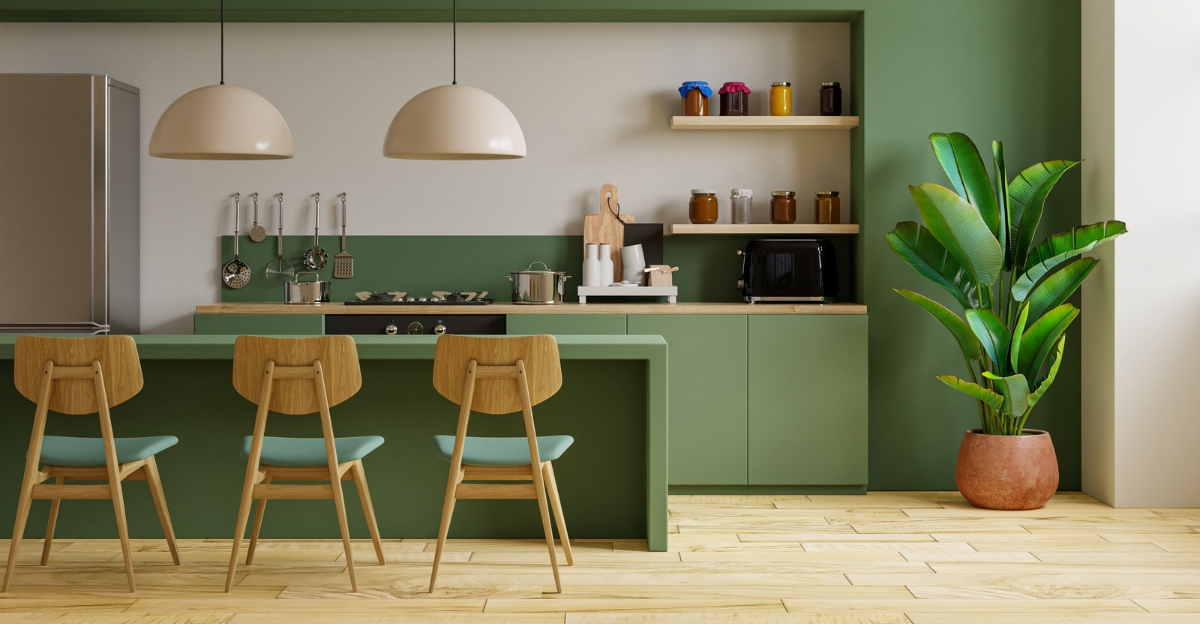
Your kitchen should work for you, not against you.
Small, thoughtful changes can transform your daily cooking routine from frustrating to effortless.
Whether you’re rushing through breakfast or preparing family dinner, smart adjustments help you move faster, stay organized, and enjoy the process more.
1. Design Around Your Real Cooking Style
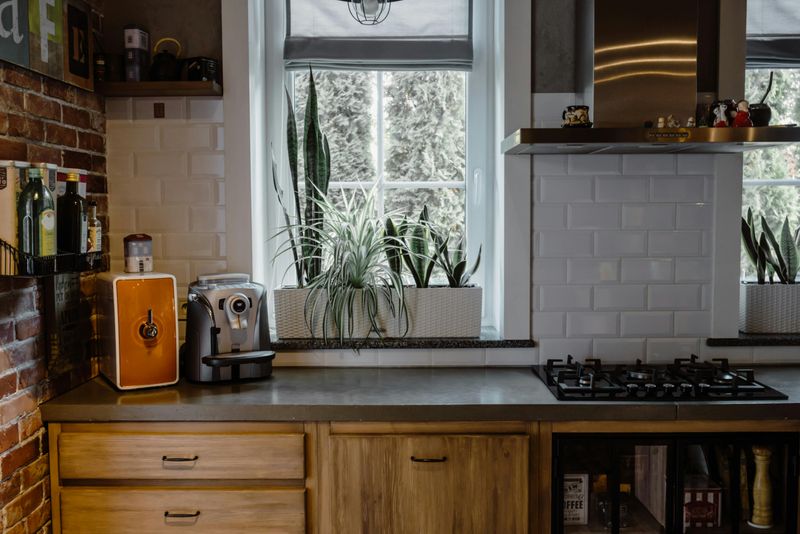
Think about how you actually use your kitchen every day.
Do you grab quick snacks and heat leftovers, or do you spend hours baking and chopping?
Your space should match those habits, not just look pretty.
When you arrange everything based on your real routine, cooking becomes smoother.
Someone who meal-preps once a week needs different storage than someone making fresh meals daily.
Honest self-assessment beats following trendy layouts that don’t fit your life.
Start by tracking what you do most often for a week.
Then rearrange tools, appliances, and storage to support those activities first.
2. Master the Work Triangle or Zone Layout
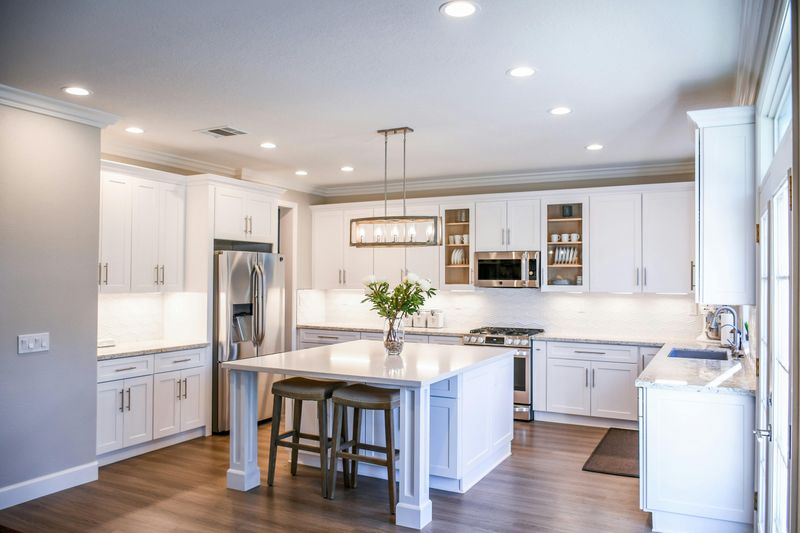
Picture an invisible triangle connecting your sink, stove, and refrigerator.
Keeping these three spots close together cuts down on endless back-and-forth trips while cooking.
Professional chefs have used this trick for decades because it simply works.
Modern kitchens sometimes use zones instead—grouping related tasks in specific areas.
Either way, the goal stays the same: less walking, more cooking.
You want everything within a few comfortable steps, not across the room.
Measure the distances between your main work areas.
If you’re constantly trekking ten feet for every ingredient, consider rearranging to save those precious minutes.
3. Create Dedicated Functional Zones
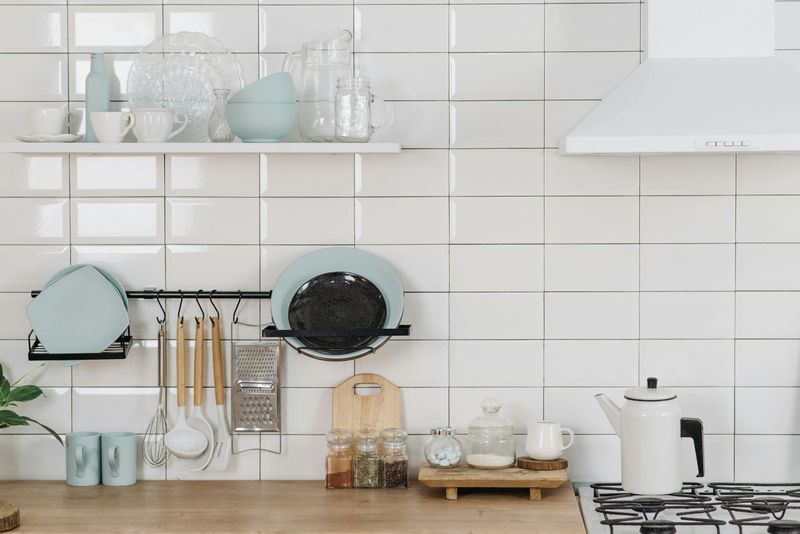
Imagine having a spot just for chopping, another for cooking, and a separate area for cleaning.
When everything has its own zone, you never waste time hunting for the right tool.
Knives live near the cutting board, pots sit close to the stove, and dish soap stays by the sink.
This setup feels natural once you try it.
Your brain stops working so hard to remember where things are because the logic becomes obvious.
Prep ingredients flow naturally to cooking, then to plating.
Map out your kitchen tasks and assign each one a home base with its necessary tools nearby.
4. Optimize Countertop Height and Ergonomics
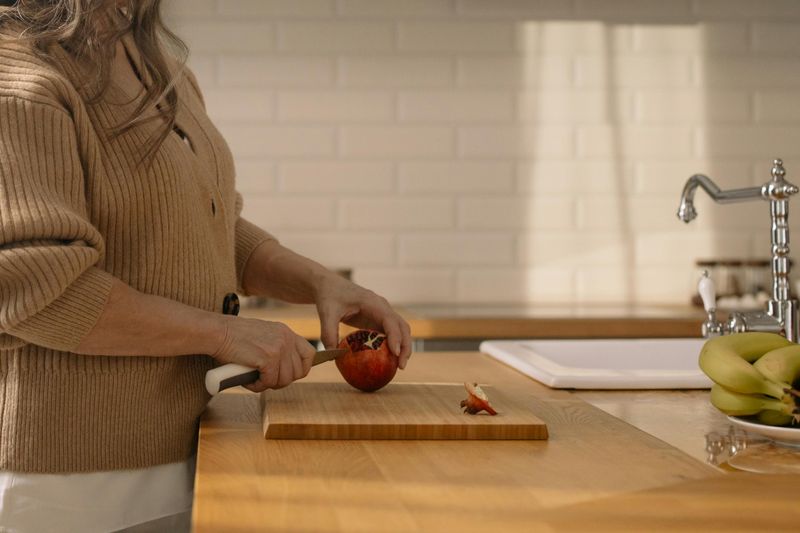
Ever notice your back aching after chopping vegetables for twenty minutes?
Standard counter heights don’t fit everyone, and working at the wrong level strains your body unnecessarily.
Taller folks hunch over, while shorter people stretch awkwardly.
Adjustable-height sections or choosing the right counter level for your build prevents pain and fatigue.
You’ll work faster when comfortable, and you won’t dread lengthy cooking projects.
Some kitchens even include varied heights for different tasks.
Test your comfort by standing naturally at your counter with arms bent at ninety degrees.
Your hands should rest comfortably on the surface.
5. Place Everyday Items Within Easy Reach
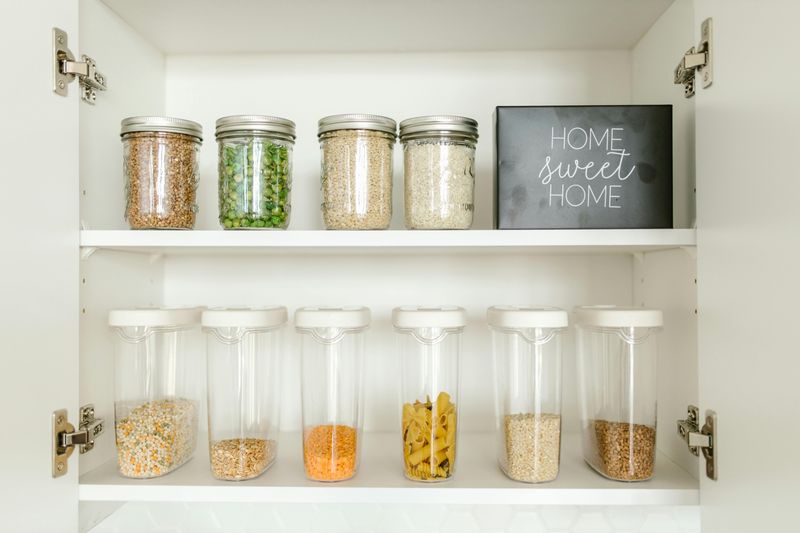
Why climb on a stepstool for the coffee mug you use every morning?
Store items you grab daily at eye and waist level—no stretching, no bending, no hassle.
Reserve those hard-to-reach upper cabinets for holiday platters and fancy serving dishes you touch twice a year.
This simple switch saves countless seconds throughout your day.
Multiply those seconds across weeks and months, and you’ve saved real time.
Plus, you reduce the risk of dropping things or straining muscles.
Do a quick audit of what you use most and relocate those items to prime real estate in your cabinets.
6. Install Task-Based Layered Lighting
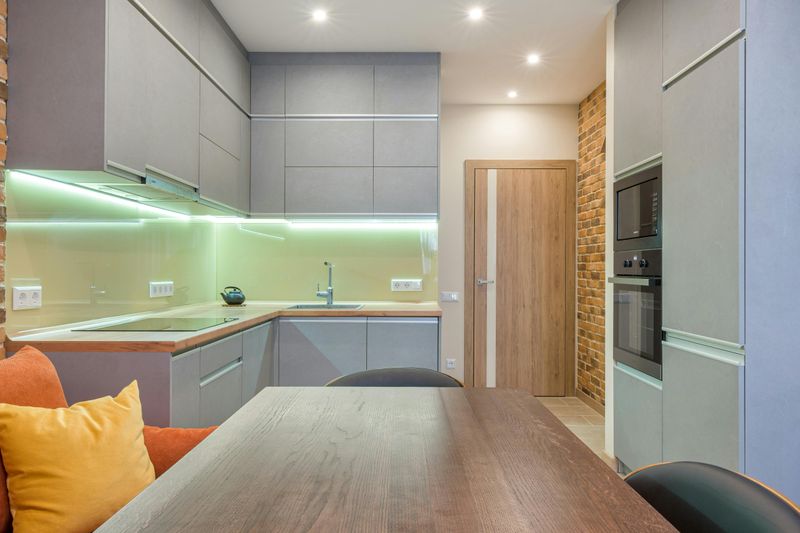
Chopping onions under dim lighting is both dangerous and annoying.
Bright, focused lights over your prep and cooking areas make every task easier and safer.
You’ll spot that tiny bone in the fish or notice when vegetables are perfectly browned.
Combine task lighting with softer ambient lights for a kitchen that works at any time of day.
Under-cabinet LEDs illuminate countertops brilliantly, while pendant lights add style and function over islands.
Dimmer switches let you adjust the mood for different activities.
Add focused lighting wherever you do detailed work, and watch your cooking confidence grow.
7. Design Efficient Storage and Declutter Surfaces
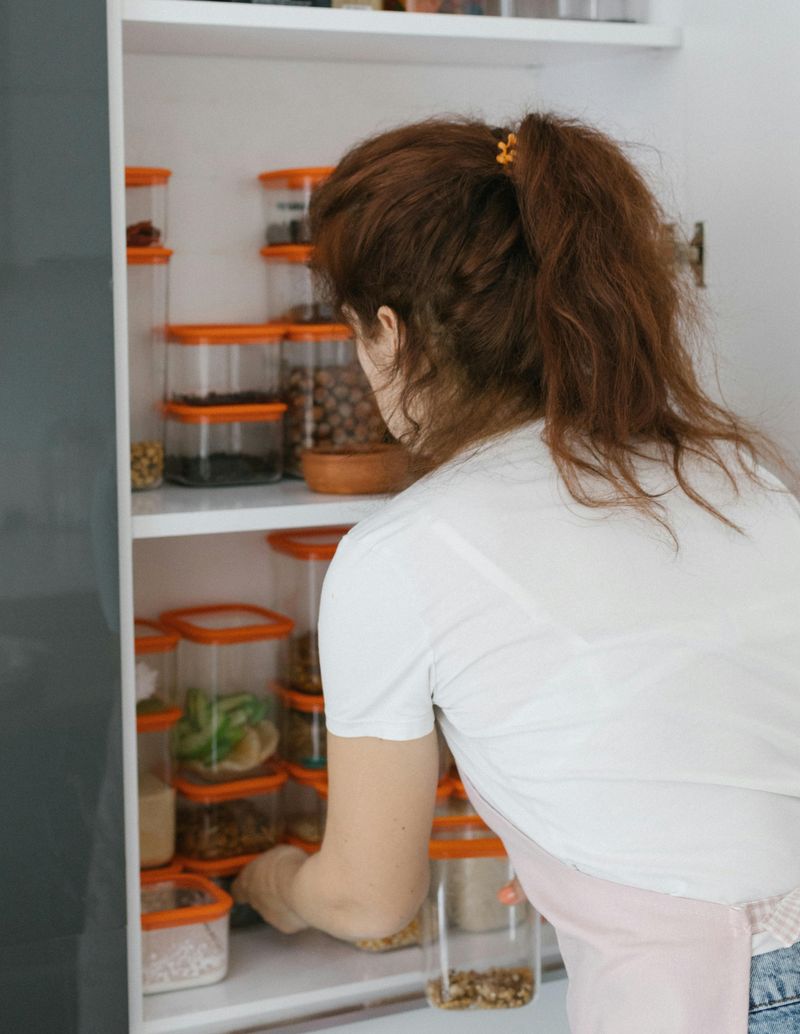
Clear countertops aren’t just prettier—they give you actual workspace.
When every inch is covered with appliances, mail, and random stuff, cooking becomes a frustrating game of finding room to work.
Smart storage keeps essentials hidden but accessible.
Vertical organizers, deep drawers instead of cabinets, and pull-out shelves maximize every inch.
You’ll find what you need faster, and cleaning takes half the time.
Less visual clutter also reduces mental stress.
Start by clearing everything off your counters, then only return what you truly use daily.
Find proper homes for the rest inside cabinets or drawers.
8. Plan Workflow to Minimize Wasted Steps
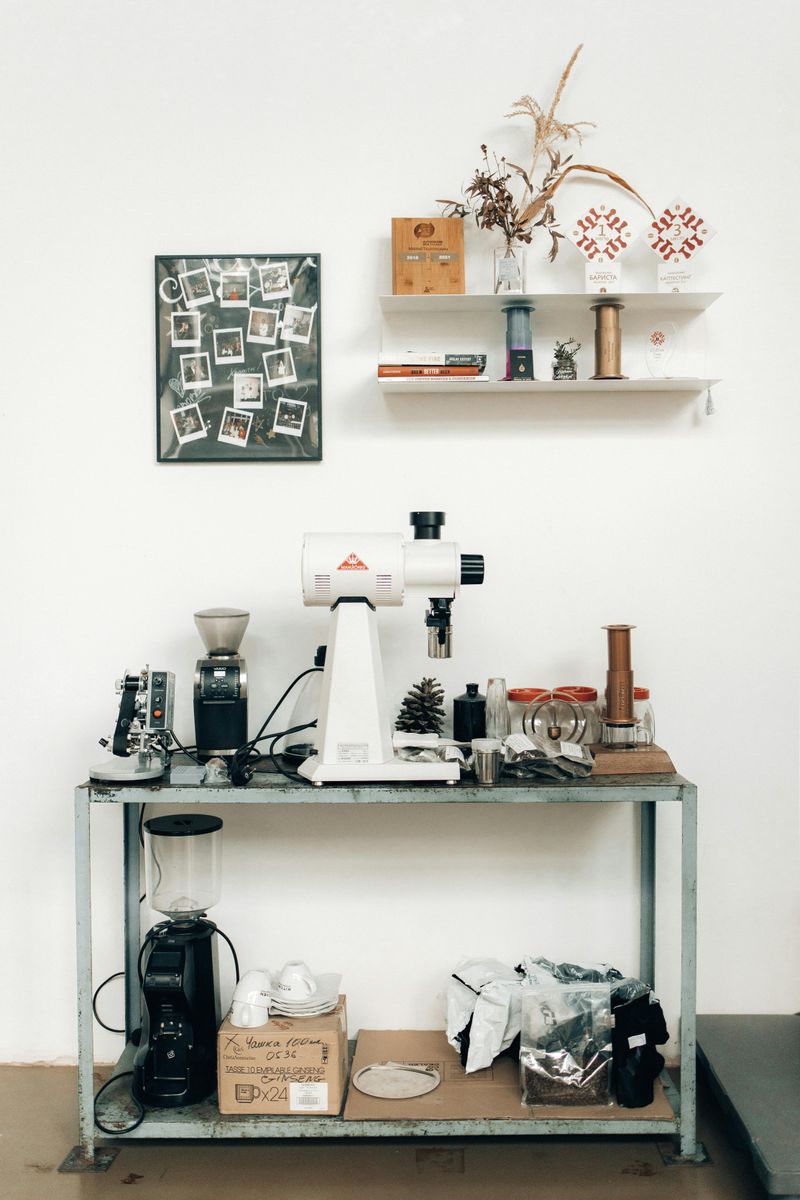
Setting up your coffee maker across the room from your mugs and sugar makes zero sense, yet many kitchens have these weird disconnects.
Group related items and tasks together so you’re not zigzagging constantly.
Your morning coffee station should include everything needed in one spot.
Think through your typical cooking sequence and arrange tools to match that flow.
If you always start by washing produce, keep colanders and cutting boards near the sink.
Logical groupings feel almost magical once in place.
Observe yourself cooking one meal and note everywhere you walk unnecessarily.
Rearrange to eliminate those extra trips.
9. Adapt Layout for Multiple Cooks or Solo Use

Does your partner always bump into you while cooking?
Or maybe you cook alone and don’t need tons of space?
Kitchens should match how many people actually use them simultaneously.
Families with multiple cooks need wider aisles and separate work zones to avoid collisions.
Solo cooks benefit from compact, efficient layouts where everything sits within arm’s reach.
There’s no single perfect design—only what works for your household.
Honest assessment of your cooking dynamics prevents frustration.
Consider who cooks in your home and how often you’re in the kitchen together.
Adjust spacing and zones accordingly for smooth cooperation or efficient solo work.
10. Choose Easy-Clean Materials and Surfaces
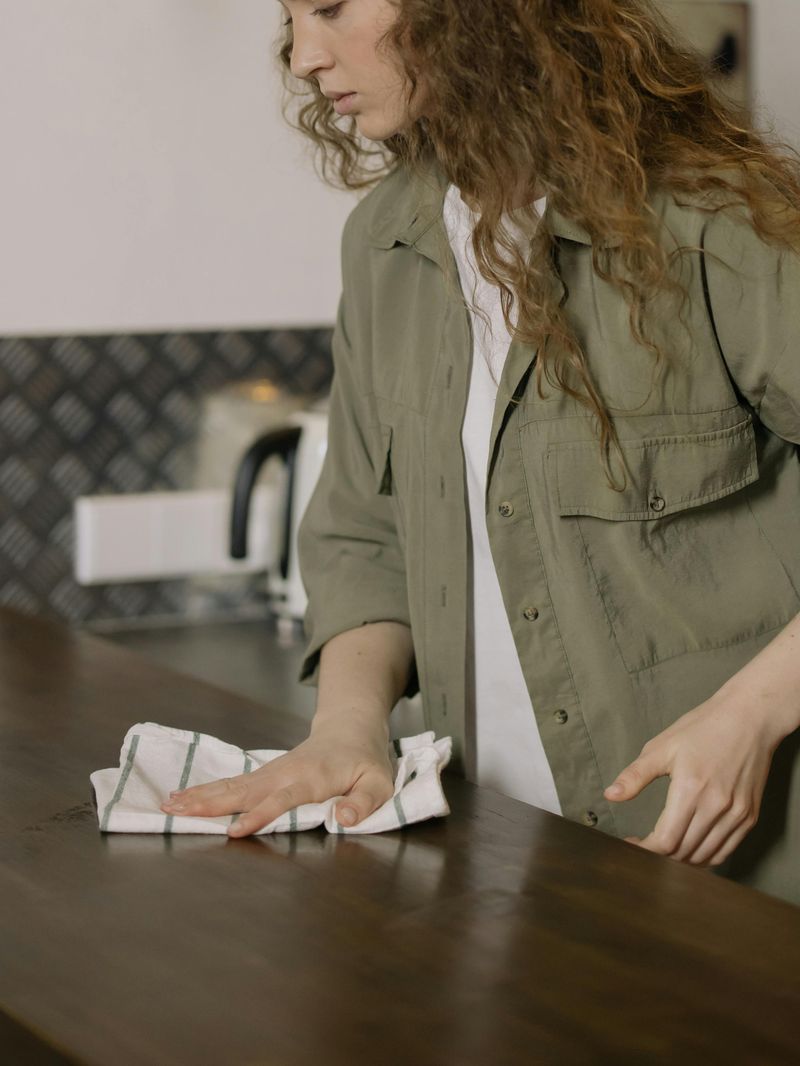
Fancy textured cabinets might look interesting, but they trap grease and grime in every crevice.
Smooth surfaces wipe clean in seconds, keeping your kitchen fresh without endless scrubbing.
Quartz countertops, glossy cabinets, and glass backsplashes resist stains and handle spills gracefully.
Materials matter more than most people realize.
Porous surfaces absorb stains, while sealed or non-porous options stay beautiful with minimal effort.
You’ll spend less time cleaning and more time enjoying your kitchen.
When choosing finishes, run your hand over samples and imagine wiping up spaghetti sauce.
Pick whatever feels easiest to maintain for your lifestyle and cleaning preferences.