 MomSkoop

Being a good guest is one of those social skills that can make or break your relationships with friends and family. Most people want to be welcoming hosts, but certain habits can make that job a lot harder than it needs to be.
Whether you realize it or not, some everyday behaviors might be coming across as rude or disrespectful in someone else’s space. Knowing what to avoid can help you become the kind of guest everyone is happy to invite back.
1. Entering Without Removing Shoes When Expected
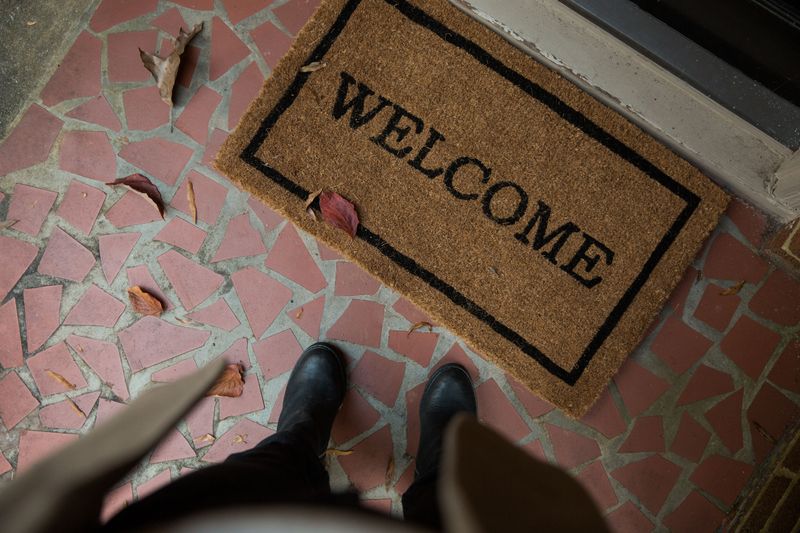
Picture this: you walk into a friend’s freshly cleaned home wearing shoes that have been on every sidewalk and parking lot imaginable.
Even if nothing looks dirty, the germs and grime on the soles of your shoes can spread across floors quickly.
Many households, especially those with young children or cultural traditions around cleanliness, expect guests to remove shoes at the door.
If you see a shoe rack or a pile of shoes near the entrance, that is a clear signal.
When unsure, simply ask your host.
Offering to remove your shoes shows respect for their home and the effort they put into keeping it clean and comfortable for everyone.
2. Opening the Refrigerator or Cabinets Without Asking
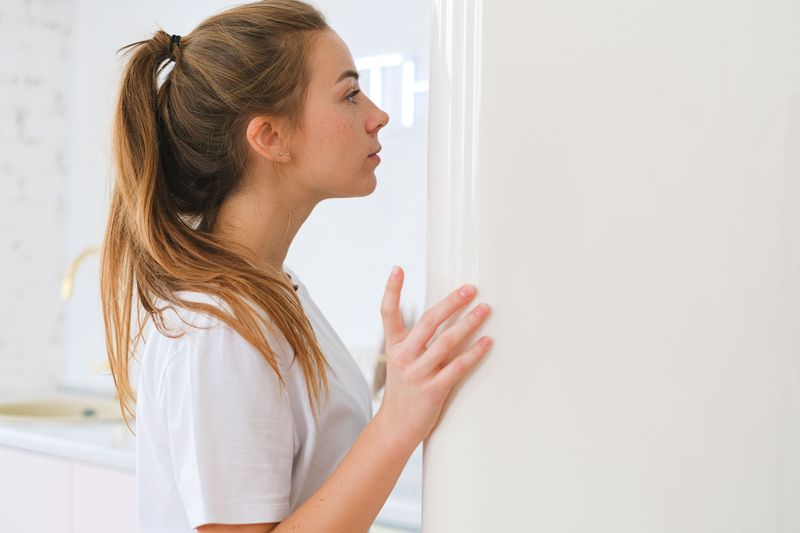
Helping yourself to someone’s fridge without asking might feel casual and comfortable, but it can catch a host completely off guard.
Food in someone’s home is personal.
They may be saving leftovers for a meal, watching a tight grocery budget, or simply not expecting anyone to rummage through their kitchen.
Even close friendships do not automatically come with fridge privileges.
Unless your host has specifically told you to make yourself at home in the kitchen, it is best to wait until something is offered.
If you are genuinely hungry or thirsty, just ask.
Most hosts are happy to get you something.
Asking first shows that you respect their space and their boundaries without making things awkward.
3. Showing Up Significantly Late Without Letting the Host Know
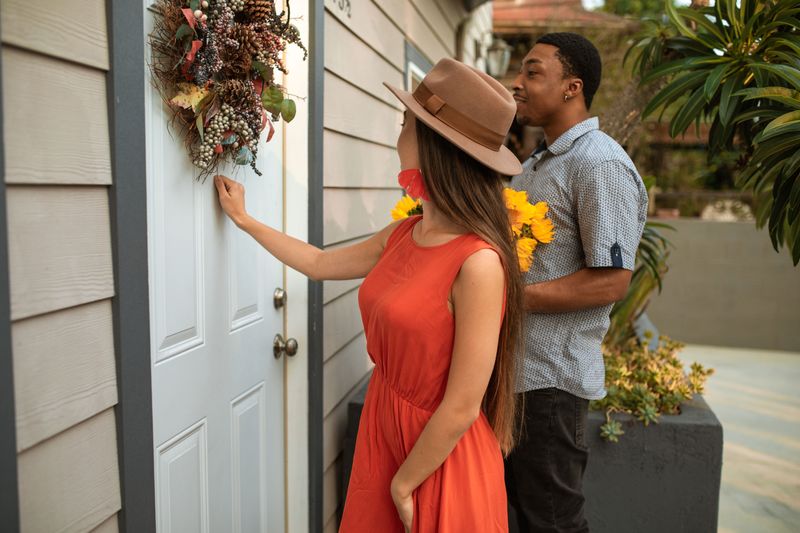
Running late happens to everyone, but disappearing without a heads-up is a different story entirely.
When a host prepares food, cleans the house, and organizes their schedule around your arrival time, showing up an hour late with no warning can throw everything off.
Hosts may worry something happened to you, or they may feel their effort was not worth your time.
Either way, it puts a damper on what was supposed to be an enjoyable visit before it even starts.
A quick text message takes less than thirty seconds and makes a world of difference.
Letting someone know you are running behind shows that you value their time just as much as your own.
4. Leaving a Mess in Shared Spaces

Nobody expects guests to scrub floors or do the laundry, but leaving a trail of messes behind is a habit that can wear out your welcome fast.
Used cups left on coffee tables, food crumbs on the couch, and wet towels dropped on the bathroom floor are small things that add up quickly for the person who has to clean them up later.
Shared spaces like living rooms, bathrooms, and kitchens are used by everyone in the home.
Treating them with care shows basic respect for the people who live there.
Tossing your trash, rinsing your dishes, and tidying up after yourself takes very little effort.
Those small actions leave a lasting, positive impression on your host.
5. Using Your Phone Constantly During a Visit
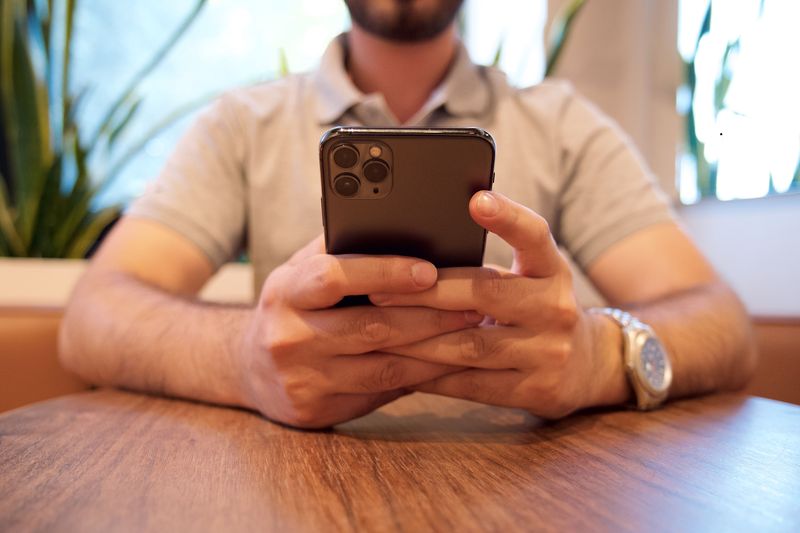
There is something quietly insulting about scrolling through your phone while someone is trying to spend time with you.
When a host invites you over, they are offering their time, energy, and space.
Spending most of that visit with your eyes glued to a screen sends a message that you would rather be somewhere else.
Sure, checking your phone occasionally is perfectly normal.
But constant scrolling, texting, or watching videos during a visit can make a host feel invisible and unappreciated.
Try putting your phone face-down or in your pocket for stretches of the visit.
Being genuinely present in conversation creates real connection and makes the time you spend together actually meaningful for both of you.
6. Criticizing the Food, Decor, or House
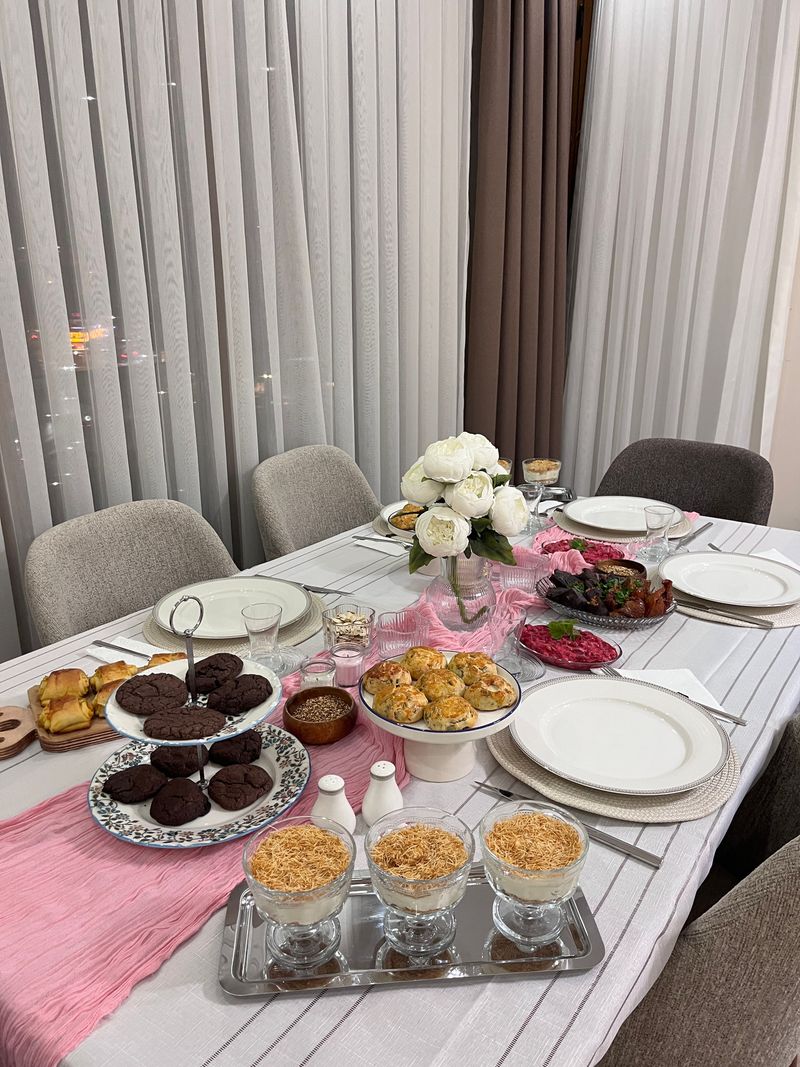
Opinions are fine to have, but voicing every critical thought while you are a guest in someone’s home crosses a line most people feel but rarely say out loud.
Commenting that the food is bland, the furniture is outdated, or the house feels cramped can sting deeply, even if you meant it as harmless observation.
A person’s home reflects their taste, their budget, and often years of effort.
Criticizing it, even casually, can feel like a personal attack on who they are.
If something genuinely does not suit your taste, keeping that thought to yourself is the kindest choice.
Complimenting what you do enjoy about the space, the meal, or the atmosphere goes a long way toward making your host feel appreciated and valued.
7. Bringing Uninvited Guests Along

Showing up with extra people nobody knew were coming can flip a carefully planned gathering upside down.
The host may have prepared just enough food, arranged seating for a specific number, or simply wanted a small and quiet visit.
Surprise additions can stretch all of those plans beyond their limits.
Beyond the logistics, bringing along uninvited guests assumes a level of comfort and permission that has not been given.
It puts the host in the uncomfortable position of either accommodating more people than expected or feeling like the bad guy for not being thrilled about it.
Always check with your host before bringing anyone extra.
A simple message asking if it is okay takes seconds and prevents an awkward situation at the door.
8. Ignoring House Rules, Such as Those for Pets or Smoking
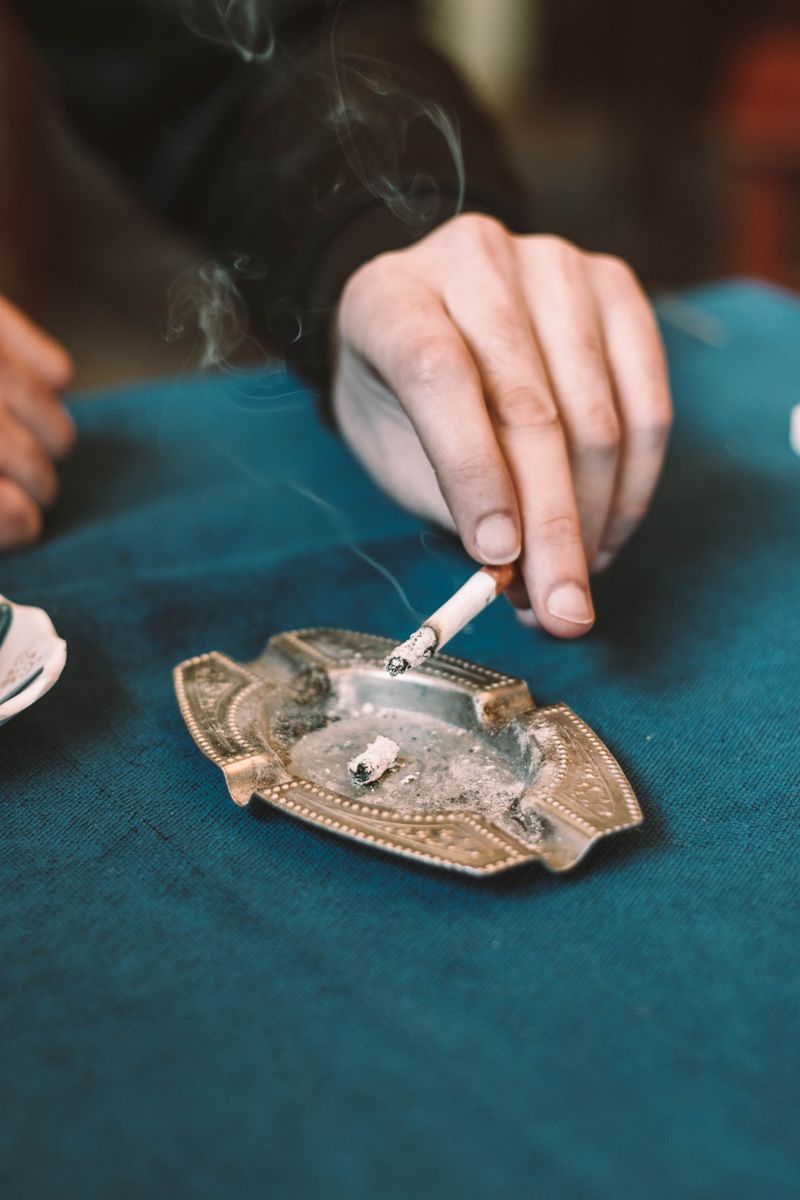
Every home has its own rhythm and its own set of rules.
Some households have strict no-smoking policies.
Others have pets with specific boundaries, or areas where kids are not allowed to bring food.
These rules exist for real reasons, whether health-related, safety-based, or simply personal preference.
Ignoring these guidelines, even once, can create real tension.
Lighting up indoors, letting a dog on the furniture when asked not to, or allowing children to run through off-limit rooms shows a lack of respect for the host’s boundaries.
Before your visit, it helps to ask if there is anything you should be aware of.
And if a house rule is mentioned, honor it without debate.
Respecting someone’s rules is a basic form of courtesy.
9. Staying Long After the Visit Has Clearly Ended
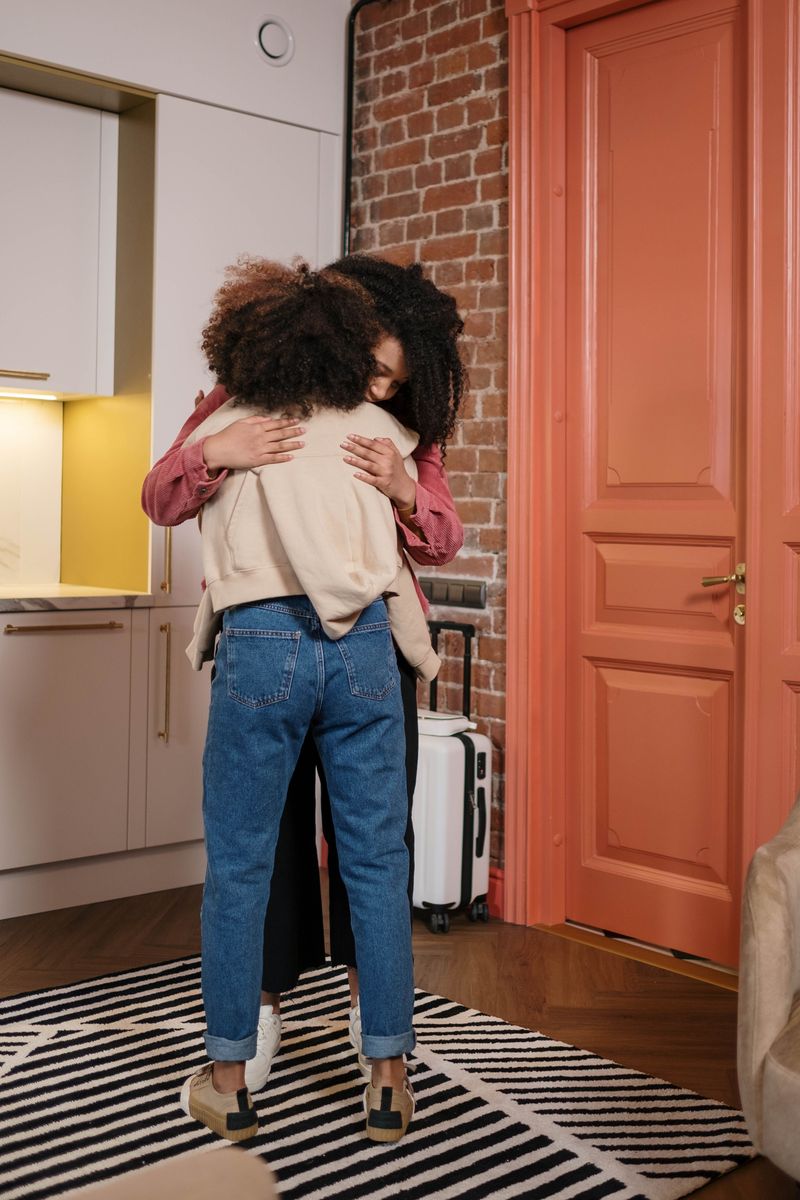
Reading social cues is a skill, and one of the most important ones when visiting someone’s home.
When a host starts cleaning up, turns off background music, or mentions how early they have to wake up tomorrow, those are not subtle hints.
They are polite signals that the visit is winding down.
Overstaying your welcome, even with the best intentions, can leave a host feeling exhausted and trapped in their own home.
They may feel too polite to say anything directly, which makes the situation even more uncomfortable for them.
Pay attention to the energy in the room.
When things start to slow down and your host seems ready to wind down for the night, wrapping up the visit graciously is always the right call.
10. Helping Yourself to Food or Drinks Without Permission

There is a big difference between being told to make yourself at home and actually treating someone else’s home like your own.
Grabbing snacks from the pantry, pouring drinks without being offered, or finishing off the last of something without asking can feel presumptuous and even a little disrespectful.
Hosts often have plans for specific food or drinks, whether it is a bottle saved for a special occasion or ingredients for the next day’s meal.
Taking without asking disrupts those plans in ways you may not even realize.
Waiting to be offered is the polite move.
And if you are hungry or thirsty and nothing has been offered yet, asking is completely acceptable.
A quick question shows consideration without making anyone feel put on the spot.