 MomSkoop
Women face countless intrusive questions in everyday conversations that cross personal boundaries. Some questions seem harmless on the surface but carry judgmental undertones that make women uncomfortable.
Understanding which topics to avoid helps create more respectful and meaningful interactions with the women in your life.
1. When Are You Getting Married?
Marriage timelines belong to the individual, not to nosy acquaintances or even well-meaning relatives.
Asking this question assumes marriage should be everyone’s ultimate goal, which simply isn’t true for many women today.
Some women prioritize careers, education, or personal growth before considering marriage.
Others may have no interest in marriage at all, and that’s completely valid.
The question also puts unnecessary pressure on women who are in relationships, making them feel like their current status isn’t good enough.
Single women may feel judged or pitied when asked repeatedly.
Instead of asking about marriage plans, try celebrating where someone is right now in their journey.
Respect that everyone moves at their own pace through life’s milestones.
2. When Are You Going to Have Kids?

Image Credit: © Laura Garcia / Pexels
Family planning is deeply personal and involves complex considerations that strangers and casual friends shouldn’t probe into.
Financial stability, health concerns, career goals, and personal preferences all factor into this major life decision.
Many couples face fertility struggles that make this question particularly painful to hear.
Others have chosen to remain child-free and face constant judgment for their choice.
The question implies that having children is mandatory for a fulfilling life.
It dismisses the many other ways women contribute to society and find meaning.
Women already face enough societal pressure about motherhood without fielding questions from everyone they meet.
Focus conversations on interests, achievements, and current happiness instead of reproductive plans.
3. Why Don’t You Have Children?

Image Credit: © J carter / Pexels
This variation hits even harder than asking when someone will have kids. It demands an explanation for a choice that requires no justification to anyone.
Behind this question could be painful stories of miscarriage, infertility treatments, or medical conditions preventing pregnancy.
Some women have experienced traumatic losses they’d rather not discuss with casual acquaintances.
Others simply prefer a child-free lifestyle and shouldn’t need to defend that decision.
Not everyone dreams of parenthood, and that doesn’t make them selfish or incomplete.
The question carries an accusatory tone that suggests something is wrong with the woman being asked.
Recognize that countless valid reasons exist for not having children, and none require sharing.
4. How Old Are You?

Image Credit: © Kindel Media / Pexels
Age becomes a sensitive topic for many women because society judges them harshly based on numbers.
Women face ageism in workplaces, dating scenes, and social situations far more intensely than men typically do.
Asking someone’s age often serves no practical purpose in casual conversation.
The question can feel like an assessment rather than genuine curiosity.
Women worry about being dismissed as too young and inexperienced or too old and irrelevant.
These concerns stem from real discrimination they’ve witnessed or experienced personally.
Unless age is genuinely relevant to the situation, skip this question entirely.
Judge people by their character, accomplishments, and how they treat others instead of arbitrary numbers that reveal little about who they truly are inside.
5. How Much Do You Weigh?
Image Credit: © Andres Ayrton / Pexels
Weight remains one of the most inappropriate questions you can ask anyone, particularly women who face constant scrutiny about their bodies.
The number on a scale reveals nothing about health, fitness level, or worth as a person.
Many women struggle with eating disorders, body dysmorphia, or complicated relationships with food and weight.
This question can trigger anxiety, shame, or harmful behaviors.
Society bombards women with unrealistic beauty standards and diet culture messaging from childhood.
Asking about weight reinforces the harmful idea that a woman’s value connects to her size.
Even when asked without malicious intent, the question makes most women deeply uncomfortable.
Compliment someone’s energy, style, or accomplishments instead of commenting on their physical appearance or demanding numbers.
6. Are You Pregnant?

Image Credit: © MART PRODUCTION / Pexels
Never, ever ask this question unless the woman explicitly tells you she’s expecting.
Getting it wrong creates mortifying situations for everyone involved, especially the woman whose body you just critiqued.
Women’s bodies naturally fluctuate in size and shape due to hormones, bloating, weight changes, or simply how clothing fits on a particular day.
Assuming pregnancy based on appearance is insulting and hurtful.
Some women have recently given birth and still carry pregnancy weight.
Others may have medical conditions causing abdominal swelling that they’d prefer not to discuss publicly.
The question also invades privacy for women who are pregnant but haven’t announced yet.
Wait for them to share their news when they feel ready and comfortable doing so.
7. Why Are You Still Single?

Image Credit: © Marcus Aurelius / Pexels
Single women hear this question constantly, as if being unpartnered represents some kind of failure or mystery to solve.
The phrasing implies something must be wrong with them.
Many women actively choose singlehood because they enjoy independence, are focused on personal goals, or simply haven’t met someone worth compromising their peace for.
Being single doesn’t mean being lonely or incomplete.
Others have experienced heartbreak, divorce, or toxic relationships and are taking time to heal.
Some are dating casually without rushing into commitment, which is perfectly healthy.
The question reduces women to their relationship status rather than seeing them as whole individuals.
Celebrate your single friends for who they are instead of treating them like they’re missing something essential.
8. What Work Have You Had Done?
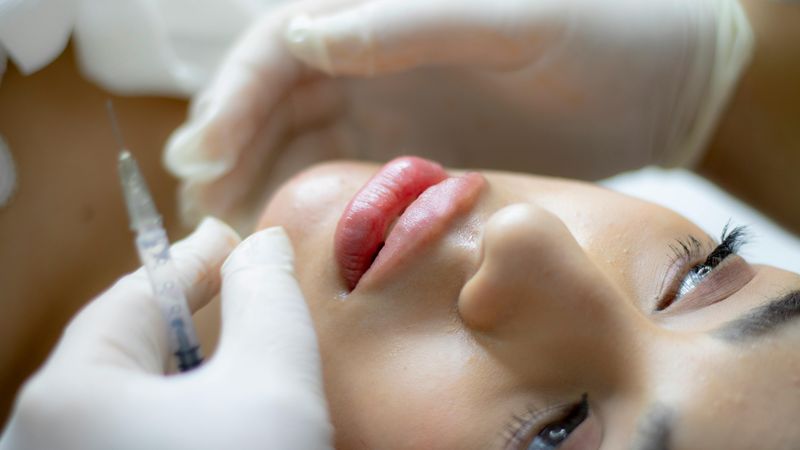
Image Credit: © Youssef Labib / Pexels
Asking about cosmetic procedures is incredibly rude and invasive, regardless of how curious you might be.
Medical decisions remain private, and women don’t owe anyone explanations about their appearance choices.
Some women have had reconstructive surgery after accidents or medical treatments.
Others use cosmetic procedures to address insecurities that deeply affected their mental health and confidence.
The question suggests that looking good must mean something artificial happened rather than crediting genetics, skincare routines, or healthy lifestyles.
It backhanded compliments while invading boundaries.
Whether someone has had work done or not, commenting on it makes them self-conscious.
Keep observations about people’s appearances to yourself unless offering genuine, unconditional compliments that don’t demand explanations.
9. Is That Your Real Hair, Face, or Body?
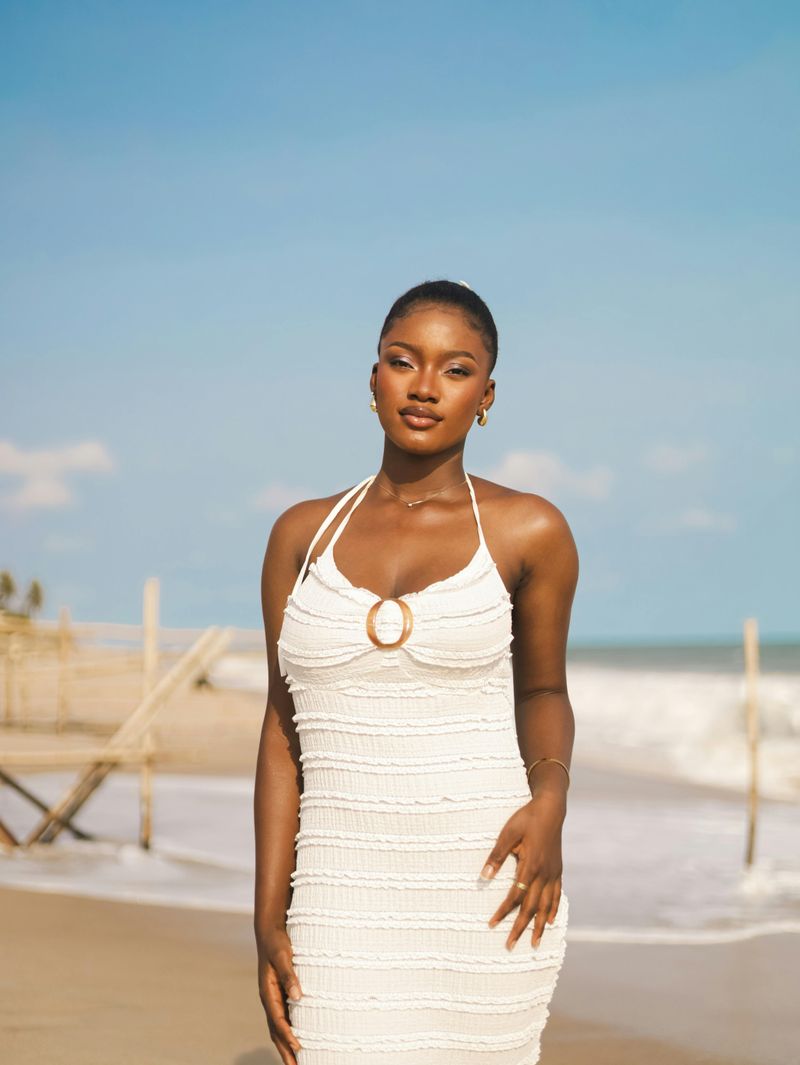
Image Credit: © Paul Uchechukwu / Pexels
Questioning the authenticity of someone’s appearance is disrespectful and implies they’re somehow being deceptive.
Women use makeup, hairstyles, shapewear, and fashion to express themselves creatively.
Hair extensions, wigs, makeup techniques, and styling choices are personal decisions that harm nobody.
Calling out these choices in public embarrasses women and polices how they present themselves.
The question often targets women of color, particularly Black women whose natural hair textures face discrimination and skepticism.
This adds racist undertones to already inappropriate behavior.
Everyone curates their appearance to some degree, and there’s nothing wrong with that.
Appreciate how someone looks without investigating which parts are natural versus enhanced through products or techniques.
10. Why Are You So Emotional?

Image Credit: © Karola G / Pexels
Dismissing women as overly emotional is a tired stereotype used to invalidate their legitimate feelings and concerns.
Having emotions doesn’t make someone irrational or less credible.
Men express anger, frustration, and passion regularly without being called emotional.
Women face this accusation when showing any feeling beyond quiet contentment, which is completely unfair.
The question shuts down important conversations by attacking the messenger instead of addressing the message.
It’s a manipulation tactic that makes women doubt their own perceptions and reactions.
Emotions are human, not feminine weaknesses.
They provide valuable information about situations and relationships that deserve acknowledgment.
Listen to what women are saying instead of criticizing how they’re saying it.