 MomSkoop

First impressions matter more than most people realize. Small style mistakes can quietly hurt how others see you, even when you think everything looks fine.
The good news is that fixing these common errors doesn’t require a complete wardrobe overhaul or expert fashion knowledge. Simple adjustments can make a huge difference in how polished and put-together you appear.
1. Wearing Clothes That Are Too Big or Too Tight

Fit matters more than brand names or price tags.
When your shirt sleeves hang past your wrists or your pants bunch up around your ankles, it doesn’t matter how expensive they were.
Clothes that are too loose make you look sloppy and unpolished, while overly tight garments can appear uncomfortable and restrict your movement.
Most men fall into one extreme or the other without realizing how much it affects their overall appearance.
A tailor can adjust most items for under twenty dollars, transforming average pieces into custom-looking outfits.
Shoulders should sit at your natural shoulder line, sleeves should end at your wrist bone, and pants should have minimal bunching.
Proper fit creates clean lines that flatter your body shape.
2. Ignoring Footwear
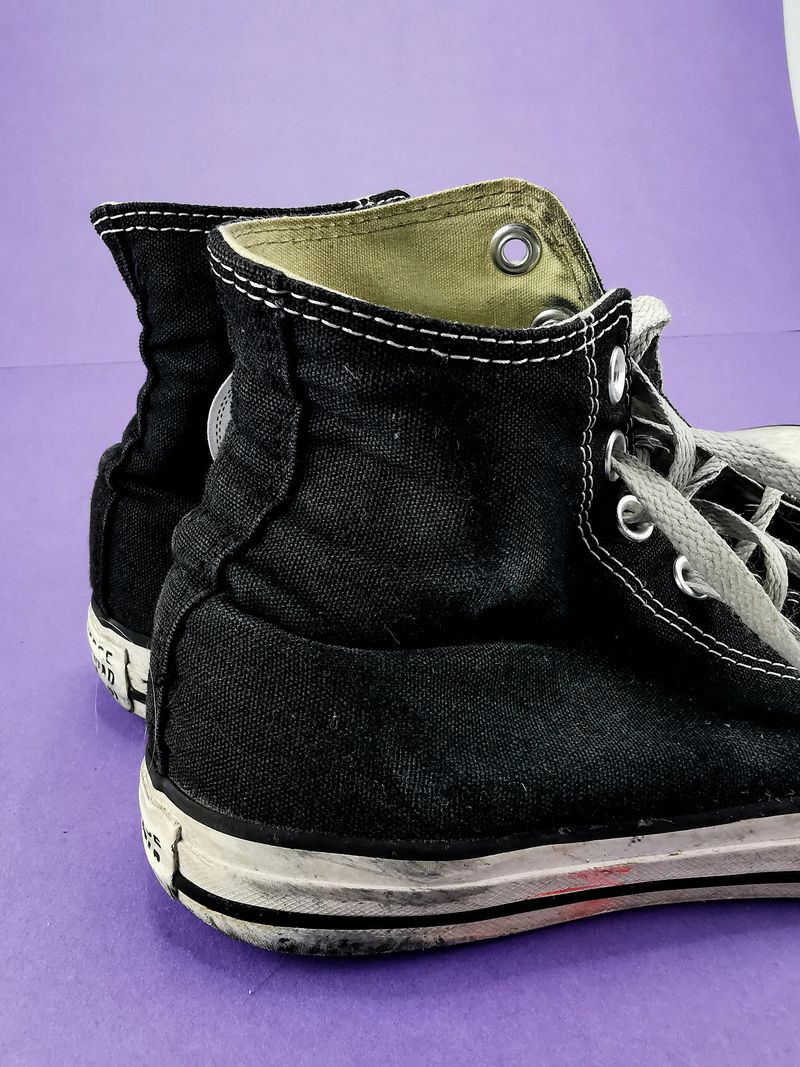
People notice shoes more than you think.
Scuffed leather, worn-down heels, and dirty sneakers send a message that you don’t pay attention to details.
Your footwear connects your entire outfit to the ground, literally completing your look from head to toe.
Even a sharp suit loses its impact when paired with beat-up shoes that haven’t seen polish in months.
Different occasions call for different shoe styles, and wearing athletic sneakers to a business meeting or formal event undermines your credibility.
Keep at least three pairs in rotation: casual sneakers, dress shoes, and something in between.
Regular cleaning and maintenance extend their life and keep your appearance sharp.
3. Dressing Without Considering the Occasion
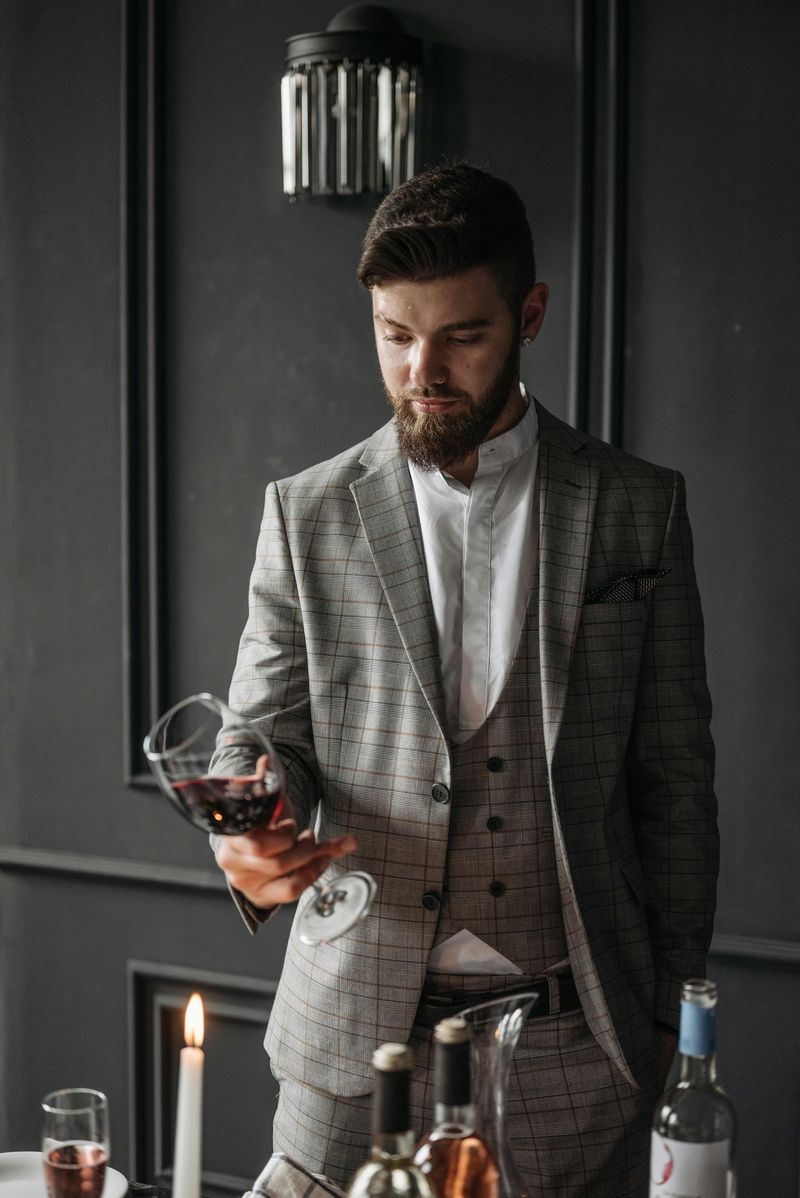
Context determines whether an outfit works or falls flat.
Showing up to a casual backyard barbecue in a three-piece suit makes you look out of touch, just like wearing shorts to a wedding reception.
Reading the room before getting dressed shows social awareness and respect for the event and other attendees.
Quality clothes worn at the wrong time create awkwardness rather than admiration.
Before choosing what to wear, ask yourself where you’re going, who will be there, and what the expected dress code might be.
When in doubt, slightly overdressed beats underdressed every time.
Matching your outfit to the situation demonstrates maturity and thoughtfulness that others will notice and appreciate.
4. Neglecting Grooming

Clean, well-maintained hair and facial grooming complete your presentation.
Even designer clothes can’t compensate for greasy hair, an uneven beard, or visible nose hair.
Grooming shows that you care about yourself and how others perceive you in social and professional settings.
Basic hygiene isn’t negotiable—it forms the foundation that everything else builds upon.
Regular haircuts every three to five weeks keep your style fresh and intentional rather than grown-out and forgotten.
Trimming your beard, cleaning your nails, and moisturizing your skin take minimal time but create maximum impact.
Fresh breath, clean teeth, and subtle cologne add finishing touches that people remember long after meeting you.
5. Overusing Logos or Statement Pieces

Confidence doesn’t come from broadcasting brand names across your chest.
When every item screams for attention with oversized logos, bold graphics, or flashy patterns, nothing actually stands out.
Your outfit becomes visual noise rather than a cohesive look that reflects personal style and good judgment.
One statement piece per outfit creates a focal point, while three or four create confusion and look immature.
Subtle branding shows sophistication, while obvious logos often signal insecurity about your fashion choices.
Quality fabrics, proper fit, and timeless designs communicate success better than head-to-toe designer labels.
Let your clothes enhance you rather than letting brands define your identity and personal expression.
6. Poor Color Choices
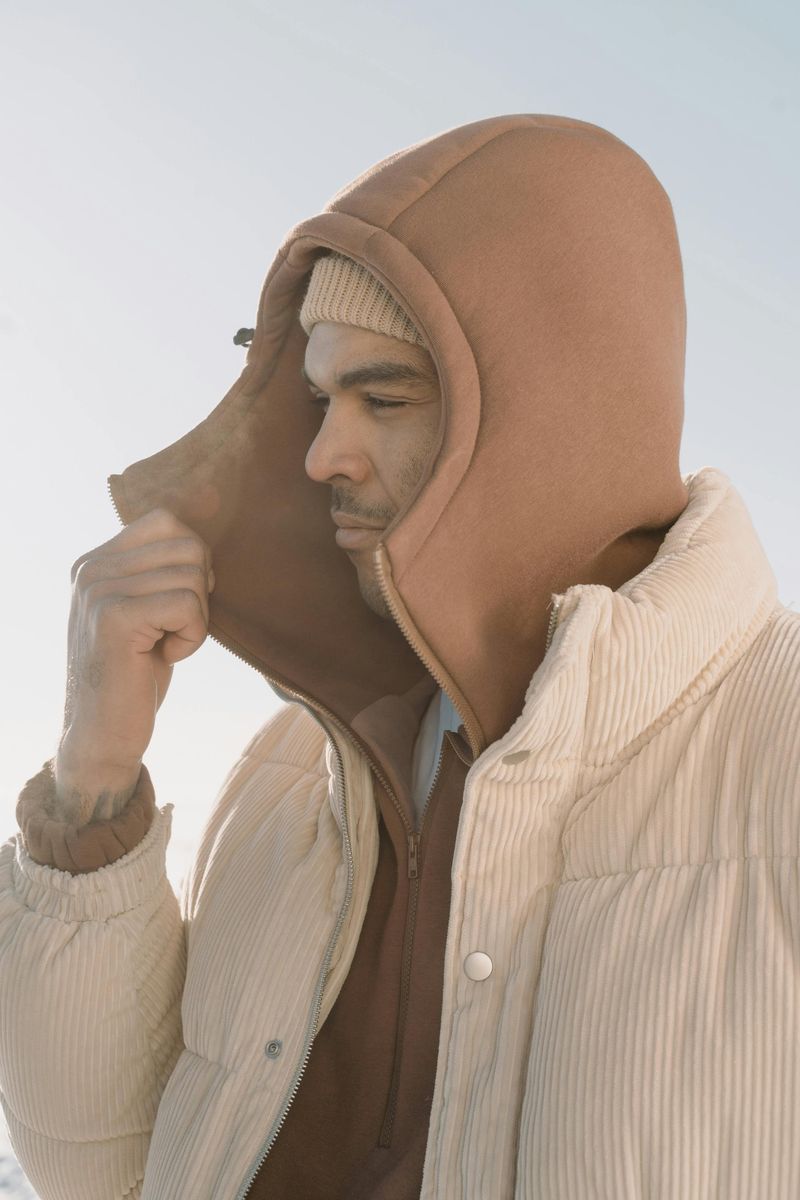
Colors interact with your skin tone, hair, and the season in ways that either flatter or clash.
Certain shades wash out your complexion while others bring warmth and vitality to your face.
Mixing too many bright colors or pairing tones that fight each other creates visual discord that feels off even when people can’t explain why.
Start with neutral foundations like navy, gray, and white, then add one accent color that complements your natural coloring.
Cool undertones suit blues and purples, while warm undertones work better with earth tones and reds.
Learning basic color theory doesn’t require art school—simple online guides can teach you which combinations work harmoniously together.
Strategic color choices elevate simple outfits into polished looks.
7. Wearing Wrinkled or Tired Clothes

Fabric condition speaks volumes about your attention to personal standards.
Deep creases across your shirt suggest you pulled it from the bottom of a laundry pile five minutes before leaving.
Faded colors, stretched-out collars, and pilling fabric make even expensive items look cheap and neglected.
Ironing or steaming takes minutes but transforms your appearance from careless to careful.
Hanging clothes properly after wearing them prevents unnecessary wrinkles and extends their lifespan significantly.
When items start showing wear—loose threads, permanent stains, or fabric thinning—retire them from your regular rotation.
Fresh, crisp clothing signals that you respect yourself and the people around you enough to make an effort.
8. Relying on Trends Instead of Timeless Basics

Fashion trends come and go faster than most wardrobes can keep up.
Chasing every new style leaves you with closets full of items that look dated within months and don’t work together.
Building around classic pieces—well-fitted jeans, solid color shirts, versatile jackets—creates a foundation that works year after year.
Trends should accent your wardrobe, not define it entirely, allowing you to stay current without looking like a fashion victim.
A white button-down shirt never goes out of style, but neon skinny jeans definitely do.
Timeless pieces offer better value because they remain wearable and appropriate across multiple seasons and occasions.
Add trendy accessories sparingly to keep looks fresh without committing your entire budget to temporary fads.
9. Ignoring Proportions
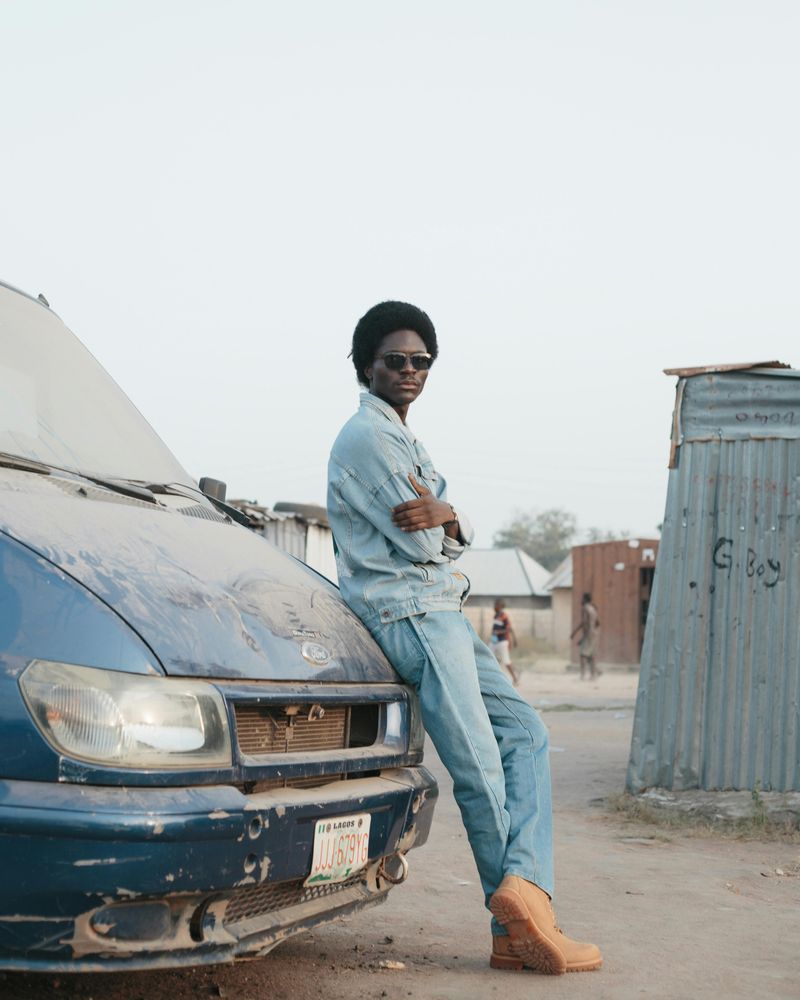
Balance between your upper and lower body creates visual harmony that flatters your frame.
Shirts that hang too low make your legs appear shorter, while jackets that end at awkward lengths disrupt your natural silhouette.
Layering works beautifully when each piece reveals just enough of the layer beneath, but clumsy combinations create bulk in wrong places.
Your clothing should follow your body’s natural lines rather than fighting against them with competing lengths and volumes.
Short guys should avoid long shirts and oversized fits, while taller men need adequate length to avoid looking squeezed into their clothes.
Proper proportions make you look taller, leaner, and more intentional about your style choices.
Understanding your body type helps you select pieces that enhance rather than hide your best features.
10. Not Paying Attention to Details
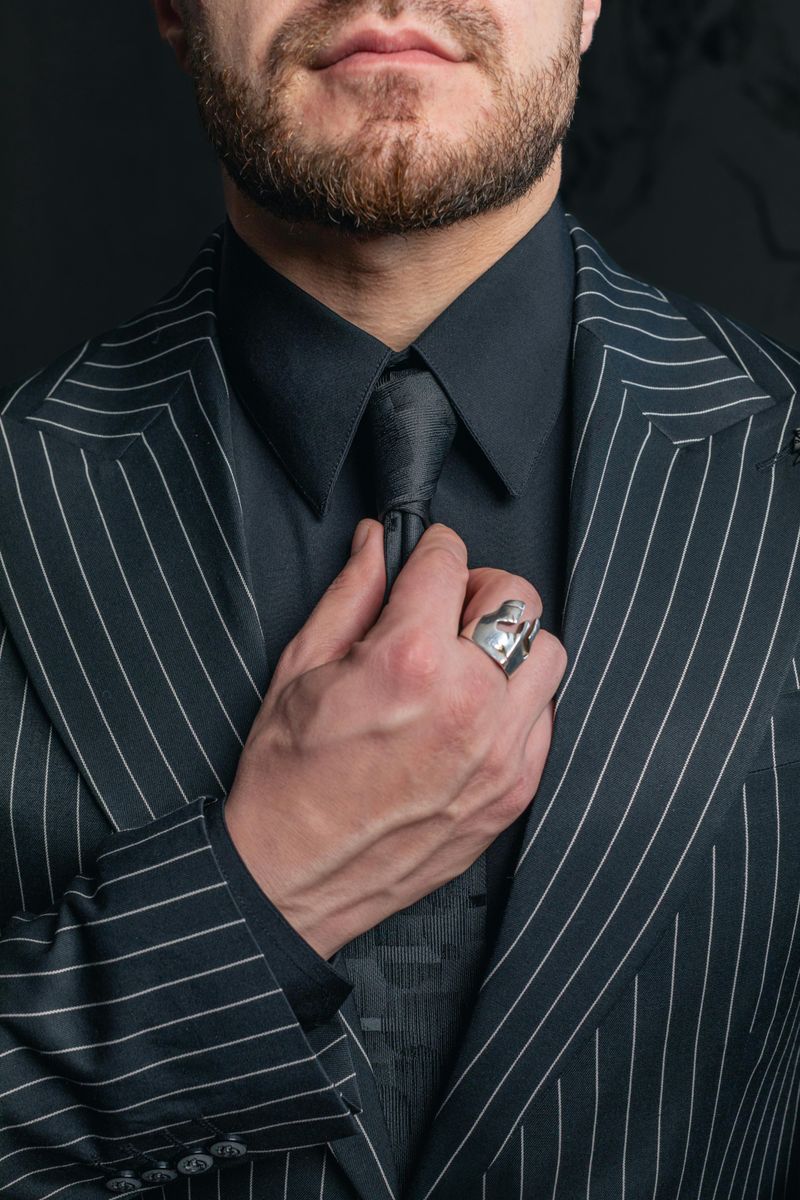
Small elements reveal whether you truly understand style or just got lucky with your main pieces.
Matching your belt to your shoes seems minor until you realize how jarring brown and black look together.
Cheap, visible accessories like plastic watches or worn-out wallets undercut otherwise expensive outfits.
Loose threads, missing buttons, and stained collars signal carelessness that people notice subconsciously even when they don’t comment directly.
Quality matters more in accessories than quantity—one good leather belt beats five cheap ones.
Check yourself in full-length mirrors before leaving to catch issues like untucked shirt corners or misaligned collars.
These finishing touches separate men who look good from men who look polished, refined, and genuinely put-together.