 MomSkoop
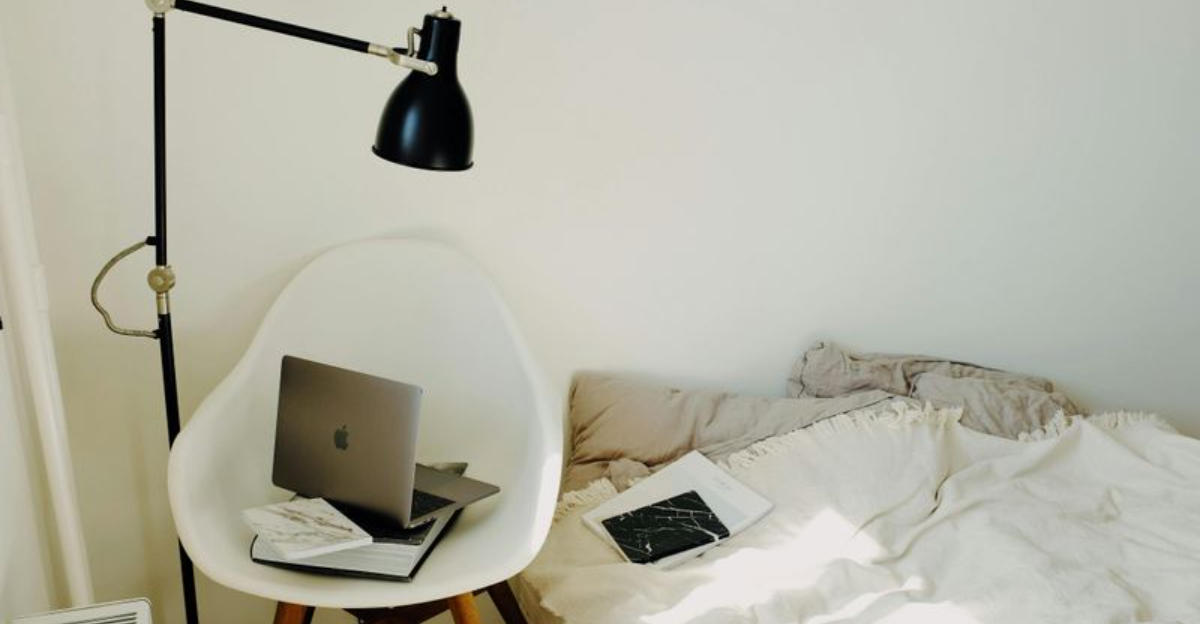
Walking into a home should feel welcoming and comfortable, but sometimes small overlooked details send the opposite message.
Whether you’re getting ready to sell, expecting guests, or just want to enjoy your space more, knowing what makes a house look neglected can help you fix it fast. These common issues are easier to address than you might think, and tackling even a few can completely transform how your home feels to you and your visitors.
1. Cluttered Surfaces
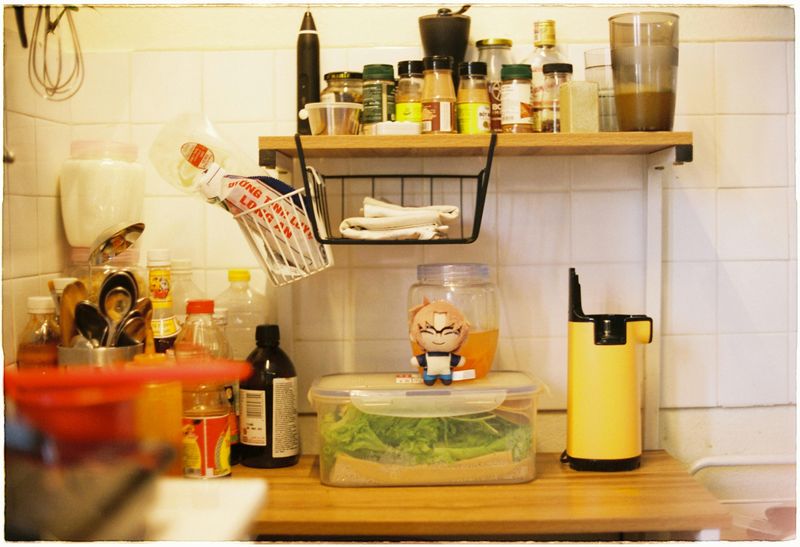
Countertops buried under stacks of mail, random kitchen gadgets, and yesterday’s coffee mug create instant visual chaos.
Your eyes don’t know where to land, and suddenly the whole room feels smaller and stressful.
Entryway tables piled with keys, shoes, and forgotten items tell visitors that organization isn’t a priority here.
The fix is simpler than it seems.
Designate specific homes for everyday items like mail sorters or key hooks.
Spend five minutes each evening clearing surfaces back to zero.
You’ll be amazed how much bigger and calmer your space feels when counters are clear.
A clean surface makes your entire home look intentional and cared for, even if other areas need work.
2. Dirty or Scuffed Walls
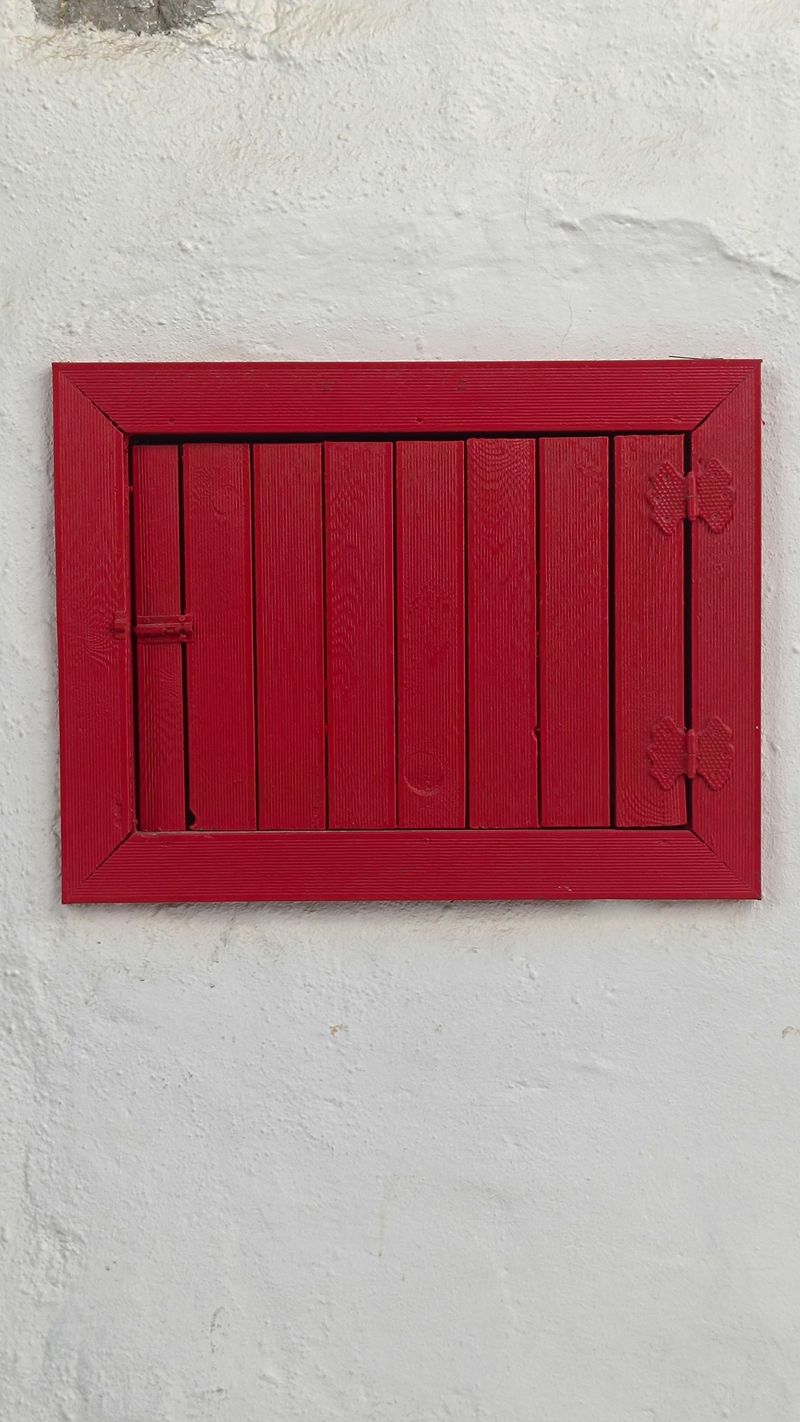
Fingerprints around light switches, mysterious scuff marks at knee height, and paint chips near doorways quietly scream neglect.
Most people don’t notice their own walls getting progressively dirtier because it happens so gradually.
But guests spot these marks immediately, and they create an impression that basic upkeep has been abandoned.
A magic eraser works wonders on most marks without repainting.
For stubborn spots or chipped areas, keep a small container of touch-up paint handy in your home’s exact color.
Wiping down high-traffic areas monthly prevents buildup.
Fresh, clean walls make every room look brighter and more inviting, transforming the entire atmosphere without major renovation.
3. Worn or Stained Flooring
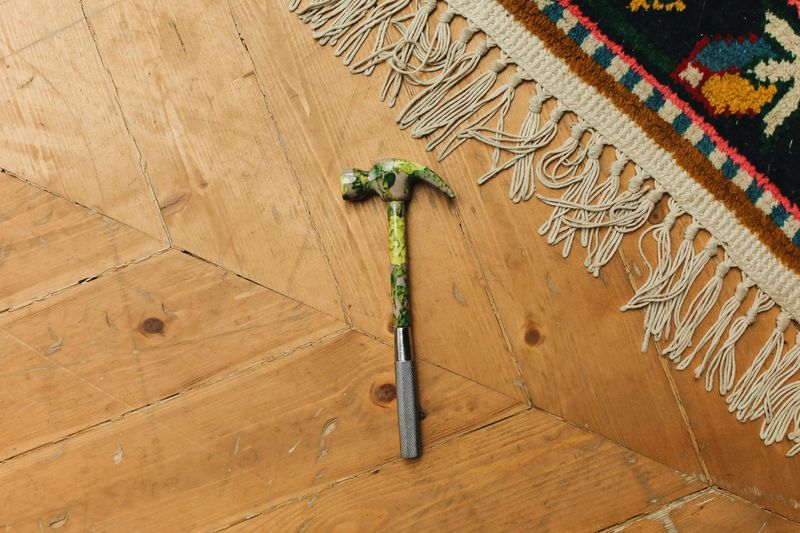
That mystery stain on the living room carpet has been there so long you’ve stopped seeing it, but everyone else notices right away.
Scratched hardwood with dull finish or tile grout that’s turned gray makes even beautiful furniture look shabby.
Floors cover huge visual space, so when they look bad, everything suffers.
Professional carpet cleaning costs less than you’d think and removes years of buildup.
Hardwood floors often just need proper cleaning and polish rather than refinishing.
For tile, a grout pen can brighten lines between tiles in minutes.
Addressing floor issues delivers massive visual improvement for relatively small effort, completely changing how put-together your home appears to visitors.
4. Poor Lighting

Have you noticed how restaurants carefully plan lighting to set the mood?
Your home deserves the same attention, but burnt-out bulbs and mismatched fixtures create the opposite effect.
A burnt bulb in the hallway makes the whole space feel gloomy and forgotten.
Harsh overhead lighting without softer options makes rooms feel institutional rather than homey.
Replace dead bulbs immediately and consider the color temperature you’re using.
Warm white bulbs feel cozier than cool white in living spaces.
Add table lamps or floor lamps to create layered lighting options.
Good lighting costs very little but dramatically affects mood, making spaces feel larger, cleaner, and more intentionally designed.
5. Unmade Beds
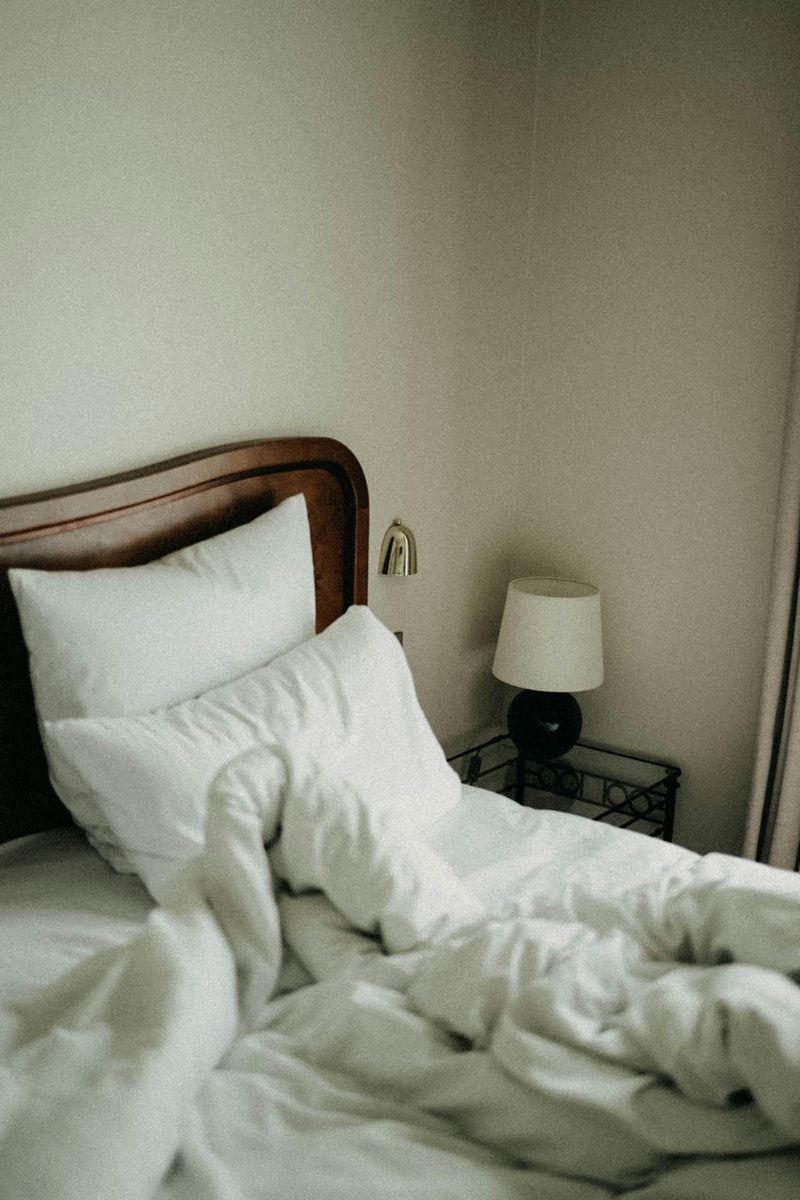
Your bedroom sets the tone for your entire day, and a tangled mess of sheets and pillows starts things off wrong.
An unmade bed makes the whole room look unfinished, even if everything else is tidy.
It’s the largest surface in the bedroom, so it dominates the visual landscape completely.
Making your bed takes under two minutes but delivers outsized results.
You don’t need hospital corners or decorative pillows—just pull up the covers and straighten things out.
This single habit makes your bedroom feel like a retreat instead of a disaster zone.
Coming home to a made bed feels welcoming and organized, suggesting someone who cares about their living space.
6. Outdated or Broken Fixtures
Drip.
Drip.
Drip.
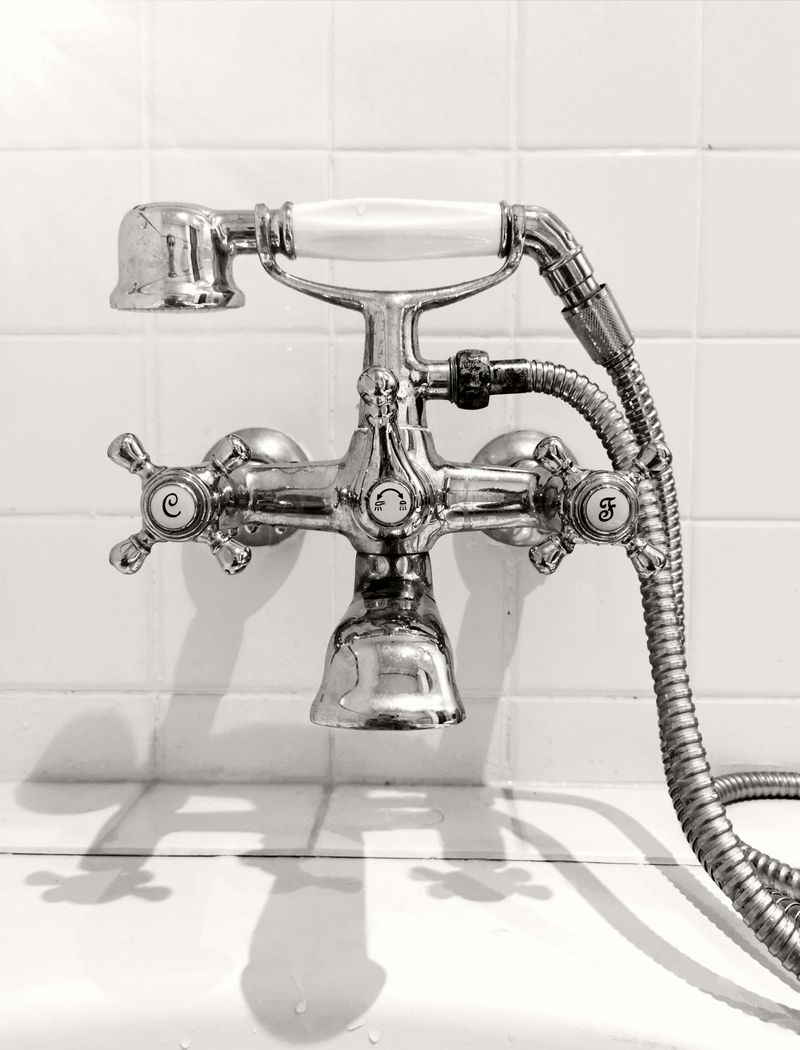
That leaky faucet isn’t just annoying—it broadcasts that maintenance has been postponed indefinitely.
Loose cabinet handles that wiggle when touched or drawer pulls from three decades ago make even updated spaces feel tired.
These small hardware details seem minor individually, but together they create an overwhelming impression of a home that’s been given up on.
Many fixture updates require only a screwdriver and ten minutes.
Modern cabinet pulls cost just dollars each and completely refresh kitchen or bathroom cabinets.
Fixing a leaky faucet often needs just a new washer.
Addressing these small repairs shows respect for your space and prevents bigger problems down the road.
7. Dusty Surfaces and Neglected Corners
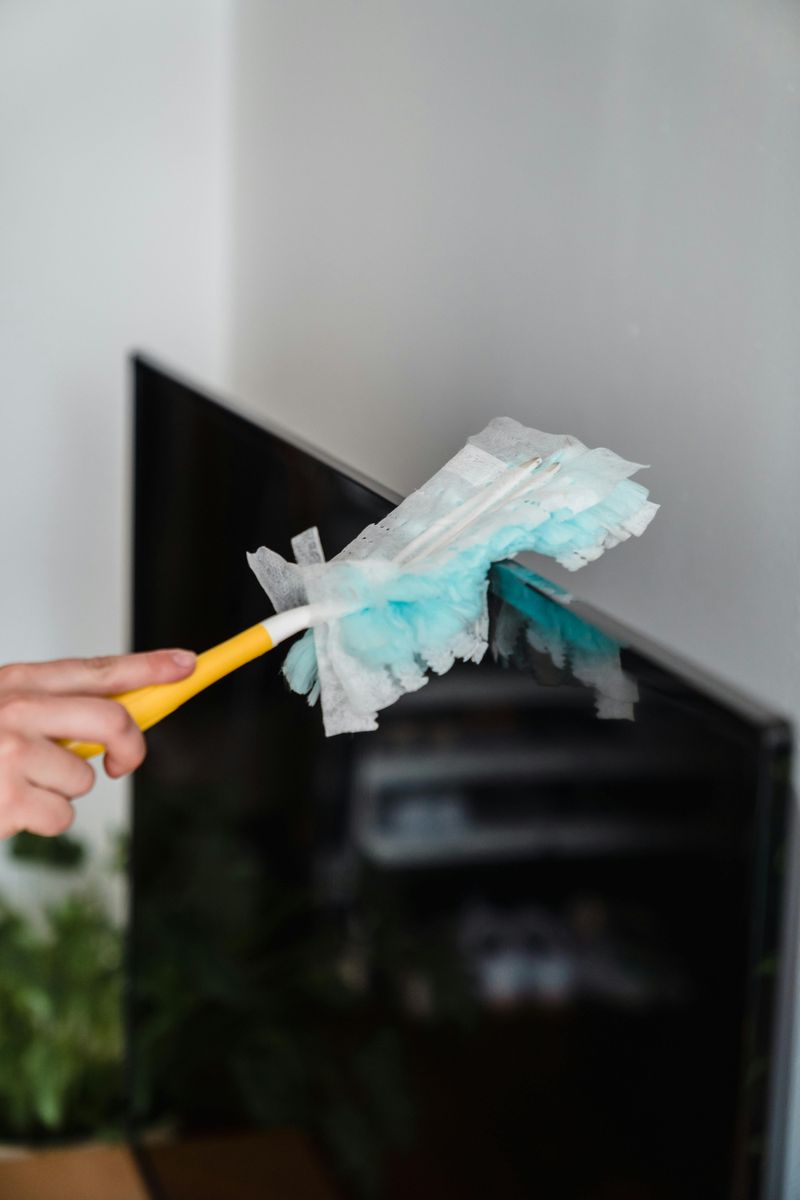
Ceiling fans with dust bunnies hanging off the blades practically announce how long it’s been since anyone looked up.
Baseboards coated in gray fuzz and air vents caked with dust are the details that separate maintained homes from neglected ones.
Most people focus on eye-level surfaces, but observant visitors notice these forgotten zones immediately.
Microfiber dusters with extension handles make ceiling fans and high corners easy to reach.
Vacuum baseboards monthly using the brush attachment to prevent buildup.
Wipe vent covers when you notice dust accumulating.
These small touches take minimal time but signal thorough care, making your entire home feel fresher and more thoughtfully maintained than most.
8. Unpleasant Odors

You’ve gone nose-blind to your own home, but visitors smell it the second they walk in.
Lingering pet odors, last night’s fish dinner, or an overdue trash situation creates instant negative impressions that are hard to overcome.
Smell connects directly to memory and emotion, so bad odors make people unconsciously uncomfortable even in otherwise nice spaces.
Don’t mask smells with heavy air fresheners—find and eliminate the source instead.
Wash pet bedding regularly and scoop litter boxes daily.
Take out trash frequently and clean the bin itself monthly.
Open windows regularly to circulate fresh air.
A neutral-smelling home feels cleaner and more welcoming, allowing your actual space to make the impression rather than fighting against offensive odors.
9. Overgrown or Ignored Exterior Areas
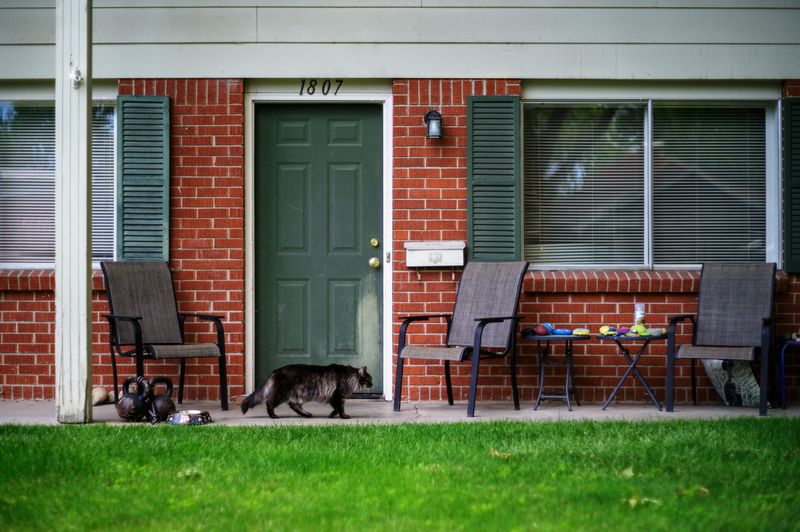
First impressions happen before anyone steps inside, and an overgrown lawn with weeds taking over sends a clear message about priorities.
Peeling paint on the front door, cluttered porches with random items, or bushes blocking windows make visitors wonder what they’ll find inside.
Your home’s exterior is the cover of the book—people absolutely judge it.
Mowing regularly and basic edging take minimal time but maximum impact.
A fresh coat of paint on the front door costs little but refreshes everything.
Clear porches of everything except intentional decor like plants or seating.
Exterior maintenance shows pride of ownership and makes your whole property feel valued and cared for properly.
10. Lack of Personal Touches
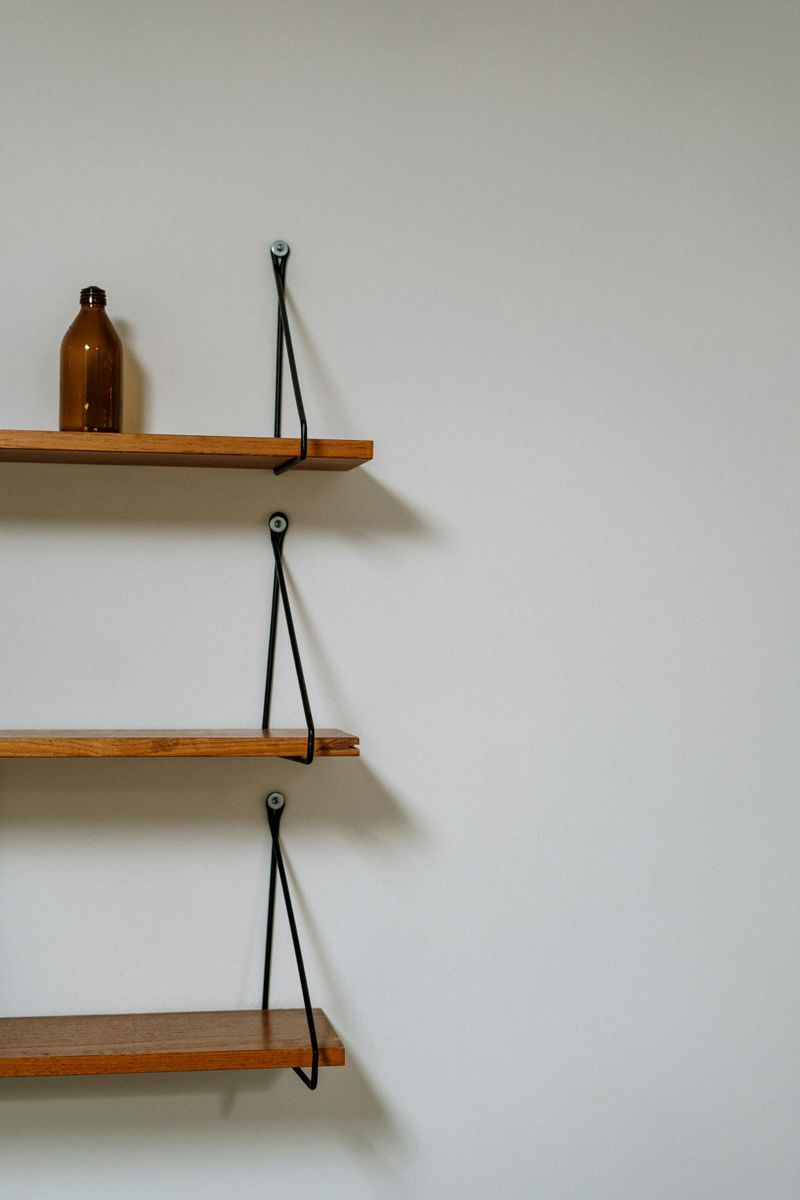
Bare walls and empty surfaces might look minimalist in magazines, but in real life they often just feel cold and unlived-in.
A home without photos, artwork, plants, or meaningful objects suggests temporary occupancy rather than a cherished space.
People connect with homes that reflect the personalities living there, not sterile showrooms that could belong to anyone.
You don’t need expensive art—frame meaningful photos or children’s artwork.
Add a few plants to bring life and color into rooms.
Display collections or hobbies that matter to you.
These personal elements make spaces feel warm and intentionally curated, showing that someone actually lives here and cares about making it feel like home rather than just a place to sleep.