 MomSkoop
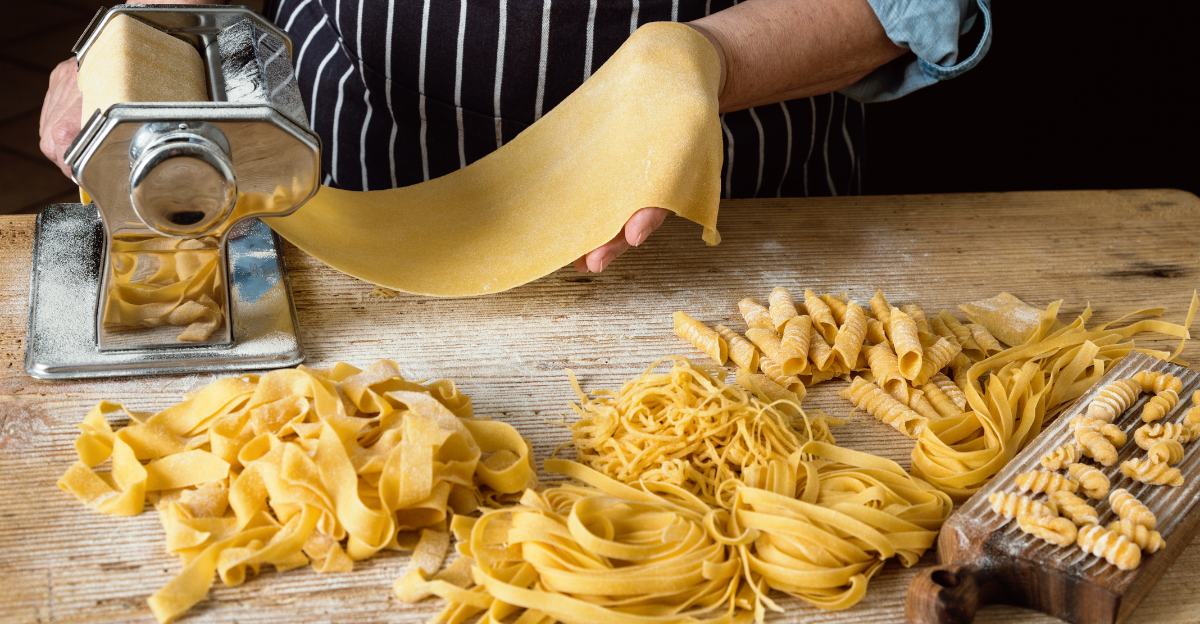
In many parts of the world, cooking from scratch isn’t just a trend—it’s a way of life passed down through generations.
While fast food and convenience meals dominate modern kitchens in some countries, others still embrace the art of preparing meals using fresh, whole ingredients.
These cultures value the time, skill, and love that goes into homemade food, creating dishes that burst with authentic flavors and nourish both body and soul.
1. Italy
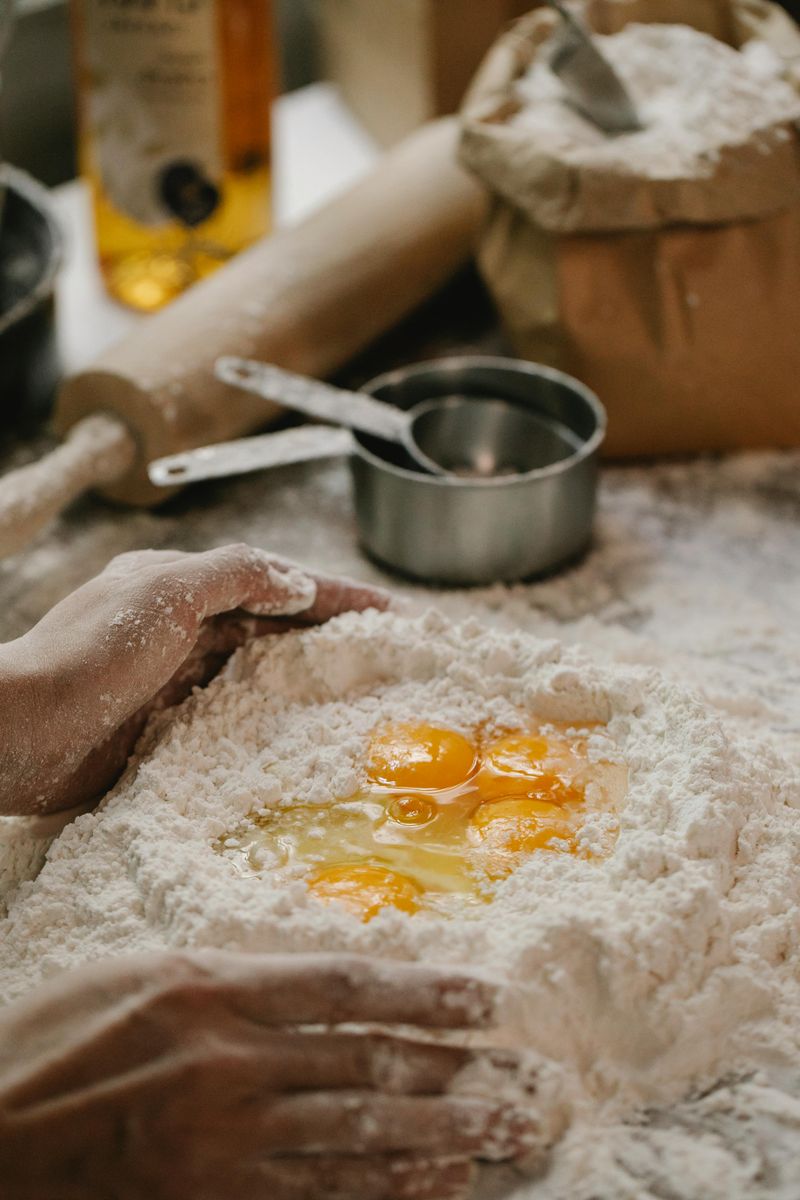
Walk into any Italian home around dinnertime and you’ll find something magical happening. Families gather in kitchens where pasta dough is rolled by hand, tomatoes are crushed for sauce, and bread bakes in the oven. This isn’t reserved for special occasions—it’s everyday life.
Italian cooking revolves around simplicity and quality ingredients. Fresh basil, ripe tomatoes, olive oil, and handmade pasta form the foundation of countless meals. Grandmothers teach their grandchildren the secrets of perfect gnocchi and authentic tiramisu.
Store-bought convenience foods rarely make an appearance at Italian tables. Instead, recipes passed through families for centuries keep traditional cooking alive. Every meal becomes an opportunity to celebrate heritage and share love through food.
2. Thailand
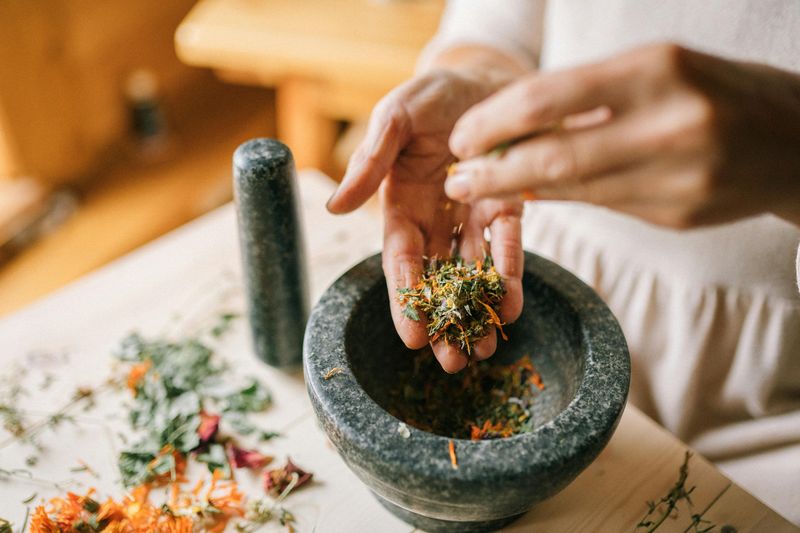
Street vendors and home cooks across Thailand wake before dawn to prepare curry pastes using mortar and pestle. The rhythmic pounding of fresh chilies, lemongrass, and galangal fills morning air. Each paste takes patience and elbow grease, but the resulting flavors can’t be replicated by anything from a jar.
Thai cuisine demands balance—sweet, sour, salty, and spicy must harmonize perfectly. Achieving this requires tasting, adjusting, and understanding ingredients deeply. Home cooks visit fresh markets daily, selecting the ripest mangoes, crispest vegetables, and freshest fish.
Prepared sauces and pre-made curry pastes exist, but traditional cooks dismiss them. They know authentic pad thai, green curry, and som tam require hands-on preparation and fresh components.
3. Mexico
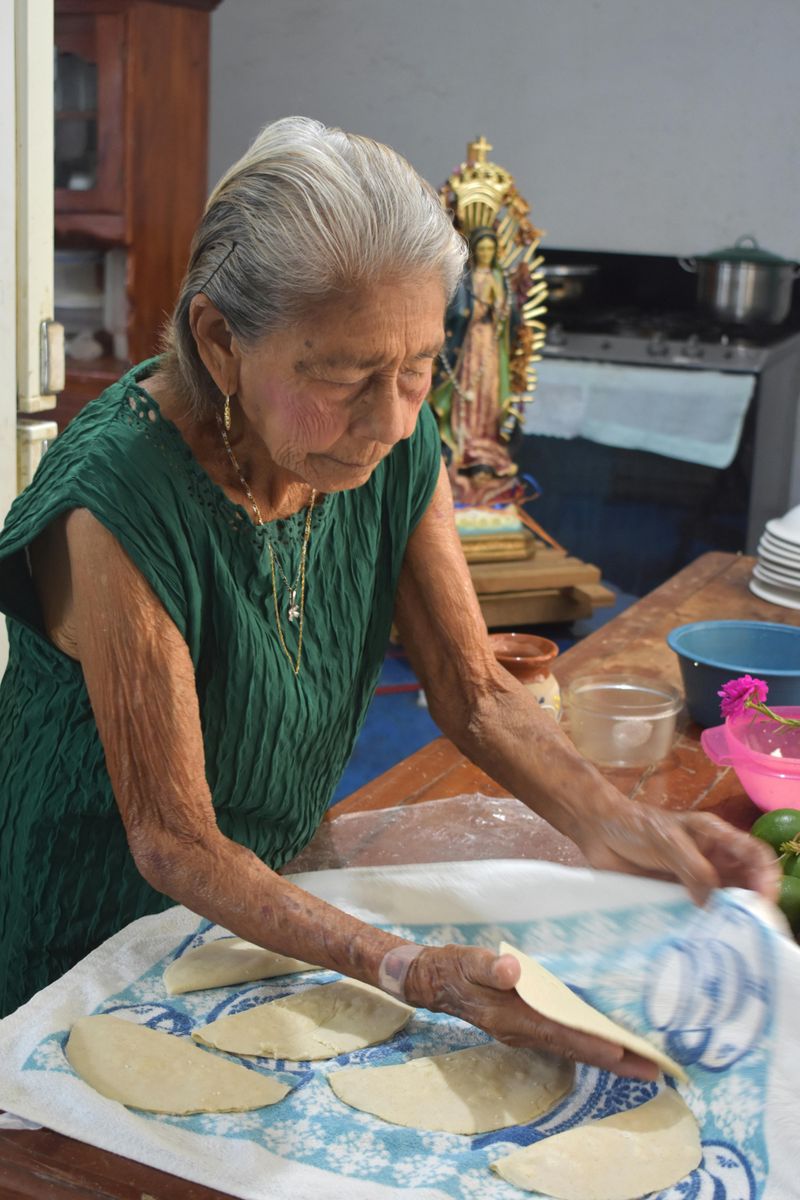
Corn tortillas form the backbone of Mexican cuisine, and many families still make them the old-fashioned way. Dried corn gets soaked in lime water overnight, then ground on a stone metate to create fresh masa. The dough is patted into rounds and cooked on a hot comal until it puffs with steam.
Beyond tortillas, Mexican cooking involves roasting tomatoes and chilies over open flames, simmering beans for hours, and preparing complex mole sauces with twenty-plus ingredients. These recipes connect modern families to ancient Aztec and Mayan culinary traditions.
Pre-packaged tortillas and canned beans exist, but they’re considered poor substitutes. Real Mexican food takes time, skill, and respect for ancestral techniques.
4. Japan
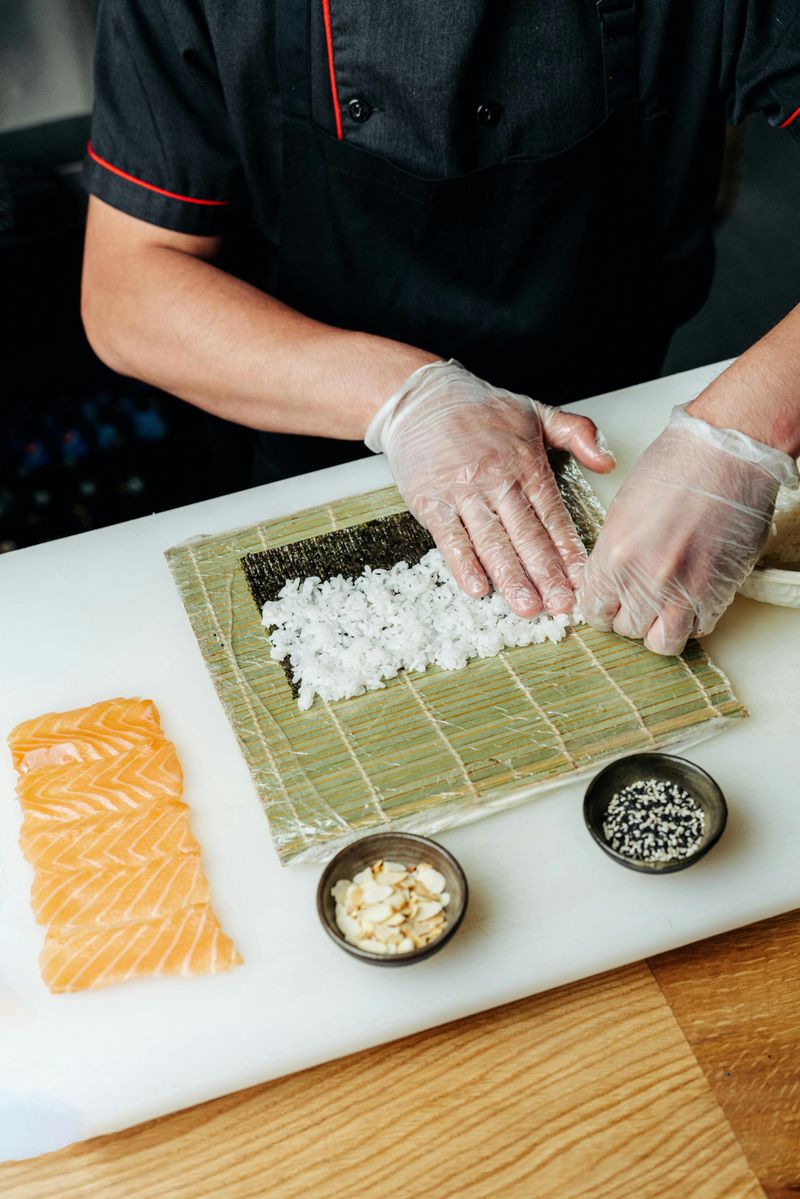
Precision defines Japanese home cooking. Rice must be washed exactly right, achieving the perfect texture and stickiness. Dashi broth starts with kombu seaweed and bonito flakes, never shortcuts. Even something as simple as miso soup requires careful attention to temperature and timing.
Japanese cooks shop frequently for the freshest seasonal ingredients. They might visit the fish market early morning, then stop at specialty shops for tofu, pickles, and vegetables. Each ingredient receives individual attention and proper preparation.
Convenience stores overflow with ready-made meals, yet traditional households resist. They understand that properly prepared rice, carefully sliced sashimi, and homemade pickles represent cultural values of discipline, respect, and mindfulness in every bite.
5. India
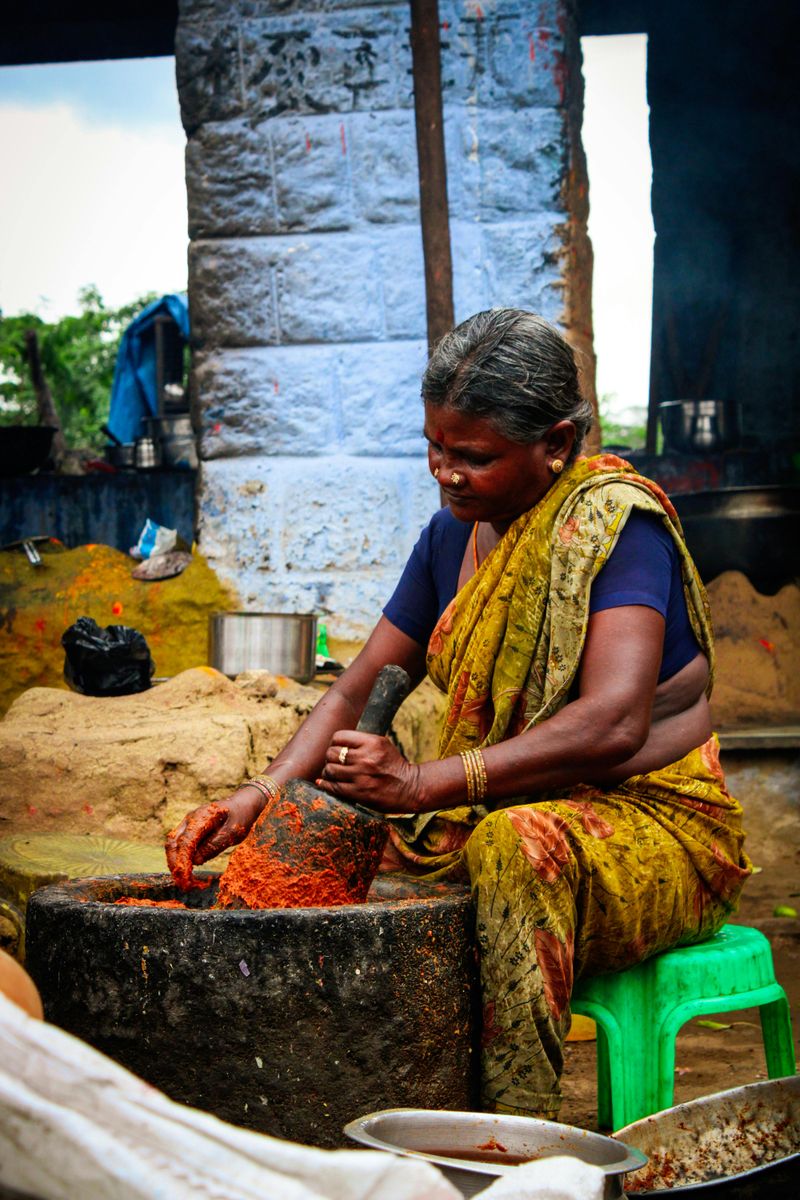
Spice grinding happens daily in Indian households, filling homes with intoxicating aromas. Whole cumin, coriander, turmeric root, and cardamom pods get toasted and ground fresh. This practice ensures maximum flavor and potency that pre-ground spices simply cannot match.
Indian cooking varies dramatically by region, but scratch cooking remains constant. Rotis and chapatis are rolled and cooked fresh for each meal. Lentils simmer slowly with tempered spices. Chutneys get ground from fresh coconut, mint, or tamarind.
Despite India’s rapid modernization, most families continue cooking traditionally. Mothers pass intricate recipes to daughters, teaching not just techniques but also the cultural significance behind every dish and spice combination used.
6. Greece
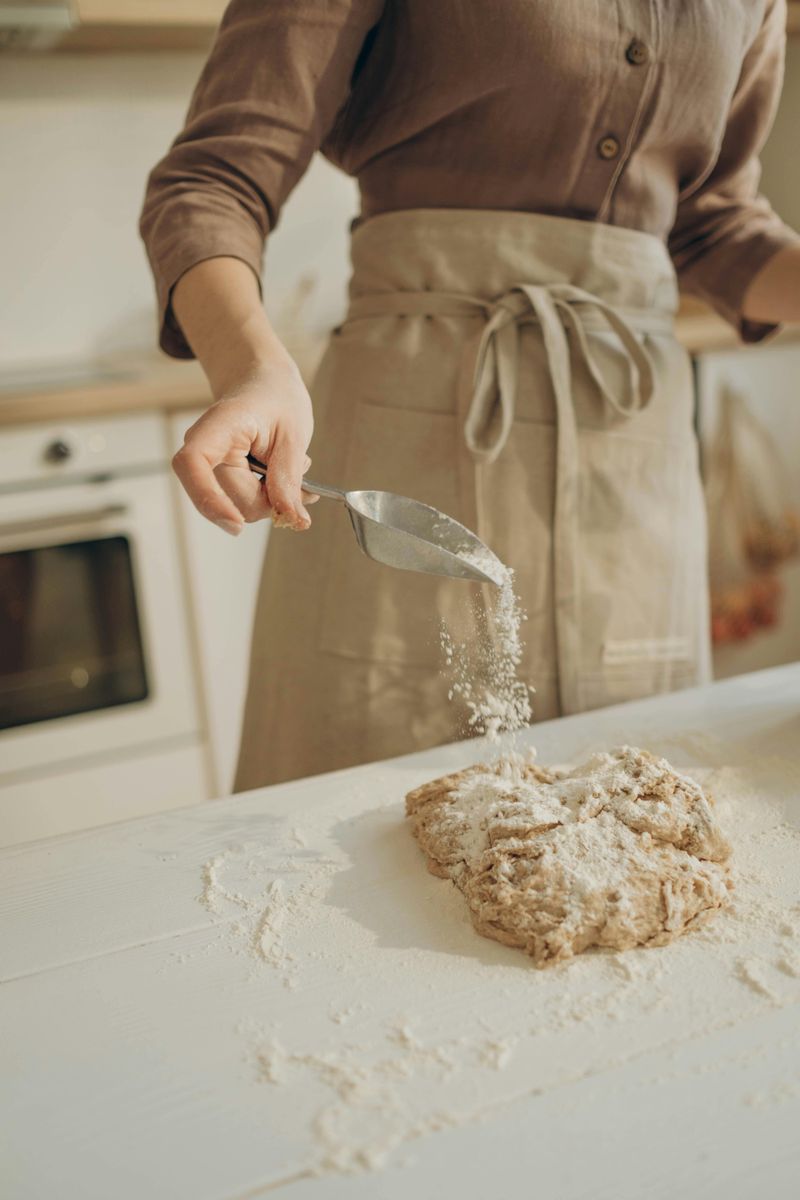
Greek kitchens celebrate simplicity and freshness. Feta cheese comes from local shepherds, olive oil from family groves, and vegetables from backyard gardens. Meals aren’t complicated, but they require quality ingredients prepared with care and tradition.
Phyllo dough for spanakopita and baklava gets rolled paper-thin by experienced hands. Bread bakes daily in many homes, filling neighborhoods with warm, yeasty aromas. Stuffed grape leaves, slow-roasted lamb, and hand-rolled dolmades take time but connect families to generations past.
Greeks view cooking as an act of hospitality and love. Serving store-bought food to guests would feel disrespectful. Every meal represents an investment of time that honors both ingredients and diners.
7. Morocco
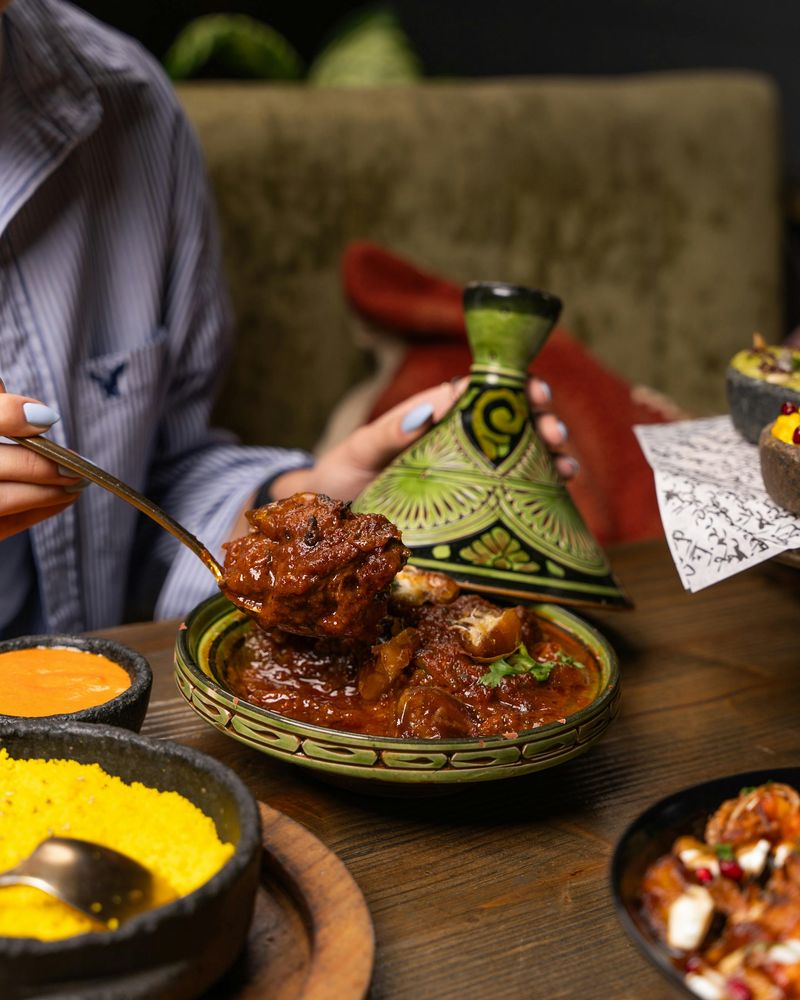
Moroccan cooking transforms simple ingredients into extraordinary meals through patience and spice artistry. Tagines simmer for hours, allowing lamb, chicken, or vegetables to absorb complex spice blends. Couscous gets hand-rolled from semolina flour, then steamed multiple times until perfectly fluffy.
Bread baking happens daily, with many families still taking dough to communal ovens. Preserved lemons ferment in salt for weeks before adding their unique tang to dishes. Fresh mint tea gets poured from dramatic heights, creating the perfect foam.
Moroccan mothers guard family recipes closely, teaching daughters the precise measurements and timing that make their cooking special. Shortcuts don’t exist—authentic flavor requires dedication and traditional methods passed through generations.
8. Peru
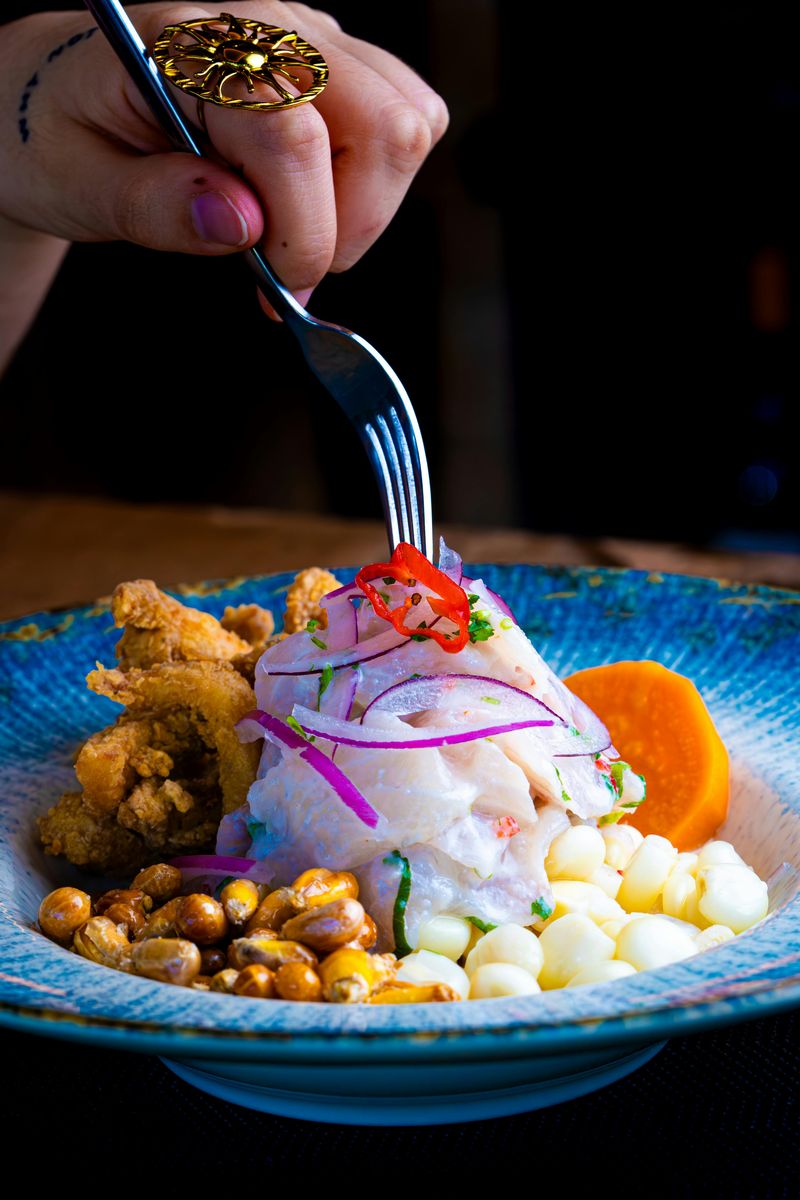
Peruvian cuisine blends indigenous, Spanish, African, and Asian influences into something uniquely delicious. Fresh ceviche gets prepared daily using fish caught that morning, marinated in lime juice with aji peppers and red onions. The fish must be impeccably fresh—there’s no hiding behind sauces or freezers.
Potatoes, native to Peru, appear in countless varieties and preparations. Home cooks still make causa, papa rellena, and ocopa using traditional techniques. Corn gets ground for tamales, and chilies are carefully selected and prepared for different heat levels.
Despite modern conveniences, Peruvian families maintain cooking traditions that honor their rich cultural heritage. Markets overflow with fresh ingredients, and home kitchens stay busy creating meals from scratch daily.
9. Vietnam
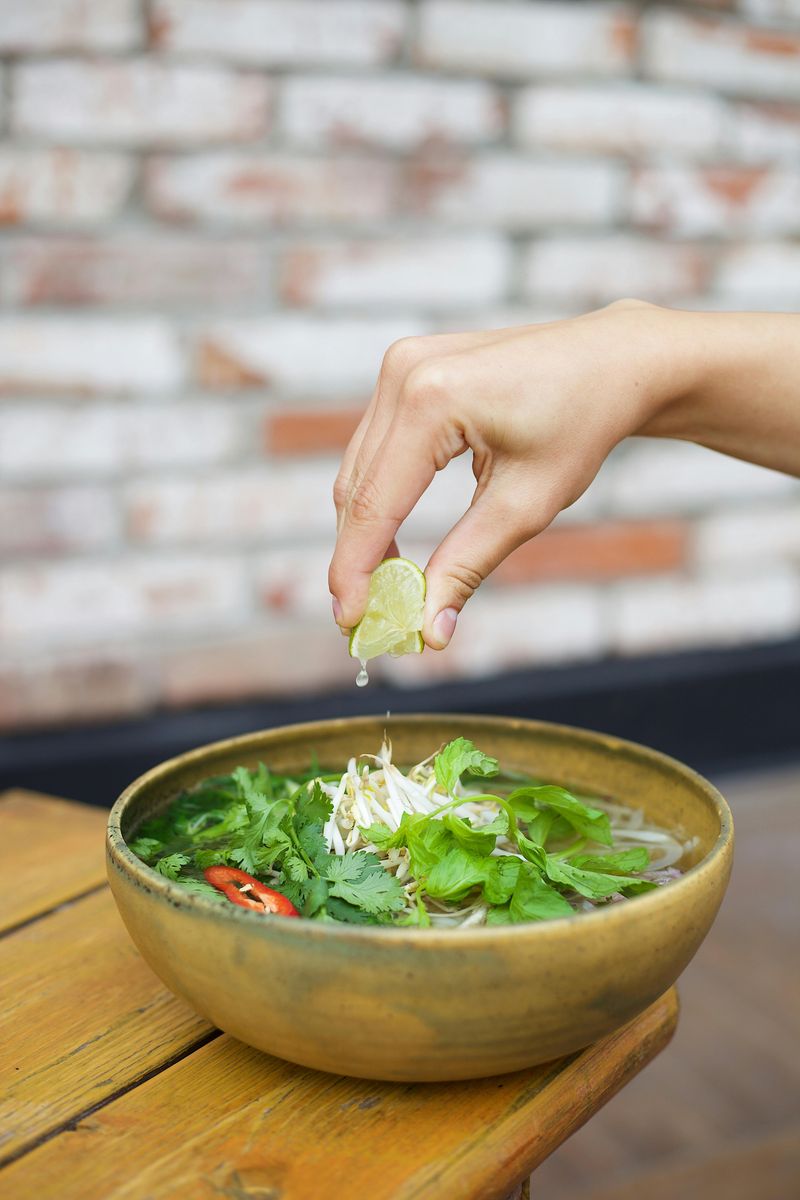
Walk through any Vietnamese neighborhood early in the morning, and you’ll smell the magic happening in every kitchen. Families wake before dawn to simmer beef bones for pho, chop fresh herbs, and prepare rice paper for spring rolls. Nothing comes from a box or a can.
Street vendors spend hours making their signature dishes, carefully balancing fish sauce, lime, chili, and sugar to create those unforgettable flavors. Grandmothers teach their grandchildren the exact way to fold banh xeo pancakes and roll fresh summer rolls. Each recipe carries family secrets and regional pride.
Markets overflow with ingredients picked that same morning, ensuring every meal bursts with freshness and authentic taste.
10. Turkey
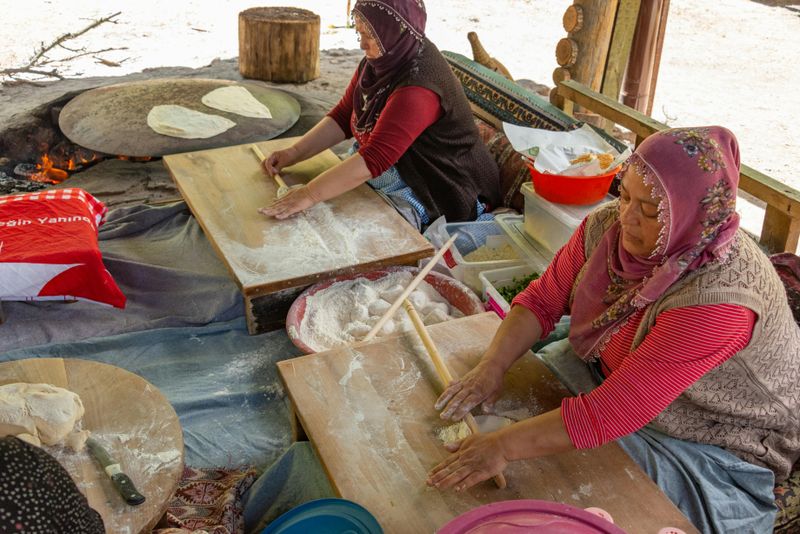
Turkish kitchens buzz with activity as multiple generations gather to prepare elaborate meals that can take all day. Rolling paper-thin yufka dough by hand is still common, even though store-bought versions exist. Families stuff grape leaves one by one, simmer tomato paste they made themselves, and grind spices using methods centuries old.
Breakfast spreads feature homemade jams, fresh-baked bread, and cheeses prepared in nearby villages. Women meet to make massive batches of manti (tiny dumplings), chatting and laughing while their hands work with practiced precision.
Yogurt gets cultured at home, pickles ferment in big jars, and every sauce starts with ingredients chopped that very day.