 MomSkoop

Getting older doesn’t have to mean slowing down or losing your spark. People who age gracefully share certain habits that keep them vibrant, sharp, and full of energy for decades.
These aren’t extreme or complicated routines—just simple, consistent practices that anyone can adopt starting today.
1. Consistent Movement (Not Extreme Exercise)

Forget punishing gym sessions or marathon training.
People who age well simply keep their bodies in motion throughout the day.
Walking to the mailbox, tending a garden, climbing stairs instead of taking elevators—these small actions add up to major health benefits over time.
Movement doesn’t need to be intense to be effective.
Gentle stretching in the morning, a stroll after dinner, or dancing in the kitchen while cooking all count.
These activities keep joints flexible, muscles strong, and circulation flowing.
The secret is consistency, not intensity.
By weaving movement naturally into daily life, you avoid the burnout that comes from extreme workouts while still protecting your heart, bones, and brain from age-related decline.
2. Regular Sleep–Wake Schedule

Your body runs on an internal clock, and people who age gracefully respect it.
Going to bed and waking up at the same time every day—even on weekends—keeps this clock ticking smoothly.
This consistency supports everything from hormone production to memory formation.
When your sleep schedule bounces around, your body gets confused.
Cortisol levels spike at the wrong times, melatonin production suffers, and your brain struggles to consolidate memories.
Over years, this chaos accelerates cognitive decline and weakens immune function.
A steady rhythm doesn’t mean being rigid.
It simply means honoring your body’s natural need for predictability.
Quality sleep repairs tissues, clears toxins from the brain, and resets your emotional state for the day ahead.
3. Purpose-Driven Mornings

Starting the day with intention sets the tone for everything that follows.
Rather than rushing straight into emails or scrolling through news, those who age well pause first.
They might journal, pray, meditate, or simply sit quietly with a cup of tea, reflecting on what matters most.
This morning ritual isn’t about productivity—it’s about grounding yourself in meaning.
When you begin with purpose, stress feels more manageable and daily challenges seem less overwhelming.
Your brain gets a clear signal: today has direction and value.
Even five minutes makes a difference.
Writing down three things you’re grateful for, setting one meaningful goal, or reading something inspiring can shift your entire mindset and reduce the wear-and-tear that chronic stress places on your body.
4. Whole, Mostly Plant-Based Eating

Plates filled with colorful vegetables, hearty legumes, whole grains, and healthy fats are the foundation of longevity diets worldwide.
People who age well don’t obsess over calories or follow extreme diets.
Instead, they eat real food—mostly plants—and keep portions reasonable.
Ultra-processed foods rarely make an appearance at their tables.
Fresh ingredients, cooked simply and shared with others, provide nutrients that protect against inflammation, support brain health, and keep energy levels steady throughout the day.
This approach isn’t about deprivation.
It’s about abundance—filling your plate with foods that nourish rather than deplete.
Over time, this way of eating becomes second nature, supporting everything from heart health to mental clarity as the years roll by.
5. Daily Social Connection

Loneliness ages you faster than smoking.
That’s why people who thrive in their later years make social connection a daily priority.
A phone call with a friend, chatting with a neighbor over the fence, or volunteering at a local organization all count.
These interactions don’t need to be deep or lengthy.
Even brief, friendly exchanges trigger the release of feel-good hormones that reduce stress and boost immune function.
Social bonds also keep your mind sharp by challenging you to listen, respond, and empathize.
Community matters more than we often realize.
Staying connected protects against depression, cognitive decline, and even physical illness.
It reminds us we’re part of something larger, giving life texture and meaning that extends far beyond ourselves.
6. Stress Reset Rituals
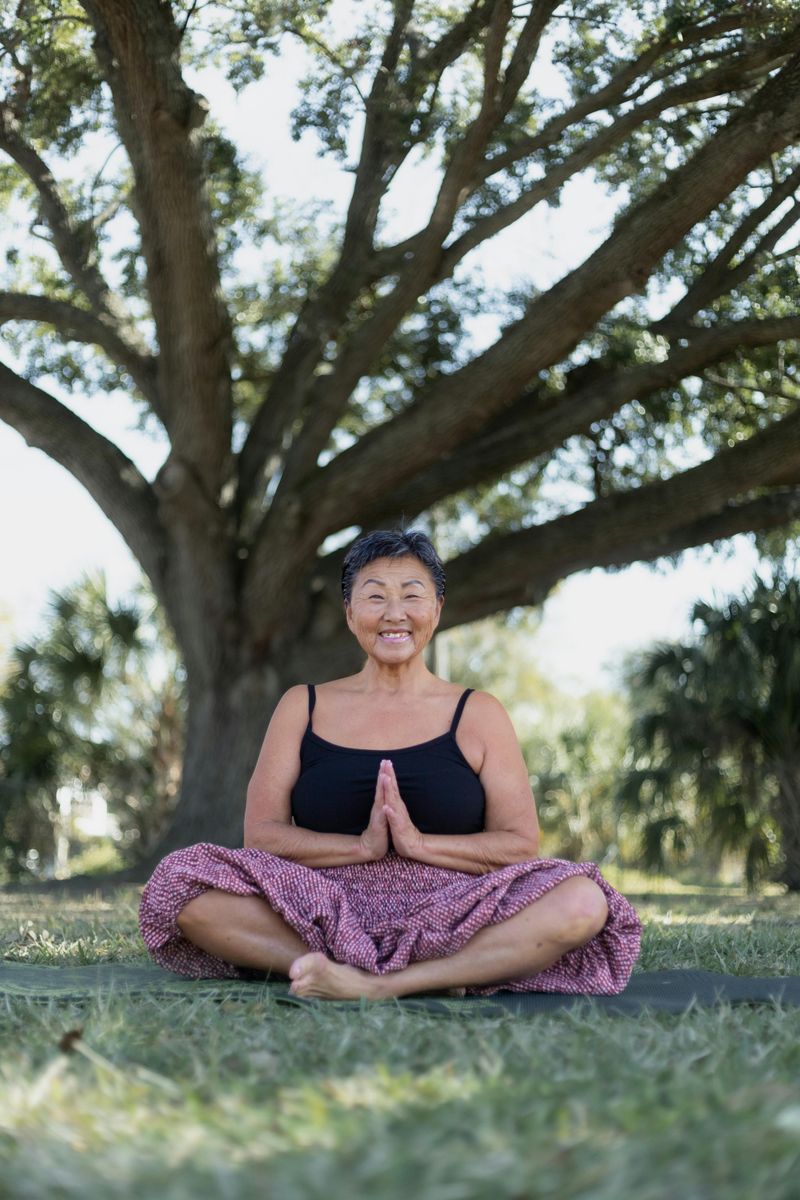
Chronic stress is a silent killer, but those who age well have learned how to interrupt it daily.
Short practices—a few minutes of deep breathing, a 20-minute nap, a walk around the block, or simply sitting in silence—act as reset buttons for the nervous system.
These rituals don’t eliminate stress entirely; they prevent it from accumulating into toxic levels.
When you take intentional pauses throughout the day, cortisol drops, blood pressure normalizes, and your body shifts from fight-or-flight mode into rest-and-repair.
You don’t need hours of meditation or a spa retreat.
Just small, consistent moments of calm woven into your day can dramatically reduce inflammation, improve sleep quality, and protect your heart and brain from the damaging effects of prolonged tension.
7. Mental Stimulation

Use it or lose it—that’s the rule when it comes to brain health.
People who age well keep their minds active with reading, puzzles, learning new languages, picking up hobbies, or engaging in meaningful work.
These activities build cognitive reserve, helping the brain stay flexible and resilient.
Mental challenges don’t have to be academic or difficult.
Even trying a new recipe, playing a musical instrument, or tackling a crossword puzzle stimulates neural pathways.
The key is novelty and engagement, not perfection.
Over time, this mental exercise pays dividends.
It slows memory decline, improves problem-solving skills, and keeps you curious and engaged with the world.
A sharp mind at any age is one that’s constantly learning and adapting.
8. Sunlight & Nature Exposure

Spending time outdoors every day isn’t just pleasant—it’s essential.
Sunlight regulates your internal clock, boosts vitamin D production, and lifts your mood by triggering serotonin release.
Even 15 minutes outside can make a noticeable difference in how you feel.
Nature exposure also lowers stress hormones, reduces inflammation, and strengthens immune function.
Walking through a park, sitting in a garden, or simply opening the windows to let fresh air in connects you to the rhythms of the natural world.
Those who age well understand this instinctively.
They prioritize outdoor time not as a luxury, but as a necessity.
Over the years, this habit supports better sleep, stronger bones, and a more balanced emotional state.
9. Moderation, Not Deprivation

Strict diets and rigid rules rarely lead to long-term health.
Instead, people who age gracefully enjoy life’s pleasures—good food, a glass of wine, lazy afternoons—without going overboard.
They’ve learned the art of balance, avoiding extremes that lead to burnout or guilt.
Moderation means listening to your body and honoring what it needs.
Sometimes that’s a slice of cake at a birthday party; other times it’s choosing a salad because it sounds good.
There’s no moral judgment attached to food or leisure.
This approach reduces stress and fosters a healthier relationship with pleasure.
By avoiding the restrict-binge cycle, you maintain steady energy, stable weight, and a joyful connection to the experiences that make life worth living.
10. Evening Wind-Down Routine

As the day ends, those who age well intentionally slow down.
Screens get put away, lights dim, and the pace shifts from doing to being.
This signals the body that it’s time to transition into rest mode, preparing for deep, restorative sleep.
A wind-down routine might include a warm bath, gentle stretching, reading a book, or sipping herbal tea.
These calming activities lower cortisol, increase melatonin production, and help the nervous system shift from alert to relaxed.
Sleep is when your body repairs tissues, consolidates memories, and clears waste from the brain.
By honoring this transition with a consistent evening ritual, you support all the systems that keep you healthy, sharp, and energized for years to come.