 MomSkoop

Most people dream about owning a designer bag or luxury watch, saving every paycheck until they can finally afford it.
But here’s the interesting part: the truly wealthy rarely buy these items that others work so hard to get. Instead, they invest in quieter, less flashy things that signal real wealth without screaming for attention.
1. Logo-Heavy Designer Handbags
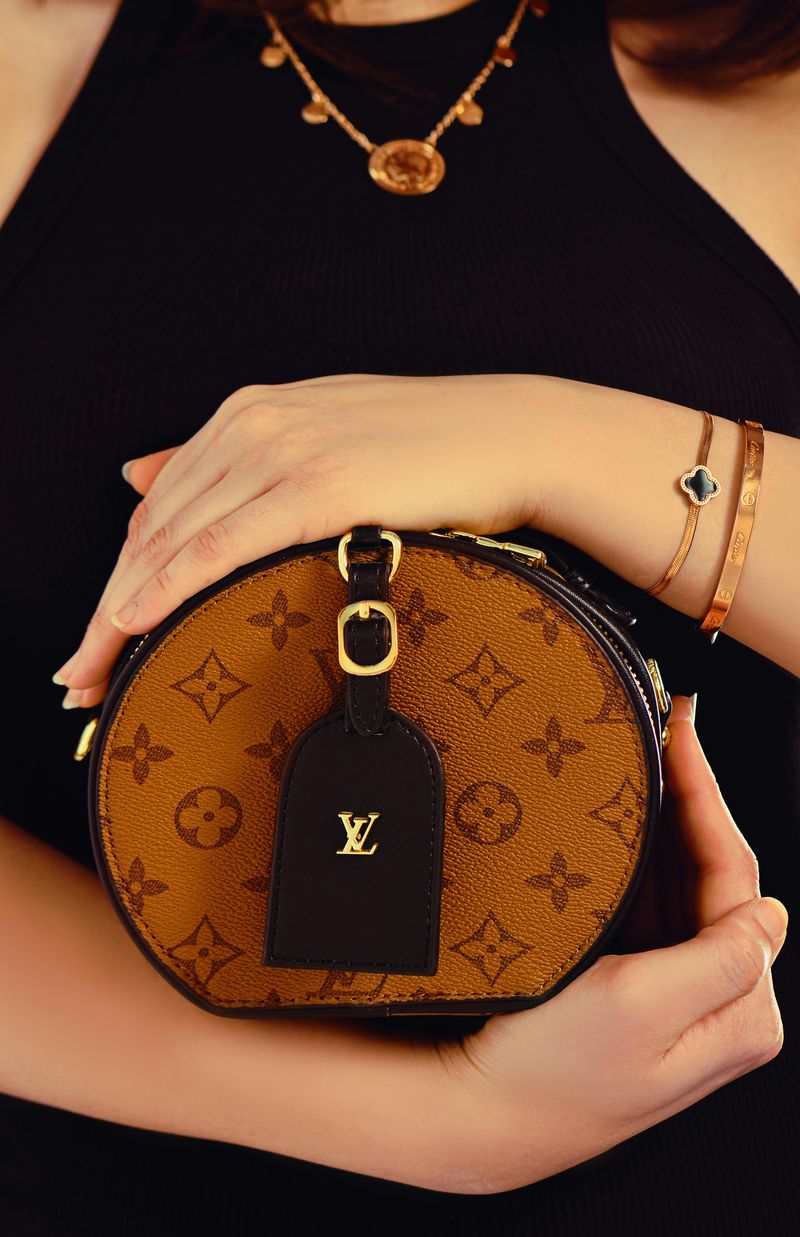
Walk through any shopping mall and you’ll spot dozens of Louis Vuitton canvas bags and Gucci monogram purses.
People save for months or even years to carry these famous logos on their shoulders.
The wealthy, however, usually skip these obvious choices.
Rich people prefer handbags without giant logos plastered everywhere.
They choose leather goods that whisper quality instead of shouting brand names.
A simple, well-made bag in excellent leather says more about taste than any logo ever could.
When everyone can recognize your bag from across the street, it loses its exclusivity.
Truly affluent shoppers want pieces that only other knowledgeable people will recognize and appreciate.
2. Brand-New Luxury Cars Bought for Status
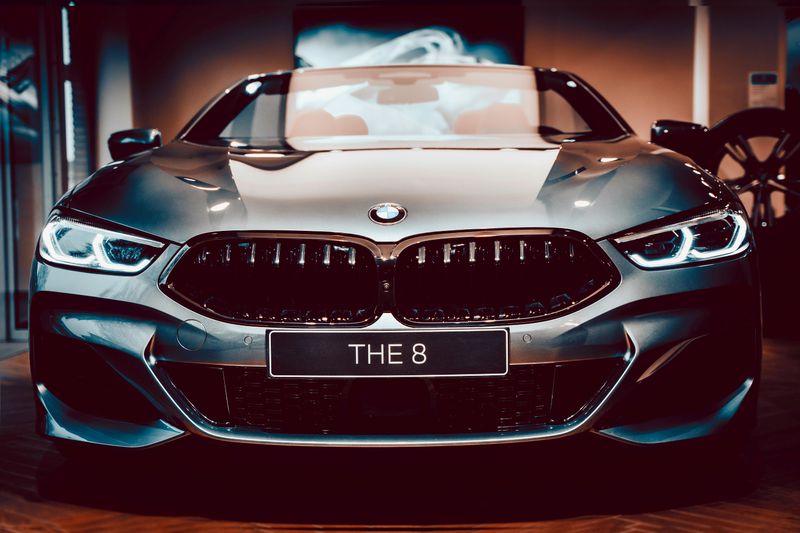
Buying an entry-level Porsche or BMW M-series car outright seems like the ultimate success symbol.
Many middle-class earners stretch their budgets to the limit just to park one in their driveway.
Yet wealthy individuals rarely purchase these vehicles brand new.
Smart money knows that luxury cars lose value incredibly fast.
The moment you drive off the lot, thousands of dollars vanish into thin air.
Instead, rich people lease high-end vehicles, buy them certified pre-owned, or simply choose practical cars that hold value better.
Status-driven purchases make car dealerships rich, not the buyers.
The truly wealthy would rather invest that money in assets that grow instead of depreciate rapidly.
3. High-End Smartwatches as Luxury Items
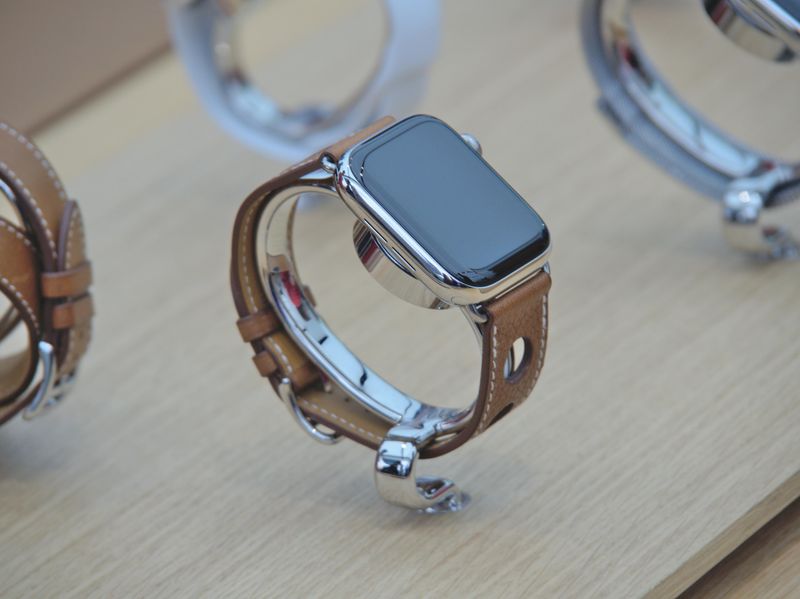
An Apple Watch Hermès edition costs thousands of dollars and combines technology with a famous fashion name.
People view these gadgets as luxury investments, treating them like fine jewelry.
But here’s what the wealthy understand: technology becomes outdated quickly.
In two or three years, that expensive smartwatch will need replacing with a newer model.
Traditional luxury watches from brands like Patek Philippe or Rolex actually increase in value over decades.
They become family heirlooms passed down through generations.
Rich people separate their tech purchases from their luxury purchases.
They’ll buy a regular smartwatch for functionality and invest in timeless mechanical watches that appreciate.
Mixing the two categories just doesn’t make financial sense to them.
4. Red-Sole Designer Shoes
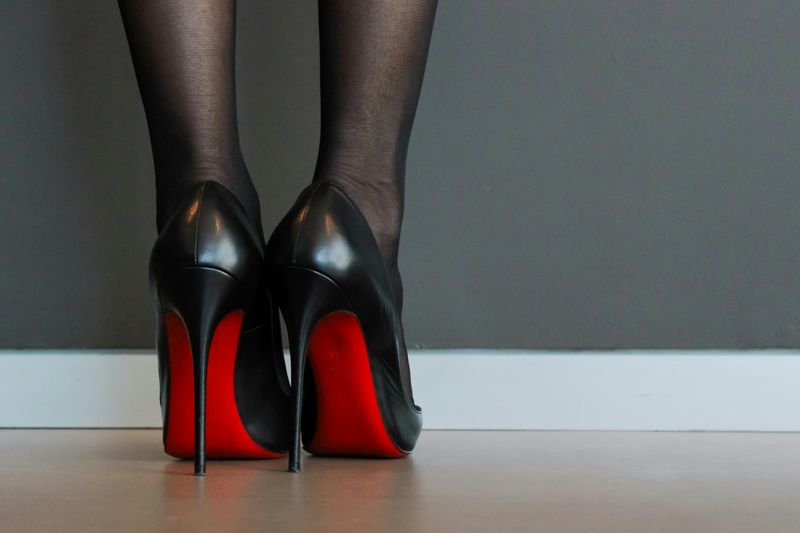
Christian Louboutin’s signature red soles have become instantly recognizable worldwide.
Aspiring fashionistas save their paychecks for months to own a pair of these famous shoes.
The flash of red underneath your feet announces your purchase to everyone nearby.
Wealthy shoppers typically avoid shoes that scream their brand so loudly.
They prefer beautifully crafted footwear from Italian shoemakers that most people have never heard of.
Quality leather, perfect construction, and comfortable fit matter more than recognizable features.
When your shoes are famous mainly for their visible brand marker rather than superior craftsmanship, they become more about showing off than true luxury.
Old money especially avoids anything too obvious or attention-seeking in their wardrobe choices.
5. Oversized Logo Streetwear Drops
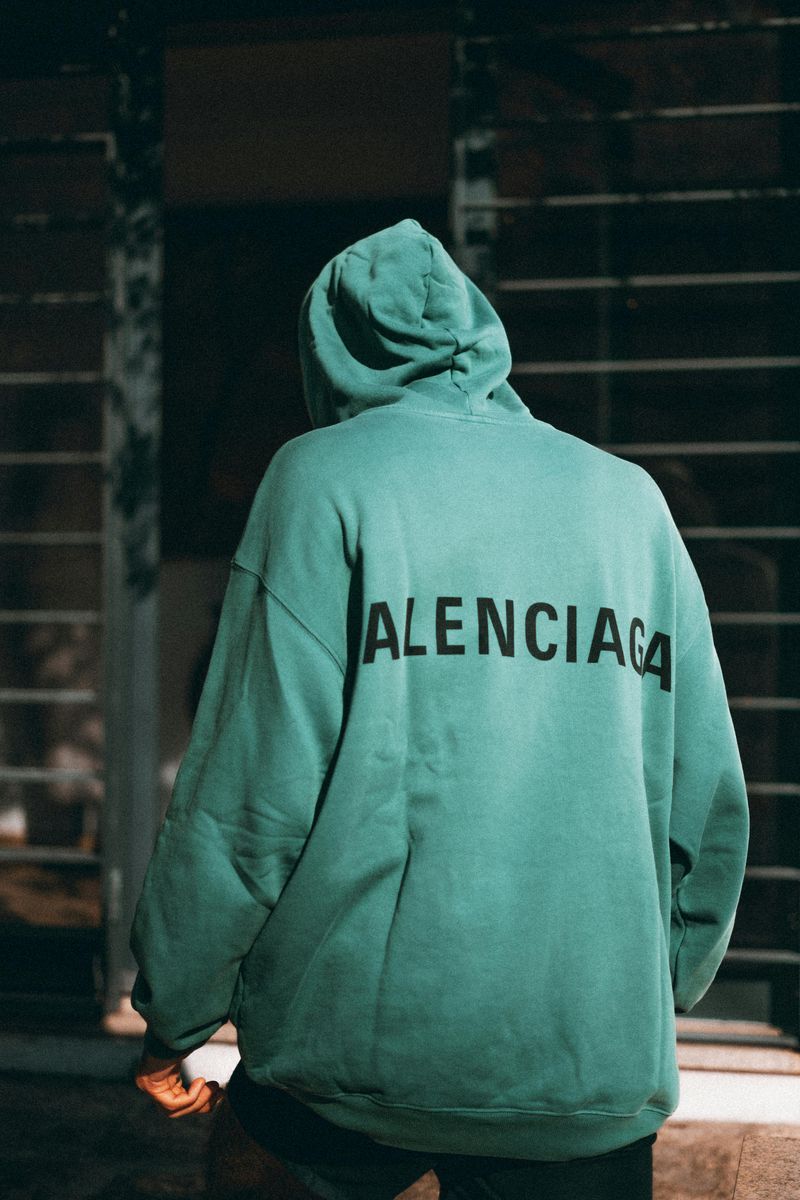
Limited-edition Supreme hoodies or Balenciaga shirts with massive logos sell out within minutes.
Fans camp outside stores or refresh websites frantically, hoping to snag the latest drop.
These pieces cost hundreds or thousands of dollars and boldly display their brand across your chest.
The truly wealthy rarely participate in this hype culture.
They find the idea of wearing giant advertisements somewhat puzzling.
Why pay premium prices to become a walking billboard for someone else’s company?
Old money and established wealth favor understated clothing without obvious branding.
They invest in classic pieces from tailors and designers who focus on cut, fabric, and timeless style.
Trends come and go, but quality clothing lasts decades without looking dated or desperate.
6. Starter Luxury Watches at Peak Hype
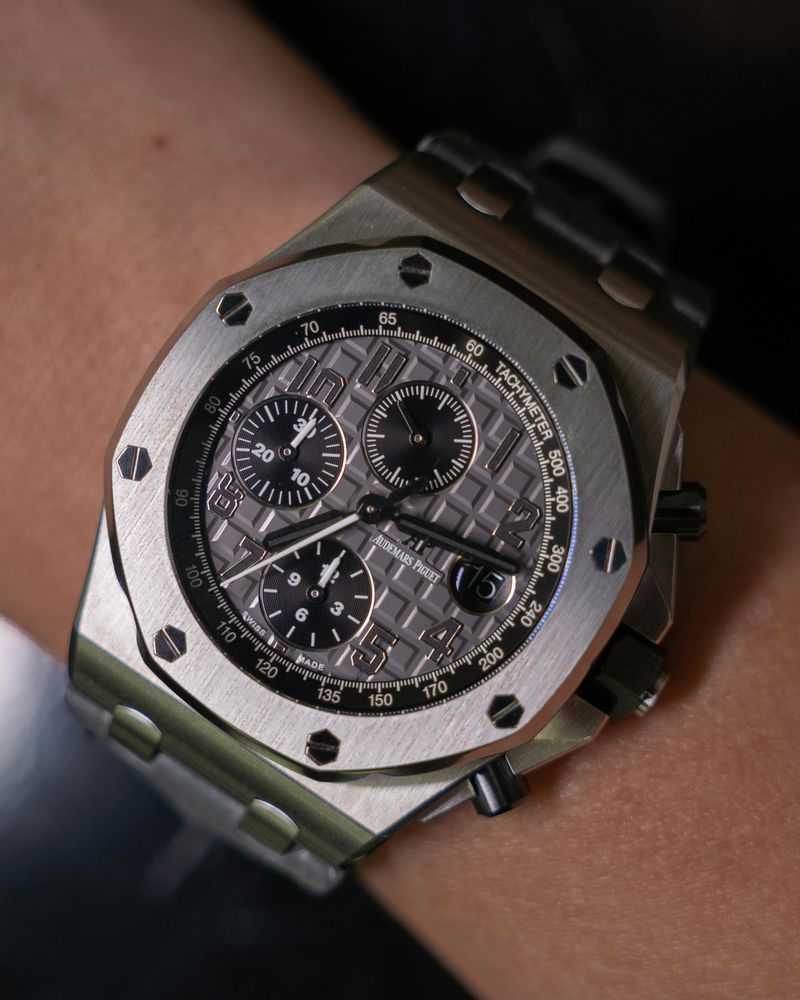
Rolex Submariners and Audemars Piguet Royal Oaks have waiting lists years long.
People pay above retail prices to resellers just to get their hands on these coveted timepieces.
The hype surrounding certain models drives prices to astronomical levels.
Wealthy collectors know better than to chase hyped watches at inflated prices.
They understand that trends shift and today’s hot model might cool down tomorrow.
Instead, they build relationships with authorized dealers and wait patiently for fair opportunities.
Paying double or triple retail just to have something immediately shows poor financial judgment.
The rich play the long game with luxury watches, focusing on pieces they genuinely love rather than whatever social media currently celebrates.
7. Individual First-Class Airline Tickets
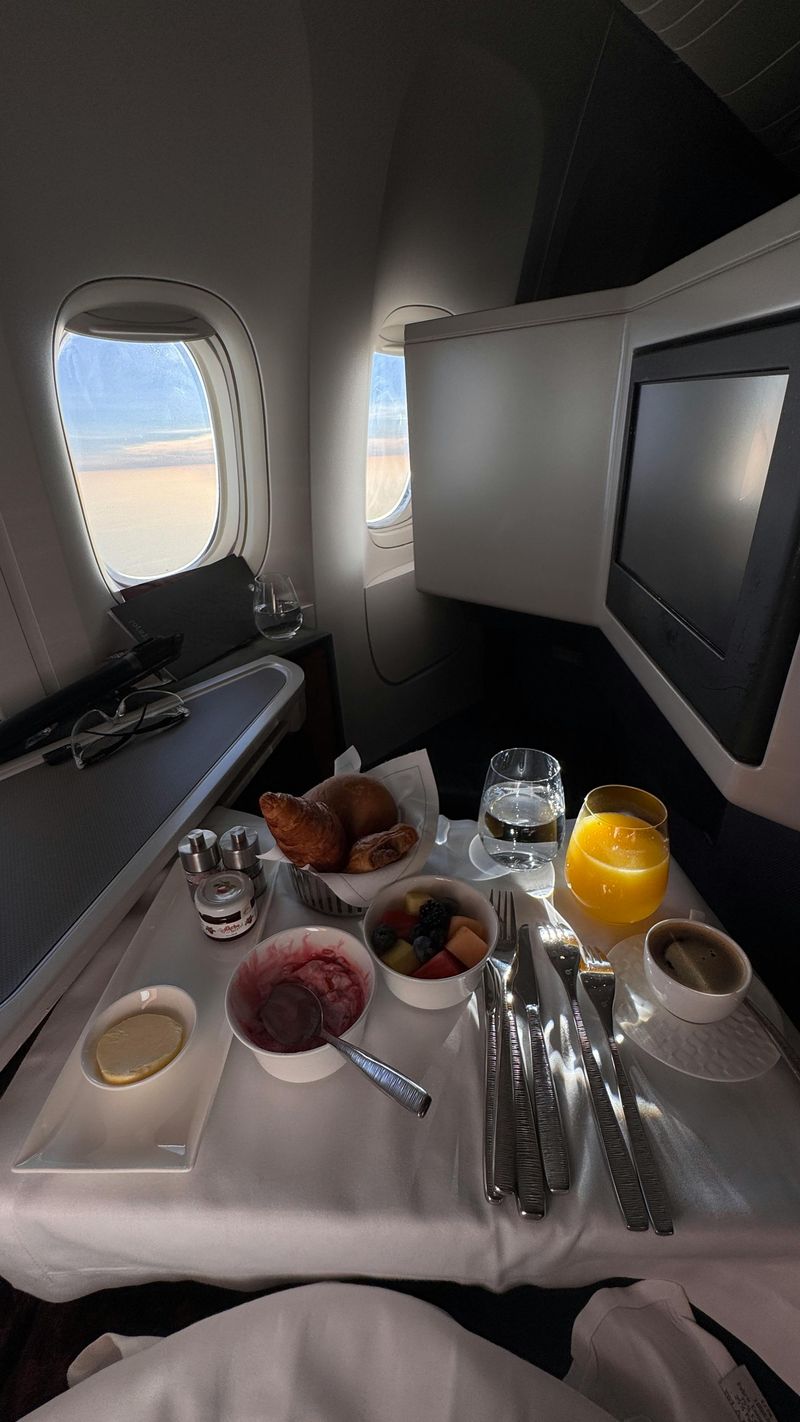
First-class international flights can cost ten thousand dollars or more for a single ticket.
Many people save for years to experience this luxury once, treating it as a bucket-list achievement.
The fancy seats, gourmet meals, and premium service feel like the ultimate reward.
Actually wealthy travelers almost never buy these tickets at full price.
They accumulate points through business spending, use negotiated corporate rates, or leverage credit card benefits.
Some even fly business class instead, which offers most comforts at a fraction of the cost.
Paying cash for first-class tickets when you could invest that money elsewhere makes little financial sense.
The flight experience lasts just hours, while smart investments compound for years.
8. Designer Home Décor for Social Media
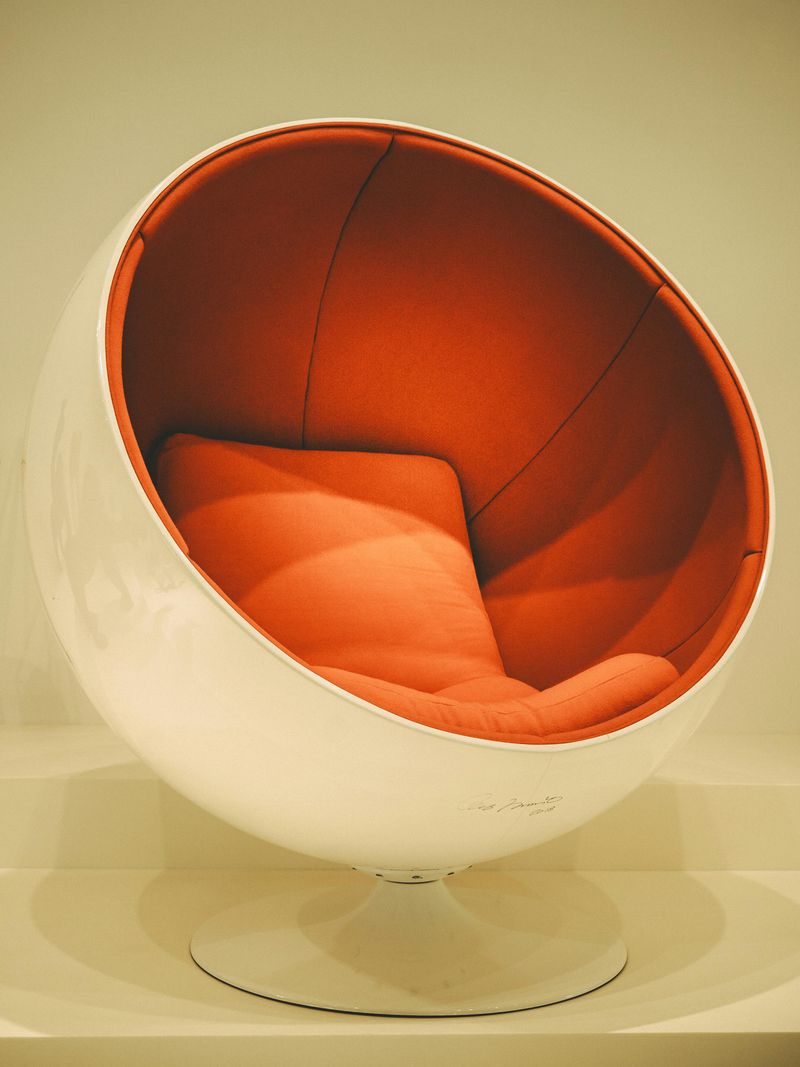
Instagram-famous chairs, designer vases, and luxury throw pillows fill aspirational homes everywhere.
People purchase these expensive pieces specifically because they photograph well and impress online followers.
A single designer chair can cost as much as an entire living room set.
The wealthy certainly have beautiful homes, but they don’t buy furniture for social media validation.
They work with interior designers to create cohesive, comfortable spaces that reflect personal taste.
Many pieces come from auctions, antique dealers, or custom makers rather than trendy designer showrooms.
Buying individual statement pieces just for photos creates homes that look staged rather than lived-in.
Real luxury means surrounding yourself with things you genuinely love, not things that earn likes.
9. Bottle-Service Nightlife Experiences

Spending thousands of dollars on bottle service at exclusive nightclubs feels like living the high life.
Groups save up for special occasions to reserve VIP tables and pop expensive champagne bottles.
The sparklers, attention, and velvet ropes create memorable Instagram moments.
Genuinely wealthy people rarely participate in this scene.
They recognize bottle service as overpriced alcohol with theatrical presentation.
The same champagne costs a fraction at retail stores.
Why pay ten times markup just for table delivery and sparklers?
Old money especially finds this display somewhat embarrassing.
They prefer private gatherings, members-only clubs, or quiet dinners at exclusive restaurants.
Real luxury doesn’t need sparklers or public attention to feel special and meaningful.
10. Ultra-Expensive New Gadgets Annually
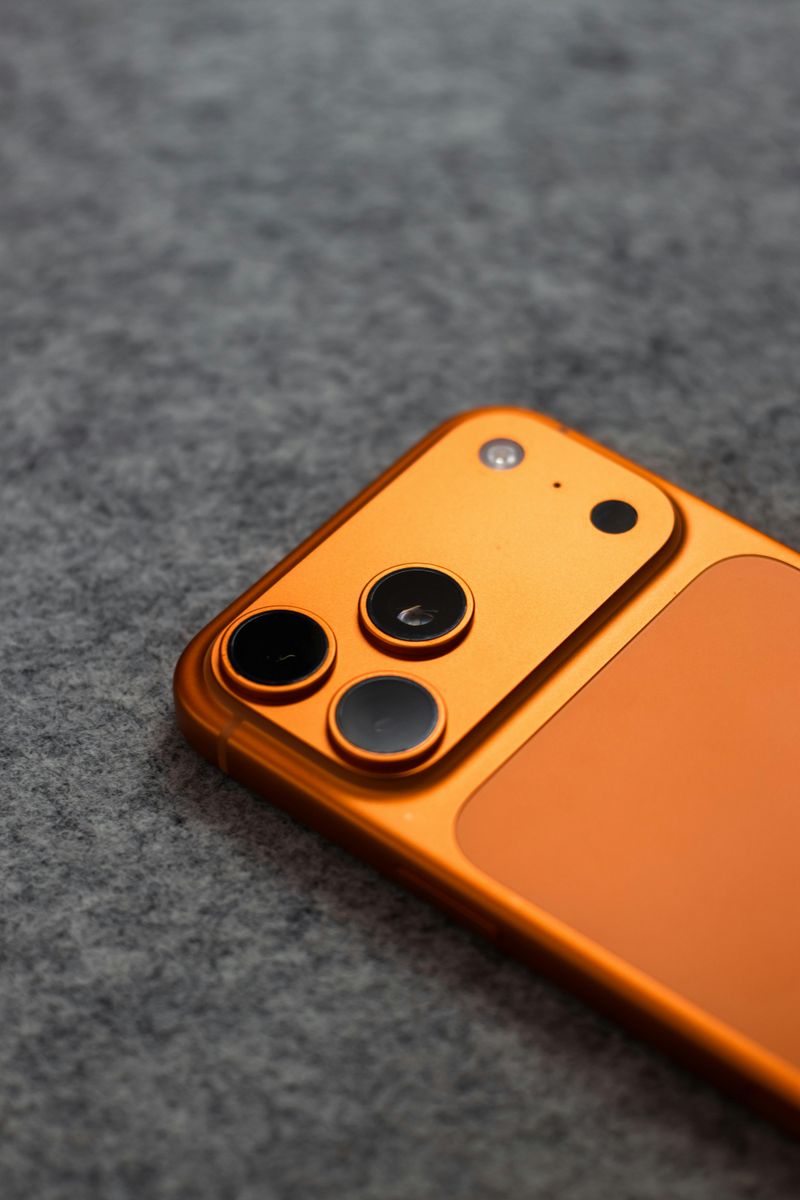
Every year brings new flagship smartphones, laptops, and tablets with premium price tags.
Some people upgrade annually, always needing the latest model regardless of whether their current device works perfectly.
They view staying current with technology as essential to their image.
The wealthy certainly use quality technology, but they don’t chase every new release.
They upgrade when devices actually need replacing or when new features genuinely improve their productivity.
Spending thousands yearly on marginal improvements makes no sense financially.
Tech companies love customers who buy every new model, but smart money recognizes this pattern as wasteful consumption.
The truly rich focus their spending on things that appreciate or provide lasting value, not disposable gadgets.