 MomSkoop

Growing older doesn’t mean you have to feel old. Many people over 60 have discovered that the secret to staying energetic, sharp, and vibrant lies right in their kitchens.
Simple, everyday foods can work wonders for your body and mind, helping you maintain strength, glowing skin, and mental clarity well into your golden years.
1. Blueberries – Rich in antioxidants that support brain health and help reduce oxidative stress
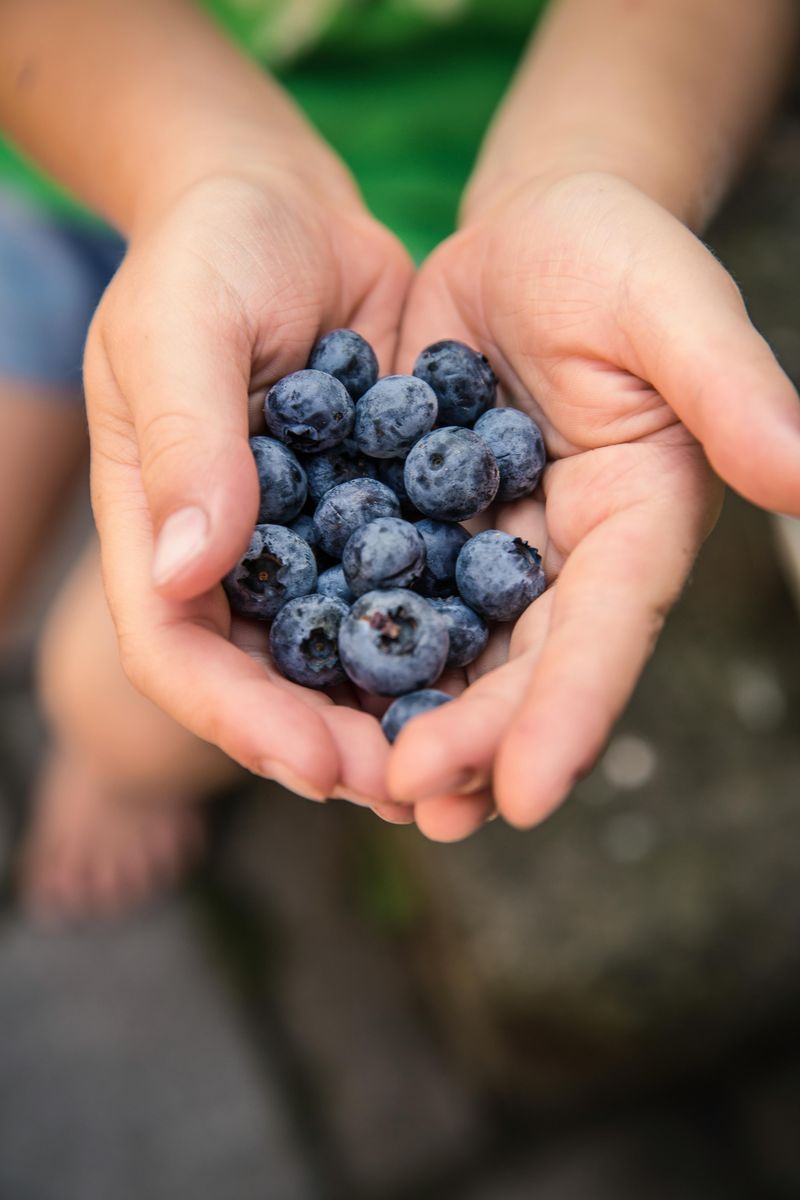
Pop a handful of these tiny blue gems into your morning routine and your brain will thank you.
Blueberries are loaded with compounds called anthocyanins, which give them their deep color and incredible health benefits.
Studies show these antioxidants can improve memory and slow down age-related decline in brain function.
They fight off harmful molecules called free radicals that damage cells throughout your body.
Many people over 60 add them to yogurt, oatmeal, or smoothies for a delicious boost.
Fresh or frozen, blueberries maintain their nutritional punch.
Their natural sweetness makes them an easy swap for sugary snacks, supporting healthy blood sugar levels while satisfying cravings.
2. Salmon – High in omega-3 fatty acids, which support heart health, joints, and skin elasticity

Few foods pack as much nutritional power as this pink-fleshed fish.
Omega-3 fatty acids found in salmon work like natural lubricants for your joints, reducing stiffness and discomfort that often comes with aging.
These same healthy fats keep your heart strong by lowering inflammation and supporting proper blood flow.
Your skin benefits too, staying supple and hydrated from the inside out.
Wild-caught salmon offers the highest concentration of these beneficial oils.
Aim for two servings weekly, whether baked, grilled, or pan-seared.
The protein content helps maintain muscle mass, which naturally decreases after 60.
Even canned salmon with bones provides calcium for strong bones.
3. Leafy Greens (spinach, kale) – Packed with vitamins A, C, K, and folate for cellular health and bone strength
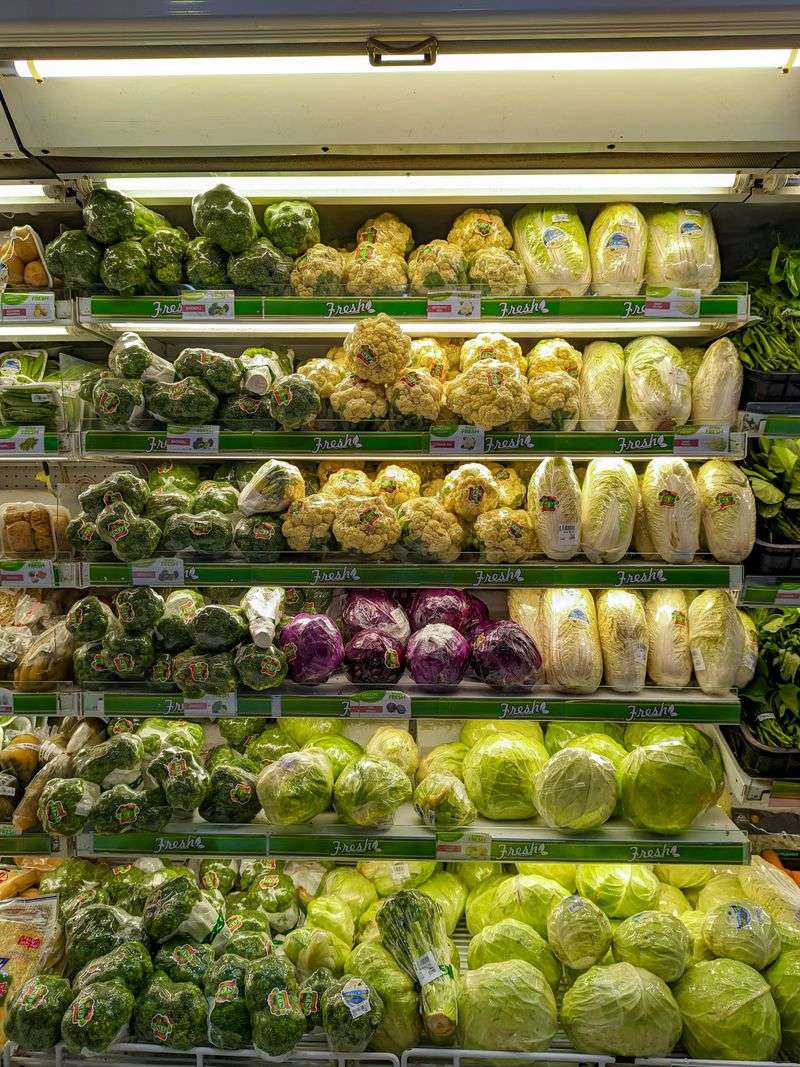
Your grandmother was right when she told you to eat your greens.
Spinach and kale deliver an impressive lineup of vitamins that keep your cells functioning properly and your bones dense.
Vitamin K plays a crucial role in preventing fractures by helping calcium bind to bone tissue.
Meanwhile, folate supports healthy blood cells and reduces risk factors for heart disease.
Dark leafy greens also contain lutein, which protects your eyes from age-related vision problems.
Sauté them with garlic, toss them raw into salads, or blend them into smoothies where their mild taste disappears.
One cup daily provides significant nutritional benefits without many calories.
4. Avocados – Provide healthy fats and potassium that support skin, heart, and metabolic health
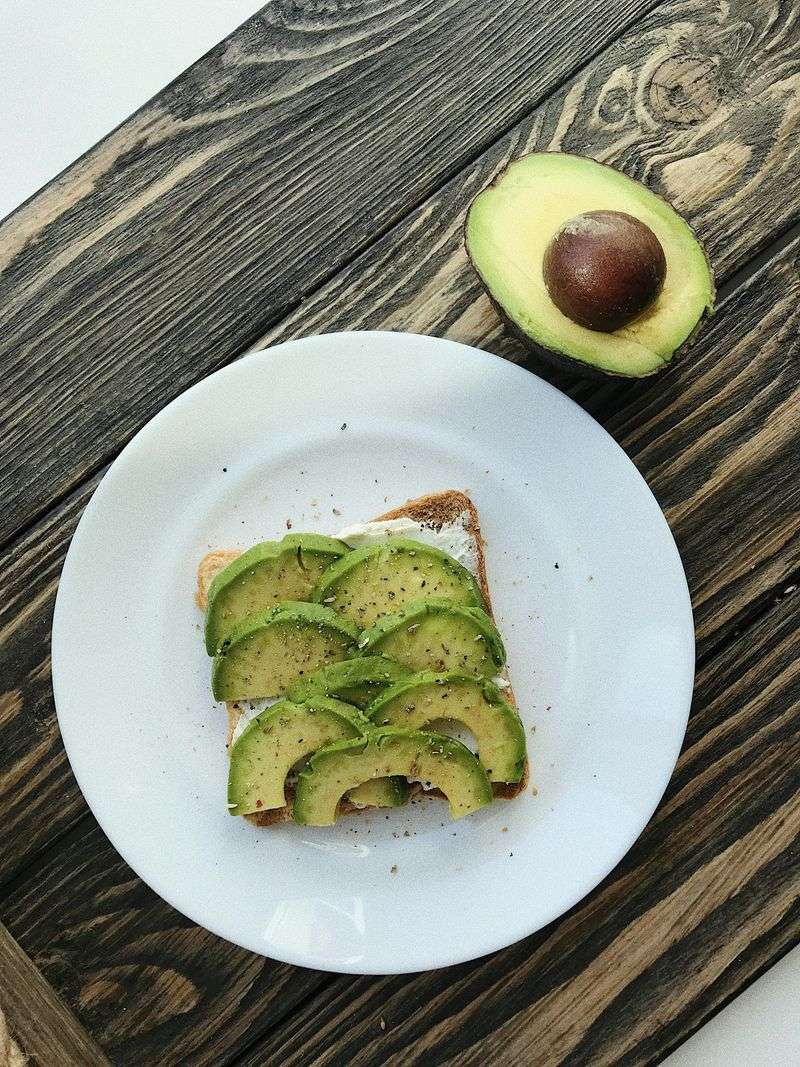
Creamy, satisfying, and surprisingly good for you, avocados have earned their superfood status.
The monounsaturated fats they contain help your body absorb other nutrients more effectively while keeping your skin moisturized and youthful-looking.
Potassium content actually exceeds that of bananas, helping regulate blood pressure and reduce stroke risk.
These green fruits support healthy cholesterol levels when they replace saturated fats in your diet.
Spread them on whole-grain toast, cube them into salads, or mash them into guacamole.
Half an avocado provides substantial nutrition without overdoing calories.
Their fiber content also promotes healthy digestion and helps you feel full longer.
5. Extra-Virgin Olive Oil – A cornerstone of longevity diets; supports cardiovascular health and reduces inflammation

Mediterranean communities have treasured this golden liquid for thousands of years, and science now confirms their wisdom.
Extra-virgin olive oil contains powerful anti-inflammatory compounds that protect your blood vessels and reduce chronic disease risk.
People who consume it regularly show lower rates of heart disease, stroke, and cognitive decline.
The polyphenols in high-quality olive oil act like medicine for your cardiovascular system.
Drizzle it over vegetables, use it for low-heat cooking, or dip whole-grain bread into it.
Choose bottles labeled cold-pressed and stored in dark glass to preserve beneficial compounds.
Two tablespoons daily provides optimal benefits for aging bodies.
6. Nuts (almonds, walnuts) – Contain healthy fats, protein, and micronutrients that support brain and heart function
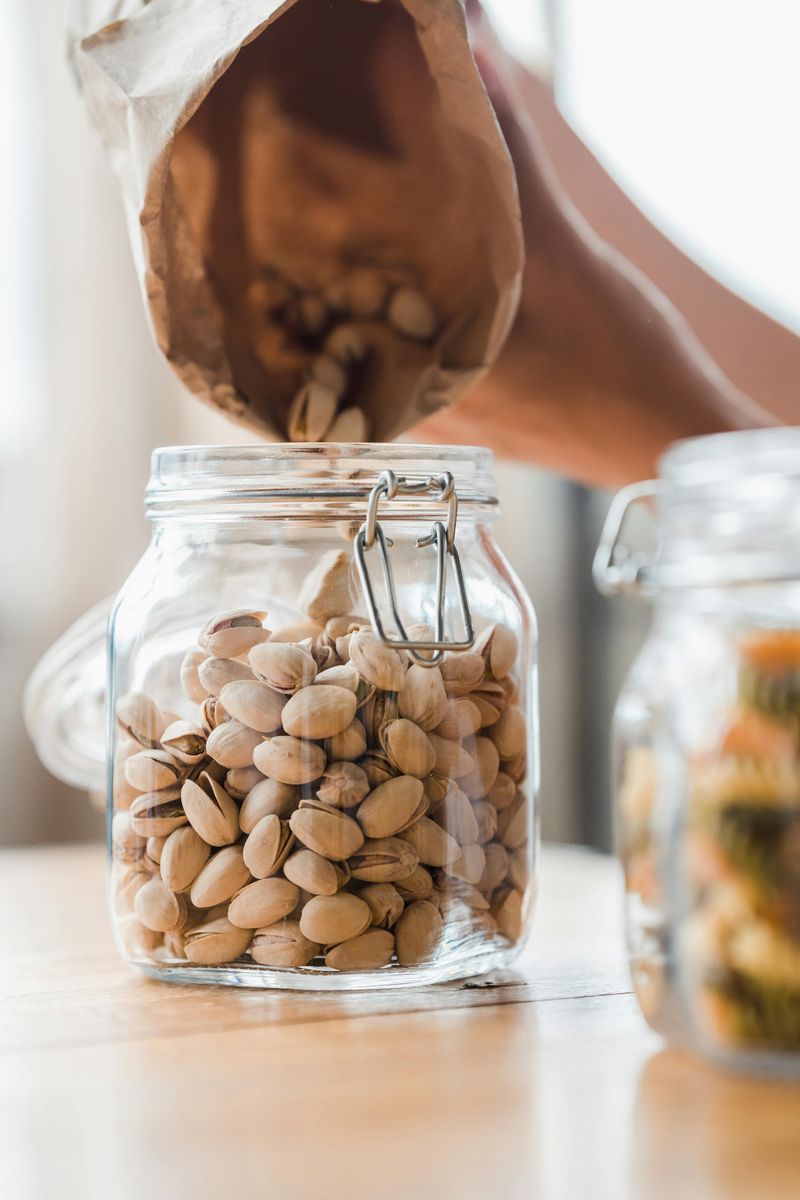
Crunchy, portable, and packed with nutrition, nuts make the perfect snack for active seniors.
Walnuts specifically contain alpha-linolenic acid, a plant-based omega-3 that supports brain health and may reduce dementia risk.
Almonds provide vitamin E, which protects cells from damage and keeps your immune system strong.
Both varieties offer magnesium for healthy blood pressure and bone density.
Research shows that people who eat nuts regularly tend to live longer and maintain better weight control.
A small handful daily, about one ounce, delivers benefits without excessive calories.
Raw or lightly roasted nuts retain more nutrients than heavily salted or sweetened versions.
7. Greek Yogurt – High in protein and probiotics, supporting muscle maintenance and gut health
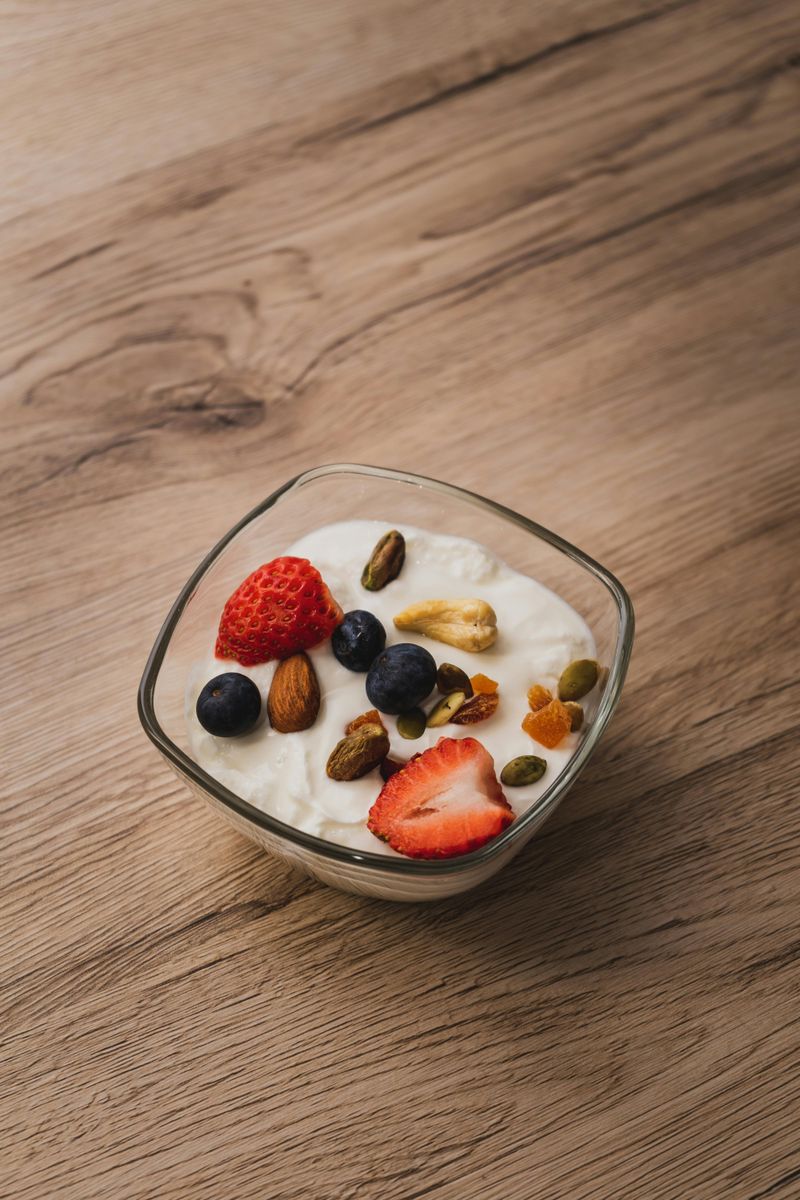
Thick, tangy, and tremendously beneficial, Greek yogurt stands out among dairy products.
Its concentrated protein content, nearly double that of regular yogurt, helps preserve muscle mass that naturally diminishes with age.
Live cultures called probiotics populate your digestive system with friendly bacteria that strengthen immunity and improve nutrient absorption.
Many people over 60 notice better digestion and fewer stomach issues when they eat yogurt regularly.
Calcium and vitamin D in fortified varieties protect bone density, reducing fracture risk.
Choose plain versions to avoid added sugars, then sweeten naturally with fruit or a drizzle of honey.
One cup provides substantial nutrition for breakfast or snacks.
8. Beans and Lentils – Excellent sources of fiber and plant protein that help regulate blood sugar and digestion
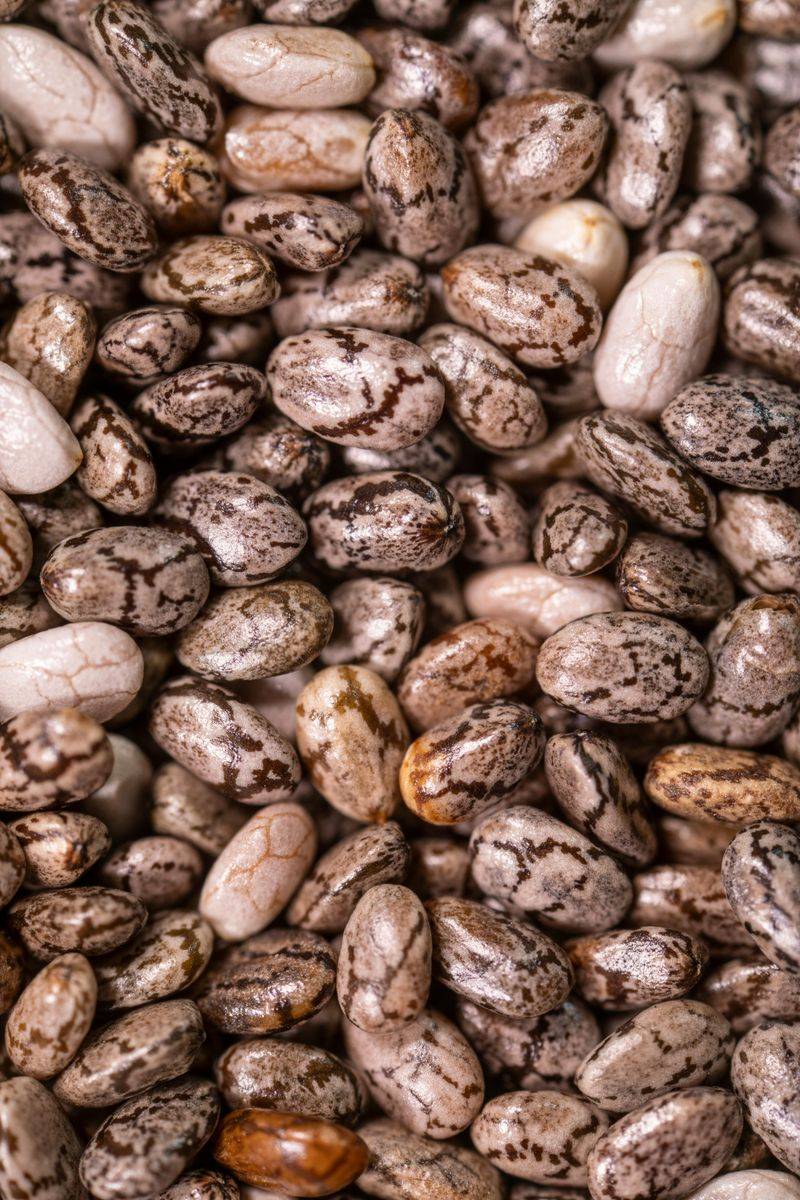
Budget-friendly and incredibly versatile, legumes deserve a starring role in your weekly menu.
Their high fiber content slows sugar absorption, preventing the spikes and crashes that leave you tired and hungry.
This makes them particularly valuable for managing or preventing type 2 diabetes, which becomes more common after 60.
Plant-based protein in beans and lentils supports muscle maintenance without the saturated fat found in some animal proteins.
They also feed beneficial gut bacteria that influence everything from mood to immunity.
Add them to soups, salads, or enjoy them as side dishes.
Canned varieties offer convenience, though dried beans provide more control over sodium content.
9. Eggs – Nutrient-dense, providing high-quality protein, choline for brain health, and lutein for eye health

Affordable and endlessly adaptable, eggs have made a comeback after years of unfair criticism.
Each egg contains all nine essential amino acids your body needs to build and repair tissues.
Choline, found abundantly in yolks, supports memory and cognitive function while reducing brain inflammation.
Lutein and zeaxanthin protect your retinas from age-related macular degeneration, the leading cause of vision loss in seniors.
Recent research shows dietary cholesterol from eggs has minimal impact on blood cholesterol for most people.
Scrambled, boiled, or poached, eggs provide satisfying nutrition any time of day.
Their protein helps you maintain steady energy without mid-morning crashes.
10. Dark Chocolate (70%+ cacao) – In moderation, offers flavonoids that support circulation and cognitive function
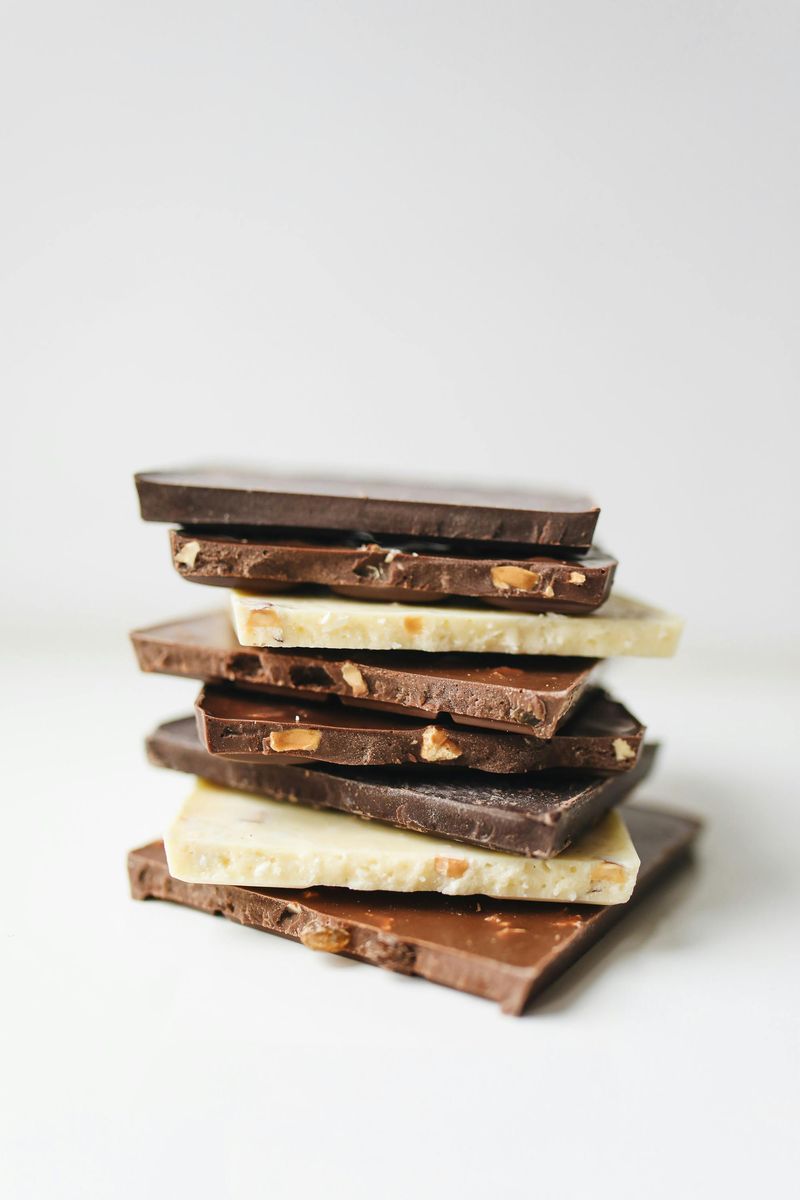
Yes, chocolate can actually be good for you when you choose the right kind.
Dark chocolate with high cacao content contains flavonoids that improve blood flow to your brain and heart, potentially lowering blood pressure.
These plant compounds act as antioxidants, protecting cells from damage that accelerates aging.
Studies suggest regular dark chocolate consumption may enhance memory and mood in older adults.
The key lies in moderation and quality.
Look for bars with 70% cacao or higher and minimal added sugar.
One or two small squares daily satisfies sweet cravings while delivering health benefits.
Milk chocolate lacks these advantages, so stick with the darker varieties for maximum nutritional value.