 MomSkoop

What if the secret to a longer, healthier life was already sitting in your kitchen? Scientists and nutrition experts have spent years studying the diets of the world’s longest-living populations, and they keep finding the same foods showing up again and again.
From colorful berries to humble beans, these everyday ingredients are packed with nutrients that support your heart, brain, and immune system. Adding more of them to your plate could be one of the simplest steps you take toward a longer, more vibrant life.
1. Legumes
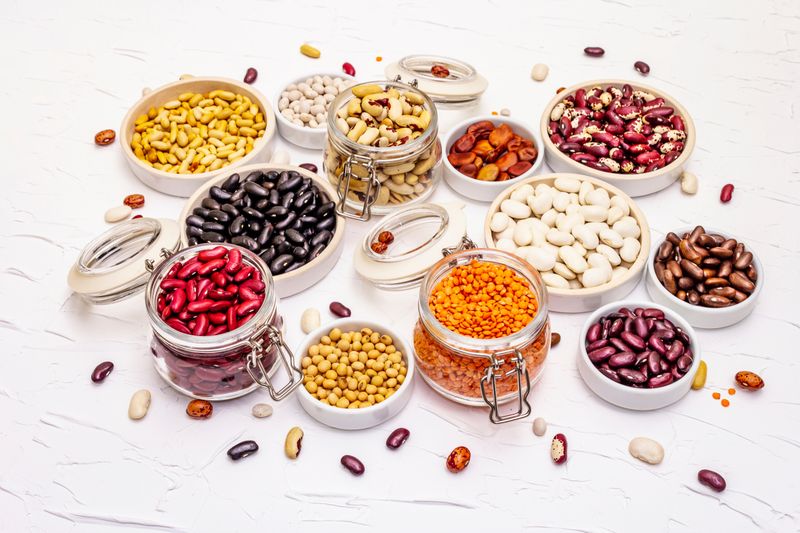
Beans have been feeding civilizations for thousands of years, and modern science is finally catching up to what ancient cultures already knew.
Legumes like lentils, chickpeas, and black beans are loaded with fiber, plant-based protein, and key minerals like magnesium and potassium.
Studies show that people who eat legumes regularly have a lower risk of heart disease and type 2 diabetes.
They also help you feel full longer, which supports a healthy weight.
Try swapping meat for beans in tacos or soups a few times a week.
Small changes like this can add up to big health benefits over time.
2. Berries
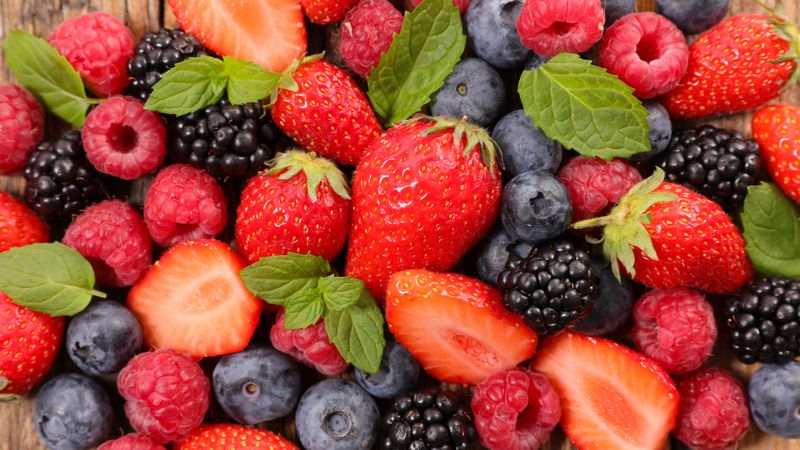
Tiny but mighty, berries pack more antioxidants per bite than almost any other fruit on the planet.
Blueberries, strawberries, and raspberries contain powerful compounds called flavonoids that help protect your cells from damage.
Research published in nutrition journals links regular berry consumption to better brain function, reduced inflammation, and a lower risk of heart disease.
The deep blue and red pigments you see in berries are actually the antioxidants doing their job.
Tossing a handful into your morning oatmeal or yogurt is an easy win.
Fresh, frozen, or dried, berries bring serious health power in a small, sweet package.
3. Fatty Fish
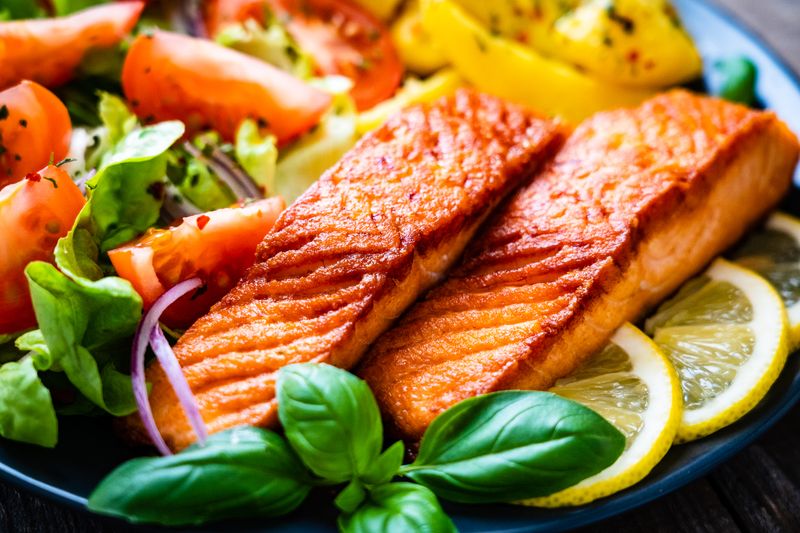
Salmon, mackerel, and sardines might just be some of the most underrated foods on your grocery list.
Fatty fish are rich in omega-3 fatty acids, a type of healthy fat your body cannot produce on its own.
Omega-3s are known to reduce inflammation, lower blood pressure, and protect your heart from disease.
Studies suggest that people who eat fatty fish at least twice a week have significantly lower rates of cardiovascular problems.
Beyond the heart, omega-3s also support brain health and may reduce the risk of memory decline as you age.
Grilling or baking fish keeps it healthy and delicious without adding unnecessary calories.
4. Leafy Green Vegetables
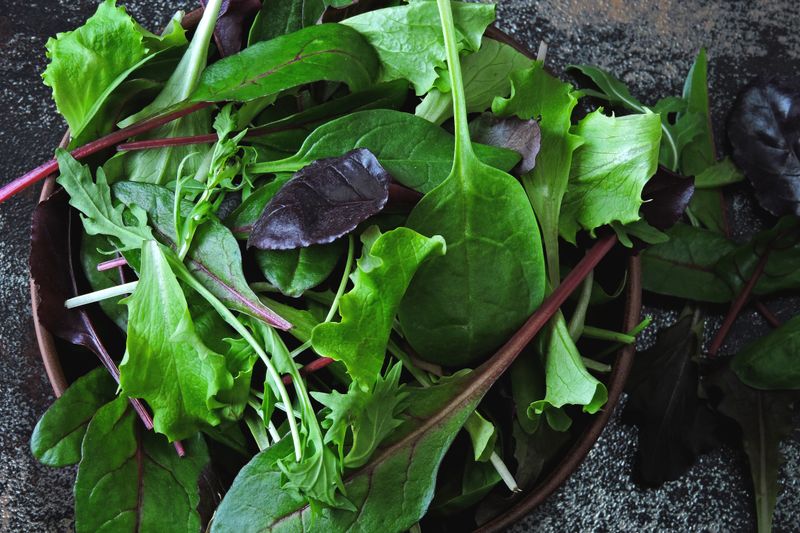
Popeye was onto something.
Leafy greens like spinach, kale, and Swiss chard are among the most nutrient-dense foods you can eat.
Packed with vitamins A, C, and K, plus folate and iron, these vegetables support everything from bone strength to immune function.
Research has shown that eating leafy greens regularly is linked to a slower rate of cognitive decline, meaning your brain stays sharper longer.
They are also low in calories, making them easy to add to almost any meal without guilt.
Blend them into smoothies, toss them in salads, or sauté them with garlic for a simple, satisfying side dish.
5. Yogurt and Fermented Foods
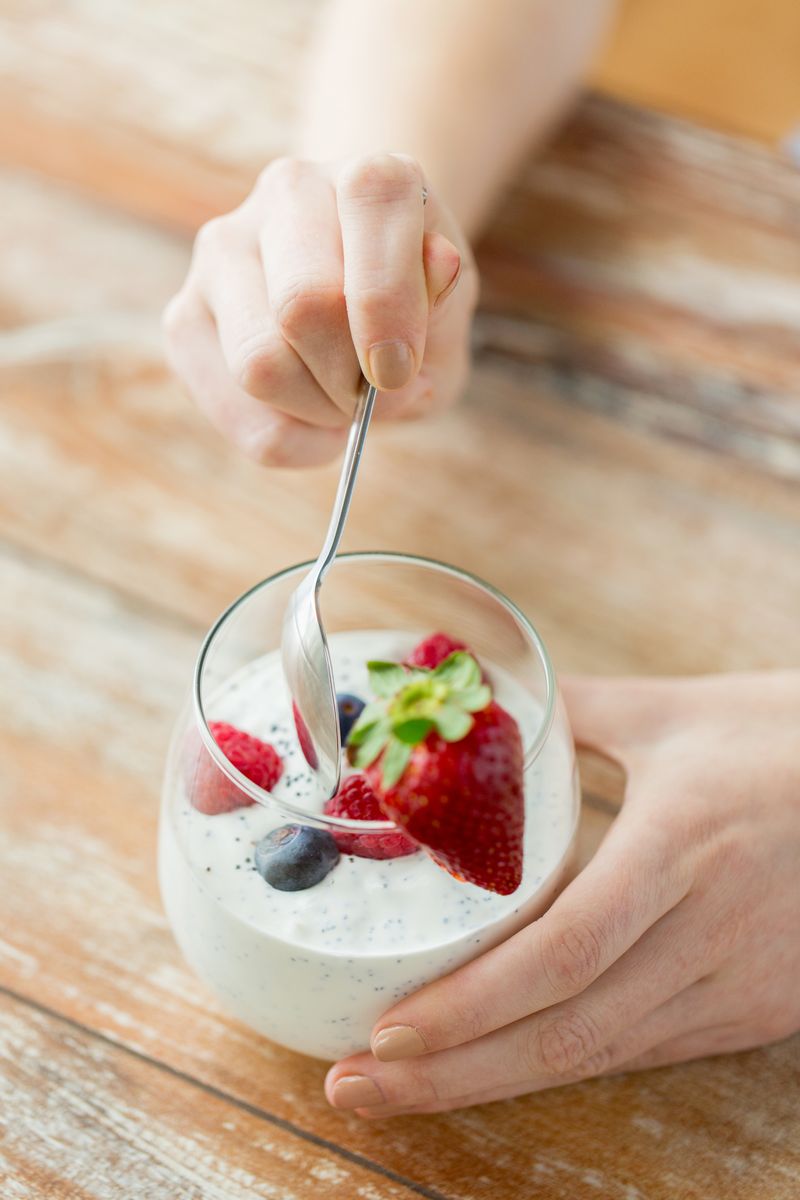
Your gut has more influence over your overall health than most people realize, and fermented foods are one of the best ways to keep it happy.
Yogurt, kefir, kimchi, and sauerkraut are filled with beneficial bacteria called probiotics.
These good bacteria help balance your digestive system, strengthen your immune response, and even affect your mood.
Research suggests that a healthy gut microbiome is connected to lower risks of chronic disease and longer life expectancy.
When choosing yogurt, go for plain varieties with live active cultures and skip the ones loaded with added sugar.
Your gut will absolutely thank you for it.
6. Whole Grains
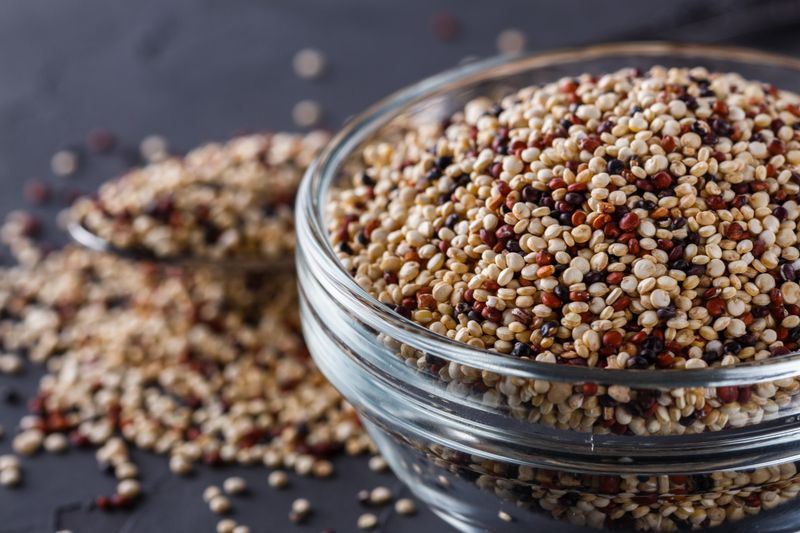
Swapping white bread for whole grain toast might seem like a small move, but over a lifetime, that choice could genuinely matter.
Whole grains like oats, brown rice, barley, and quinoa retain their bran and germ layers, which is where most of the fiber and nutrients live.
Studies consistently show that people who eat more whole grains have lower rates of heart disease, stroke, and type 2 diabetes.
The fiber in whole grains also feeds beneficial gut bacteria and helps regulate blood sugar levels.
Starting your morning with oatmeal or choosing whole grain bread are simple, effective habits that support long-term health from the inside out.
7. Olive Oil
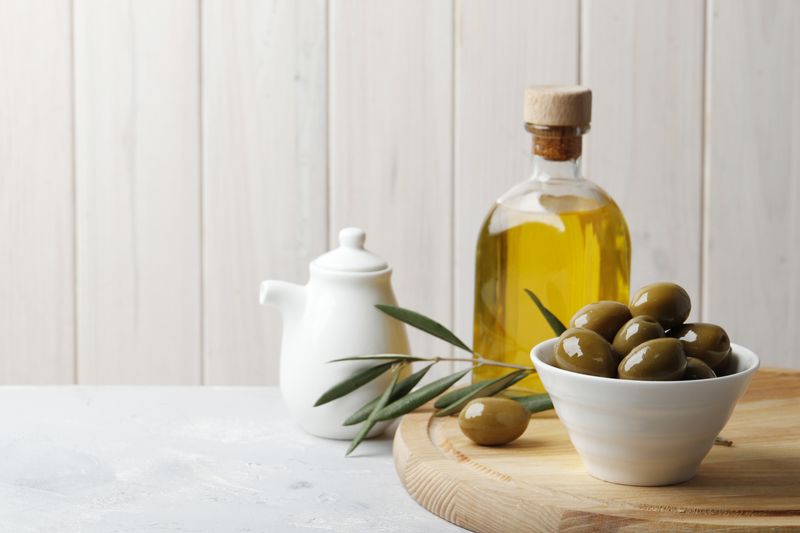
For centuries, people living along the Mediterranean coast have drizzled olive oil over nearly everything they eat, and researchers believe this habit is one reason they tend to live so long.
Extra virgin olive oil is rich in monounsaturated fats and a compound called oleocanthal, which works similarly to anti-inflammatory medications.
Regular consumption has been linked to reduced risk of heart disease, stroke, and even certain cancers.
Unlike butter or processed vegetable oils, olive oil supports healthy cholesterol levels rather than raising them.
Using it as your primary cooking fat or salad dressing is a flavorful, research-backed upgrade to your everyday diet.
8. Nuts
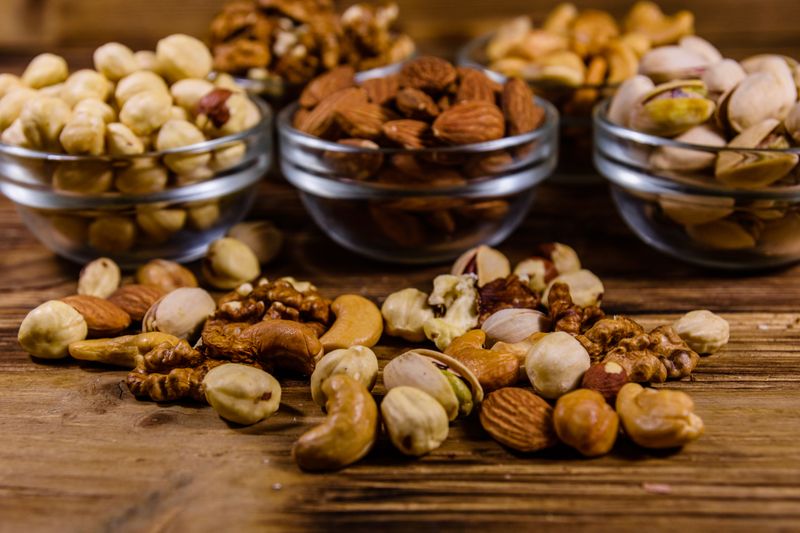
A small handful of nuts each day might be one of the easiest longevity habits you can build.
Almonds, walnuts, cashews, and pistachios are all rich in healthy fats, fiber, plant protein, and a range of vitamins and minerals.
Walnuts in particular stand out for their high content of alpha-linolenic acid, a plant-based omega-3 fatty acid that supports heart and brain health.
A large Harvard study found that people who ate nuts daily had a 20 percent lower risk of dying from heart disease compared to those who rarely ate them.
Keep a small bag of mixed nuts at your desk or in your bag for a quick, satisfying snack.
9. Cruciferous Vegetables
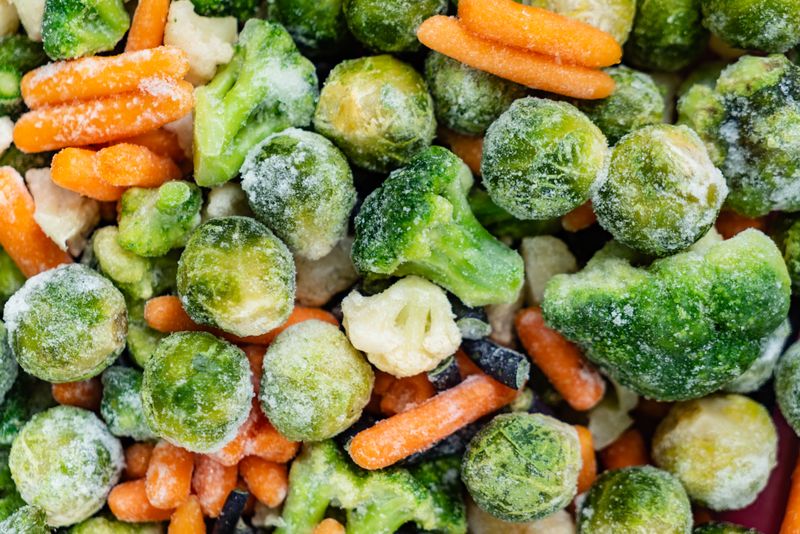
Broccoli has a reputation for being the vegetable kids push around their plates, but grown-ups who eat it regularly might be making one of the smartest choices of their lives.
Cruciferous vegetables like broccoli, cauliflower, Brussels sprouts, and cabbage contain a compound called sulforaphane, which has shown strong anti-cancer properties in scientific studies.
They are also rich in fiber, vitamin C, and folate, all of which support immune function and cell repair.
Eating these vegetables several times a week has been linked to reduced risk of certain cancers and better cardiovascular health.
Roasting them with a little olive oil brings out a natural sweetness that even picky eaters tend to enjoy.
10. Green Tea

In Japan, green tea is more than just a drink.
It is a daily ritual, and Japan consistently ranks among the countries with the longest life expectancy in the world.
Green tea is loaded with antioxidants called catechins, especially one known as EGCG, which has been studied for its potential to reduce inflammation, support brain function, and lower the risk of certain cancers.
Regular green tea drinkers also tend to show better heart health markers in clinical research.
Unlike coffee, green tea delivers a calm, steady energy boost without the jittery side effects.
Swapping one cup of soda for green tea each day is a refreshingly simple step toward better health.