 MomSkoop
Your nightstand might seem like a convenient catch-all spot, but not everything belongs there.
Some everyday items can disrupt your sleep, create hazards, or simply add unnecessary stress to your bedtime routine.
Clearing away these common culprits can transform your bedroom into a true sanctuary of rest.
1. Old or Broken Electronics
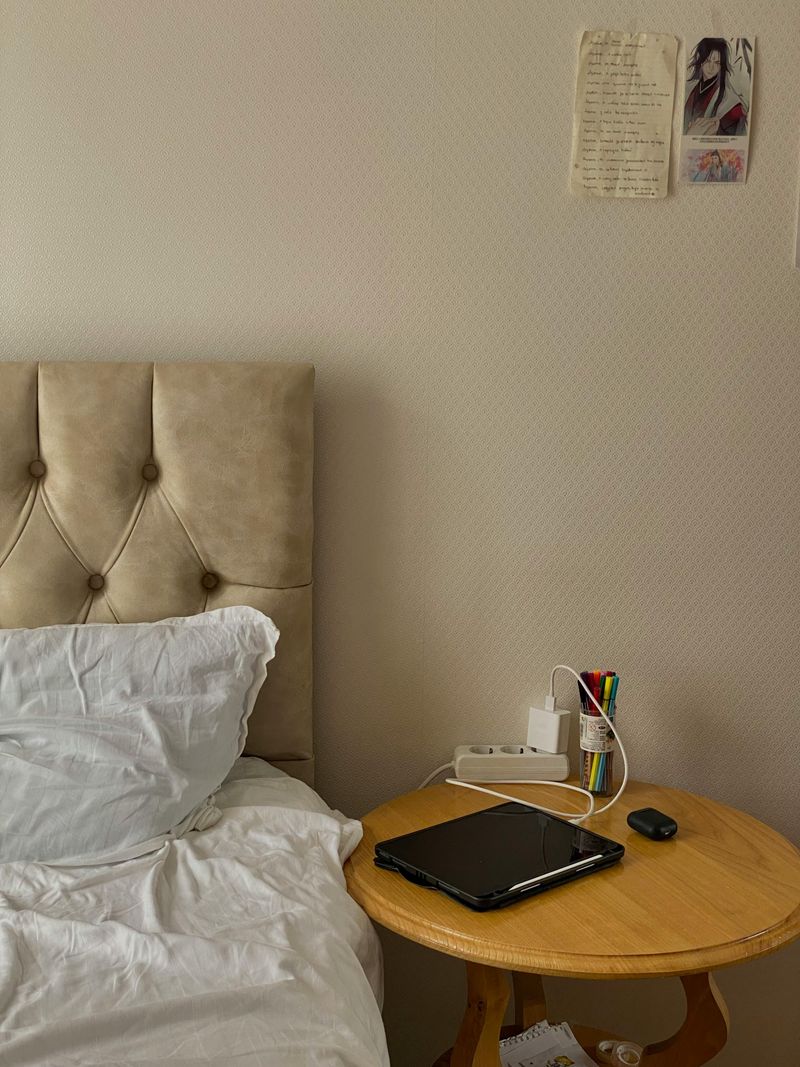
That cracked phone screen or tangled mess of old chargers might not seem dangerous, but they pose real risks that don’t belong inches from where you sleep.
Broken electronics collect dust rapidly, turning your nightstand into an allergen hotspot that can quietly affect your breathing quality.
Even worse, damaged batteries may leak corrosive chemicals or generate small amounts of heat, creating hazards you might not notice until they become serious.
Toss broken gadgets in proper recycling bins and keep only functional, necessary devices—your nightstand deserves better than becoming a graveyard for outdated technology.
2. Excessive Clutter or Junk Mail
Stacks of unopened envelopes and random receipts create visual chaos that your brain registers even when you’re trying to relax, and that mental clutter alone can make falling asleep feel harder than it should.
Studies show that excess mess can trigger cortisol spikes, meaning those harmless-looking paper piles genuinely interfere with your ability to unwind.
Junk mail also gathers dust and makes finding important documents nearly impossible, turning a simple search—like locating a water bill—into a nighttime frustration.
Set up a dedicated mail station elsewhere in your home and keep your nightstand calm instead of resembling a miniature post office.
3. Work-Related Documents
Bringing spreadsheets and project reports to your bedside blurs the boundary between professional obligations and personal rest, turning a space meant for unwinding into a silent extension of your office.
Research shows that keeping work materials in your sleeping area heightens anxiety and disrupts your ability to fall asleep, as even a quick glimpse of a folder can trigger subconscious work-mode thinking.
This constant mental overlap prevents your brain from fully shifting into nighttime relaxation, leaving you wired when you need to be winding down.
Designate a separate spot for work items so your mind can disconnect and genuinely recharge.
4. Unnecessary Medications
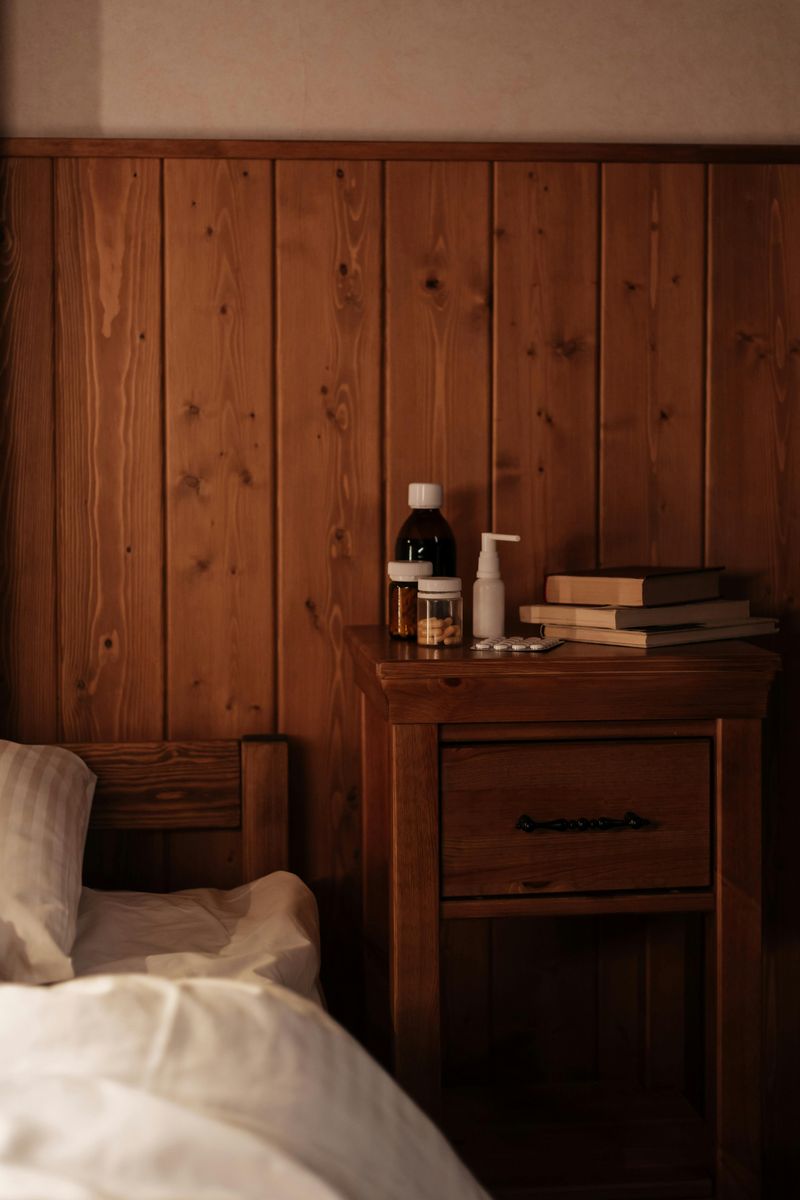
Unless your doctor specifically prescribes nighttime doses, most medications don’t belong beside your bed, because keeping random pill bottles within reach increases the risk of dangerous mix-ups when you’re tired or disoriented.
Spills happen easily on cluttered nightstands, wasting expensive prescriptions and creating messes you’re forced to deal with first thing in the morning.
There’s also the added danger of children or pets accessing medications left out in the open, turning a simple oversight into a serious safety issue.
Store medicines in a bathroom cabinet or kitchen area with clear labels, keeping only essential nighttime doses safely contained and easy to identify.
5. Dirty Dishes
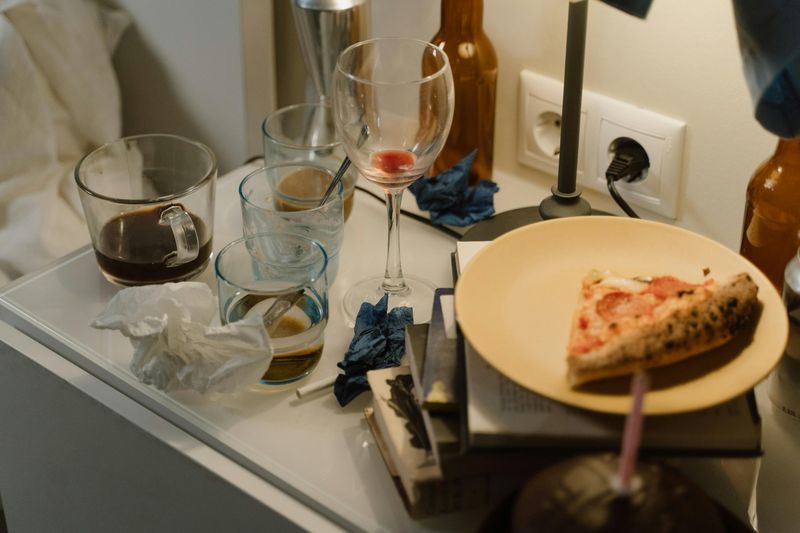
Last night’s snack plate might seem harmless, but it’s actually an open invitation for unwelcome guests, as leftover crumbs and residue attract ants, roaches, and other pests that have no place in your sleeping space.
Dirty dishes can also create sour odors that linger overnight, affecting air quality and making it harder to fall asleep comfortably.
Even worse, they encourage the habit of eating in bed, which can disrupt digestion and lead to restless, low-quality sleep.
Make it a nightly rule to return all dishes to the kitchen so your bedroom stays fresh, clean, and truly restful.
6. Snacks

Keeping chips or cookies within arm’s reach seems convenient until you realize the problems it creates, as even a few crumbs can attract insects or rodents and turn your peaceful bedroom into an unintended pest buffet.
Bedside snacks also encourage mindless nighttime eating that disrupts digestion and interferes with your natural sleep cycles, leaving you more likely to wake up groggy and unrefreshed.
These habits add up quickly, reinforcing patterns that work against your long-term health and rest.
If you truly need a bedtime snack, enjoy it in the kitchen and keep your nightstand food-free to support better hygiene, calmer sleep, and overall wellness.
7. Open Beverages That Can Easily Spill
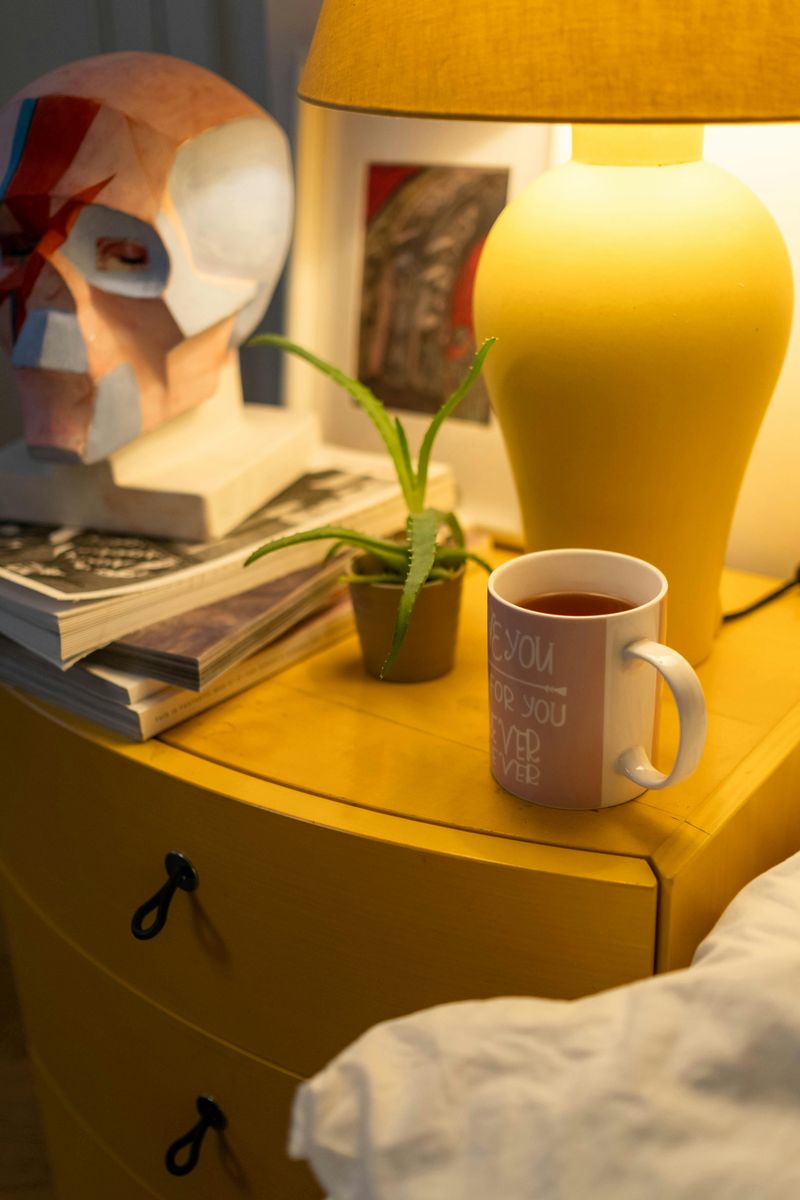
A single bump in the night can send that open water glass tumbling onto expensive electronics or important books, and the resulting liquid damage can cost hundreds to repair or replace.
Spills also stain furniture, soak into carpets, and jolt you awake when you’re suddenly forced to deal with a mess at 3 AM.
That kind of unexpected chaos completely defeats the purpose of creating a peaceful, restful sleeping environment.
Use a secure, lidded water bottle instead of an open cup so you can stay hydrated without risking accidents, protecting both your belongings and your ability to sleep soundly.
8. Strongly Scented Candles or Diffusers
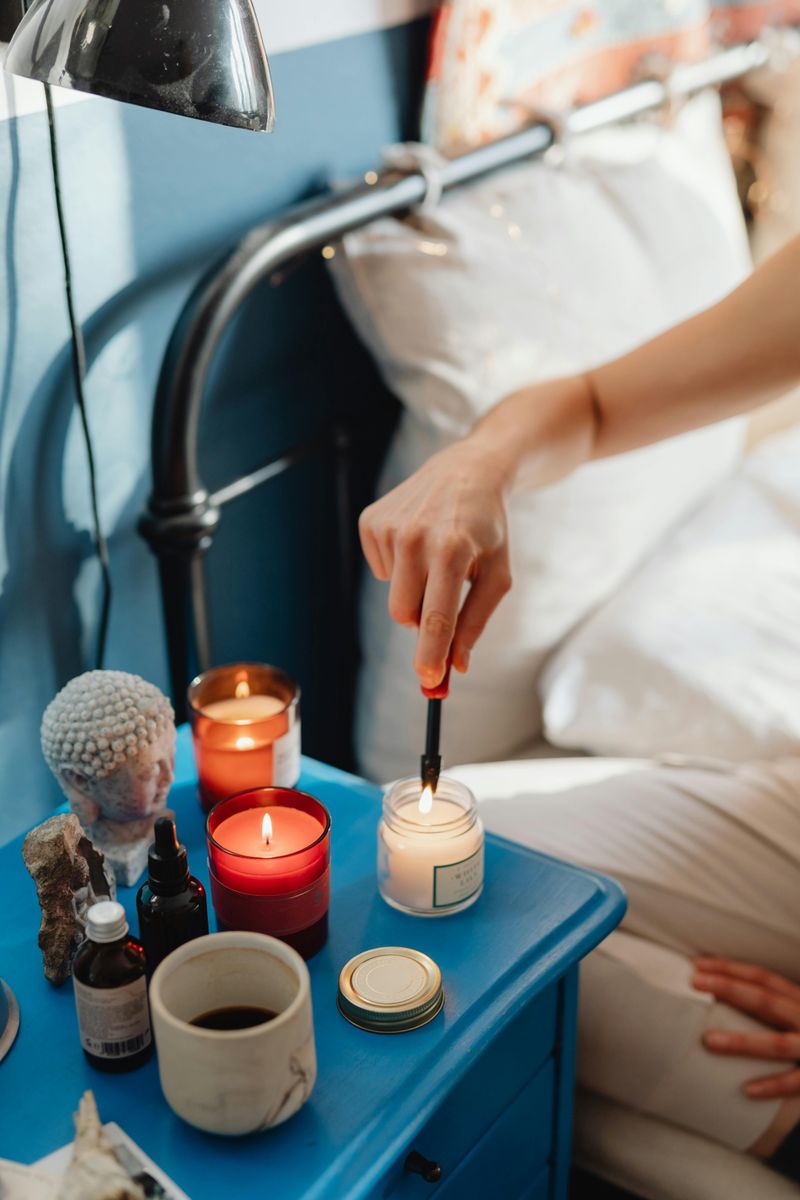
While gentle aromatherapy can promote relaxation, overpowering fragrances often do the opposite by irritating your sinuses, triggering headaches, and disrupting sleep quality instead of improving it.
Candles left burning overnight pose serious fire hazards—especially when placed near curtains, books, or bedding—and even electric diffusers can malfunction or release too much fragrance into the air.
That excess saturation can lead to respiratory irritation that keeps you tossing and turning throughout the night.
If you enjoy scents, use them sparingly, extinguish candles well before bed, and consider milder nighttime options like fresh flowers or a cracked window for natural, soothing airflow.
9. Valuables Like Cash or Jewelry
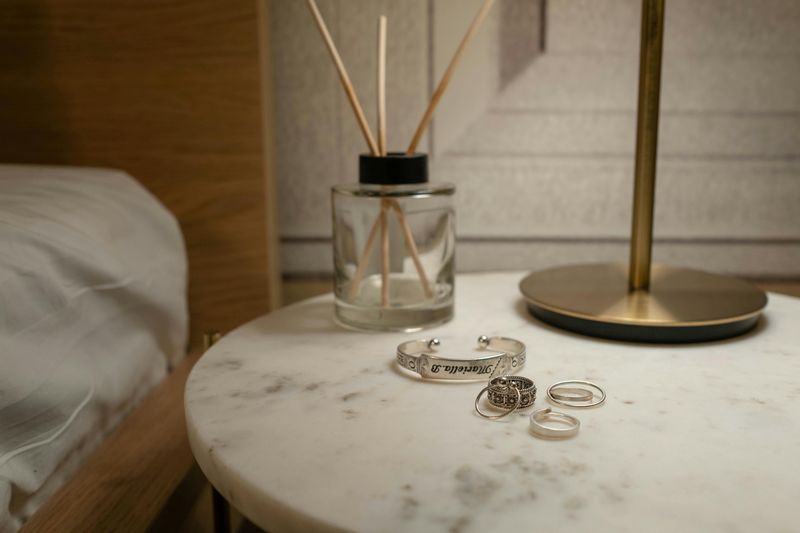
Nightstands are one of the first spots burglars check during break-ins because people often toss valuables there, making cash and jewelry easy targets.
Even without theft, small items can slip behind furniture, get vacuumed up by accident, or be ruined by spilled liquids before you even notice they’re gone.
Sentimental pieces deserve better than being left exposed on a cluttered surface where they’re vulnerable to damage or disappearance.
Invest in a small safe or locked jewelry box kept in a less obvious location, and limit your nightstand to everyday essentials like glasses or a watch for true peace of mind.
10. Pets’ Toys, Treats, or Grooming Items
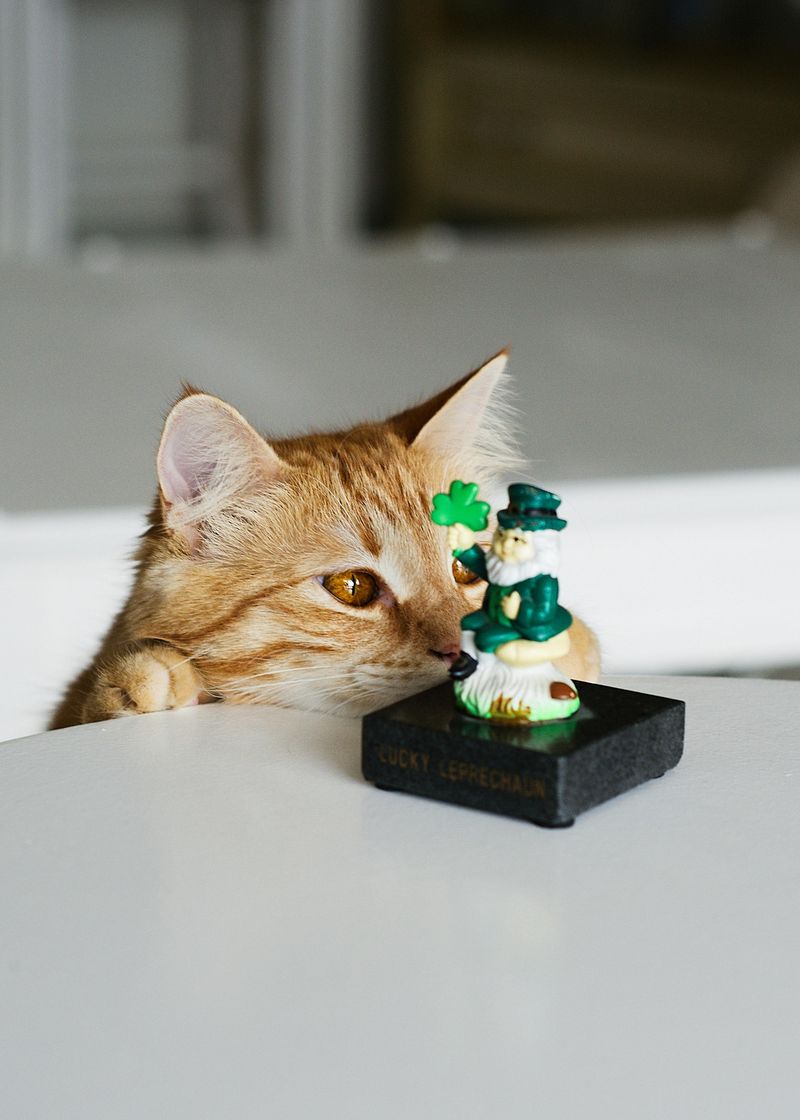
Storing your pet’s squeaky toys or treats beside your bed guarantees late-night visits that disrupt your sleep, as animals naturally gravitate toward their belongings and will paw, nudge, or whine for attention.
Grooming brushes left on your nightstand also collect fur and dander, which can worsen allergies and reduce overall air quality.
Treats can spill or crumble as well, creating messy surfaces and inviting pests into a space meant for rest.
Create a designated pet station in another room where toys, treats, and grooming supplies are kept together, helping your pet understand boundaries while giving you the uninterrupted sleep you need.