 MomSkoop
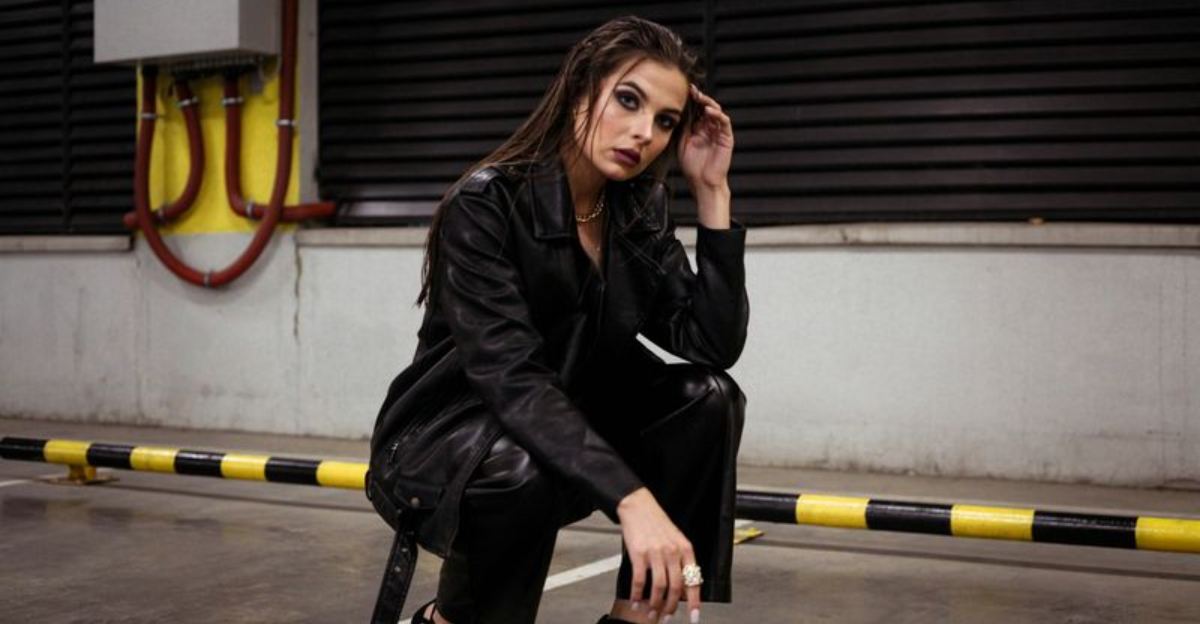
Style says a lot before you even start a conversation, and people notice more than you think. The good news is that turning things around usually has less to do with money and more to do with self-awareness.
Small fashion habits can quietly send the wrong message, even when your intentions are great. If dating feels harder than it should, your closet might be giving off signals you never meant to send.
1. Wearing Clothes That Do Not Fit Properly
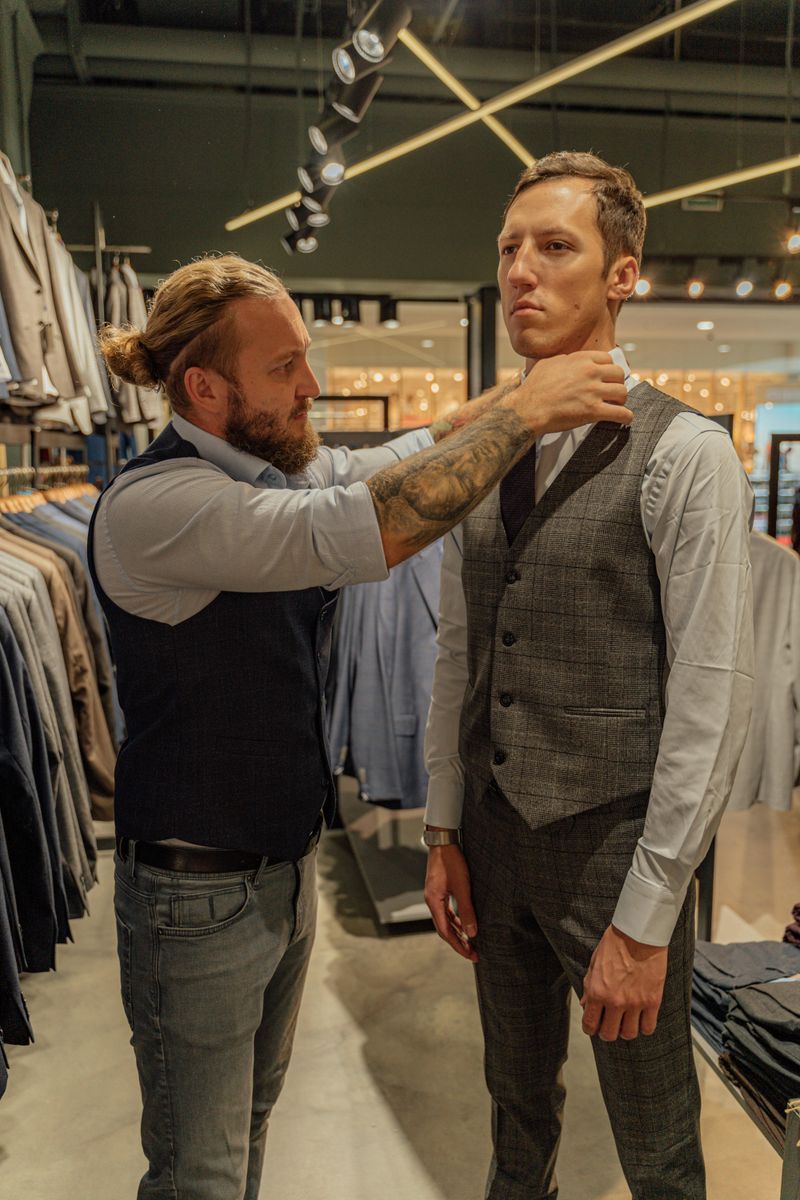
Fit can make an average outfit look polished, while a bad fit can throw everything off instantly.
Clothes that are too tight often look uncomfortable and distracting, and pieces that are too loose can seem careless instead of relaxed.
When someone notices your outfit first because it looks awkward, that is usually not the kind of attention you want.
The goal is not perfection or a model body, but clothes that follow your shape in a natural way.
A simple shirt, jeans, or dress that fits your frame will almost always look better than an expensive piece in the wrong size.
When your clothes fit well, you seem more confident, more put together, and much easier to approach in any dating situation.
2. Ignoring Basic Grooming
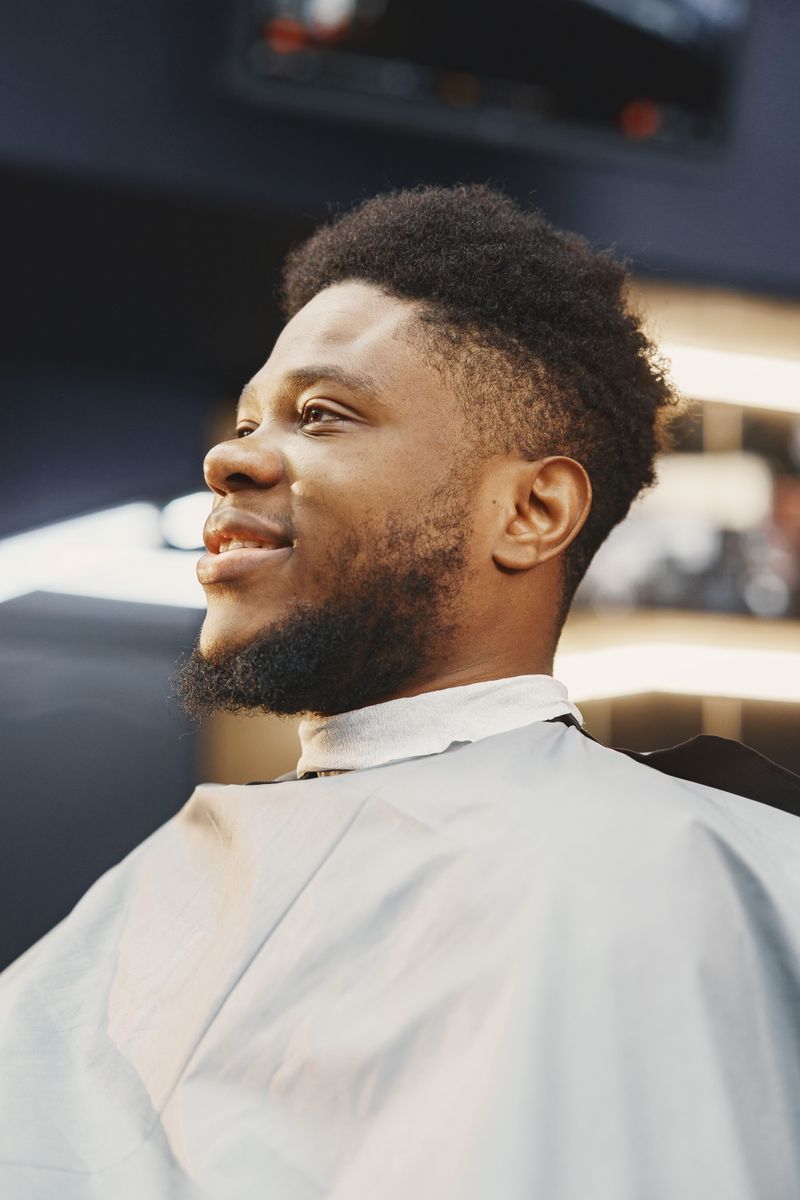
You can wear a great outfit and still lose the effect if the basics are neglected.
Wrinkled fabric, unwashed hair, chipped nails, or tired shoes can make you look distracted or uninterested in the moment.
People often read those details as a lack of care, even when you are actually funny, thoughtful, and attractive.
Good grooming does not mean looking overly polished or trying too hard to impress anyone.
It simply shows that you respect yourself and the people you spend time with.
Clean hair, fresh clothes, and shoes that are not falling apart quietly strengthen your whole look.
Those small details create an impression of reliability, confidence, and effort, which are all qualities potential partners tend to find genuinely appealing.
3. Looking Uncomfortable in Your Outfit
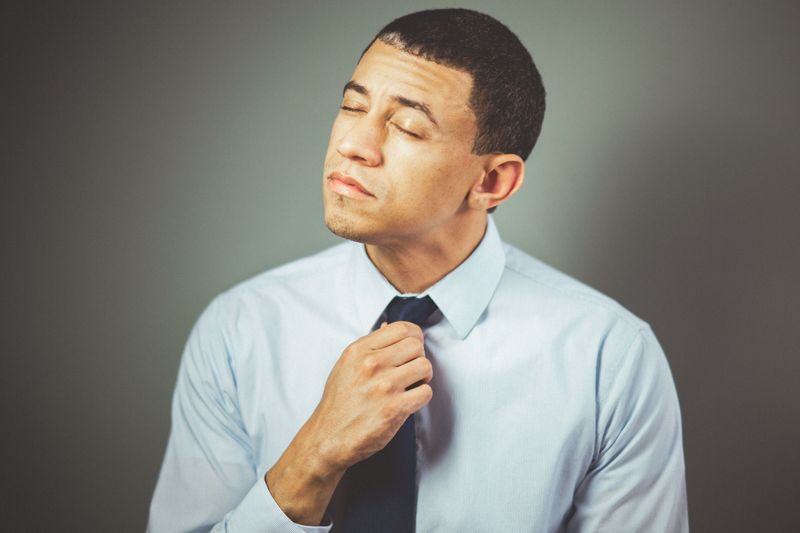
Even a trendy outfit loses its charm when you seem uneasy wearing it.
If you keep pulling down a skirt, adjusting a collar, fixing straps, or checking how everything sits, people notice the discomfort before they notice the style.
That nervous energy can read as insecurity, and it creates distance when you want to feel relaxed and present.
The most attractive clothes are often the ones you can forget about once you put them on.
When you move naturally, sit comfortably, and stop fussing with every detail, your personality has room to show up.
Comfort does not have to mean boring, and style does not have to mean struggle.
Wearing pieces that let you breathe and move easily makes confidence look real instead of forced.
4. Overdoing Designer Logos
Designer pieces can look amazing, but too many obvious logos can overwhelm your entire outfit.
When every item announces a brand name, it may come across like you are trying to prove something instead of expressing real taste.
That can make your style feel less personal and more performative, especially on a date where authenticity matters.
Most people respond better to confidence than to constant status signals.
A single standout accessory or one beautifully made piece usually says more than head-to-toe branding ever could.
Subtle style invites curiosity because it feels deliberate rather than loud.
If your clothes seem chosen to impress strangers instead of reflect who you are, potential partners may wonder what is underneath all the labels and whether they will ever get to see it.
5. Dressing for Trends Instead of Yourself
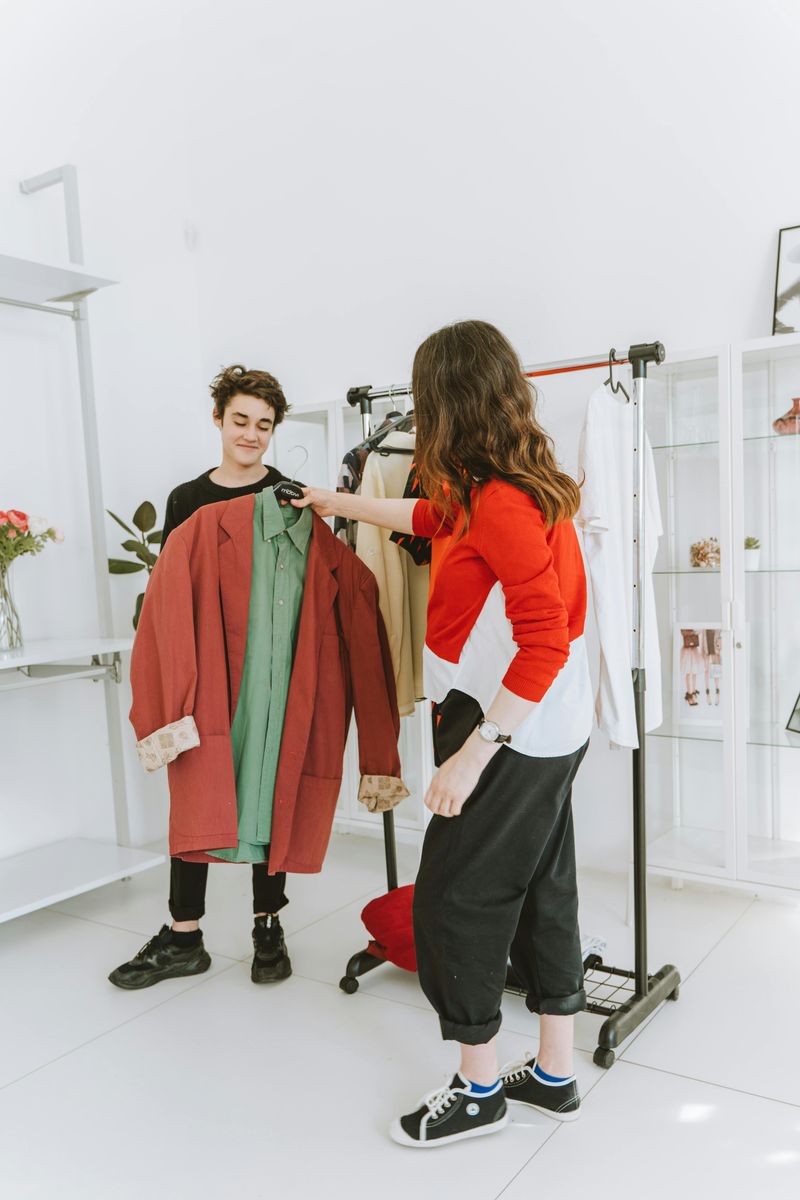
Trends can be fun, but chasing every new look can make your style feel disconnected.
If you wear something only because it is popular, there is a good chance your discomfort will show through in the way you stand, move, or interact.
People are usually drawn to authenticity, and trend overload can blur the qualities that make you memorable.
The strongest personal style has room for current pieces without being controlled by them.
When you choose clothes that actually suit your personality, body, and lifestyle, you come across as grounded and self-aware.
That kind of confidence reads far better than copying whatever is viral this week.
A date is much more likely to connect with someone who feels real than with someone dressed like an algorithm decided the entire outfit.
6. Wearing Clothes That Are Too Revealing for the Occasion
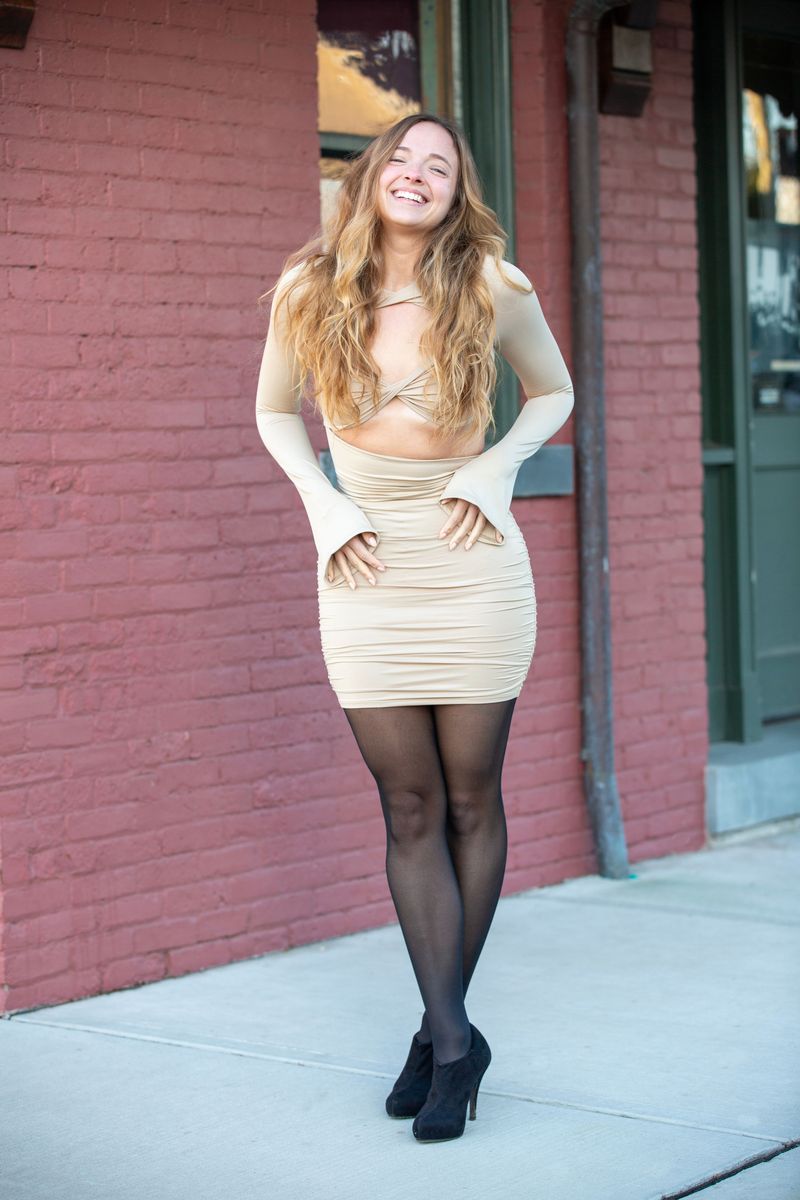
There is nothing wrong with showing skin, but context always matters more than people admit.
An outfit that feels perfect for a party might feel misplaced at a coffee date, museum outing, or relaxed dinner.
When clothing seems out of sync with the setting, it can distract from your personality and create an impression that the moment was misread.
Looking attractive is not about covering up or following outdated rules.
It is about understanding what fits the mood, the location, and the kind of connection you want to build.
When your outfit feels appropriate, people relax around you and focus on conversation instead of second-guessing your choices.
Style that respects the occasion tends to feel more confident, more intentional, and much easier for others to respond to warmly.
7. Choosing Dark, Closed-Off Looks All the Time
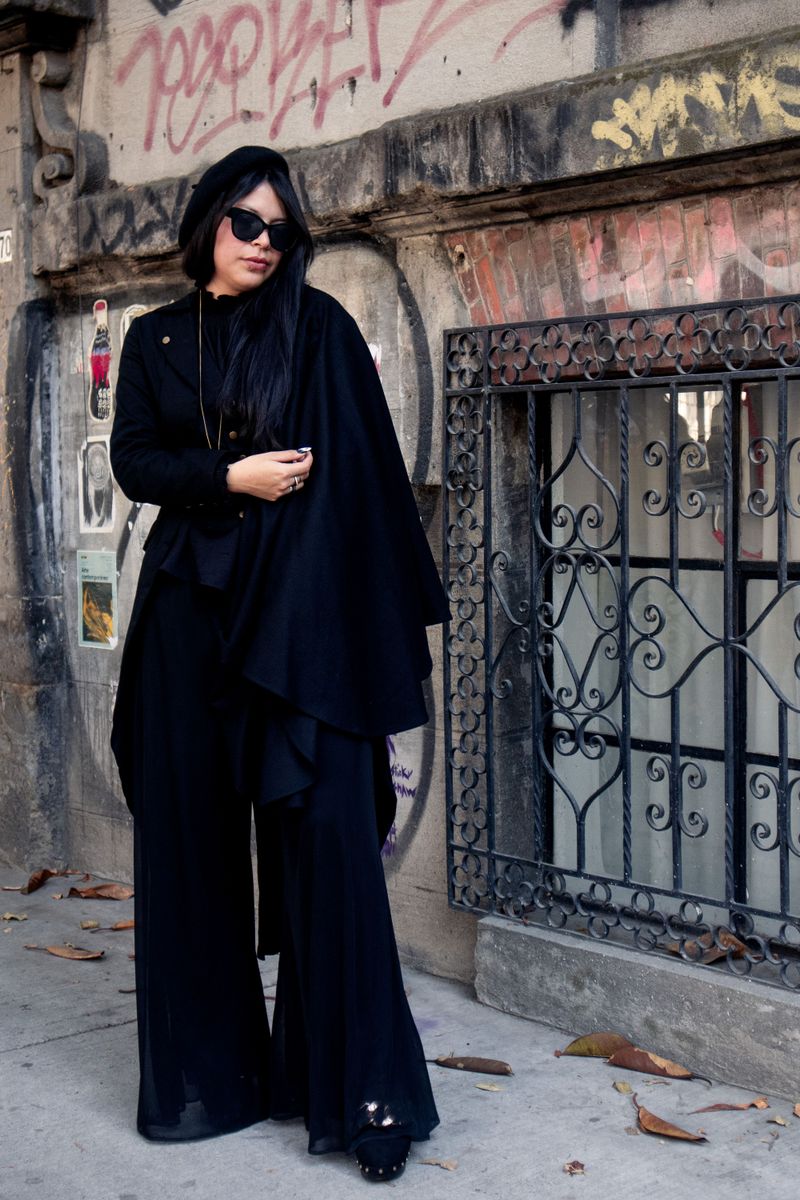
Black will always be stylish, but wearing severe, closed-off looks all the time can change the way people read you.
If every outfit feels heavy, rigid, or intimidating, potential partners may assume you are harder to approach than you really are.
Clothing shapes mood, and a consistently guarded style can create emotional distance before you even speak.
You do not need to abandon dark colors to look more open and inviting.
Softer textures, better fit, lighter accents, or a less severe silhouette can make a huge difference without changing your entire aesthetic.
The point is balance, not forced brightness.
When your style has a little warmth and ease, it signals that there is a welcoming person behind the cool exterior, and that makes chemistry easier to spark.
8. Neglecting Footwear
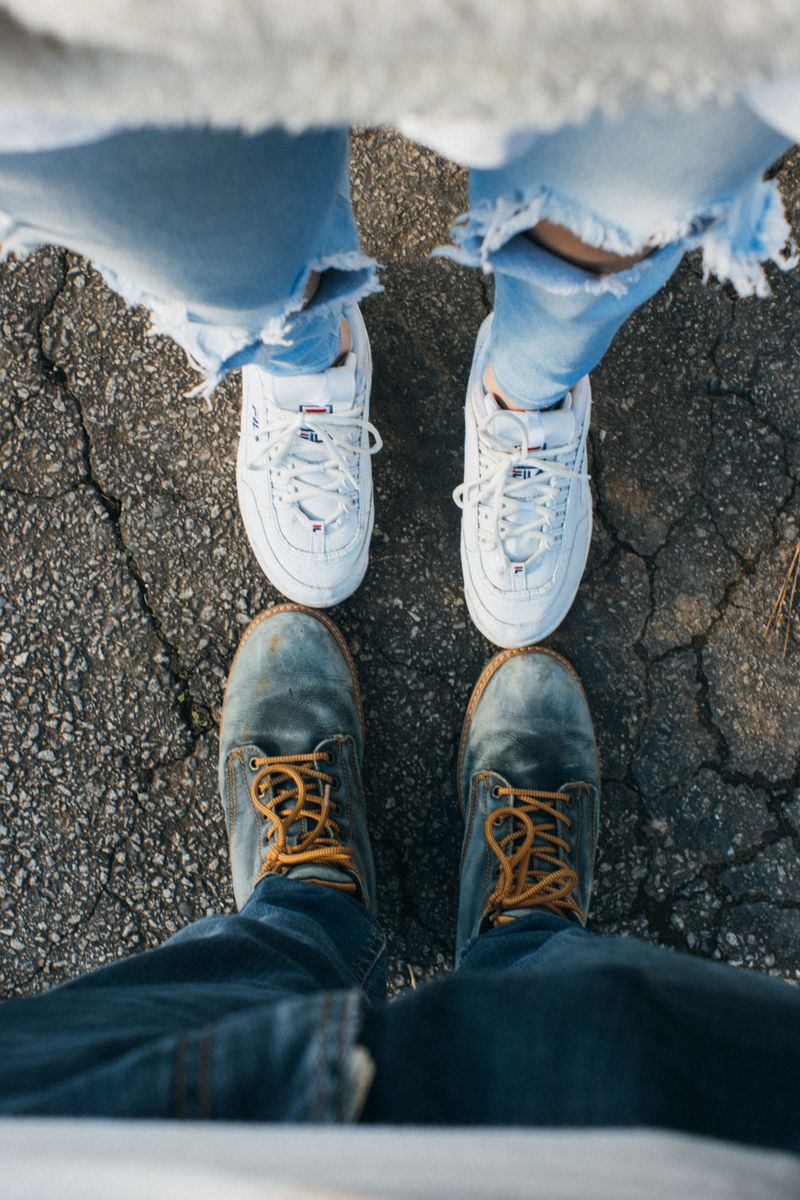
Shoes are one of those details people notice quickly, even if they do not mention them out loud.
Scuffed sneakers, worn-out heels, dirty soles, or outdated styles can quietly pull down the rest of your look.
You might feel great about your outfit, but neglected footwear can make it seem unfinished and less intentional overall.
The good news is that improving this area is usually simple and affordable.
Clean your shoes, replace pairs that are clearly past their prime, and choose styles that actually match the vibe of your outfit.
Footwear does not need to be expensive to look sharp.
When your shoes look cared for, the whole outfit feels stronger, and that subtle sense of effort tells potential partners that you pay attention to details that matter.
9. Using Excessive Accessories
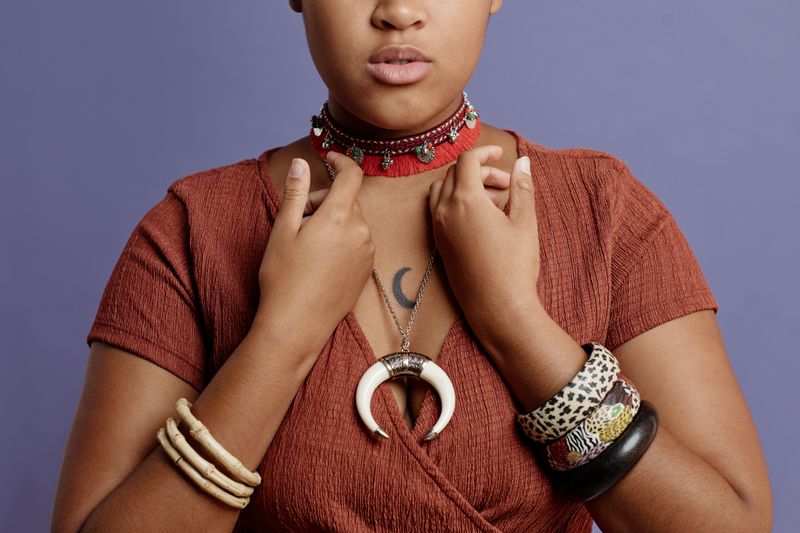
Accessories can bring personality to an outfit, but too many at once can create visual chaos.
If your earrings, necklace, belt, rings, bag, and sunglasses are all fighting for attention, the result can feel overwhelming instead of stylish.
Rather than noticing you, people may just register that a lot is happening and feel distracted by it.
A better approach is letting one or two pieces lead while the rest support the overall look.
Balanced styling feels more confident because it suggests you know when to stop and what actually suits you.
That restraint often reads as elegance, even in casual outfits.
On a date, accessories should add interest without becoming the whole story.
When your styling feels edited, your presence comes through more clearly and creates a stronger connection.
10. Letting Your Clothes Wear You
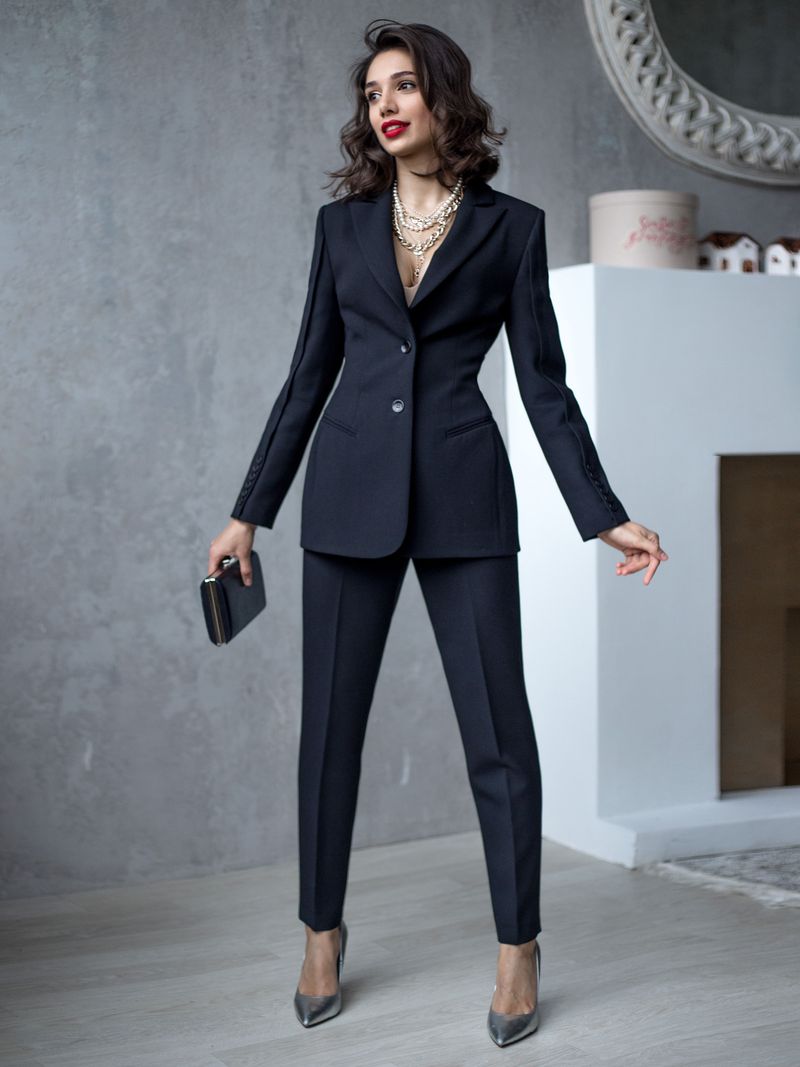
Sometimes the issue is not the outfit itself, but the fact that it seems to be wearing you.
If your clothes feel like a costume, people can sense the disconnect in your posture, expression, and energy.
Instead of looking confident, you may seem like you are performing a version of yourself that does not feel fully believable.
The most attractive style is the kind that supports you rather than competes with you.
Great clothes should highlight your personality, not bury it under drama, stiffness, or an image you cannot relax into.
When your look feels natural, people trust what they are seeing and lean in more easily.
Real confidence does not come from dressing louder than everyone else.
It comes from wearing your style like it truly belongs to you.