 MomSkoop

Some fashion choices scream for attention, while others whisper only to those who truly know. Certain clothing and accessories carry hidden codes that reveal wealth, taste, or insider knowledge—but only if you’re part of the club that can decode them.
To most people, these items might look ordinary or even boring, but to a select few, they’re unmistakable signals of status and sophistication.
1. Unbranded Tailoring with Exceptional Fit
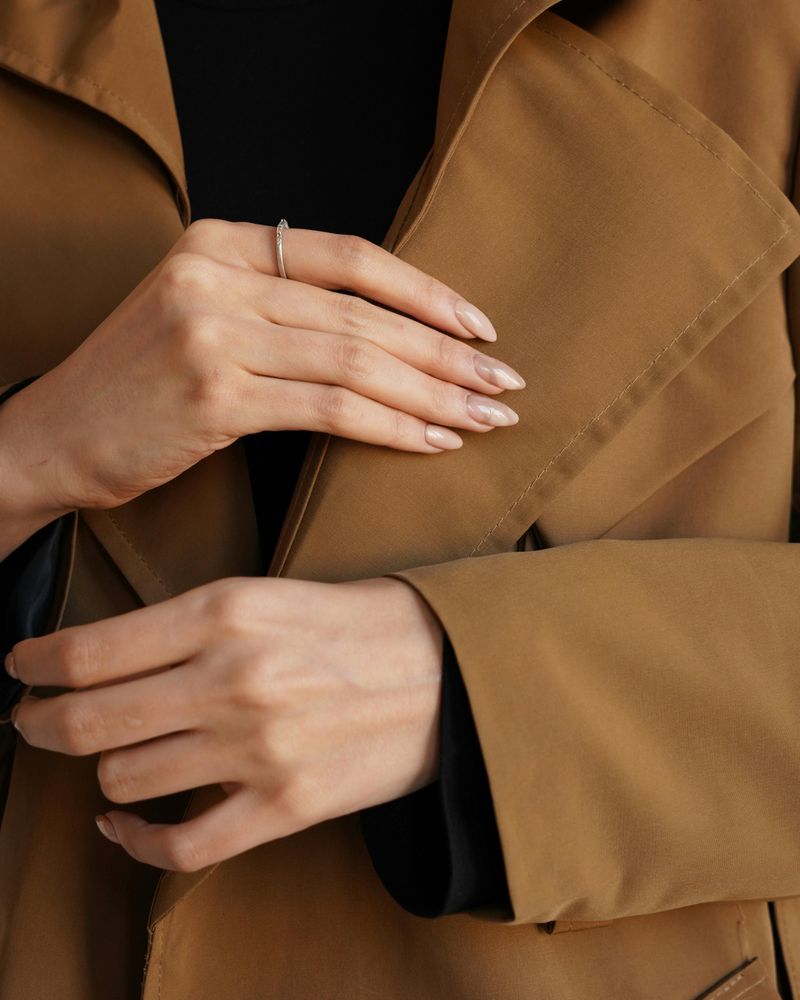
A perfectly fitted jacket speaks volumes without saying a word.
When clothing hugs your body in all the right places, it shows you’ve invested time and money into custom alterations or bespoke tailoring.
Most people won’t notice the absence of flashy logos, but those in the know will immediately recognize the craftsmanship.
The shoulders sit just right, the sleeves end exactly where they should, and there’s no bunching or pulling anywhere.
This level of precision requires skill from experienced tailors who understand body proportions.
It’s not about the brand name stamped on the label—it’s about how the garment moves with you.
People who understand quality will spot this instantly, while everyone else might just think you look nice without knowing why.
2. Obscure or Heritage Luxury Brands
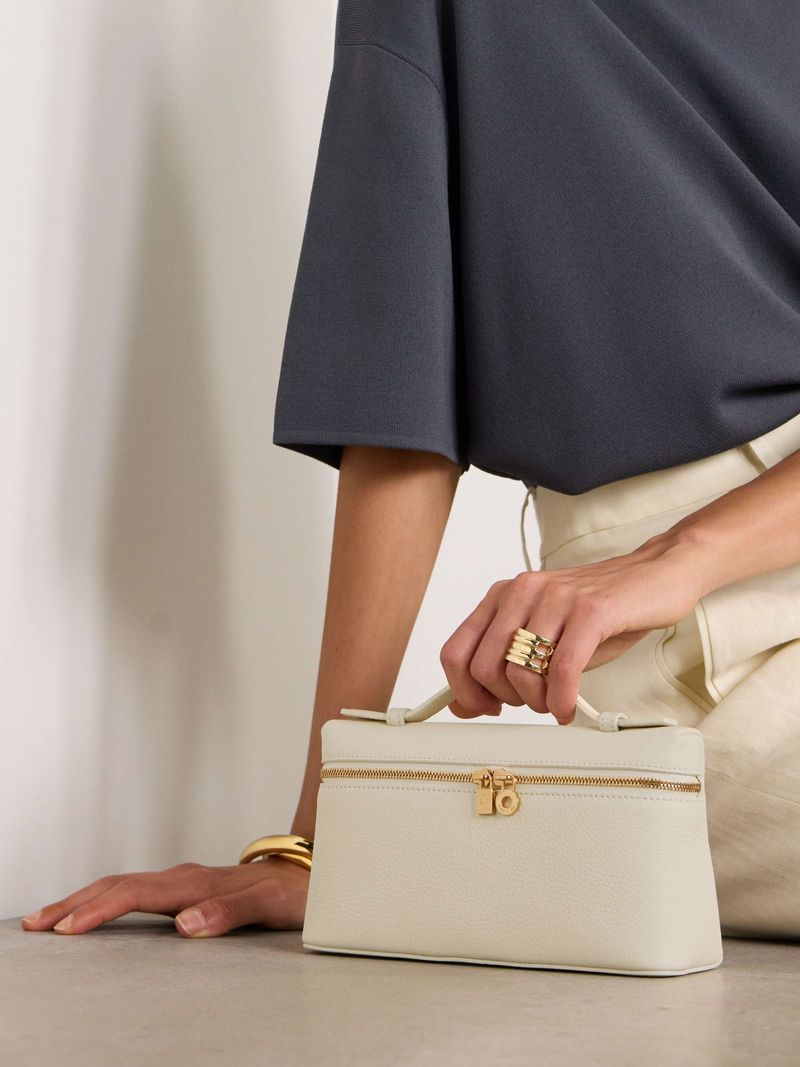
Ever heard of Loro Piana or The Row?
If you haven’t, you’re not alone—these brands fly under the radar for most shoppers.
They don’t plaster their names across clothing or advertise heavily, yet they command prices that would make your eyes water.
A simple cashmere sweater might cost thousands of dollars, but you’d never know it from looking.
The materials are exceptional, sourced from rare fibers and crafted with meticulous attention to detail.
People who recognize these names understand that real luxury doesn’t need to announce itself.
They can spot the signature styles, the particular shade of a Valextra bag, or the distinctive drape of a Cucinelli jacket from across the room.
3. Shoes as the Primary Investment Piece
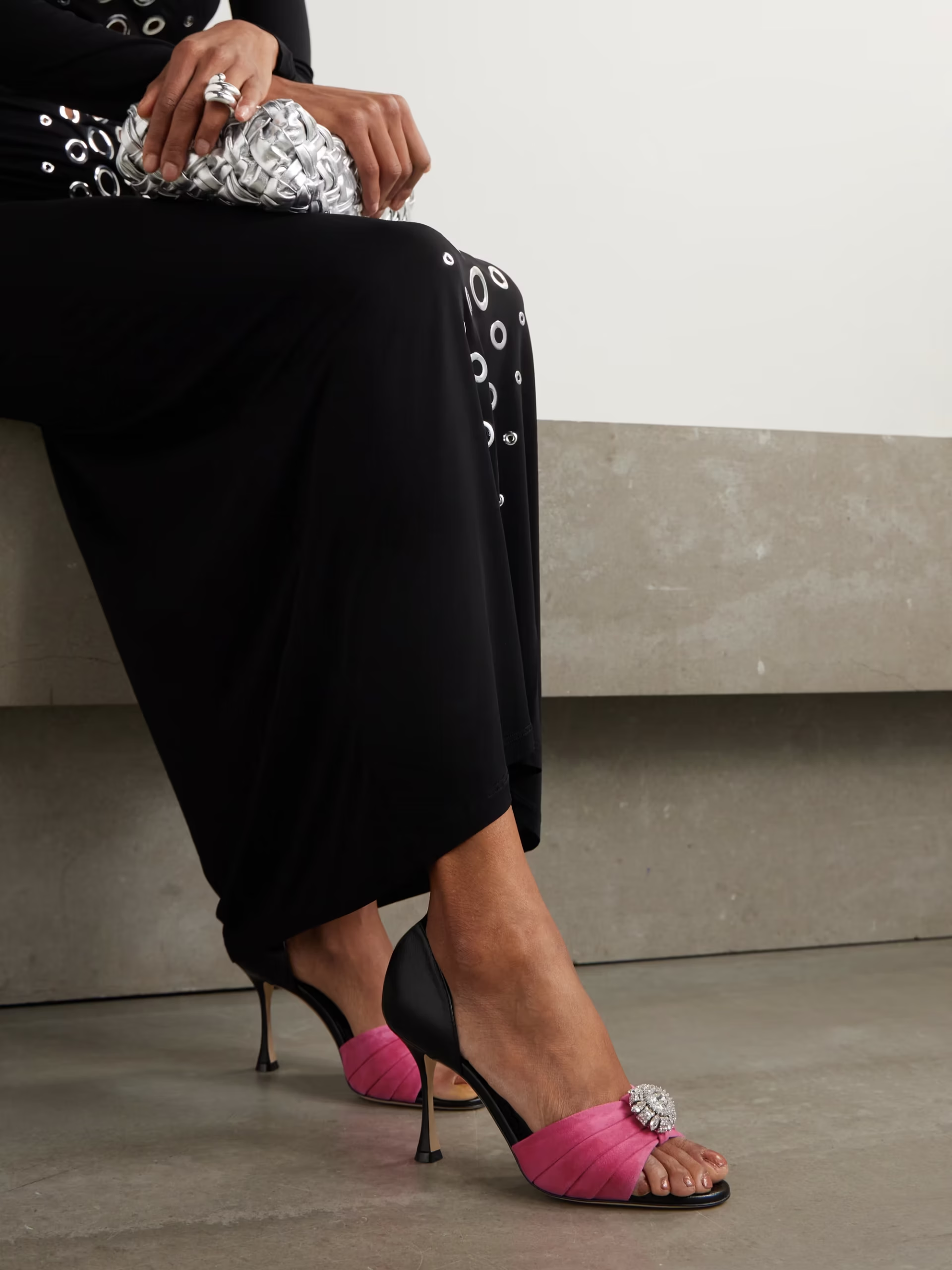
Look down first—that’s what insiders do.
While many people focus their budget on flashy handbags or statement jewelry, those who truly know fashion invest heavily in footwear.
A pair of shoes can cost more than most people’s entire outfit, but they’ll last decades with proper care.
The leather quality, construction method, and finishing details reveal everything about someone’s fashion priorities.
Bespoke cordwainers craft shoes that mold perfectly to your feet over time, creating a personalized fit impossible to replicate.
Well-maintained shoes show discipline and attention to detail—they’re regularly polished and resoled when needed.
This commitment signals both financial resources and refined taste.
4. Natural, Expensive Fabrics Without Flash
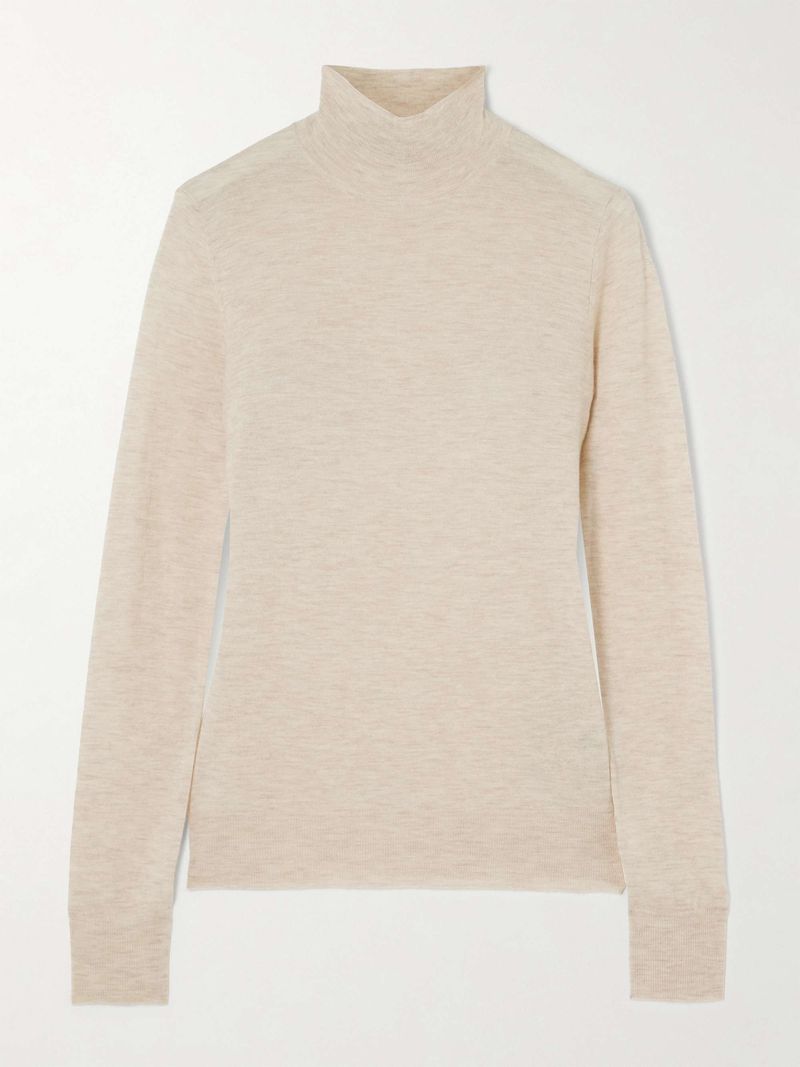
Touch tells the truth that eyes might miss.
Vicuña wool comes from an animal rarer than you’d imagine, making it one of the most expensive natural fibers in the world.
A simple beige sweater made from this material could cost tens of thousands of dollars, yet it looks understated and plain to the untrained eye.
The magic happens in how these fabrics feel and move.
Superfine merino drapes differently than regular wool, and silk blends catch light in subtle ways that synthetic materials can’t replicate.
People who know textiles will immediately notice the weight, texture, and flow of your clothing.
They understand that muted colors in extraordinary fabrics cost far more than loud patterns in ordinary ones.
5. Understated Watches with Horological Credibility
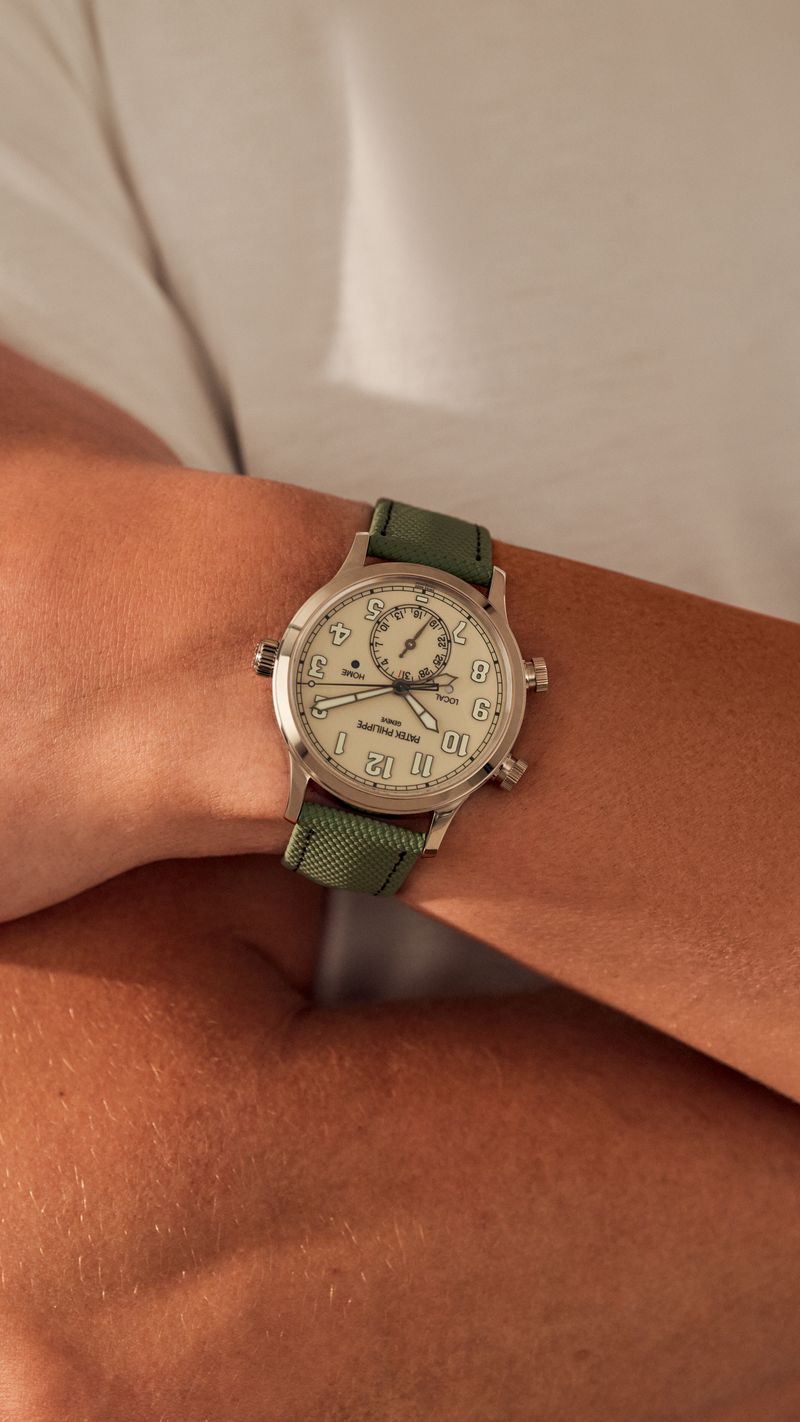
Most people check their phones for the time now, making watches purely about statement-making.
A Patek Philippe with a plain white dial and leather strap might look boring compared to a chunky sports watch covered in diamonds.
But to watch enthusiasts, it represents generations of craftsmanship, mechanical innovation, and eye-watering price tags that can reach hundreds of thousands of dollars.
Brands like A. Lange & Söhne or Vacheron Constantin create timepieces with complications so subtle you’d need expertise to appreciate them.
The finishing on parts you’ll never see receives as much attention as the visible dial.
Watch-literate people will notice immediately, perhaps asking about the movement or manufacture year, while everyone else walks right past.
6. Wrong Items Worn Correctly
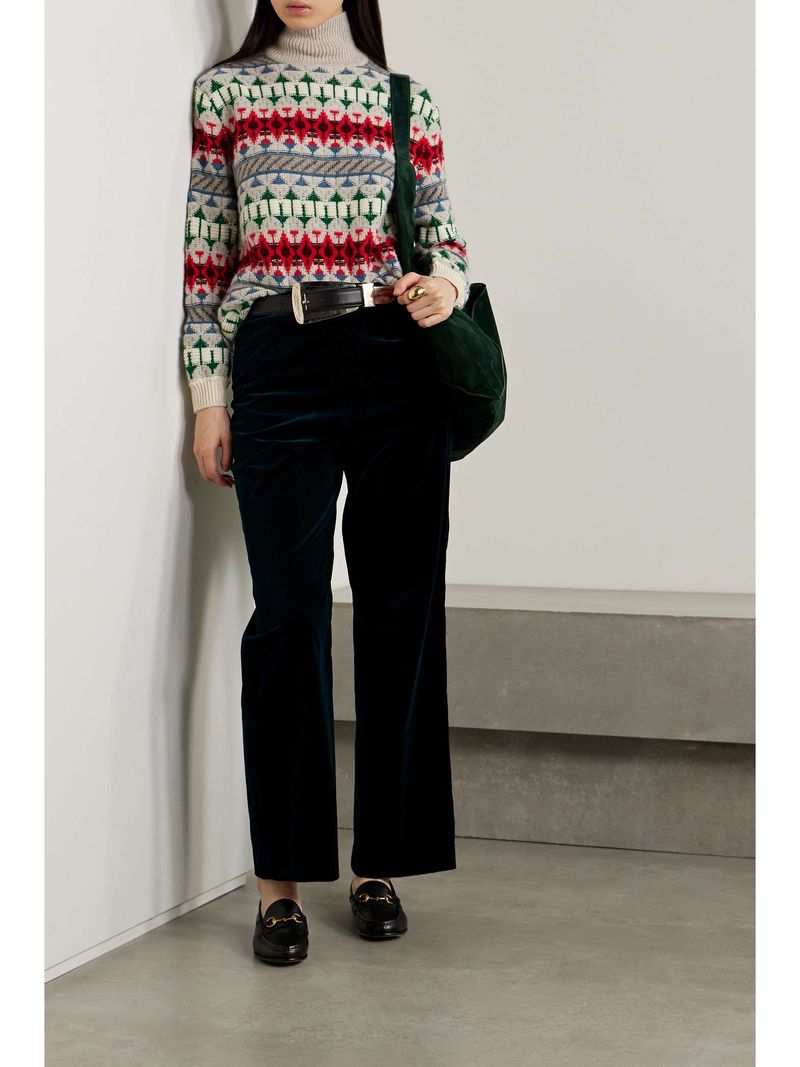
Breaking the rules requires knowing them first.
Pairing formal wool trousers with a chunky fisherman’s sweater seems wrong at first glance.
Wearing sneakers with a tailored suit once looked ridiculous, but now it signals fashion awareness when done thoughtfully.
The key lies in precision—everything must be intentional, not accidental.
The proportions need to balance, the colors must harmonize, and the overall effect should look effortless yet deliberate.
This approach demonstrates cultural capital and confidence that comes from understanding fashion deeply enough to bend its conventions.
Most people will think you dressed strangely, but fashion-forward observers will recognize the deliberate subversion and appreciate your boldness in mixing unexpected elements together successfully.
7. Perfectly Maintained Basics
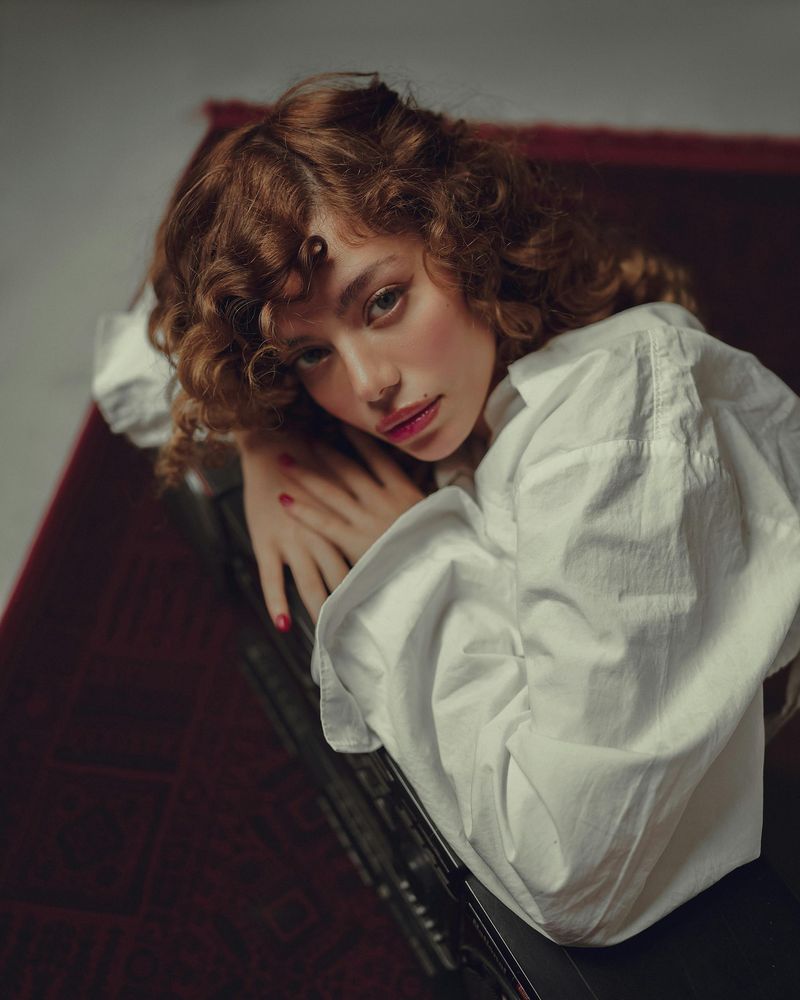
Nothing reveals wealth quite like effortless perfection in everyday items.
A white shirt that’s absolutely crisp, bright, and wrinkle-free after multiple wearings shows serious investment in care and replacement.
Keeping basics in pristine condition requires professional cleaning, proper storage, and frequent replacement when items show even slight wear.
Knitwear without a single pill, T-shirts that maintain their shape and color, and basics that look brand new despite regular use—these details require both money and time.
You’re essentially replacing items before most people would consider them worn out.
This level of maintenance signals that you have resources to spare and standards to uphold, creating an impression of effortless polish that’s actually quite expensive to achieve.
8. Subtle Customization
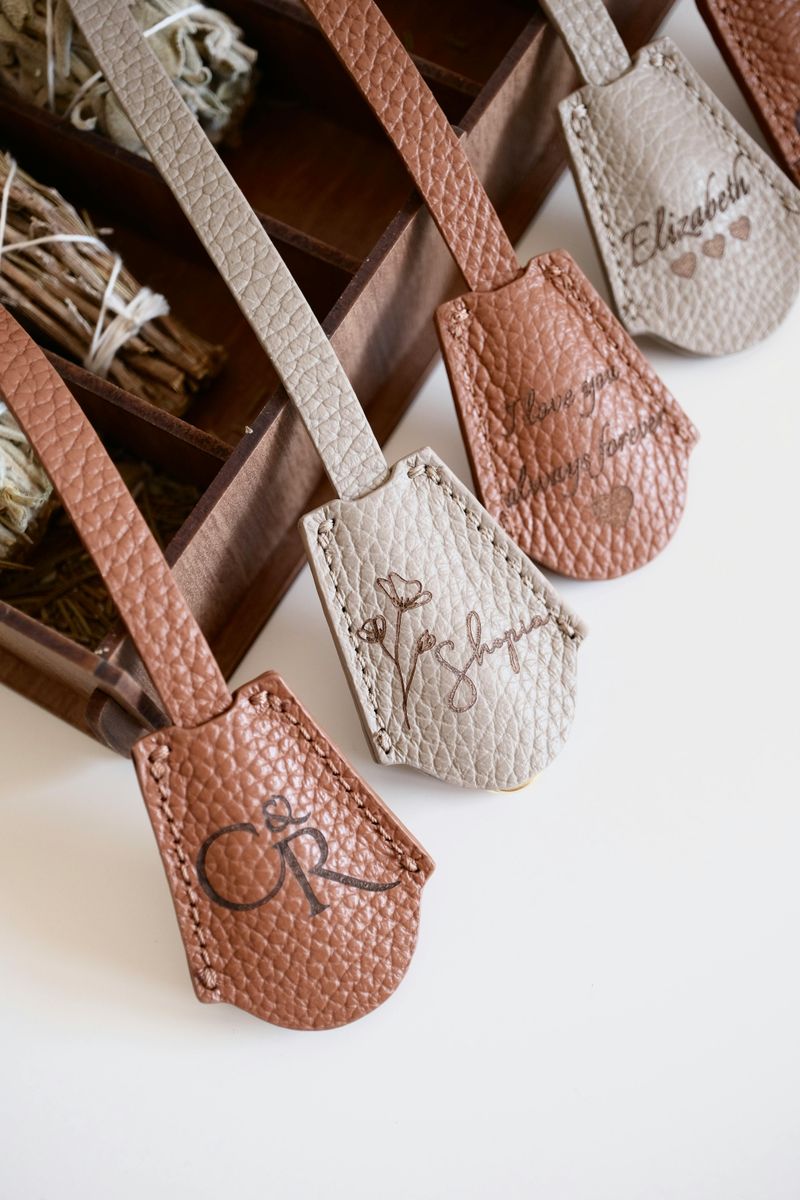
The best details hide in plain sight.
Monogramming inside your jacket collar means nothing to strangers, but when you remove your coat, those who understand bespoke tailoring will notice immediately.
Custom linings in unexpected patterns or colors, hand-sewn buttonholes, or non-standard button materials all whisper rather than shout.
These modifications cost extra and require working directly with skilled tailors or made-to-measure services.
They demonstrate that you’ve gone beyond off-the-rack purchasing to create something uniquely yours.
Horn buttons instead of plastic, working sleeve buttonholes, or a surgeon’s cuff—these features remain invisible until someone knows where to look.
Then they become unmistakable markers of investment and attention to detail that separate true custom work from mass production.
9. Accessories with Quiet Provenance
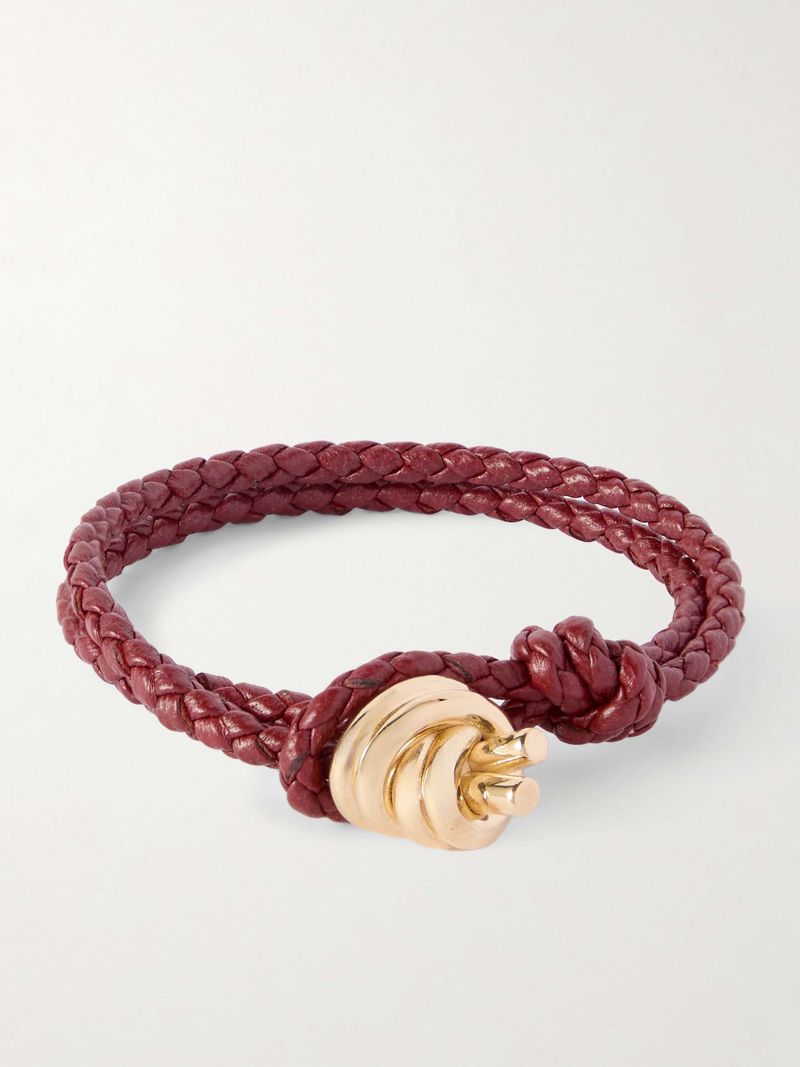
Small details carry big meaning for those who recognize them.
A leather belt hand-stitched by a French atelier looks like any other belt to most people.
But someone familiar with leatherwork will notice the saddle stitching, the vegetable-tanned leather that ages beautifully, and the solid brass hardware that develops its own patina over time.
Horn buttons on a cardigan, a silk pocket square from a tiny Italian workshop, or a scarf from a heritage weaver—these items come from sources that don’t advertise widely.
Finding them requires knowledge of specialized producers and often involves long wait times or limited production runs.
Their value lies in sourcing and production quality rather than brand recognition, making them invisible status symbols.
10. Temporal Irrelevance
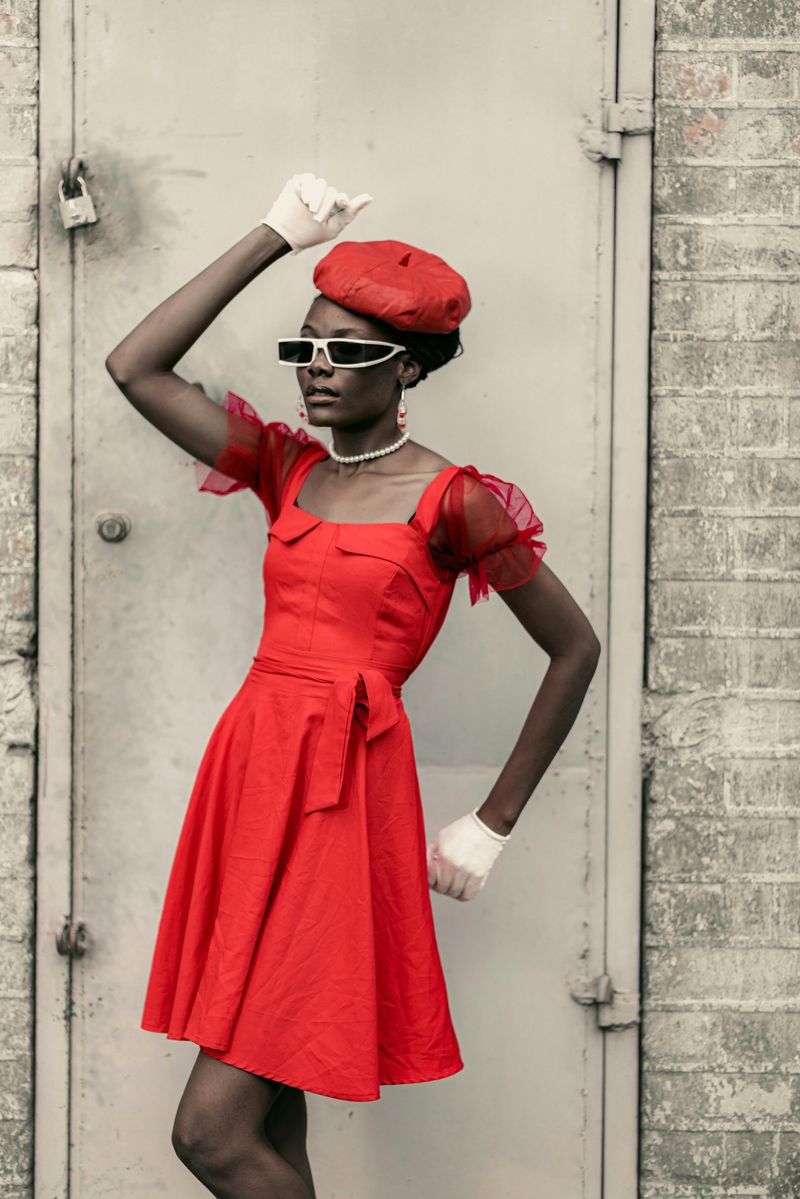
When you stop chasing trends, you signal something powerful.
Wearing clothing that doesn’t align with what’s currently popular takes confidence and usually indicates long-term wealth rather than newly acquired money.
People trying to signal status often grab the latest trending items, but established wealth dresses in ways that remain consistent across years or even decades.
This doesn’t mean looking outdated—it means looking intentionally outside of fashion’s rapid cycles.
Your wardrobe might include pieces purchased years ago that still work perfectly because they were chosen for quality and timelessness rather than trendiness.
Fashion insiders recognize this independence from seasonal pressure as the ultimate luxury—having enough security to ignore what’s hot right now and dress in your own established style instead.