 MomSkoop

Ever wonder what professional chefs skip on a menu when they’re not cooking? These culinary experts know the tricks of the trade, and that knowledge shapes their dining choices in surprising ways.
From questionable ingredients to risky preparation methods, chefs have insider information that most diners don’t. Learning what they avoid can help you make smarter, tastier decisions next time you eat out.
1. Well-Done Steak
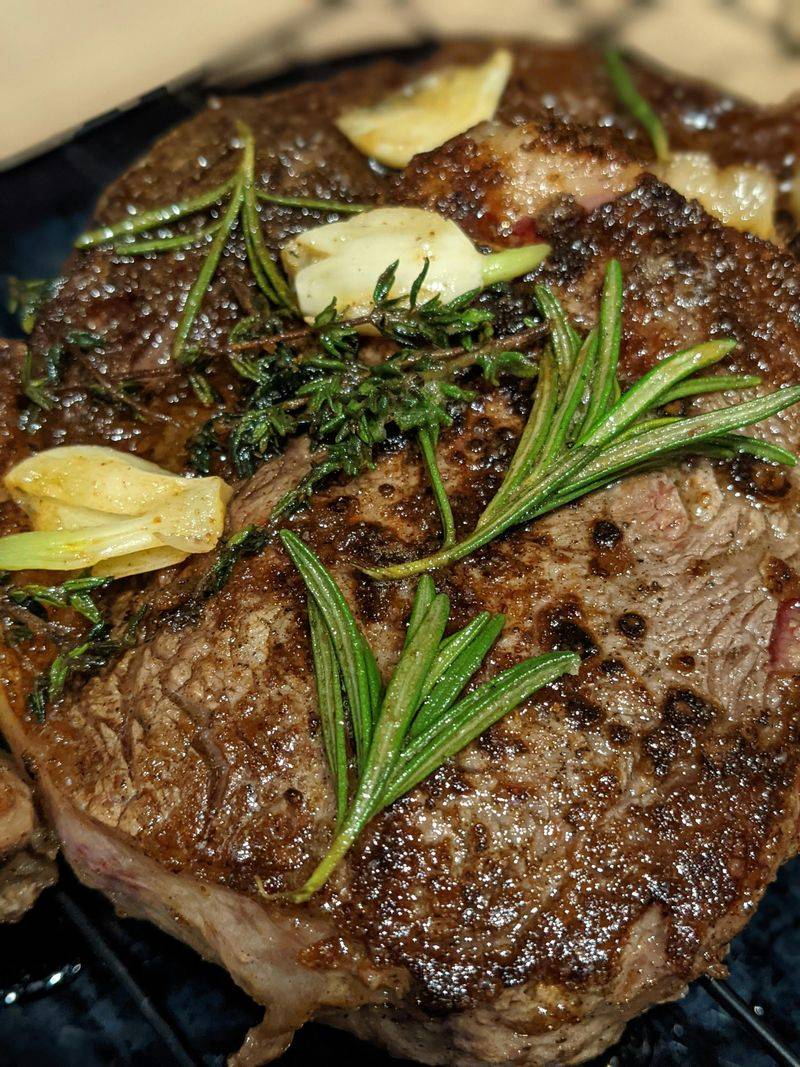
Ordering steak cooked all the way through raises red flags for professional cooks.
Restaurants sometimes reserve their lower-quality cuts for customers who request well-done preparation since the extended cooking time masks the natural flavor and texture of the meat.
High heat for prolonged periods makes even premium beef tough and chewy.
Chefs know that a quality establishment takes pride in their meat selection and proper cooking techniques.
When you order well-done, you’re essentially telling the kitchen that taste and tenderness don’t matter much to you.
This gives them permission to use whatever cut needs moving.
Experienced chefs stick with medium-rare or medium preparations, which reveal the true quality of the beef and show off the kitchen’s skill level.
2. Fish on Mondays
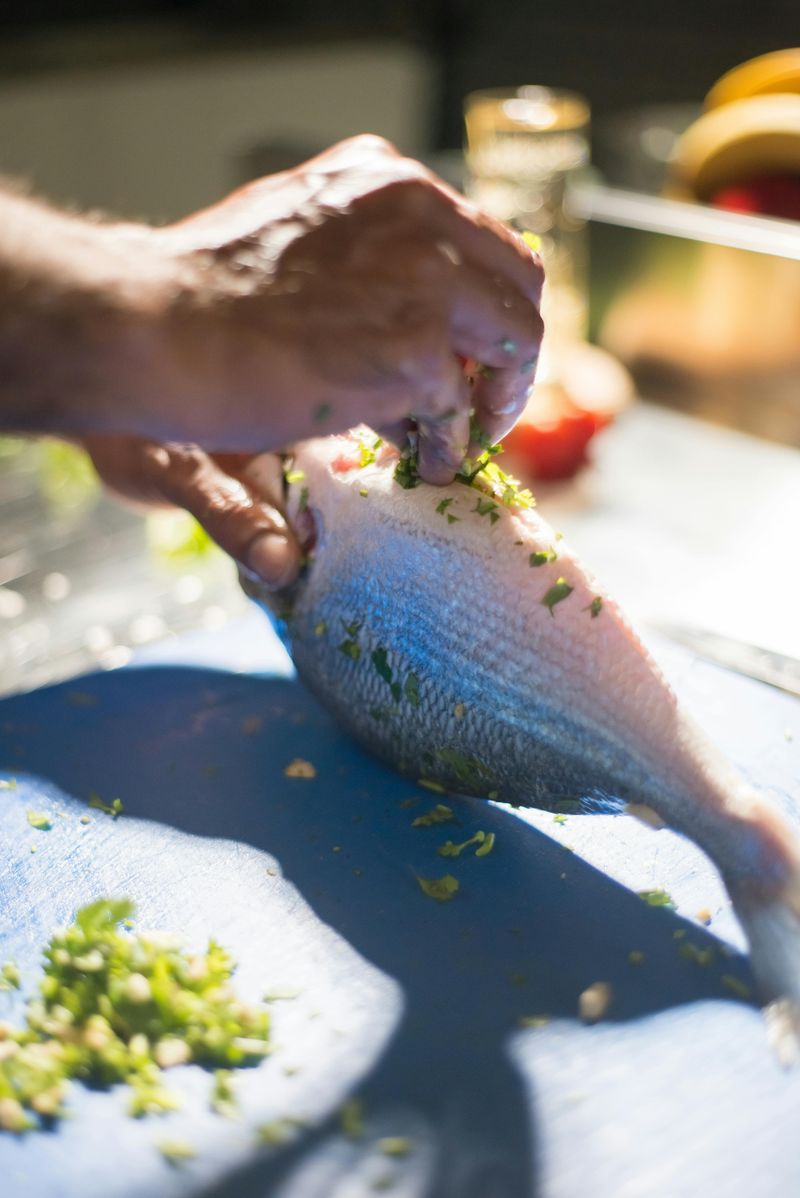
Image Credit: © Kampus Production / Pexels
The old restaurant wisdom about avoiding Monday seafood still holds weight in many kitchens.
Most fish suppliers don’t deliver on weekends, meaning Monday’s catch often sat in the cooler since Thursday or Friday.
Freshness makes all the difference with seafood, affecting both flavor and safety.
Professional chefs understand the delivery schedules and know that Tuesday through Friday typically guarantees the best quality fish.
While some high-end establishments receive daily deliveries or even work directly with fishermen, many restaurants operate on standard schedules.
Weekend diners get the freshest options, but by Monday, that fish has lost its ocean-fresh taste.
Smart chefs wait until midweek when new shipments arrive and the seafood counter gets restocked with recently caught varieties.
3. Hollandaise-Based Dishes
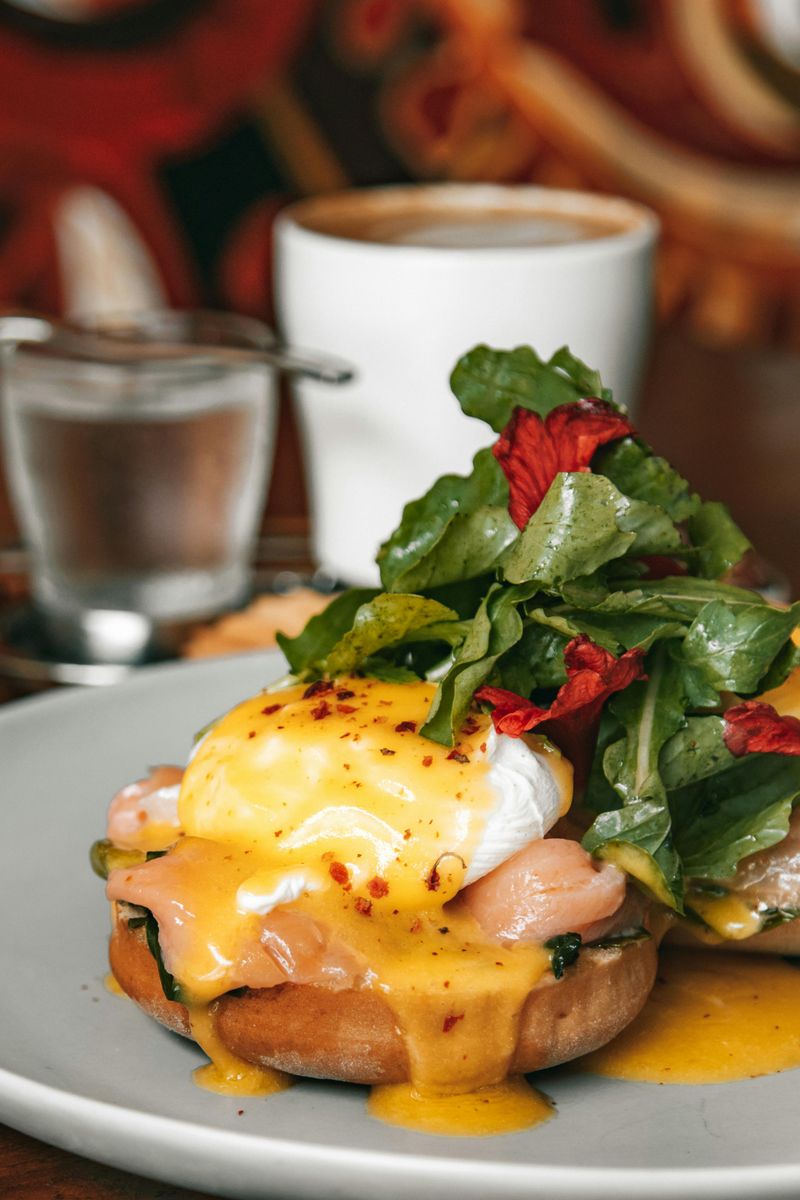
Image Credit: © ROMAN ODINTSOV / Pexels
Classic brunch dishes like Eggs Benedict depend entirely on properly made hollandaise sauce.
This delicate emulsion requires careful technique, fresh ingredients, and constant attention to temperature.
Many restaurants take shortcuts by using powdered mixes or preparing large batches that sit under heat lamps for hours.
The result tastes nothing like authentic hollandaise and can even pose food safety risks.
Chefs recognize that making hollandaise correctly takes time and skill that busy kitchens often skip during rushed service.
The sauce should be silky, rich, and made to order, but that rarely happens outside fine dining establishments.
When professionals spot hollandaise on a casual restaurant menu, they usually choose something else, knowing the quality probably won’t meet their standards.
4. Daily Specials
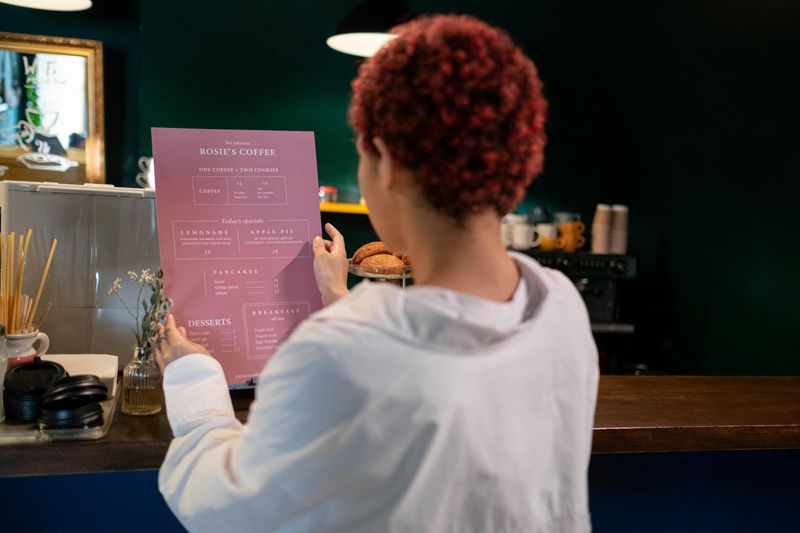
Image Credit: © Ron Lach / Pexels
That enticing special your server enthusiastically describes might have a hidden backstory.
Kitchens frequently use daily specials as a way to move ingredients approaching their expiration dates before they must be thrown away.
While not always the case, chefs know this industry trick too well to ignore.
A special could feature that salmon filet from last week or vegetables that need using immediately.
Smart restaurants create specials around seasonal ingredients or chef creativity, but others simply need to clear inventory.
Professional cooks ask detailed questions about specials before ordering, looking for clues about freshness and preparation.
They prefer menu staples that restaurants prepare consistently with reliable ingredient turnover.
Unless dining somewhere with an impeccable reputation, experienced chefs approach daily specials with healthy skepticism.
5. Truffle Oil Dishes
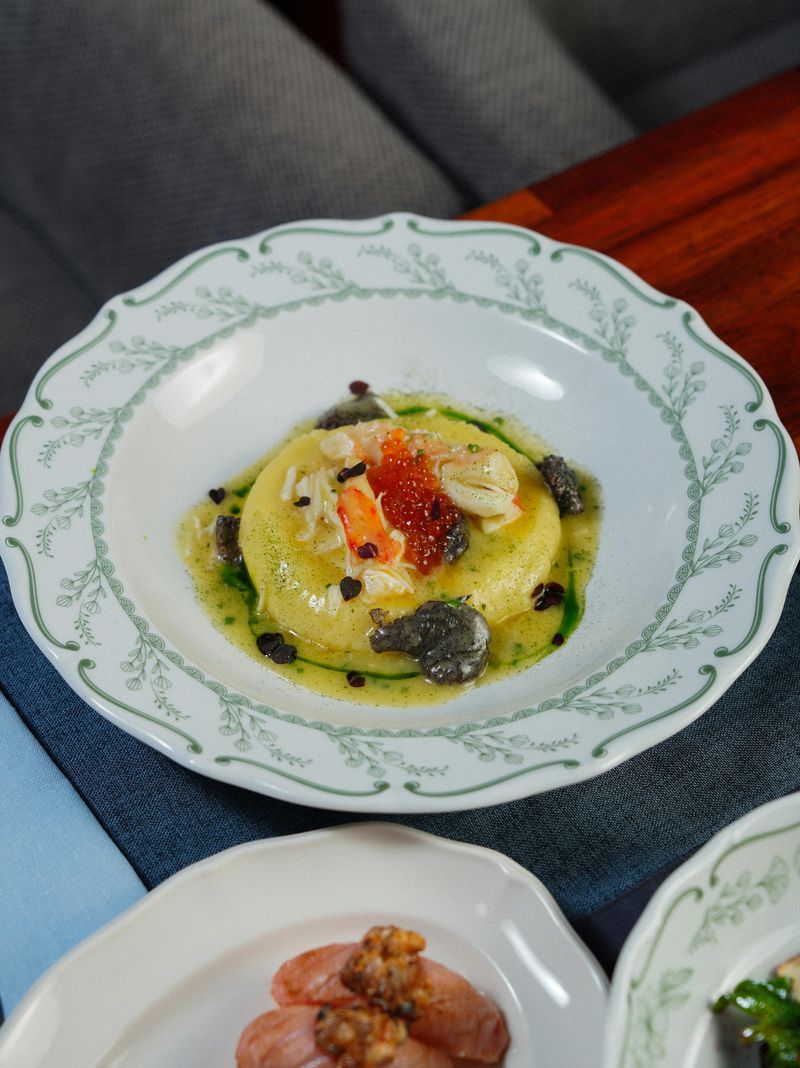
Image Credit: © Nadin Sh / Pexels
Real truffles cost hundreds of dollars per pound, which explains why most restaurants don’t actually use them.
Instead, they rely on truffle oil that contains synthetic flavoring designed to mimic the earthy, pungent taste of genuine truffles.
Professional chefs can instantly detect the artificial, chemical-like flavor that dominates dishes dressed with this impostor ingredient.
The oil often overpowers everything else on the plate with its harsh, one-dimensional taste.
Authentic truffle dishes should feature fresh shaved truffles or high-quality truffle products made from real fungi.
When chefs see “truffle oil” listed on a menu, they know they’re paying premium prices for synthetic flavoring that costs pennies.
They’d rather order something honest that showcases the kitchen’s actual ingredients and skills.
6. Buffet Items
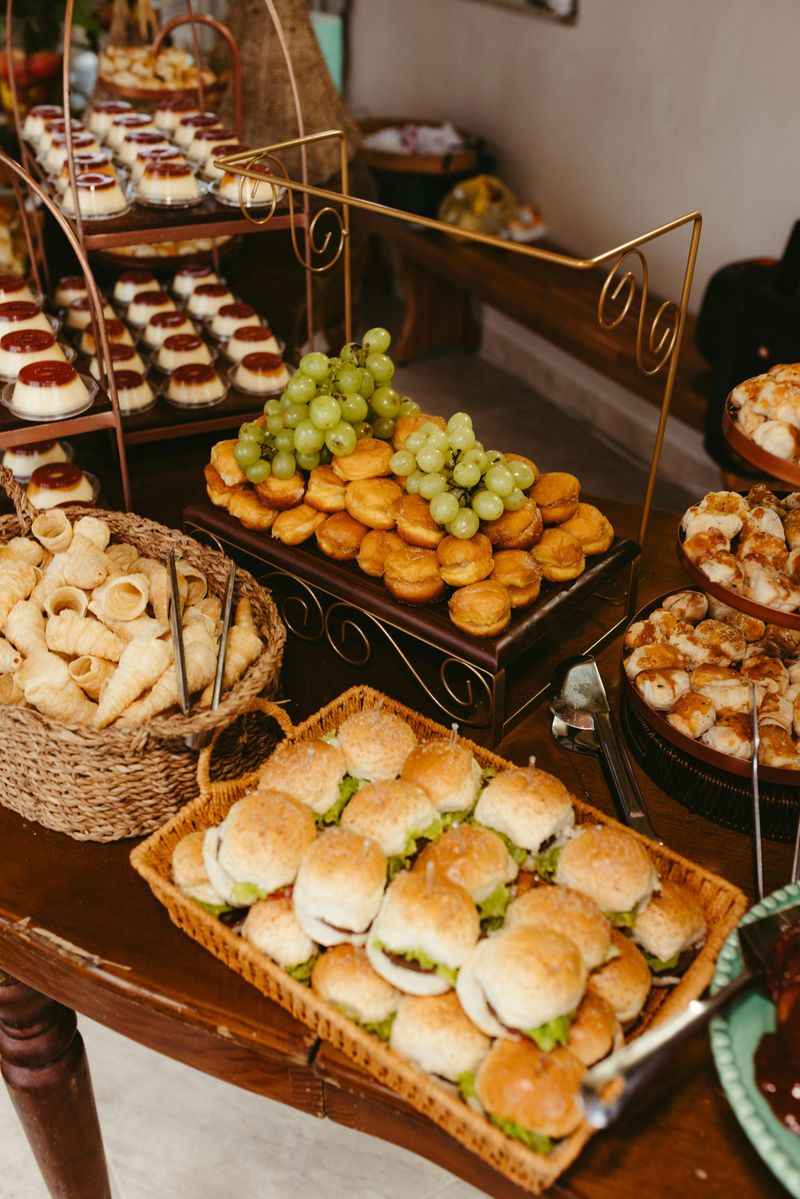
Image Credit: © Jonathan Borba / Pexels
All-you-can-eat buffets seem like great value until you consider what happens behind the scenes.
Food sits exposed to air and fluctuating temperatures for hours, losing flavor, texture, and nutritional value with each passing minute.
Chefs understand the food safety concerns that come with buffet service.
Dishes get repeatedly reheated, and there’s no guarantee about how long items have been sitting out or how many people have breathed on them.
Cross-contamination becomes a serious risk when serving utensils get mixed up or customers accidentally drop food.
Professional cooks prefer meals prepared fresh to order, where they can assess quality and proper handling.
Buffets prioritize quantity and convenience over the culinary excellence that chefs value in their dining experiences.
7. Overly Complicated Menu Items
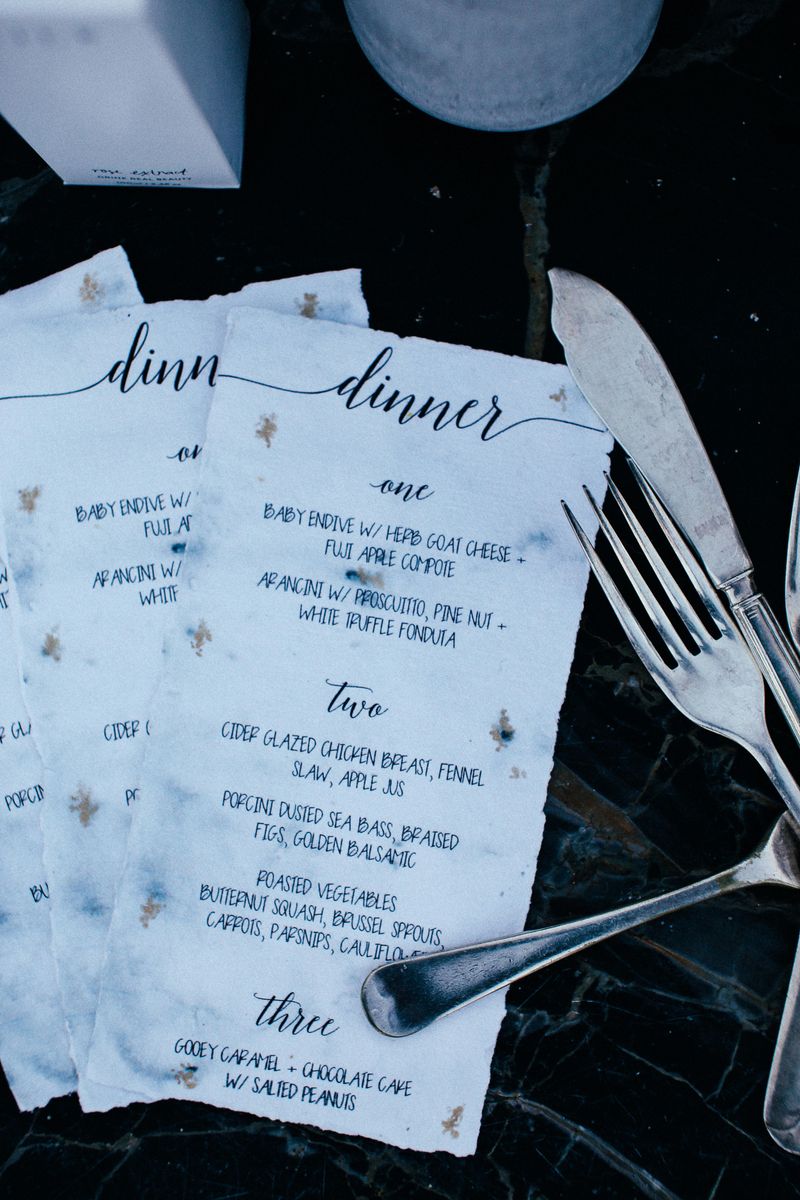
Image Credit: © Rachel Claire / Pexels
When a menu description reads like a novel, listing twelve different ingredients and three cooking techniques, professional chefs get suspicious.
Dishes with excessive components often signal a kitchen trying too hard to impress or cover up mediocre core ingredients.
Great cooking celebrates simplicity and allows quality ingredients to shine through proper technique.
Piling on flavors usually means something’s being hidden or the chef lacks confidence in their foundational skills.
These complicated creations also suffer from logistics issues in busy kitchens.
With so many elements requiring attention, something inevitably gets overlooked, overcooked, or forgotten entirely.
Experienced chefs gravitate toward dishes with focused flavor profiles and clean presentations.
They know that memorable meals come from mastering basics, not from cramming everything possible onto one plate.
8. Chicken Breast

Image Credit: © Pixabay / Pexels
Chicken breast ranks as one of the most commonly overcooked proteins in restaurant kitchens.
The lean white meat dries out quickly, becoming rubbery and flavorless when left on the heat just seconds too long.
Many establishments treat chicken breast as their budget-friendly, low-priority option, giving it less attention than pricier proteins like steak or seafood.
Line cooks often cook it well in advance and reheat when ordered.
Professional chefs know that perfectly cooked chicken breast requires precise timing and temperature control that busy kitchens rarely provide for their least expensive menu items.
They’d rather order dark meat preparations like thighs or legs, which stay moist and flavorful even with slight overcooking.
Unless dining somewhere known for excellent poultry preparation, experienced cooks skip the boring, dried-out chicken breast entirely.
9. Raw Oysters at Questionable Restaurants
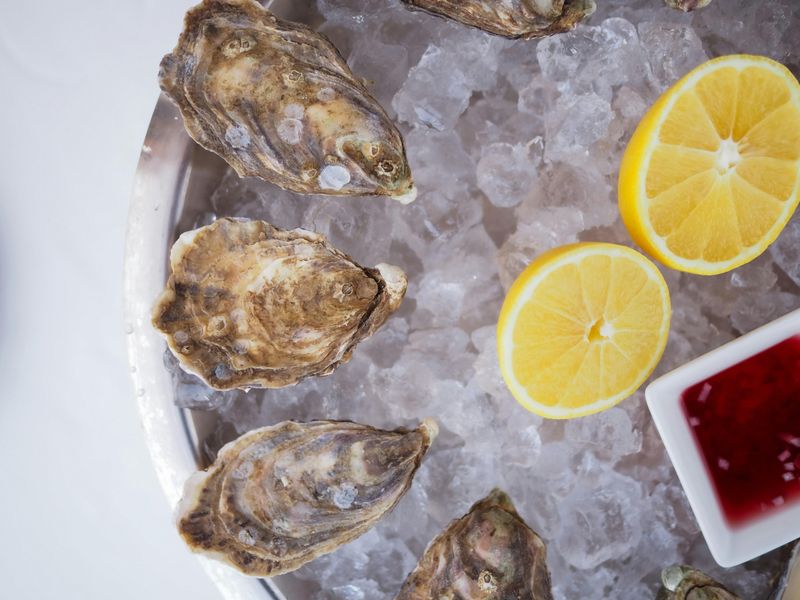
Image Credit: © Nadin Sh / Pexels
Raw oysters can be absolutely delicious or dangerously risky depending on sourcing and handling practices.
Chefs only trust establishments with stellar reputations, high customer turnover, and transparent information about where their oysters come from.
Shellfish safety depends on water quality, proper refrigeration, and freshness that you simply cannot verify at unknown restaurants.
Contaminated oysters can cause serious illness that ruins more than just your meal.
Professional cooks ask detailed questions about oyster origins, harvest dates, and storage methods before ordering.
They look for busy oyster bars where product moves quickly and restaurants maintain relationships with reputable suppliers.
At casual spots or places without obvious seafood expertise, experienced chefs skip raw oysters entirely, choosing cooked preparations instead where heat kills potential bacteria.
10. Desserts Not Made In-House
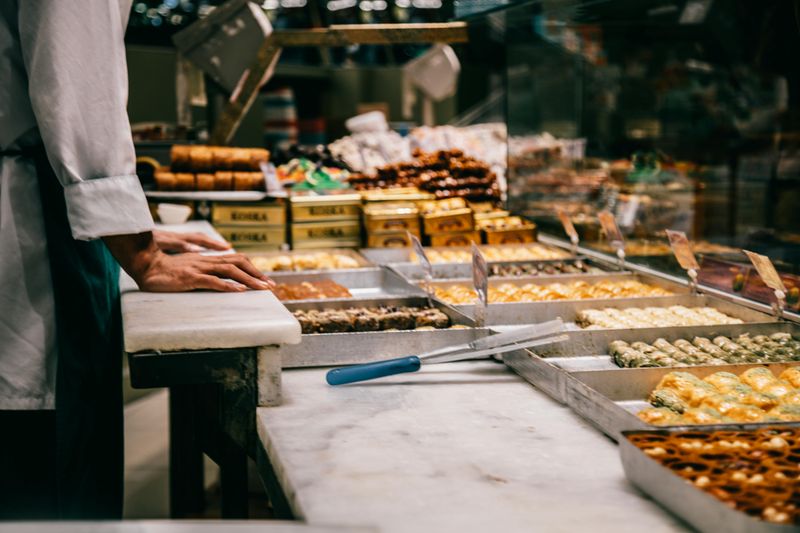
Image Credit: © Meruyert Gonullu / Pexels
That decadent-sounding chocolate cake on the menu might come straight from a freezer rather than a pastry kitchen.
Many restaurants purchase pre-made desserts from suppliers, then plate them with a garnish to create the illusion of freshness.
Chefs can usually spot these imposters immediately by their uniform appearance, artificial taste, and telltale frozen texture.
Quality desserts require specialized skills that not every restaurant possesses, so outsourcing becomes an easy solution.
Professional cooks always ask servers which desserts are made in-house before ordering.
They’d rather skip dessert entirely than pay restaurant prices for something mass-produced in a factory.
When dining out, you should seek restaurants that take pride in their complete menu, including pastry programs that create fresh desserts daily with real ingredients and genuine craftsmanship.