 MomSkoop
Sometimes a movie plants a seed, but it’s television that grows the tree. Over the years, several franchises have found surprising new life on the small screen.
Many have delivered stories that not only matched their cinematic origins but actually exceeded them. From deeper character development to expanded universes, these TV shows proved that sometimes more episodes mean more magic.
1. Buffy the Vampire Slayer (1997–2003)
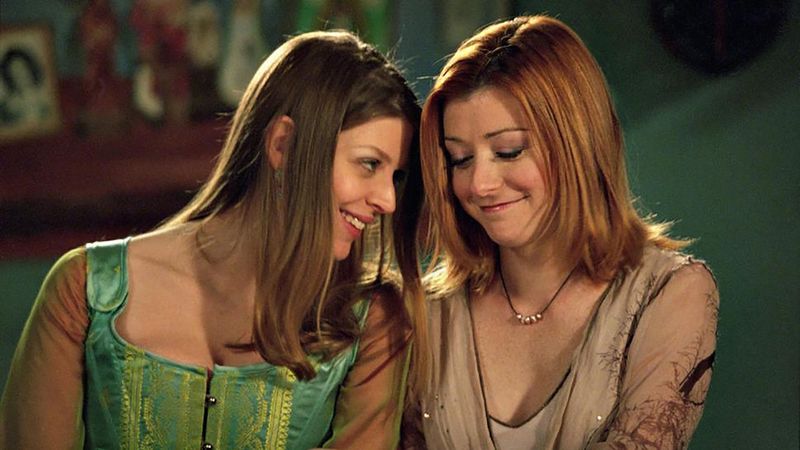
Joss Whedon took a forgettable 1992 film and transformed it into a cultural phenomenon that changed television forever. The movie was campy and shallow, but the series gave us Buffy Summers as a fully realized hero struggling with identity, friendship, and destiny.
What made the show extraordinary was its willingness to tackle real issues through supernatural metaphors. High school literally became hell, heartbreak turned into actual demons, and growing up meant facing apocalypses.
With seven seasons of sharp writing, memorable villains, and characters who felt like family, the series created its own mythology. Buffy became more than entertainment; it became a blueprint for genre storytelling that influenced countless shows afterward.
2. Star Wars: The Clone Wars (2008–2020)
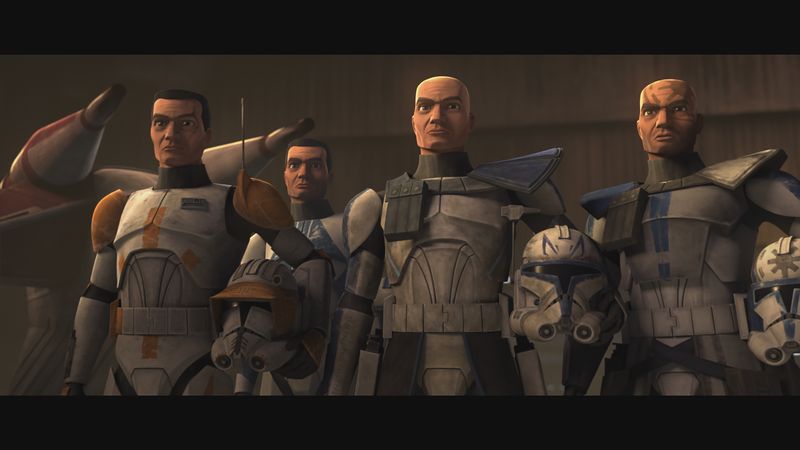
George Lucas’s prequel trilogy left many fans disappointed, but this animated series redeemed an entire era. By filling the gap between Attack of the Clones and Revenge of the Sith, the show added emotional weight to Anakin’s fall.
Ahsoka Tano became one of Star Wars’ most beloved characters despite never appearing in the films. Her relationship with Anakin gave him depth and humanity the movies struggled to capture.
The series explored complex themes like war, morality, and political corruption with surprising maturity. From the Siege of Mandalore to Order 66’s heartbreaking execution, The Clone Wars delivered some of the franchise’s most powerful moments, proving animation could tell stories just as epic as any blockbuster.
3. The Stargate TV Franchise – Stargate SG-1, Atlantis, and Universe
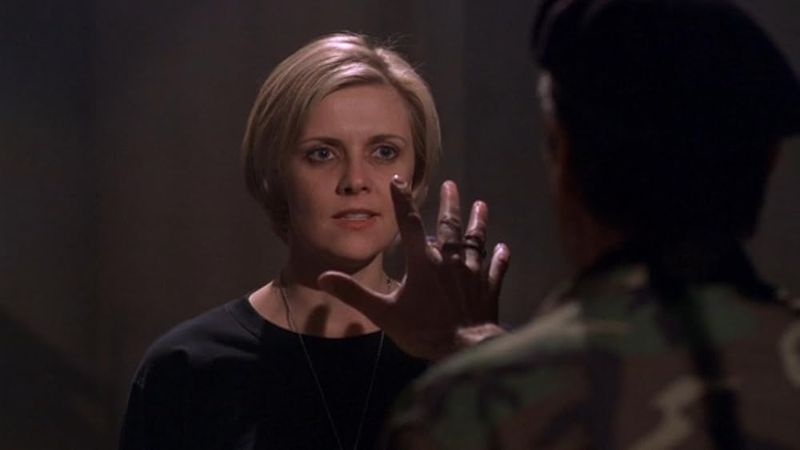
Roland Emmerich’s 1994 film was entertaining but limited in scope, opening a door the TV franchise kicked wide open. SG-1 ran for ten incredible seasons, exploring countless worlds and building a rich mythology the movie only hinted at.
The television universe expanded with Atlantis and Universe, each offering unique takes on interstellar exploration. Characters like Jack O’Neill, Samantha Carter, and Daniel Jackson became icons through years of development the film never had time for.
What started as a single adventure became a sprawling science fiction empire. The shows balanced humor, action, and genuine emotional stakes while creating one of television’s most dedicated fanbases and proving episodic storytelling could outshine theatrical spectacle.
4. Ash vs Evil Dead (2015–2018)
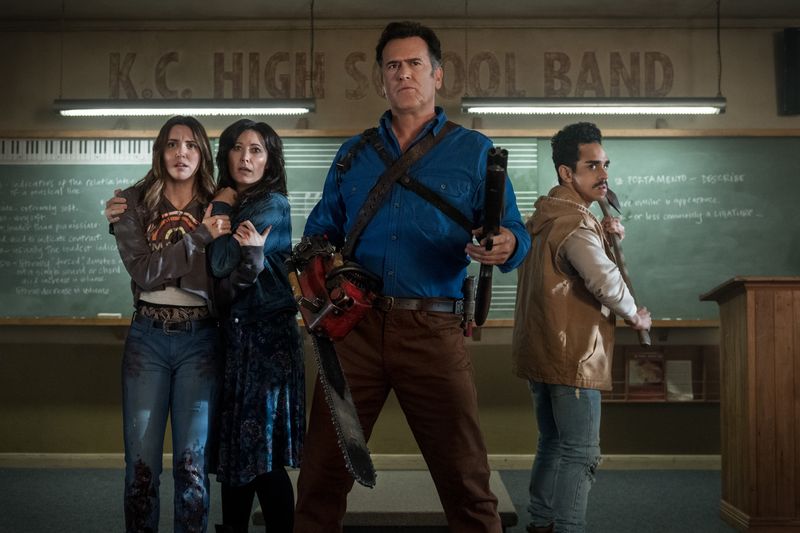
Bruce Campbell returned as Ash Williams after decades, and the result was gloriously insane. While some Evil Dead sequels lost their way, this series recaptured the franchise’s perfect balance of horror and comedy with style.
Three seasons of demon-slaying madness gave fans everything they craved: creative kills, quotable one-liners, and surprisingly touching character moments. Ash finally got the development he deserved, evolving from selfish coward to reluctant hero without losing his trademark snark.
The show’s production values brought Sam Raimi’s vision to vivid, blood-soaked life each week. New characters like Kelly and Pablo added fresh energy while honoring the franchise’s roots, making this continuation feel both nostalgic and innovative in ways the films rarely achieved.
5. Hannibal (2013–2015)
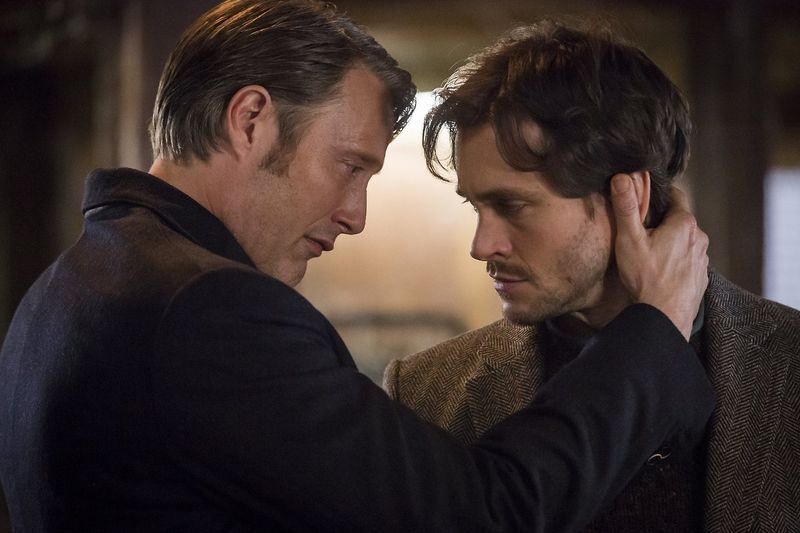
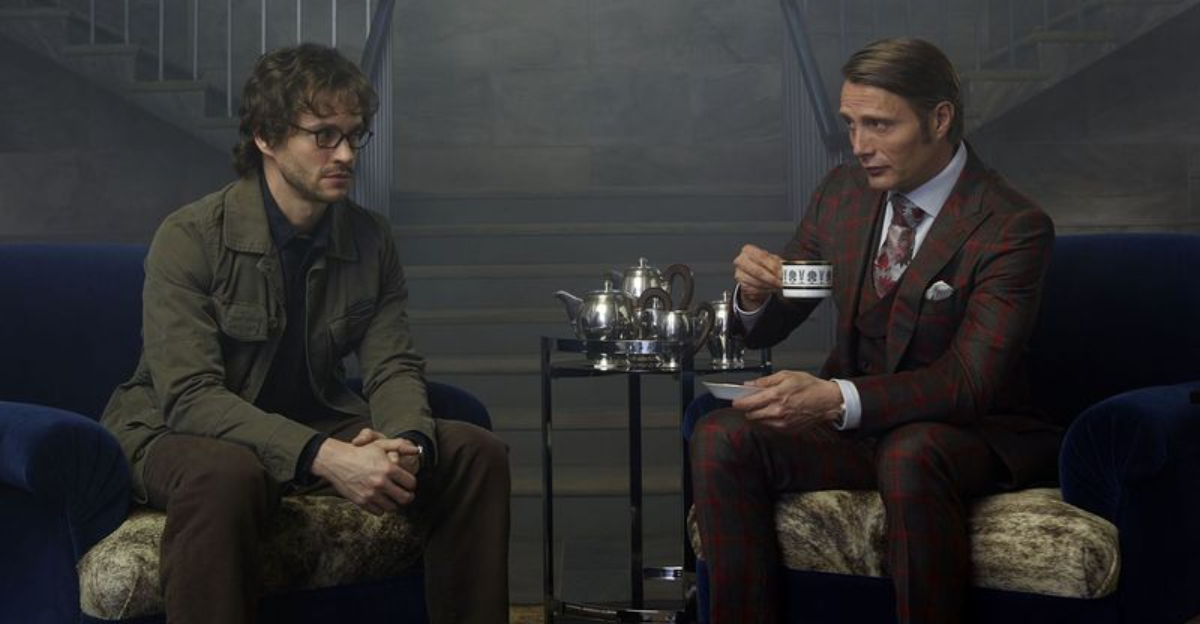
Bryan Fuller created something extraordinary: a Hannibal Lecter story that rivals and arguably surpasses The Silence of the Lambs in artistry. The series transformed Thomas Harris’s novels into operatic visual poetry dripping with symbolism and psychological intensity.
Mads Mikkelsen’s Hannibal was terrifyingly charming, while Hugh Dancy’s Will Graham brought vulnerability and complexity the films barely scratched. Their relationship became a twisted dance of manipulation, admiration, and something disturbingly close to love.
Every episode looked like a moving painting, with food photography that made cannibalism disturbingly beautiful. The show fearlessly explored darkness, madness, and morality with intelligence that respected its audience, crafting a masterpiece that redefined what network television could achieve in the thriller genre.
6. Cobra Kai (2018–2025)

Who knew a sequel to 1980s karate movies would become one of streaming’s biggest hits? Cobra Kai succeeded by doing something brilliant: treating every character, even former villains, with empathy and complexity.
Johnny Lawrence’s redemption arc transformed him from one-dimensional bully into a flawed, hilarious, and genuinely sympathetic protagonist. Meanwhile, Daniel LaRusso’s hero status got examined and occasionally questioned, adding shades of gray the films never explored.
Six seasons proved there was endless storytelling potential in this universe. The show balanced nostalgia with fresh perspectives, introducing new generations to the miyagi-do philosophy while delivering action, humor, and heart that far exceeded anyone’s expectations for a Karate Kid continuation.
7. Bates Motel (2013–2017)
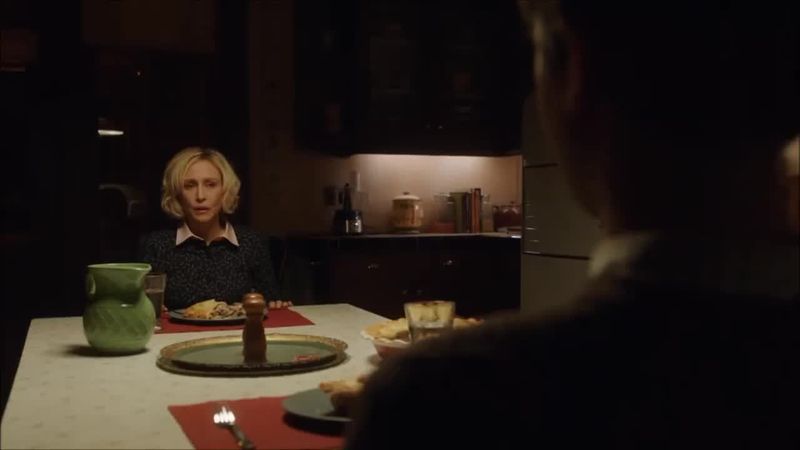
Reimagining Norman Bates’s origin story in contemporary times was risky, but the gamble paid off spectacularly. Freddie Highmore delivered a haunting performance, showing Norman’s descent into madness with heartbreaking nuance the Psycho sequels never achieved.
Vera Farmiga’s Norma Bates stole every scene as a fiercely protective mother whose own demons fueled her son’s darkness. Their toxic codependency became the show’s emotional core, making viewers sympathize with monsters.
Five seasons carefully constructed Norman’s psychological unraveling while building a rich world around the infamous motel. The series honored Hitchcock’s masterpiece while carving its own identity, proving that prequels could add depth rather than diminish legacy when handled with intelligence and respect.
8. Tron: Uprising (2012–2013)
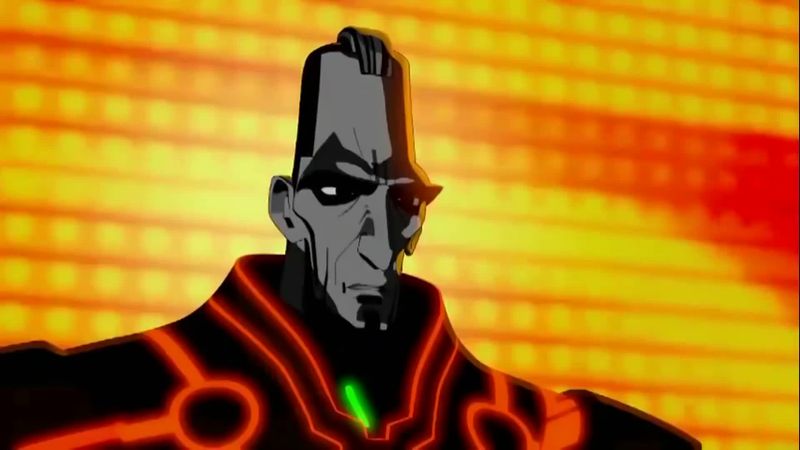
This animated series deserved far more recognition than it received during its single season. Set between the two Tron films, Uprising explored the Grid’s occupation with mature storytelling and breathtaking visual design that put many big-budget movies to shame.
Beck’s journey from mechanic to revolutionary hero provided the character-driven narrative the films lacked. The show tackled themes of resistance, identity, and sacrifice with surprising depth for a Disney XD production.
Elijah Wood voiced the protagonist with earnest vulnerability while Lance Henriksen’s villain brought genuine menace. The animation style was gorgeous, blending sleek futurism with emotional expressiveness. Though cancelled too soon, Uprising proved the Tron universe worked better as serialized storytelling than blockbuster spectacle.
9. Chucky (2021–2024)
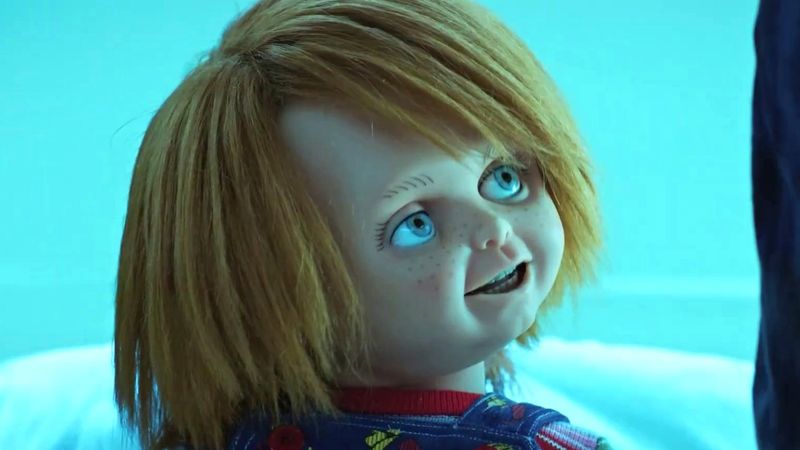
Creator Don Mancini brought his killer doll back to television with style, delivering everything fans loved about the franchise while pushing boundaries further. Unlike some later films that felt repetitive, the series found fresh angles by focusing on teenage characters and LGBTQ+ representation.
Three seasons balanced genuine scares with the franchise’s signature dark humor perfectly. Chucky remained terrifyingly funny, voiced brilliantly by Brad Dourif, while new characters brought emotional stakes that made you actually care between the murders.
The show cleverly connected decades of continuity without alienating newcomers. By embracing both horror and heart, Chucky proved that slasher franchises could evolve beyond simple body counts, offering commentary on bullying, identity, and acceptance alongside the creative kills fans expected.
10. Terminator: The Sarah Connor Chronicles (2008–2009) & Terminator Zero (2024–Present)
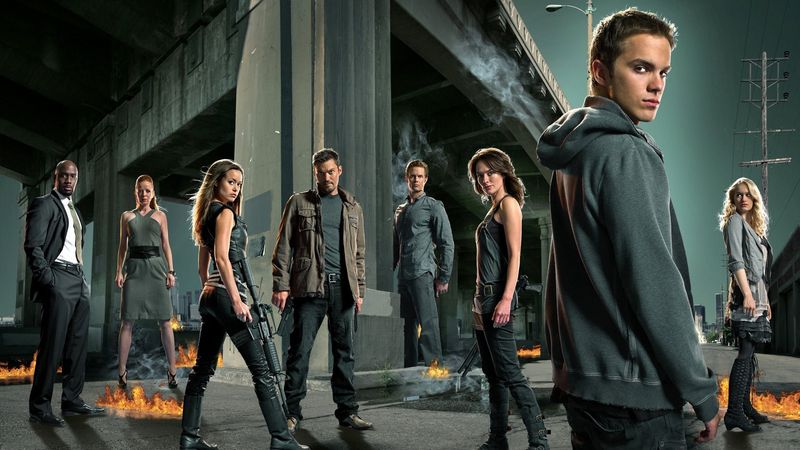
Before the franchise drowned in disappointing sequels, this series offered something special: a thoughtful exploration of fate, family, and what it means to be human. Lena Headey brought fierce determination to Sarah Connor, while Summer Glau’s Cameron added fascinating questions about machine consciousness.
Two seasons examined the psychological toll of living under apocalyptic threat more deeply than most films attempted. John Connor’s coming-of-age story gained complexity as he struggled between normal teenage life and destined savior responsibilities.
The show took risks with time travel paradoxes and moral ambiguity that elevated it beyond typical action fare. Though cancelled prematurely, The Sarah Connor Chronicles demonstrated that the Terminator mythology worked brilliantly as character-driven drama rather than just spectacle.