 MomSkoop
Walking into a room should feel natural and easy. But sometimes furniture gets in the way without you even realizing it. Certain pieces block pathways, create visual clutter, or just make a space feel awkward and cramped. Identifying these sneaky culprits can help you rearrange or replace them for a home that flows beautifully.
1. Oversized Sectional Sofas
A giant sectional might promise comfort, but it often swallows up your living room instead.
When a sofa takes over too much floor space, it blocks natural walking paths and makes the room feel suffocating.
People end up squeezing around corners or bumping into armrests just to cross the room.
Downsizing to a more proportional couch opens up breathing room.
You will notice how much easier it becomes to move around and how the space suddenly feels bigger.
Choosing furniture that fits your room size rather than maxing out every inch creates better balance.
Your living area should invite movement, not obstacle courses.
2. Bulky Coffee Tables with Sharp Corners
Ever bruised your shin on a coffee table corner in the dark?
That painful moment reveals a bigger problem.
Coffee tables with hard edges and oversized frames disrupt the natural flow between seating areas.
They become obstacles rather than helpful surfaces.
Round or oval tables guide people around them more smoothly.
Lighter designs with open bases also make rooms feel less congested.
When you can walk freely without dodging furniture, your whole space feels more welcoming.
Consider swapping that heavy rectangle for something softer and smaller that still serves your needs without dominating the center of the room.
3. Tall Bookcases Placed in Narrow Hallways
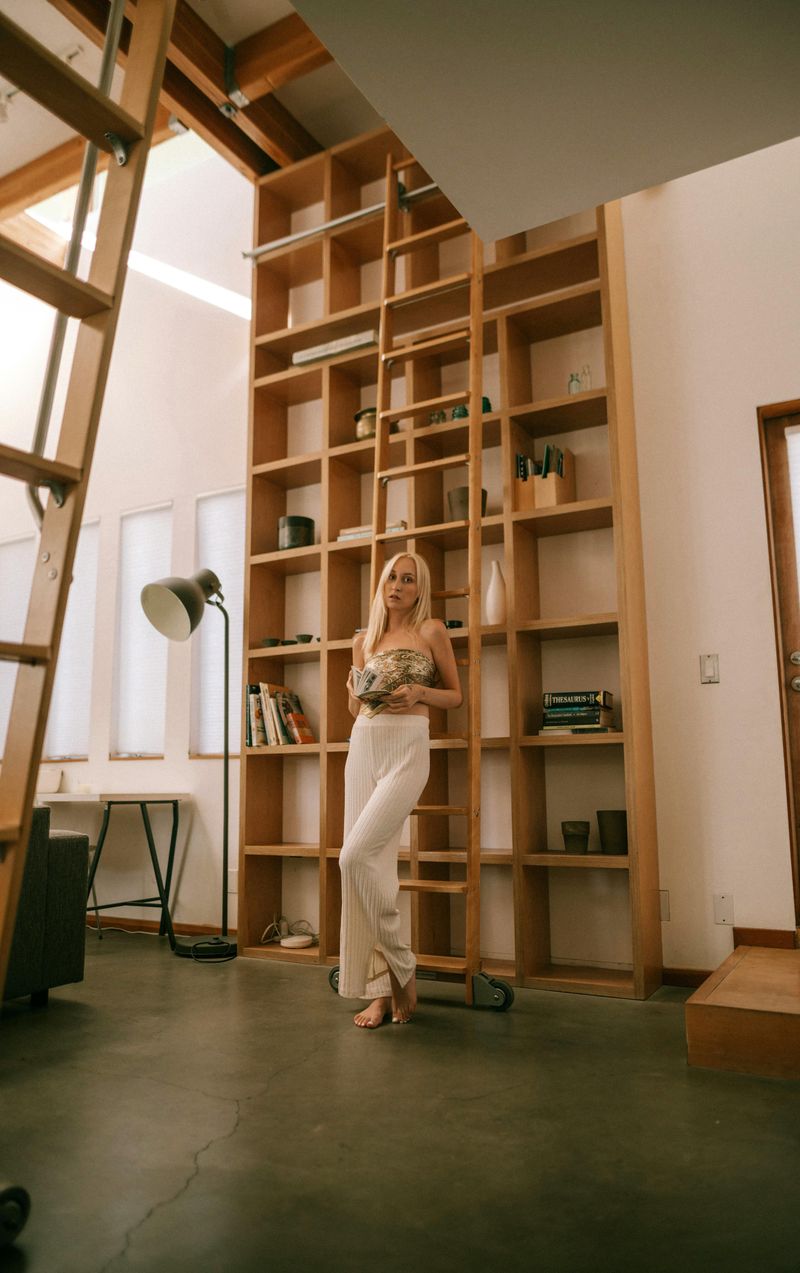
Hallways exist to connect rooms, not store books.
Placing a towering bookcase in a slim corridor chokes off the pathway and makes the whole area feel dark and cramped.
Guests might turn sideways just to squeeze past.
Even if the bookcase technically fits, it creates a psychological barrier that makes people uncomfortable.
Hallways work best when kept clear and open.
If you need storage, consider shallow wall shelves or move the bookcase into a bedroom or office where it belongs.
Freeing up hallway space improves circulation throughout your entire home.
You will feel the difference immediately.
4. Mismatched Accent Chairs Facing the Wrong Direction
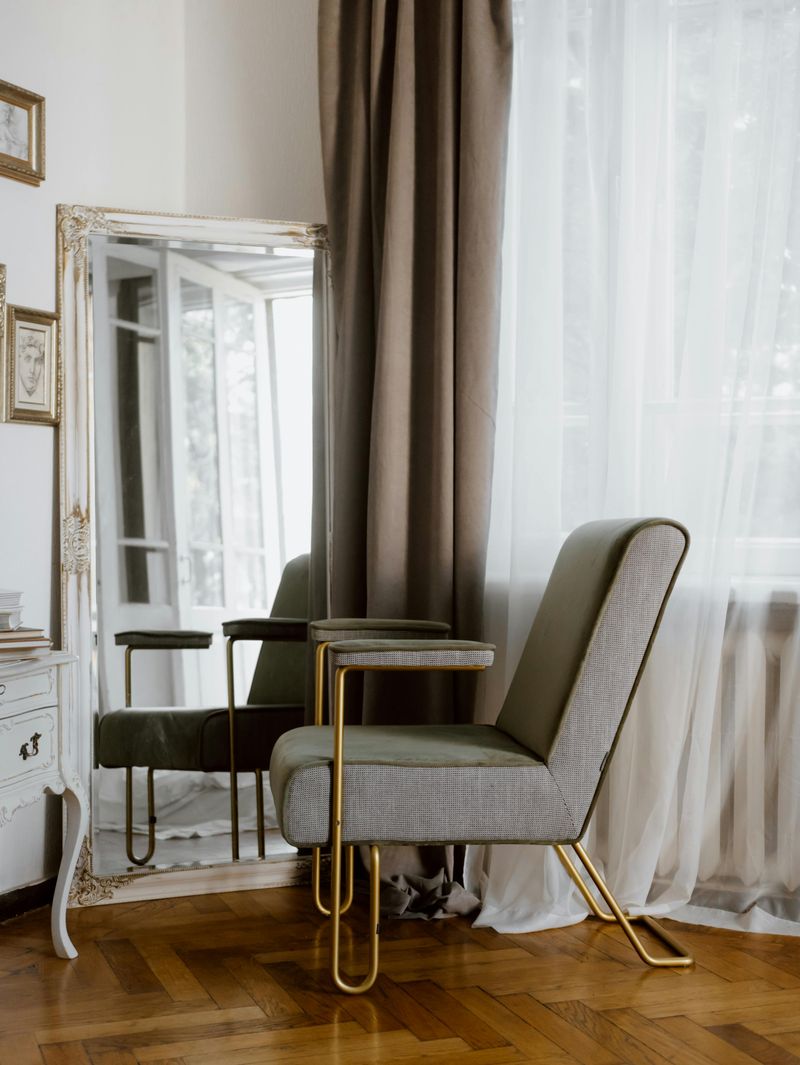
Accent chairs add personality, but only when positioned thoughtfully.
Placing them so they face walls or away from other seating kills conversation and makes the room feel disconnected.
People sitting in those chairs feel isolated instead of included.
Good furniture arrangement encourages interaction by angling seats toward each other.
When chairs work together as a group, the room naturally flows better.
Take a moment to rearrange so everyone can see and talk to each other comfortably.
Even small adjustments in direction create big improvements in how welcoming your space feels to both family and guests.
Flow starts with connection.
5. Entertainment Centers That Dominate Entire Walls
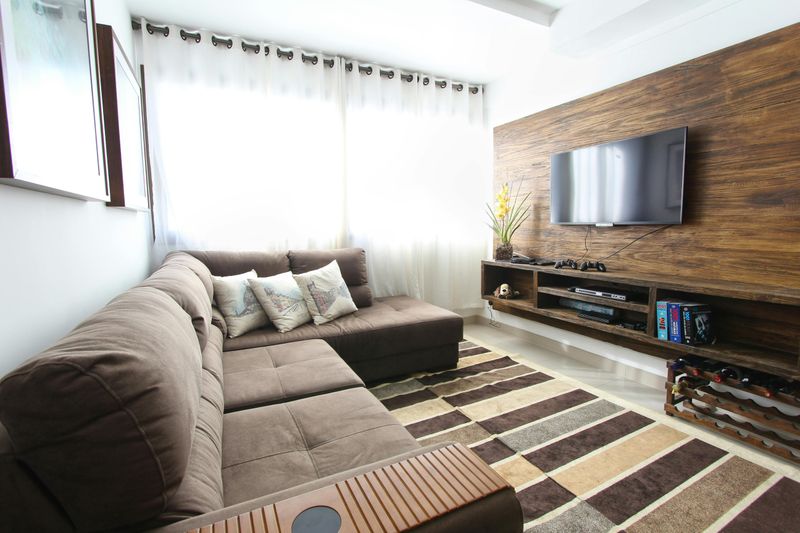
Did you know that entertainment centers from the 1990s often weighed over 200 pounds?
Those massive units might hold everything, but they also crush the visual balance of a room.
When one piece of furniture commands an entire wall, it creates a heavy, closed-in feeling.
Modern floating shelves or minimalist TV stands achieve the same function without the bulk.
Lighter options let walls breathe and make rooms appear larger.
If your entertainment center feels like a monument, it might be time for an upgrade.
Streamlined storage keeps things organized while preserving openness.
Your room will thank you.
6. Dining Tables Too Large for the Space
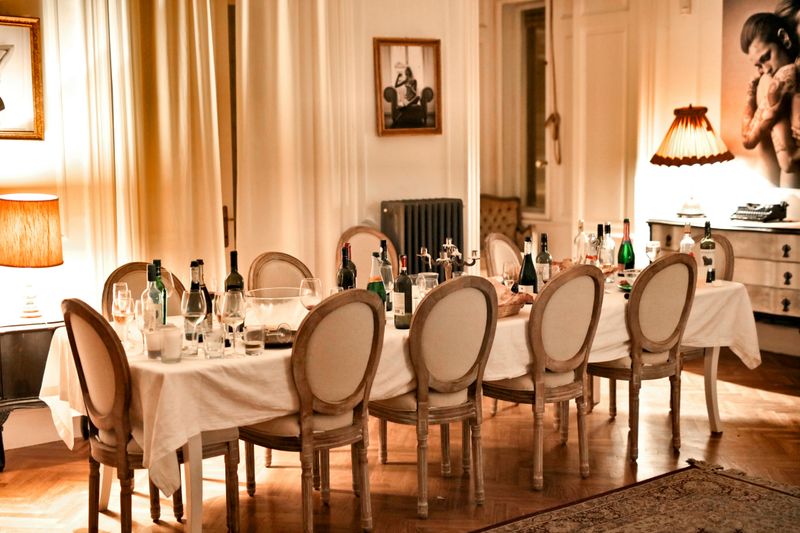
Squeezing a banquet-sized table into a modest dining room creates instant frustration.
Chairs scrape walls when pulled out, and people struggle to move around the table comfortably.
Mealtime becomes an awkward shuffle instead of a relaxing experience.
Measuring your space before buying furniture saves headaches later.
A table should allow at least three feet of clearance on all sides for easy movement.
Smaller tables or extendable versions offer flexibility without permanent crowding.
When your dining area flows smoothly, family dinners and gatherings feel more enjoyable.
Right-sizing furniture transforms cramped chaos into comfortable togetherness.
7. Ottoman Storage Cubes Left in Walking Paths
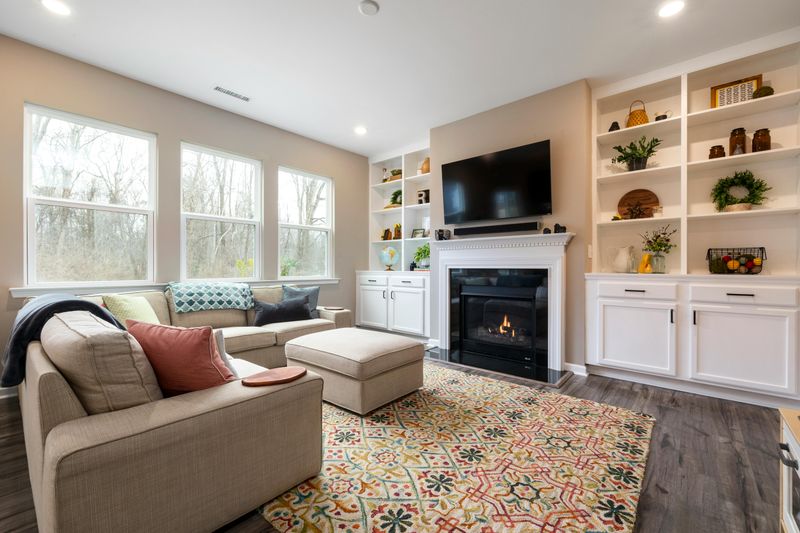
Ottomans offer handy storage and extra seating, which makes them popular.
But when they land randomly in the middle of traffic zones, they become tripping hazards.
You might stub your toe or stumble over them in dim lighting.
Furniture should enhance movement, not interrupt it.
Push ottomans against walls or tuck them under console tables when not in use.
Keeping pathways clear prevents accidents and maintains smooth flow throughout the room.
Even small items deserve intentional placement.
A little mindfulness about where things sit makes your home safer and more functional for everyone who lives there or visits.
8. Recliners That Require Excessive Clearance Behind Them
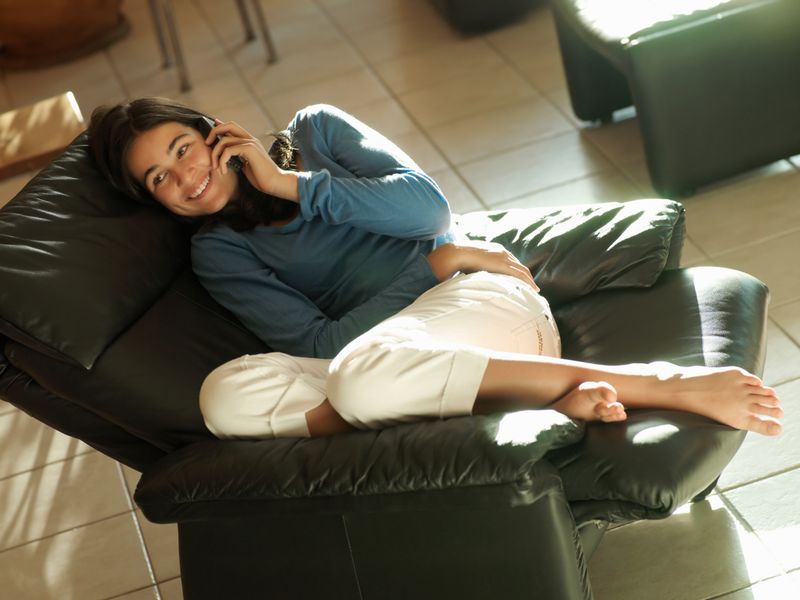
Recliners promise relaxation, but they demand serious real estate.
Most need at least two feet of space behind them to fully extend.
Placing one too close to a wall means it cannot recline properly, wasting its main feature.
Pushing it forward to accommodate the footrest eats up valuable floor space and disrupts furniture groupings.
Wall-hugger recliners solve this problem by requiring minimal clearance.
If you love reclining comfort, choose models designed for tighter spaces.
Your room will flow better when furniture works with your layout instead of fighting it.
Comfort and functionality can absolutely coexist.
9. Console Tables Blocking Radiators or Vents
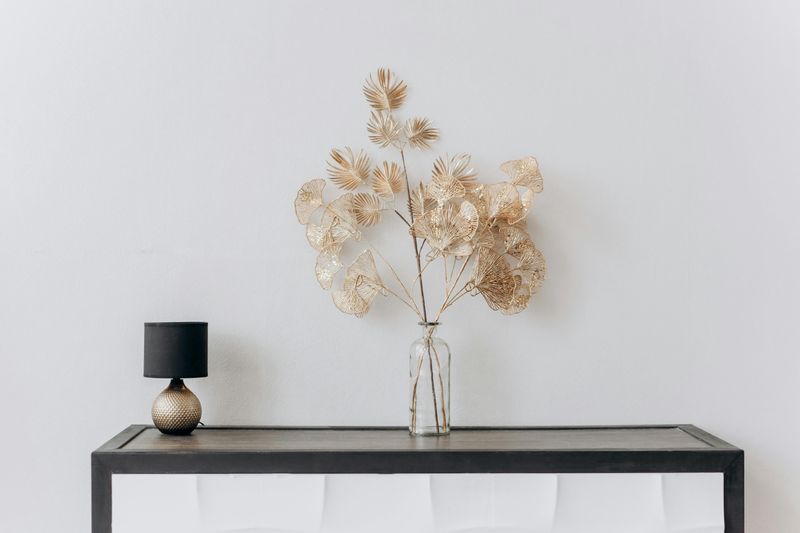
Console tables look elegant behind sofas or along walls.
But positioning them over radiators or air vents causes real problems.
Blocked vents reduce heating and cooling efficiency, making your system work harder and costing more money.
Heat gets trapped behind furniture instead of warming the room.
This mistake affects both comfort and energy bills.
Before placing any furniture, check for vents, outlets, and heating elements.
Leaving clearance ensures proper airflow and keeps your home comfortable year-round.
Sometimes the best furniture arrangement is the one that respects how your house actually functions.
Form should follow function.
10. Armoires That Swing Open Into Traffic Zones
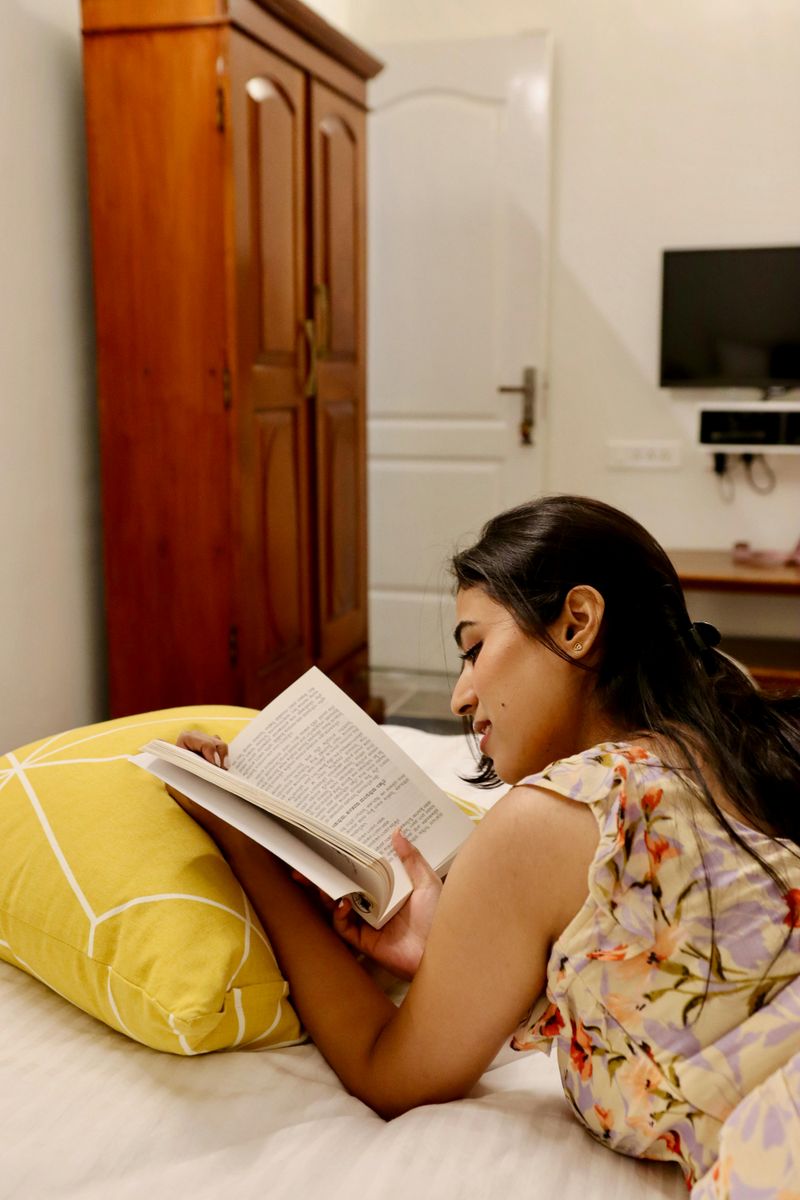
Armoires add classic charm and storage, especially in bedrooms without closets.
However, their swinging doors need plenty of clearance to open fully.
Placing an armoire so its doors block walkways or bump into beds creates daily annoyance.
You end up doing an awkward dance every time you need clothes.
Measure door swing radius before positioning any cabinet furniture.
Corners or wall sections with open space in front work best.
Sliding door armoires offer another solution for tight spaces.
When furniture operates smoothly without interference, your morning routine becomes easier and your room feels more organized and peaceful.