 MomSkoop
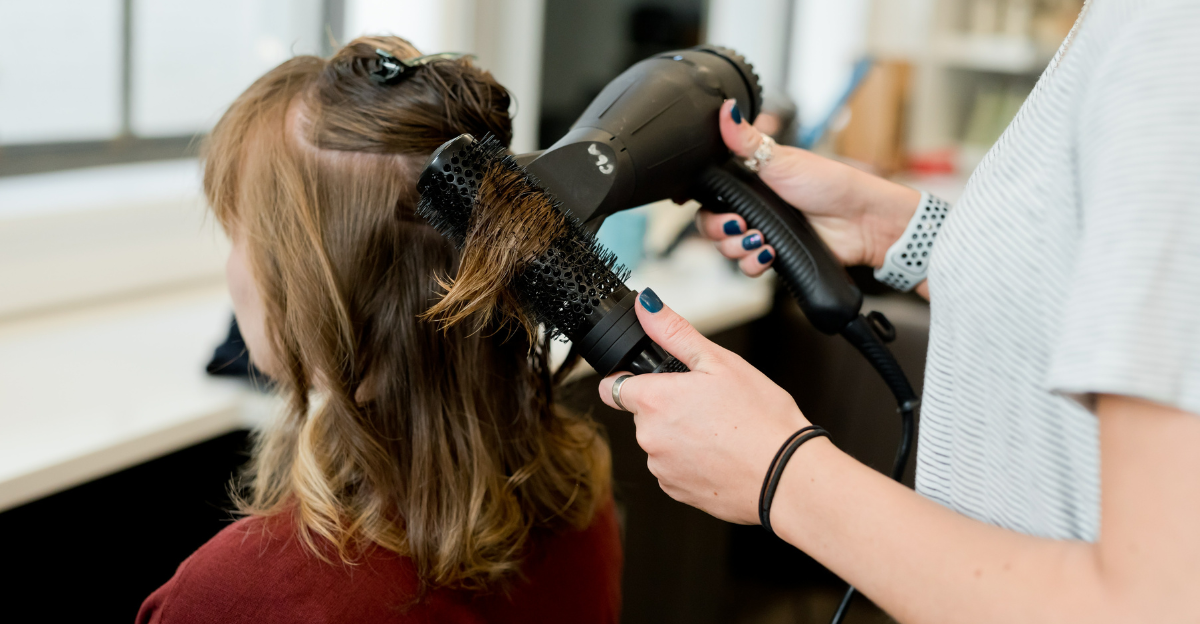
Many women over 40 have heard countless hair care tips passed down through generations, but not all of them are true. Stylists say some of these popular beliefs actually do more harm than good to your hair.
Understanding what really works can help you make better choices and keep your hair looking its best at any age.
1. Frequent Trims Make Hair Grow Faster
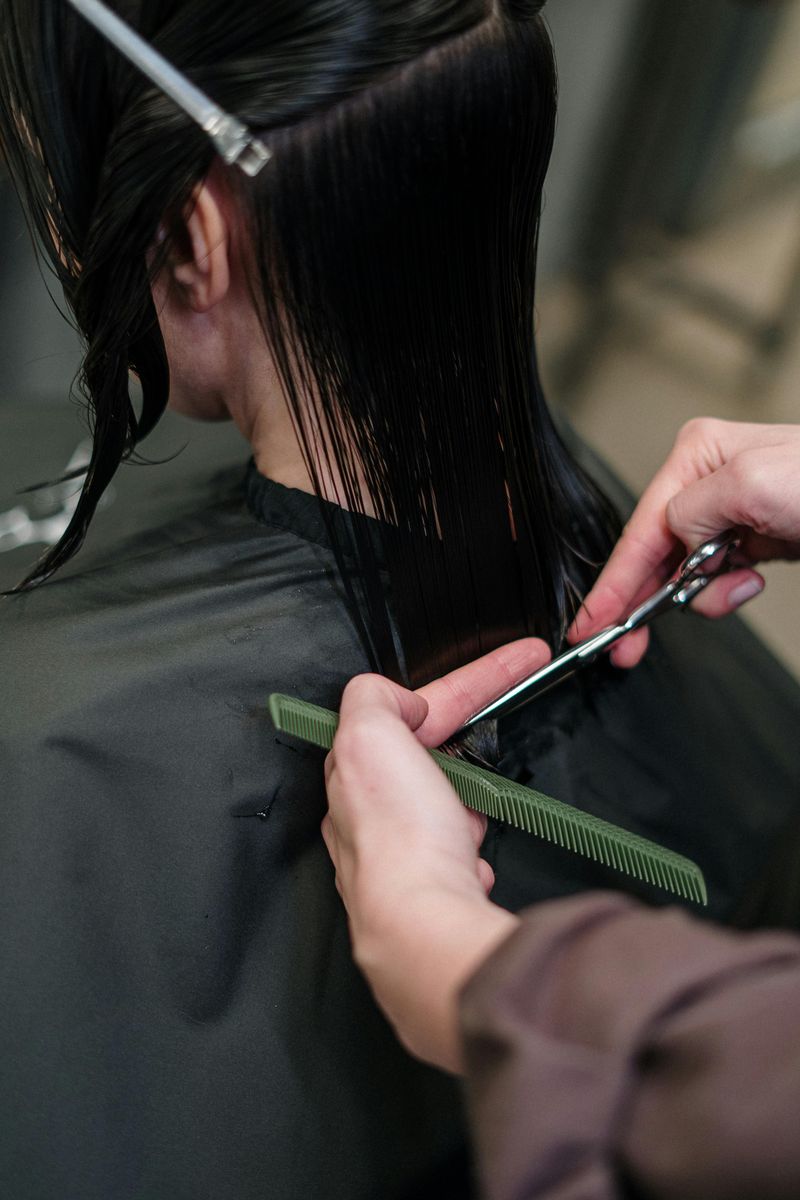
Hair grows from the roots on your scalp, not from the ends. Cutting the tips has absolutely no effect on how fast your follicles produce new hair strands. Your hair grows about half an inch per month no matter how often you visit the salon.
Regular trims do help your hair look healthier by removing split ends and damage. This prevents breakage from traveling up the hair shaft. So while trimming does not speed up growth, it does help you keep more length over time by preventing damage.
Most stylists recommend getting a trim every eight to twelve weeks. This keeps ends fresh without cutting away too much progress.
2. Brushing 100 Strokes Daily Creates Shine and Growth
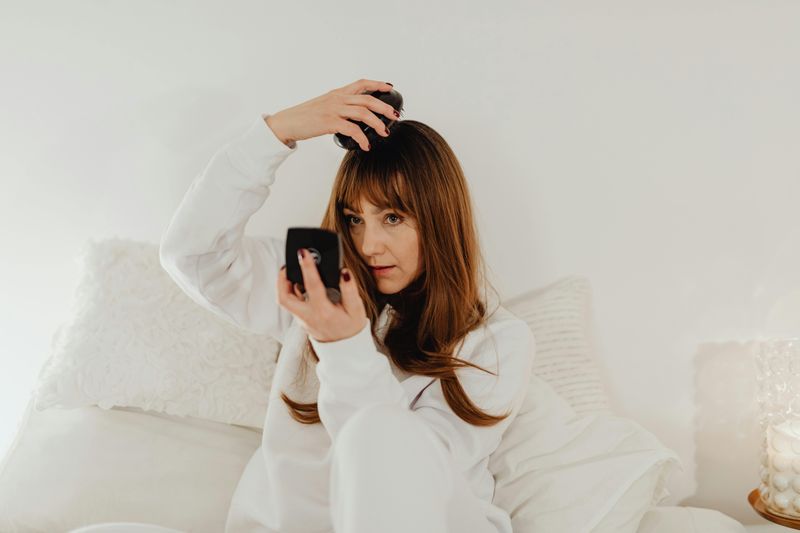
Your grandmother might have sworn by this routine, but excessive brushing actually causes more problems than benefits. Too much brushing can break hair strands, create friction damage, and pull out healthy hairs before they are ready to shed naturally.
Shine comes from smooth, healthy cuticles that reflect light properly. Brushing gently helps distribute natural oils from your scalp down the hair shaft, which can add some shine. However, overdoing it strips away these protective oils and roughens the cuticle surface instead.
Brush only what you need to detangle and style. Quality matters more than quantity when it comes to brushing technique.
3. Daily Washing Ruins Hair Health
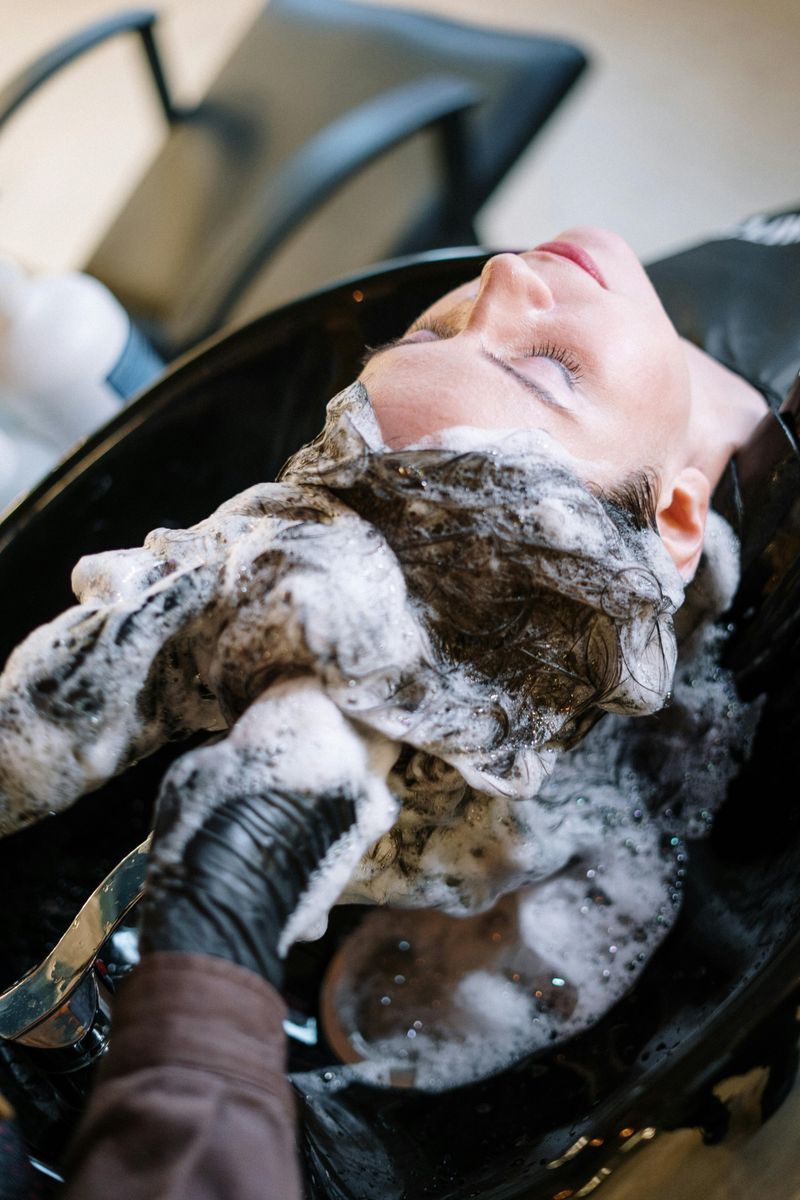
How often you should wash depends entirely on your hair type, scalp condition, and lifestyle. Some women produce more oil and genuinely need daily washing to feel fresh and comfortable. Others with drier hair can go several days between washes without any issues.
Modern shampoos are much gentler than old formulas from decades ago. If you choose a mild, sulfate-free product designed for frequent use, daily washing will not damage healthy hair. The key is matching your routine to your specific needs rather than following arbitrary rules.
Listen to your scalp and hair instead of outdated advice. Clean hair is healthy hair when done correctly.
4. Cold Water Rinses Make Hair Permanently Shinier

A blast of cold water at the end of your shower temporarily smooths down the outer cuticle layer of your hair. This creates a shinier appearance because light reflects better off a flat surface. However, this effect only lasts until your hair dries and returns to its natural state.
Cold water does not permanently change your hair structure or create lasting shine. Once your hair is completely dry and styled, the cuticle returns to whatever condition it was in before your shower. True shine comes from healthy hair and proper conditioning treatments.
Save yourself the discomfort of freezing rinses. Focus instead on nourishing treatments that actually improve hair health over time.
5. Products Can Repair Split Ends Without Trimming
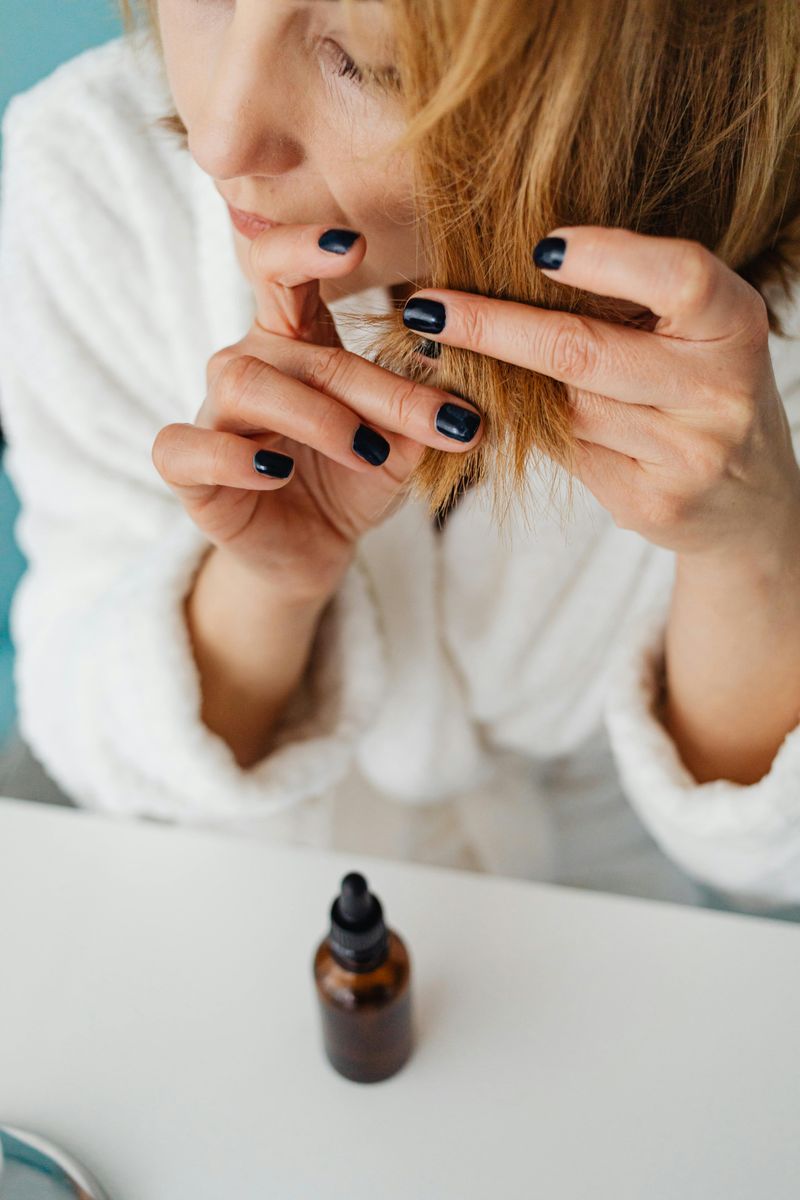
Once a hair strand splits, that damage is permanent and cannot be reversed by any product. Hair is made of dead protein cells, so it cannot heal itself like living skin tissue can. Serums and treatments might temporarily glue split ends together or smooth them down, making damage less visible.
These cosmetic fixes wash out quickly and do nothing to actually mend the broken bonds. The only real solution is cutting off the damaged portion. Otherwise, splits continue traveling up the hair shaft, creating more breakage and preventing you from maintaining length.
Use quality products to prevent future damage, but schedule regular trims to remove existing splits completely.
6. Hair Becomes Immune to Products Over Time
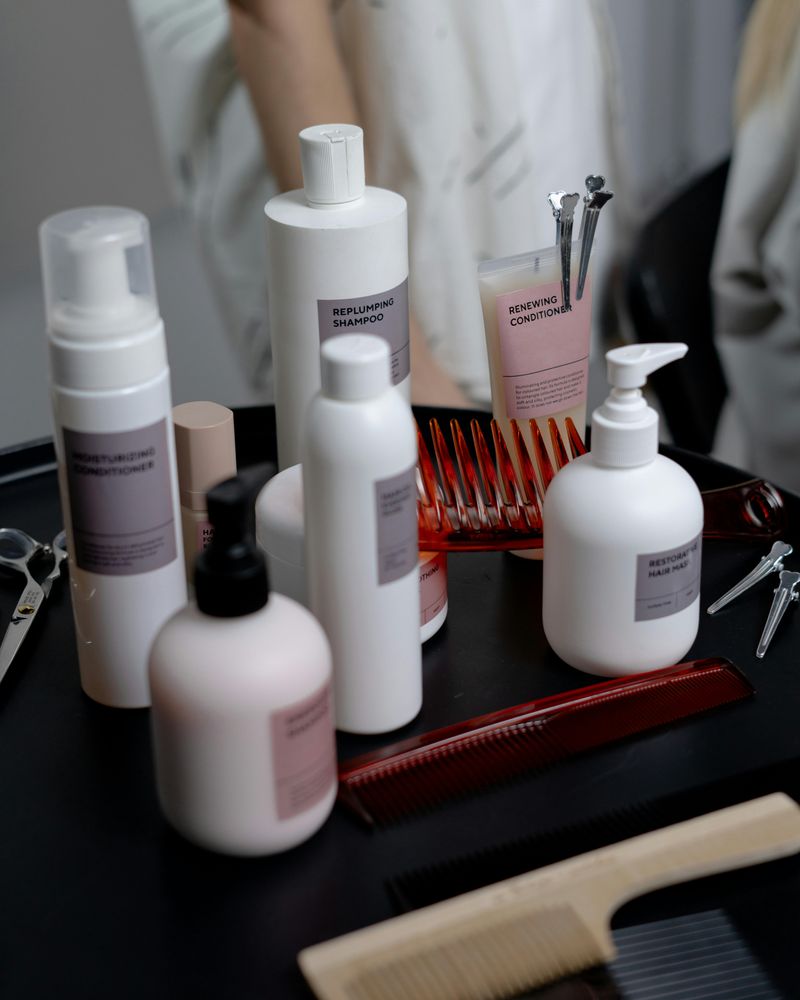
Your hair cannot develop immunity or build up resistance to ingredients like your body might with antibiotics. Hair strands are not alive and do not have the biological systems needed to adapt to products. What people often mistake for immunity is actually product buildup or changing hair needs.
When styling products, oils, and silicones accumulate on hair over time, your regular shampoo might seem less effective. A clarifying wash usually solves this problem immediately. Additionally, hair naturally changes with seasons, hormones, and age, so what worked last year might need adjustment now.
Stick with products that work well for you. Switch only when your hair truly needs something different, not based on schedule.
7. Wearing Hats Causes Permanent Hair Loss

Unless your hat is so tight it cuts off blood circulation, wearing one will not make you lose hair permanently. Hair loss comes from genetics, hormones, medical conditions, and nutritional deficiencies, not from normal hat wearing. Your hair follicles sit deep beneath your scalp surface where a hat cannot affect them.
Extremely tight hats worn constantly might cause temporary traction alopecia from pulling on hair roots. This usually reverses once you stop wearing the problematic headwear. Baseball caps, beanies, and sun hats worn at normal tightness pose no threat whatsoever to your hair.
Protect your scalp from sun damage with hats. Your follicles will thank you for the coverage instead of punishing you with baldness.
8. Stress or Plucking Greys Multiplies Them Instantly
Each hair follicle operates independently and produces only one strand at a time. Plucking a single grey hair cannot trigger surrounding follicles to suddenly start producing grey hairs too. Your genetics and age determine when follicles stop producing pigment, not what happens to neighboring hairs.
Stress can contribute to premature greying over months or years through various biological mechanisms. However, one stressful event will not turn your whole head grey overnight or even within days. That dramatic change only happens in movies, not real life.
Plucking is not recommended because it can damage the follicle over time. Consider embracing your greys or trying professional coloring instead of pulling them out repeatedly.
9. Shaving Your Head Makes Regrowth Thicker and Darker
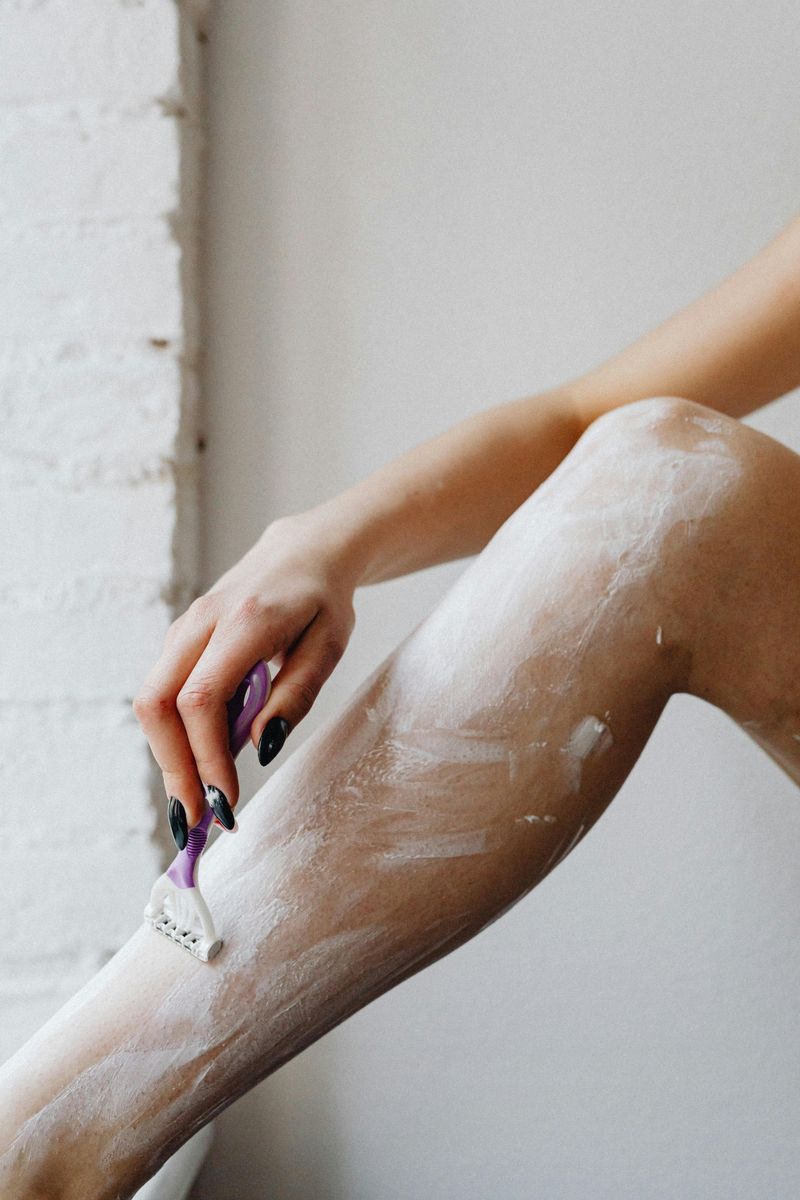
Shaving cuts hair at the skin surface where strands are naturally thicker than at the tapered ends. When this blunt edge grows out, it feels coarser and looks darker because you are touching the thickest part of the hair shaft. The actual hair follicle remains completely unchanged beneath your scalp.
Your genetics determine hair thickness, color, and texture from deep within the follicle. A razor gliding across your skin surface cannot possibly alter these predetermined characteristics. New growth will eventually taper naturally and match your original hair exactly once it reaches longer lengths.
Shaving might change how hair temporarily feels as it grows, but it creates no permanent changes to thickness or color whatsoever.
10. Dandruff Only Comes From Dry Scalp

Dandruff usually results from an overgrowth of yeast that naturally lives on everyone’s scalp. This fungus feeds on scalp oils, and when it grows too much, it causes irritation and rapid skin cell turnover. Those white flakes are actually dead skin cells shedding faster than normal, not necessarily dryness.
Some people with oily scalps actually experience more dandruff because the yeast has more oil to feed on. Using regular moisturizing treatments might make dandruff worse instead of better. Anti-dandruff shampoos contain specific ingredients that control yeast growth and reduce flaking effectively.
See a dermatologist if over-the-counter dandruff shampoos do not help. You might need prescription-strength treatment for stubborn cases that resist typical products.