 MomSkoop
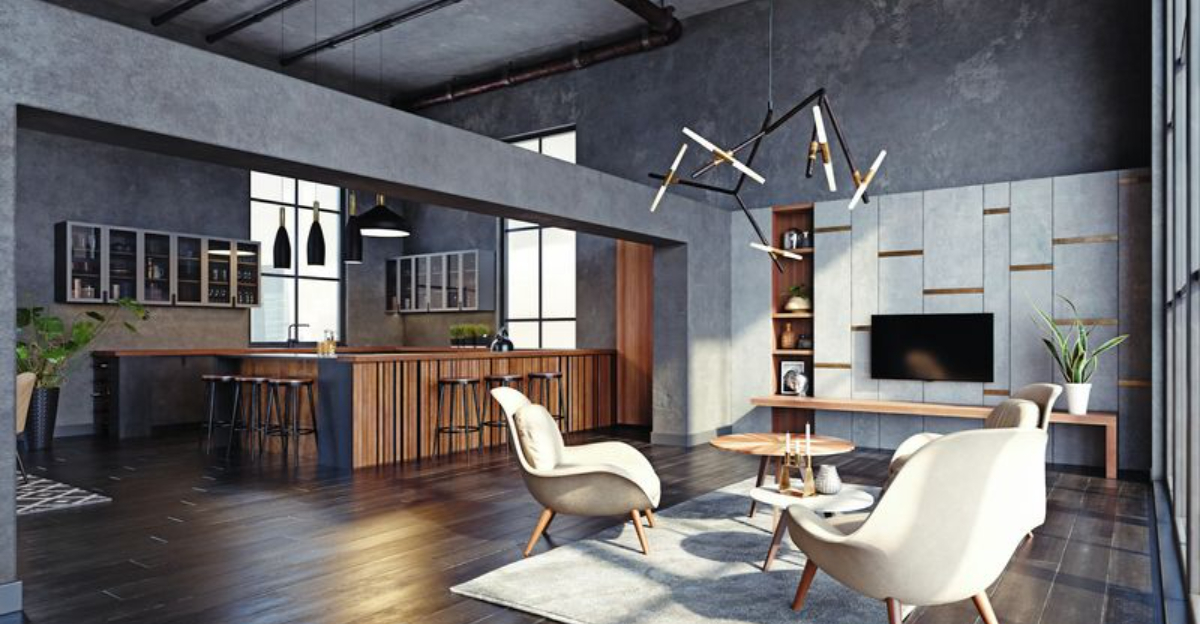
Home décor trends come and go faster than ever before, and what looks fresh one season can feel stale the next. Social media and design shows push new styles constantly, making it easy to jump on trends that quickly lose their appeal. Some design choices that seemed modern or exciting just a year ago now feel tired, impractical, or overly trendy.
1. All-Gray Interiors
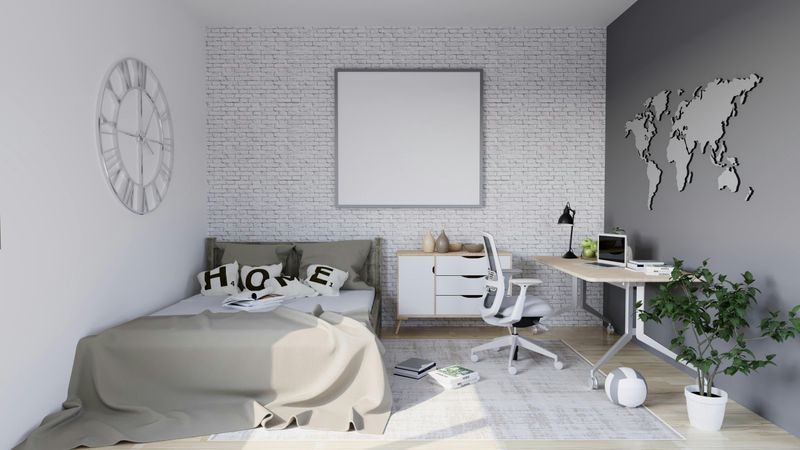
Gray was everywhere for years, covering walls, furniture, and accessories in countless homes.
What once felt sleek and contemporary now comes across as cold and uninviting.
Without pops of color or warm textures, these spaces lack personality and feel more like waiting rooms than welcoming homes.
The problem is that gray became so overused that it lost its sophistication.
Every apartment, every flip, every staged home looked identical.
Homeowners are now craving warmth, bringing back creams, beiges, and earthy tones that feel more inviting.
Adding contrast through wood finishes or colorful accents helps, but many all-gray rooms still read as bland and outdated.
2. Barn Doors (Interior Use)

Sliding barn doors became the signature piece of farmhouse style, appearing in bedrooms, bathrooms, and closets everywhere.
They looked charming at first, offering a rustic touch and space-saving benefits.
But reality set in quickly.
These doors provide zero sound privacy and often leave gaps that let light and noise through.
They rattle on their tracks and require more wall space than traditional doors.
Beyond practicality issues, barn doors now scream “2018 Pinterest board” rather than timeless design.
As farmhouse style fades from its peak popularity, these doors increasingly feel like dated relics of a specific trend era.
Traditional doors offer better function and a cleaner, more versatile look.
3. Open Shelving in Kitchens
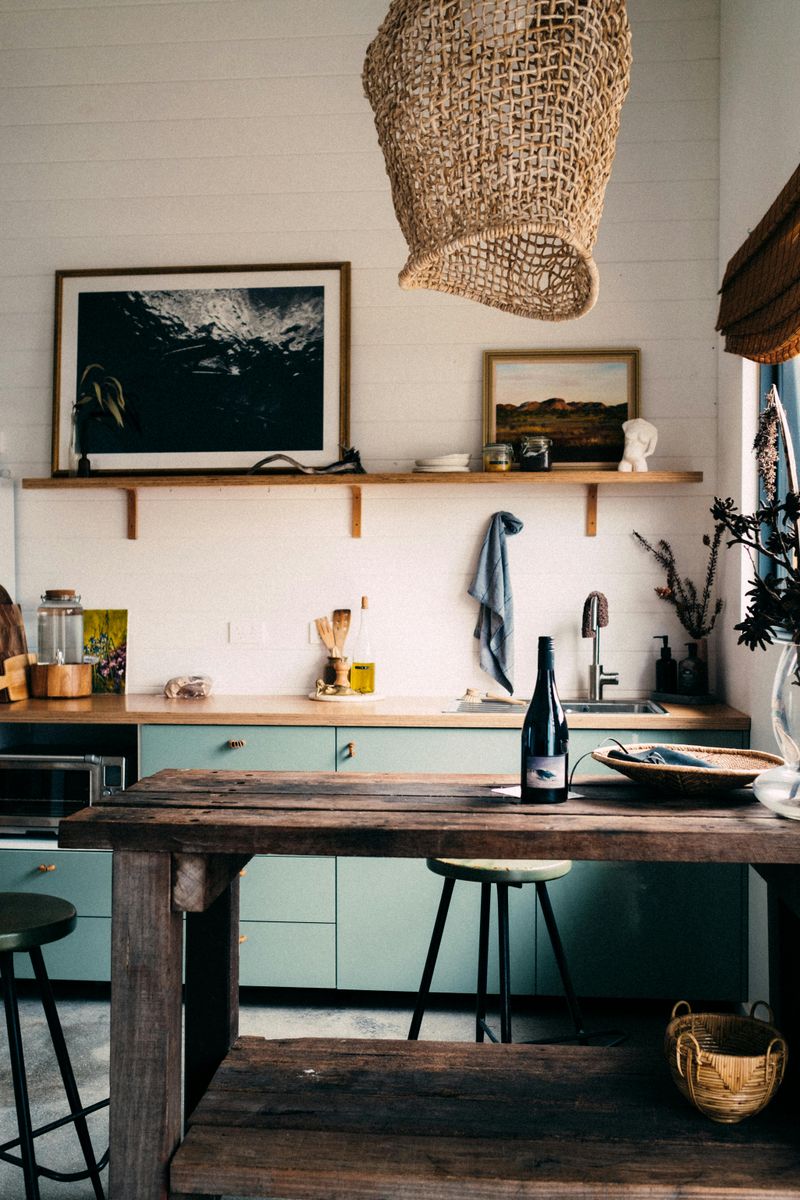
Open shelving looked perfect in magazine photos, displaying artfully arranged dishes and glassware.
Instagram influencers made it seem effortless and chic.
Then people actually lived with it.
Dust settles constantly on exposed dishes, requiring frequent cleaning.
Everything on display needs to look coordinated and tidy, which feels exhausting.
Grease from cooking coats items near the stove, and you lose valuable storage space.
Most homeowners quickly realize that closed cabinets hide clutter and protect dishes while looking cleaner.
The trend worked for professional photos but failed in real daily life.
Buyers now prefer functional cabinet storage over high-maintenance open shelves that demand constant styling.
4. Accent Walls in Bold or Trendy Colors
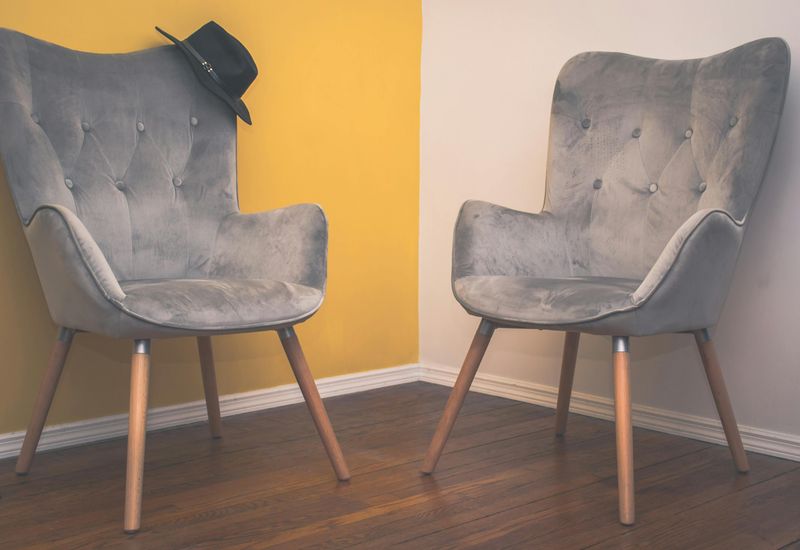
Painting just one wall in a dramatic color seemed like an easy way to add personality without overwhelming a space.
Navy, emerald, black, and millennial pink all had their moment as accent wall favorites.
The issue is that these choices often feel like leftover trends rather than intentional design.
A single bold wall can make a room feel choppy and unfinished, like you ran out of paint or commitment.
Color trends shift rapidly, and what felt fresh last year can look dated now.
Instead of creating visual interest, accent walls in trendy shades often just timestamp when you decorated.
Softer, more neutral approaches or consistent color throughout the room age better and feel more cohesive and thoughtfully designed.
5. Faux Luxury Finishes

Budget-friendly materials that mimic expensive finishes flooded the market, promising luxury looks for less.
Marble-look laminate, gold-painted hardware, and shiny vinyl flooring seemed like smart shortcuts.
Unfortunately, these materials rarely fool anyone up close.
They lack the depth, texture, and quality of real materials.
Worse, they often wear poorly, with finishes chipping, peeling, or scratching quickly.
What started as an attempt to look upscale ends up reading as cheap and inauthentic.
Real materials in simpler applications usually look better than fake versions of fancy ones.
A basic wood countertop beats fake marble every time.
These faux finishes date quickly and broadcast that corners were cut rather than creating genuine style.
6. Overly Themed Rooms
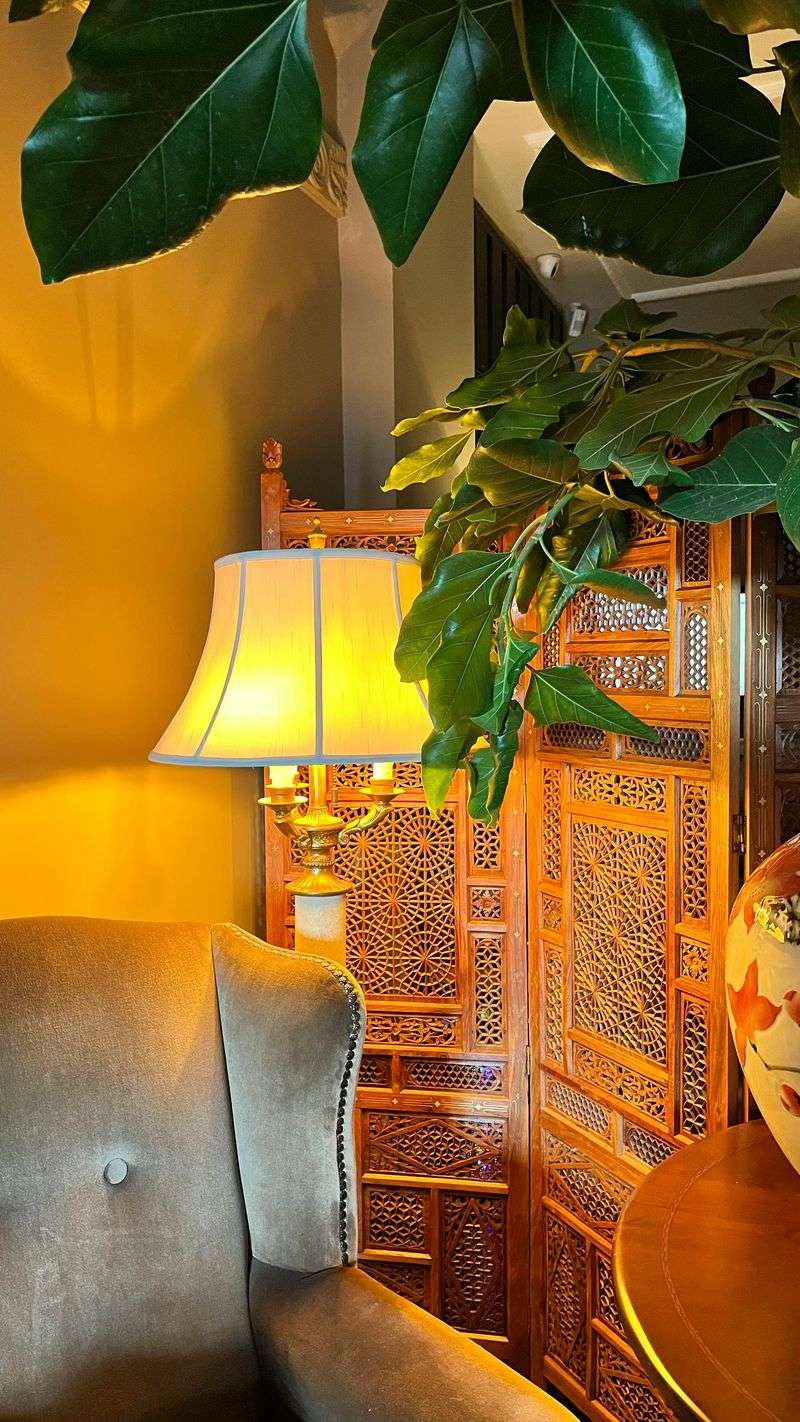
Farmhouse, coastal, and boho styles inspired countless homes to go all-in on specific themes.
Every element matched the aesthetic: shiplap walls, anchor motifs, or macramé everything.
Taking a theme too literally makes spaces feel like stage sets rather than real homes.
These rooms lack flexibility and personal expression, looking more like catalog pages than lived-in spaces.
When trends shift, heavily themed rooms feel especially dated and require major overhauls.
They also limit appeal if you ever sell, since not everyone shares your specific style obsession.
Mixing elements from different styles creates more interesting, timeless spaces.
A few coastal touches work beautifully, but an entire nautical explosion feels gimmicky.
Balance and restraint always age better than theme-park decorating.
7. Fast-Furniture Statement Pieces
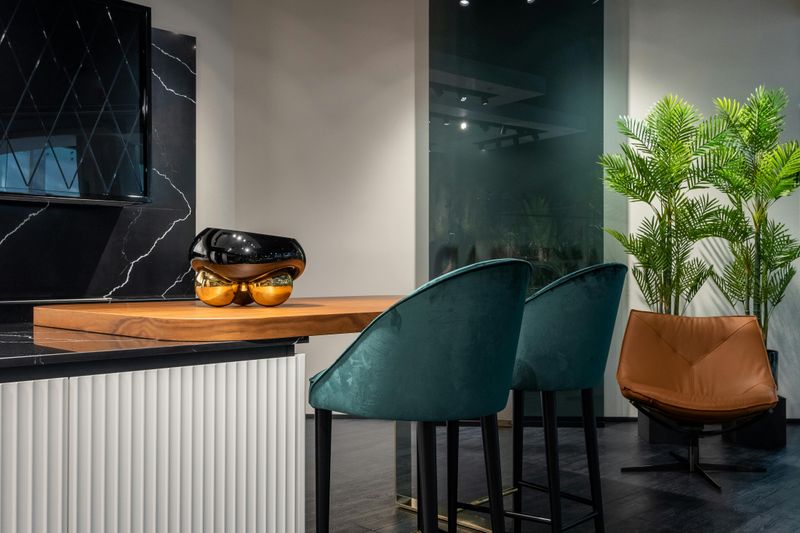
Affordable furniture stores offered trendy statement pieces that looked amazing online and cost very little.
Velvet chairs with skinny legs, geometric coffee tables, and sculptural shelving promised instant style.
The catch? These pieces were built with particle board, thin veneers, and flimsy hardware.
Within months, they start wobbling, staining, or falling apart.
Their exaggerated shapes also make them look dated as trends evolve.
A piece that screamed “2022 modern” now just screams “cheap and trendy.”
Investing in classic shapes with solid construction pays off over time.
Fast furniture creates a cycle of buying, breaking, and replacing that costs more and looks worse.
Quality basics with personality through accessories offer better value and longer-lasting style.
8. Word Art and Quote Décor
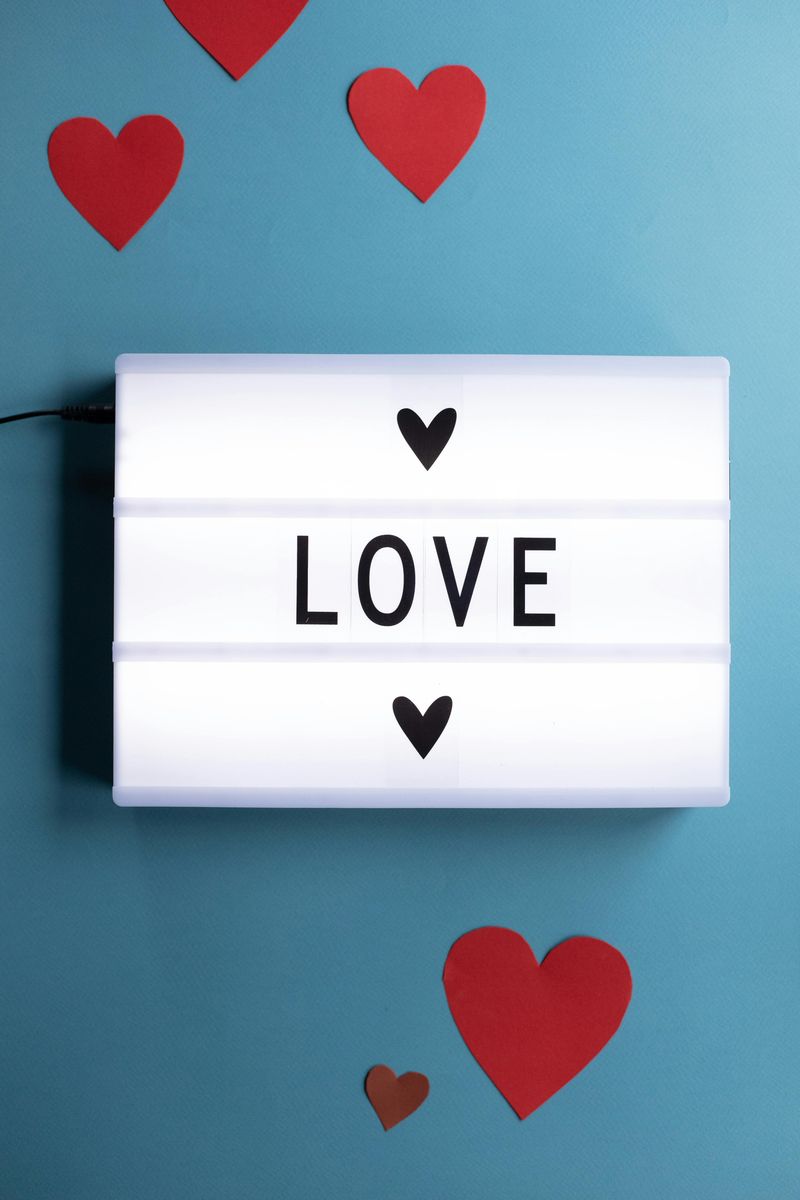
Inspirational signs and word art covered walls in homes everywhere, offering uplifting messages and personality.
“Live Laugh Love,” “Gather,” “Blessed,” and countless other phrases appeared on wooden boards, metal signs, and canvas prints.
The problem is these became so mass-produced and generic that they lost any personal meaning.
They feel impersonal and cliché rather than genuinely reflective of who lives there.
Most people now associate them with a specific trend era rather than timeless design.
Personal photos, original artwork, or unique collections tell your story much better.
If you love words, consider displaying meaningful quotes in more sophisticated typography or framing favorite book passages.
Mass-produced word art now reads as dated decoration rather than authentic expression.
9. Industrial Overload
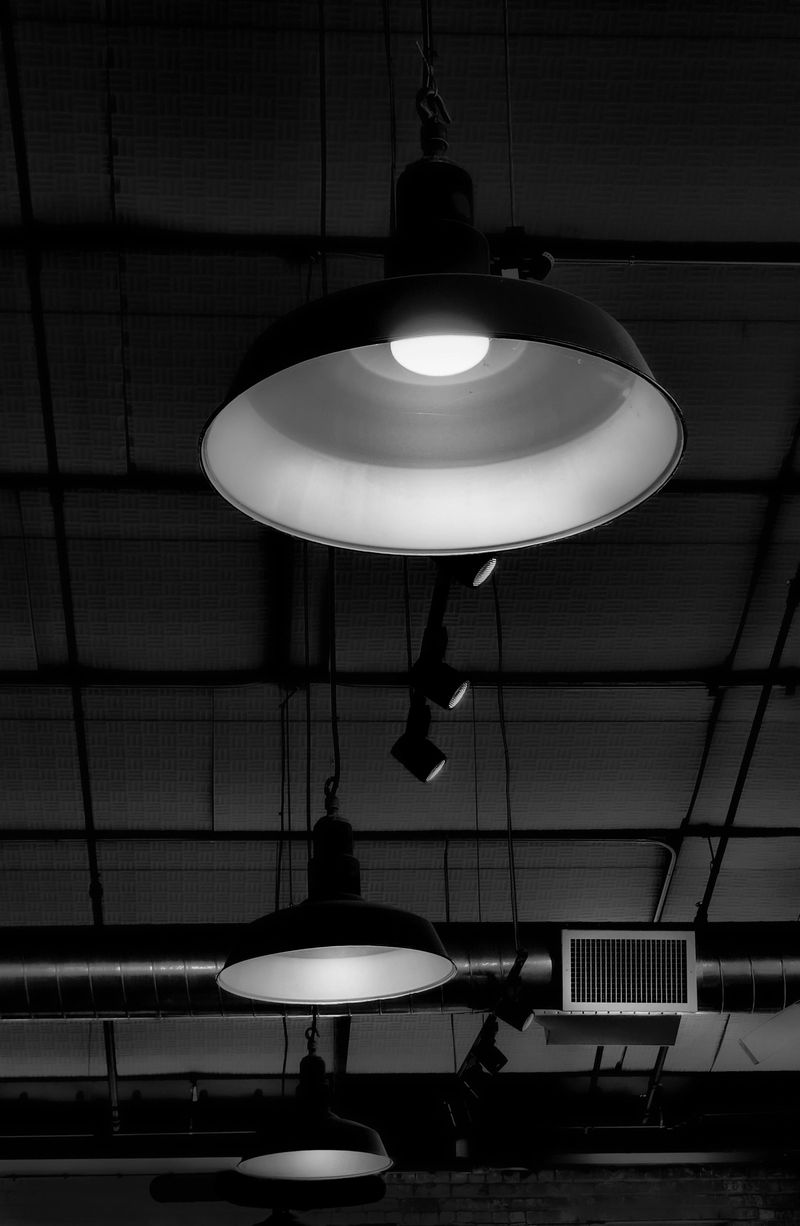
Industrial style brought urban edge to homes with exposed pipes, black metal accents, concrete surfaces, and Edison bulbs.
In moderation, these elements add character and contrast.
But many spaces went overboard, creating rooms that felt more like warehouses than homes.
Too much black metal and raw materials make spaces feel cold, harsh, and uninviting.
The style also became strongly tied to a specific time period, making heavy industrial rooms feel dated.
Softening these spaces with wood, textiles, and warmer metals helps tremendously.
A few industrial touches mixed with softer elements creates balance.
Going full factory aesthetic now feels like a trend that has passed its peak rather than a lasting style choice.
10. Ultra-Trendy Lighting Fixtures
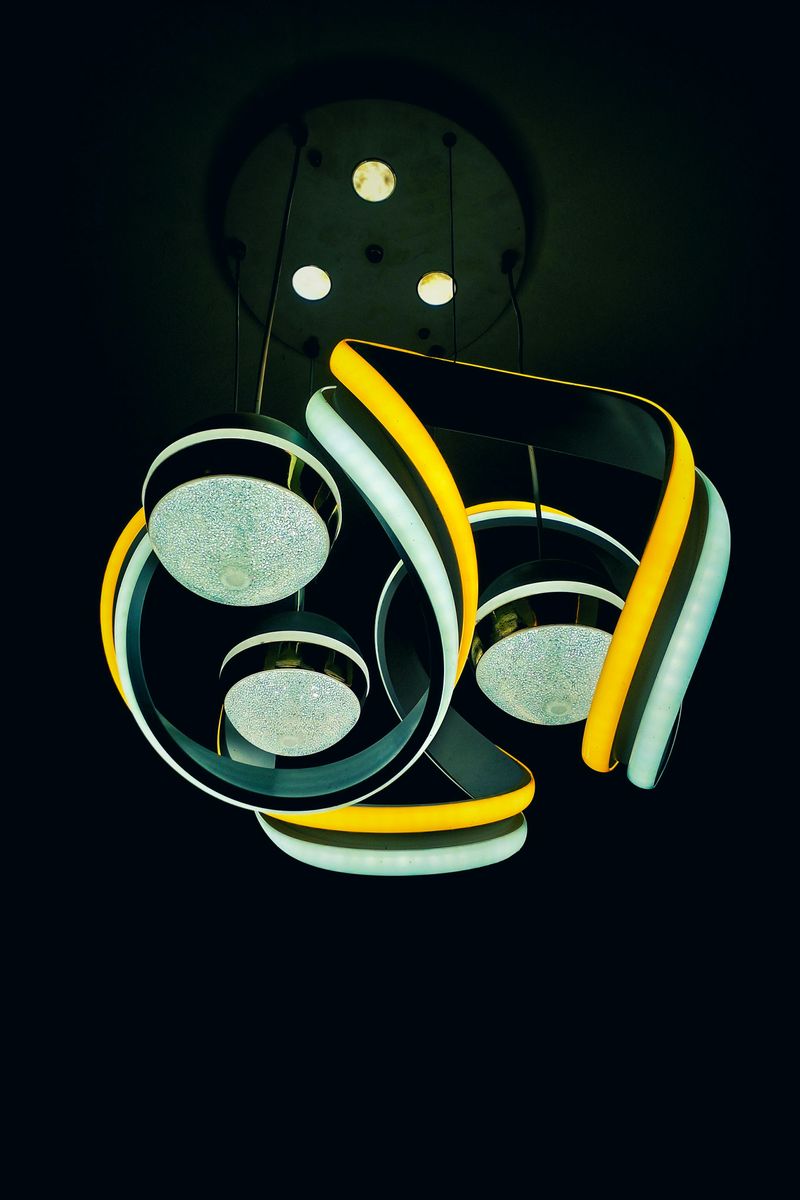
Statement lighting became an easy way to add drama, with sputnik chandeliers and geometric pendants leading the charge.
These fixtures dominated design blogs and appeared in countless renovations.
The problem with ultra-trendy lighting is that it literally hangs in plain sight, announcing exactly when you decorated.
Once the trend cycle moves on, these fixtures instantly date a space.
They also tend to be expensive, making replacement a significant investment.
Classic lighting shapes with quality materials age much better.
A simple pendant or timeless chandelier works with changing styles around it.
Oversized geometric fixtures or retro-inspired designs lock you into a specific moment.
Choosing subtle, quality lighting over trendy statements saves money and maintains style longer.