 MomSkoop
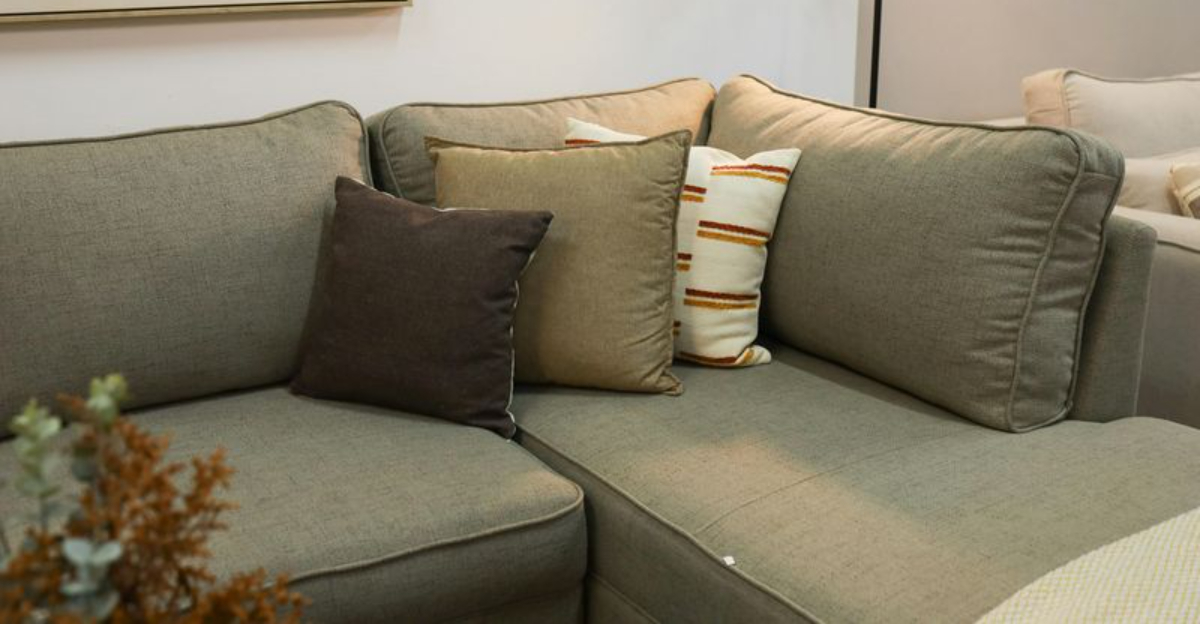
Home décor trends come and go faster than ever, and some styles have definitely overstayed their welcome. What once felt fresh and exciting can quickly start to look tired or overdone.
If your space is feeling a bit stale, it might be time to rethink a few popular design choices that have lost their charm. Here are ten trends that many homeowners and designers are ready to move past for good.
1. All-Gray Everything
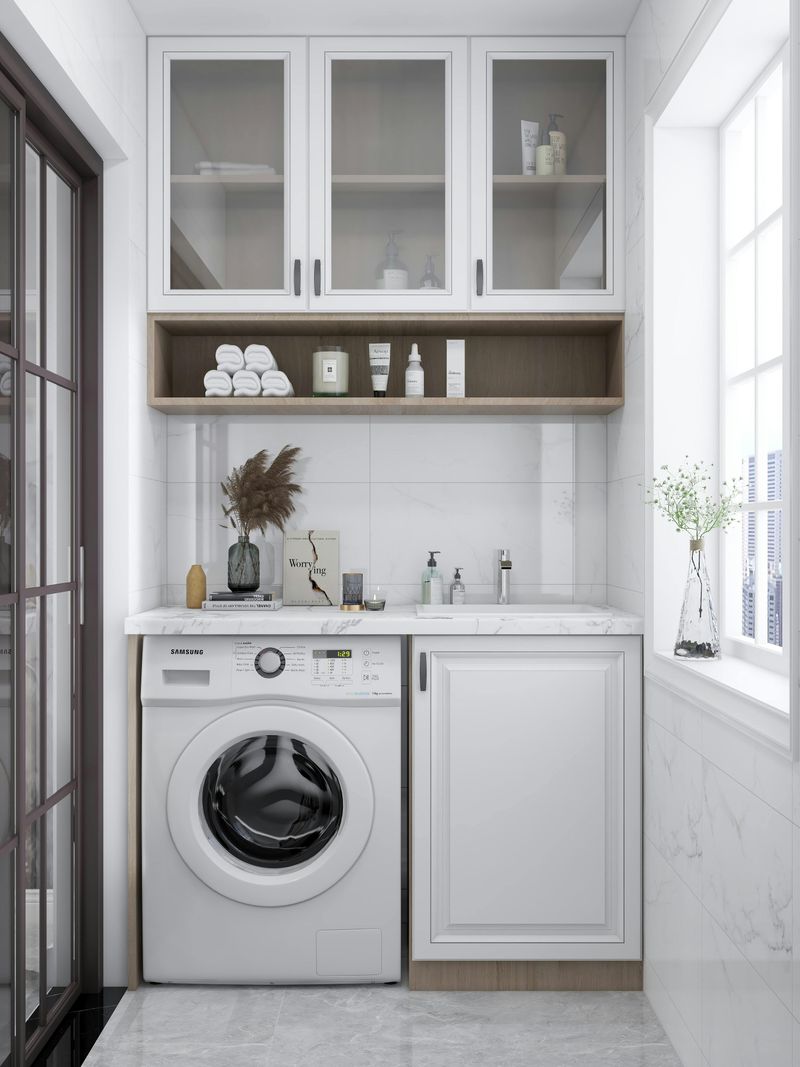
Gray took over homes everywhere a few years back, covering walls, furniture, and accessories in every shade from charcoal to dove.
While it seemed like a safe, sophisticated choice at first, the overuse of gray has left many spaces feeling cold and lifeless.
Rooms that rely too heavily on this neutral can end up looking more like waiting rooms than welcoming homes.
Homeowners are now craving warmth and personality again.
Swapping out some gray elements for warmer neutrals like beige, cream, or soft terracotta can instantly breathe life back into a room.
Adding natural wood tones or colorful accents also helps balance things out and makes spaces feel more inviting and human again.
2. Live, Laugh, Love Signs
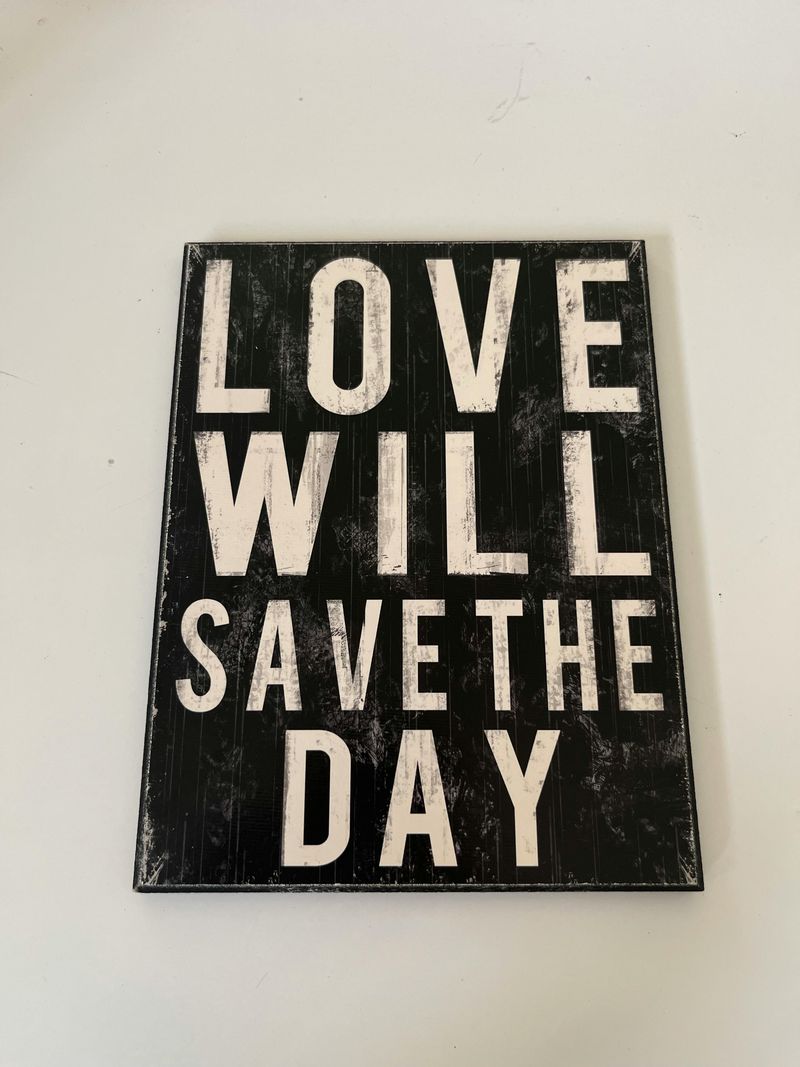
Once upon a time, these three words were everywhere—on walls, pillows, mugs, and even doormats.
The message was meant to inspire positivity and joy, but after years of seeing it repeated in every form imaginable, the sentiment has lost its punch.
What was once uplifting now feels generic and overplayed, like a greeting card that everyone has already read.
Instead of relying on mass-produced phrases, consider displaying art or quotes that truly resonate with you personally.
A favorite song lyric, a meaningful family motto, or even a piece of original artwork can add character without the cliché.
Your home should reflect your unique story, not just repeat what’s trendy.
3. Overdone Farmhouse Style
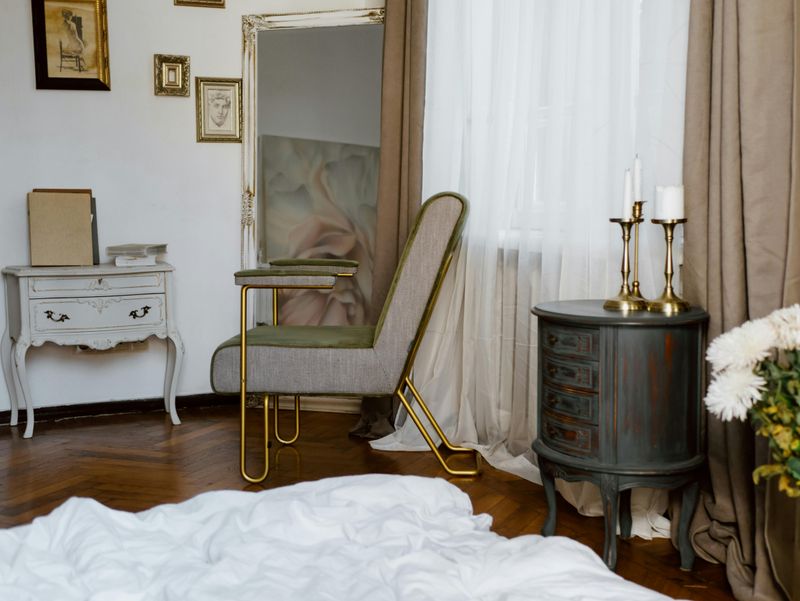
Shiplap, barn doors, and rustic wood signs flooded homes thanks to popular design shows and social media influencers.
While farmhouse style brought a cozy, nostalgic vibe at first, it quickly became too formulaic and repetitive.
Every home started to look like a replica of the same Pinterest board, losing any sense of originality or personal touch.
Moving forward, people are embracing updated versions of farmhouse style that feel more refined and less cluttered.
Mixing in modern elements, cleaner lines, and fewer distressed finishes can keep the warmth without the overdone country kitsch.
Balance is key—keeping what you love while letting go of the overly themed approach makes spaces feel fresher and more timeless.
4. Open Shelving in Kitchens
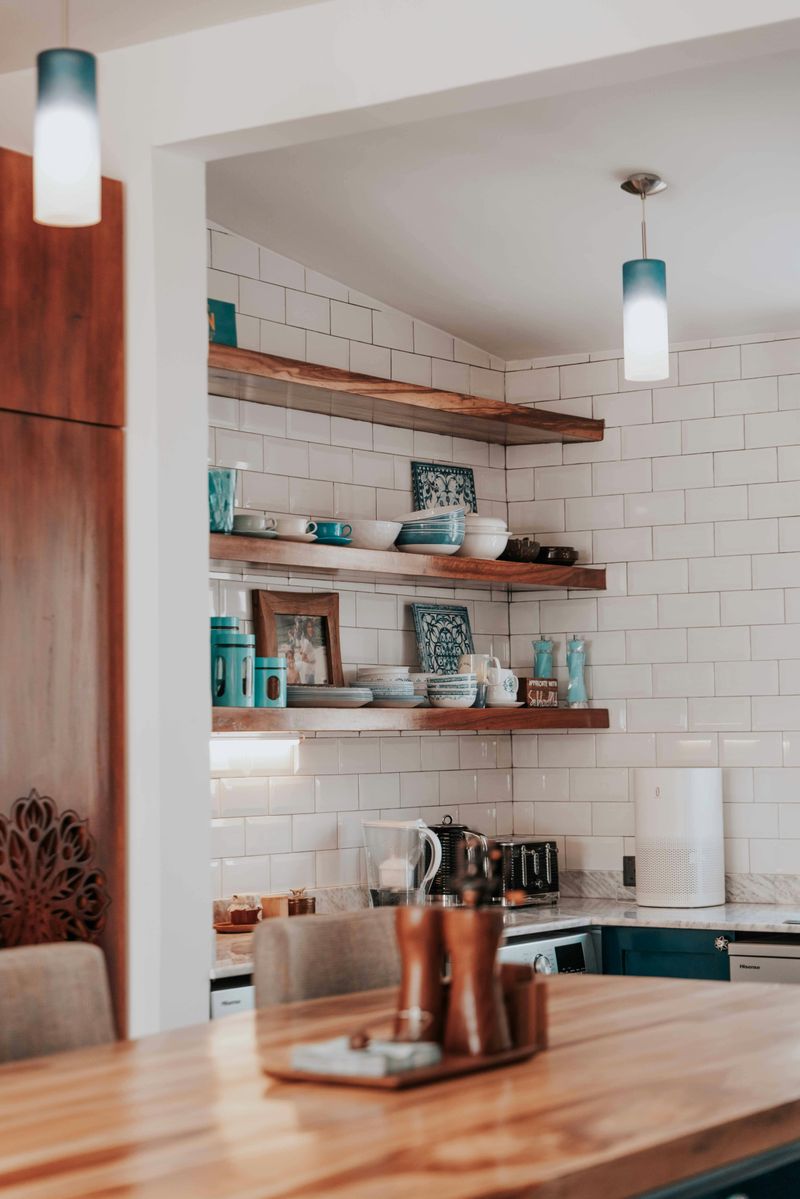
Open shelving promised a way to showcase beautiful dishware and create an airy, open feel in kitchens.
In reality, it often leads to constant cleaning, dust buildup, and the pressure to keep everything looking Instagram-perfect at all times.
Most people don’t have matching dish sets or the time to maintain that level of visual perfection daily.
Closed cabinetry is making a strong comeback because it’s simply more practical for everyday life.
Cabinets hide the mess, protect dishes from grease and dust, and reduce visual clutter instantly.
If you love the open look, consider mixing a few open shelves with closed storage to get the best of both worlds without the high-maintenance headache.
5. Overly Matchy-Matchy Furniture Sets
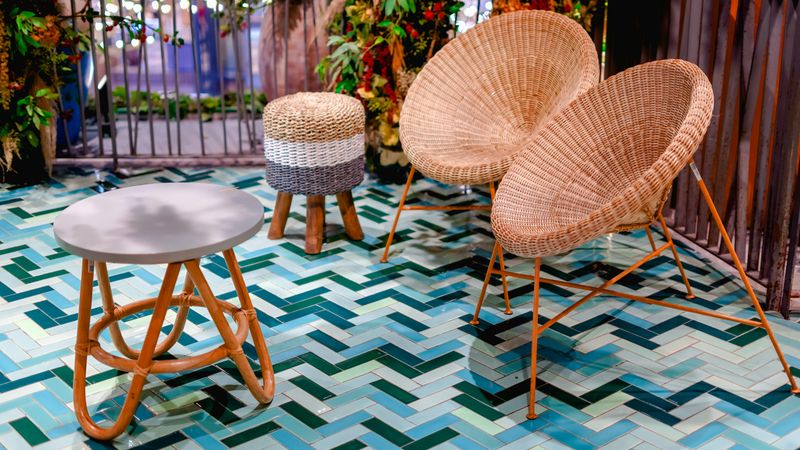
Buying a complete furniture set used to feel like the easiest way to design a room quickly and cohesively.
However, matching everything too perfectly can make a space feel more like a showroom than a home with personality.
Rooms lacking variety in texture, color, or style often come across as flat and uninspired, missing that lived-in charm that makes a house feel truly yours.
Mixing different furniture pieces, styles, and eras creates depth and interest that matching sets simply can’t achieve.
Pairing a vintage coffee table with a modern sofa or combining different wood finishes adds character and tells a richer story.
Embrace the beauty of curated imperfection—it’s what makes a space feel collected over time rather than bought all at once.
6. Chevron and Zigzag Patterns Everywhere
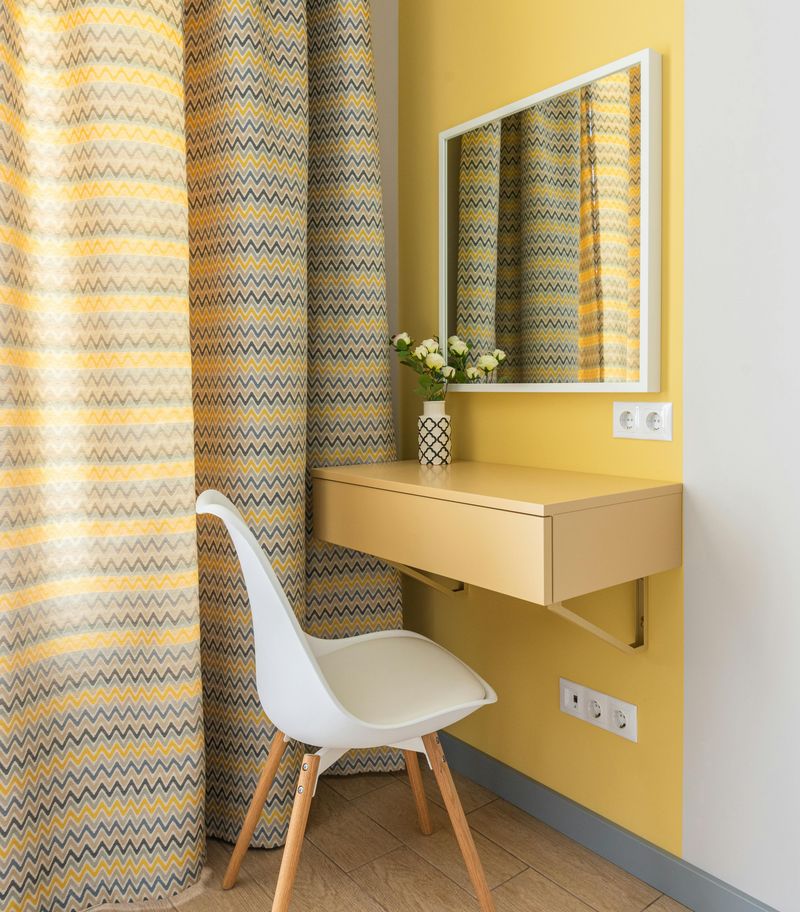
Chevron stripes exploded onto the design scene and quickly became impossible to avoid.
From rugs to bedding to wall art, the zigzag pattern showed up everywhere, often in bold, high-contrast colors.
While initially eye-catching, the pattern’s intensity can easily overwhelm a room and date it quickly, making spaces feel trapped in a specific design moment rather than timeless.
Simpler, more organic patterns are taking over now—think subtle stripes, botanical prints, or abstract shapes that feel less aggressive.
These alternatives provide visual interest without dominating the entire room or clashing with other elements.
When choosing patterns, aim for designs that complement rather than compete, creating harmony instead of visual chaos that tires the eyes.
7. Overstuffed Gallery Walls
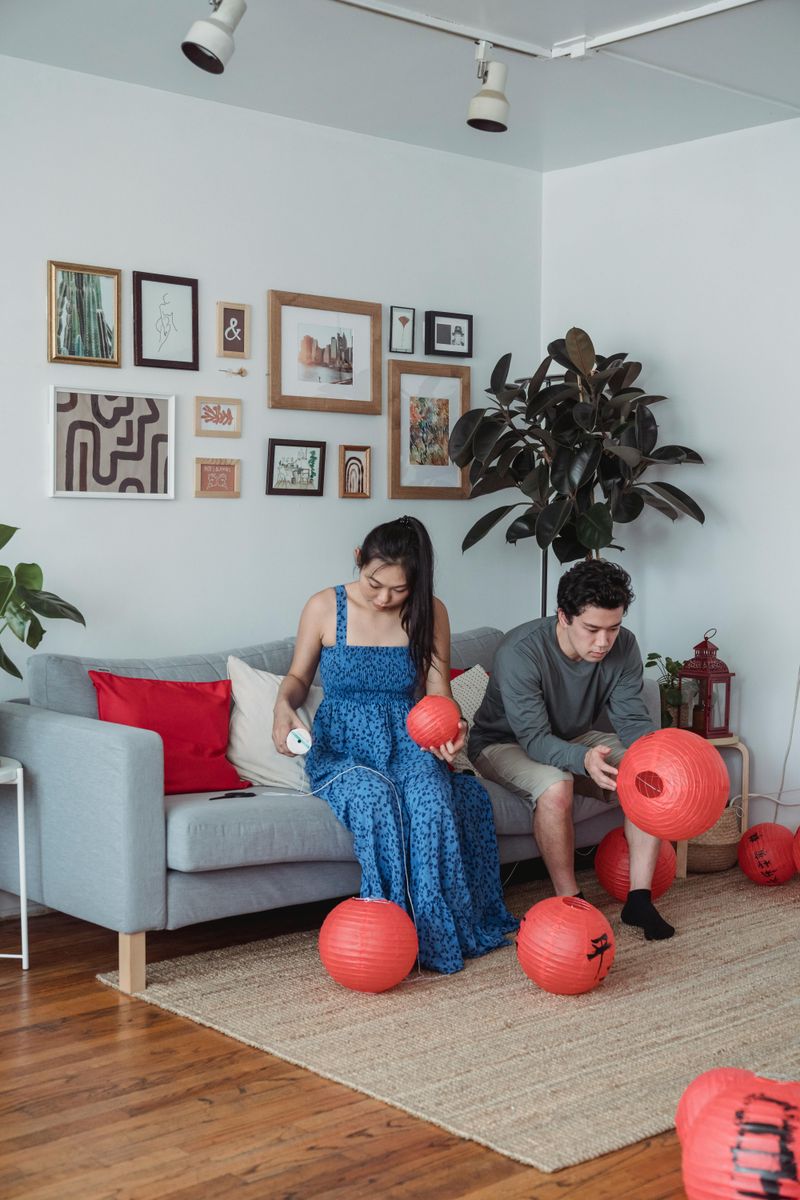
Gallery walls became a popular way to display art, photos, and personal memories all in one place.
But somewhere along the way, they often turned into cluttered collages with too many frames crammed together without breathing room.
The result can feel chaotic and overwhelming rather than curated and intentional, making it hard for any single piece to stand out or be appreciated.
A more minimalist approach to wall art is gaining favor, with fewer, larger pieces given space to shine.
Thoughtfully selecting a few meaningful artworks and arranging them with generous spacing creates a calmer, more sophisticated look.
Quality over quantity makes a bigger impact and allows each piece to truly be seen and enjoyed without competing for attention.
8. Faux Distressed Furniture
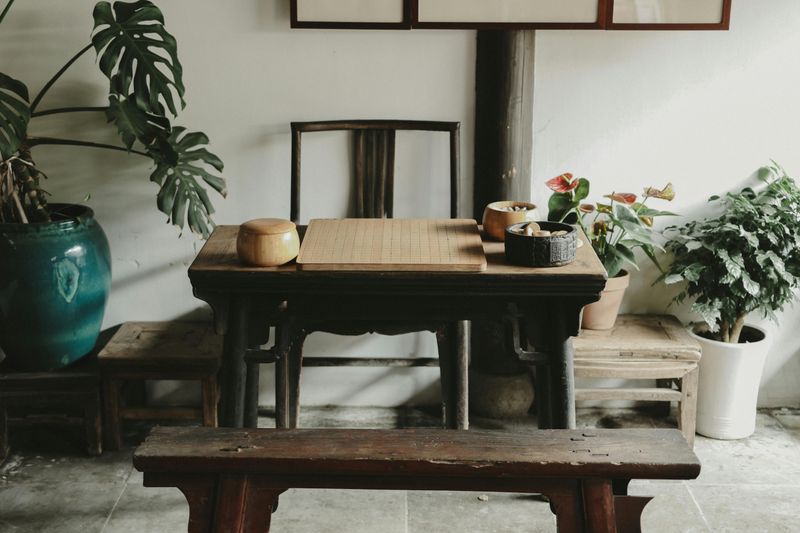
Distressed furniture was meant to bring vintage charm and character into modern homes, giving pieces a lived-in, antique feel.
Unfortunately, the trend was overdone with furniture that looked artificially beaten up rather than naturally aged.
Heavy sanding, chipped paint, and forced wear marks often came across as trying too hard, lacking the authentic patina that real vintage pieces naturally develop over decades.
Clean-lined furniture with honest finishes is now preferred, whether that’s natural wood, painted surfaces, or sleek modern materials.
If you love vintage style, seek out genuinely old pieces with real history instead of manufactured distressing.
Authentic character can’t be faked, and furniture that’s simply well-made and beautiful on its own doesn’t need artificial aging to prove its worth.
9. Excessive Throw Pillows
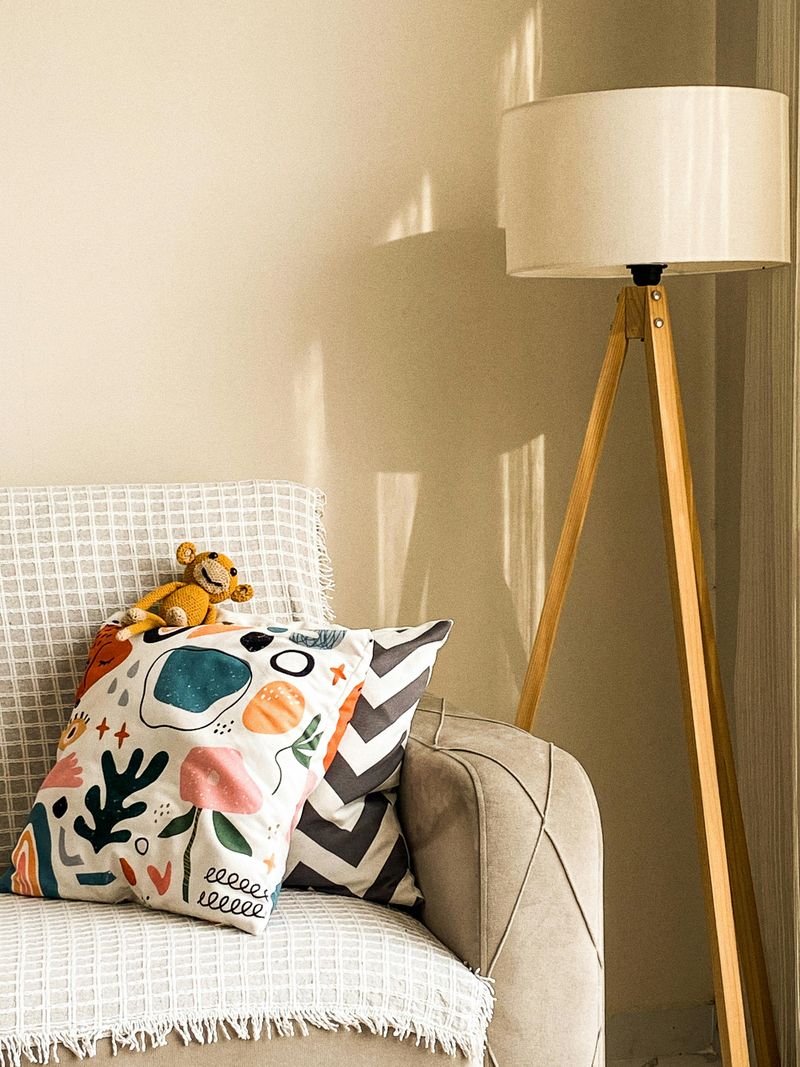
Throw pillows added color, texture, and comfort to sofas and beds, but the trend spiraled out of control quickly.
Beds buried under a dozen decorative pillows became the norm, requiring a nightly ritual of removing and restacking them just to sleep.
Sofas similarly disappeared under pillow mountains, leaving no actual room to sit comfortably without a major rearranging session first.
The new approach favors function alongside beauty—keeping just a few well-chosen pillows that actually serve a purpose.
Two or three quality pillows in complementary colors and textures can provide the same visual interest without the hassle.
Your furniture should invite you to use it, not create an obstacle course every time you want to relax or rest comfortably.
10. Overly Industrial Décor
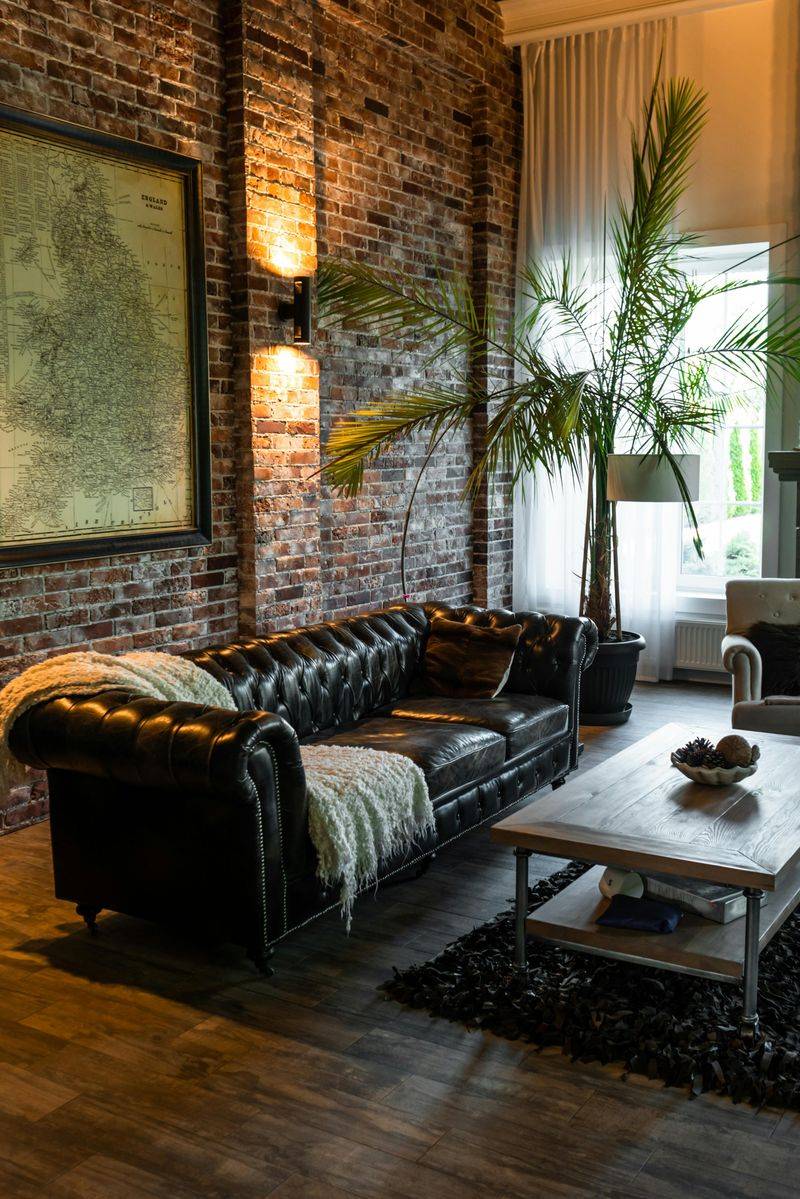
Industrial style brought raw materials like exposed brick, metal piping, and concrete into residential spaces, creating an edgy, urban loft vibe.
While it worked beautifully in moderation, many homes went overboard and ended up feeling cold, harsh, and more like warehouses than comfortable living spaces.
Too much metal and concrete without softer elements can make a home feel unwelcoming and sterile rather than stylishly urban.
Warmer interpretations of industrial style are emerging, blending those raw materials with softer textures like linen, wood, and greenery.
Adding warmth through lighting, natural elements, and comfortable textiles balances the harder industrial features beautifully.
The goal is creating a space that feels lived-in and cozy, not like an unfinished construction site or trendy coffee shop.