 MomSkoop
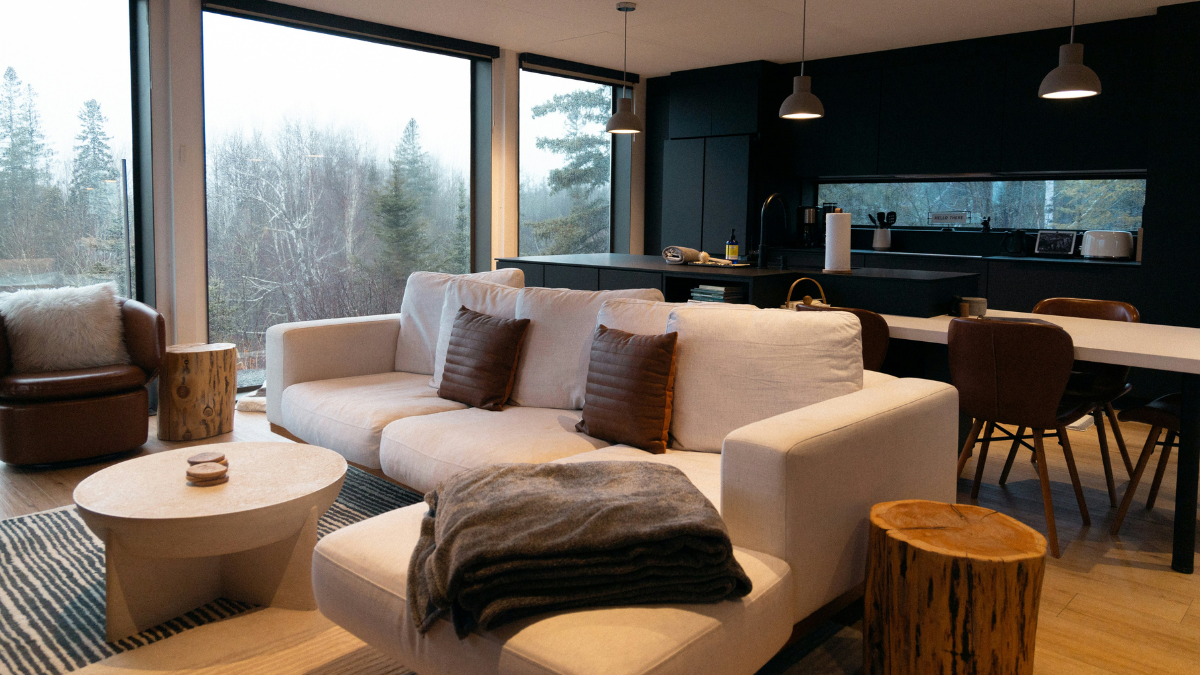
Home design is changing fast, and 2026 is bringing fresh ideas that make spaces feel better and look amazing. From bold color choices to furniture that hugs you back, these trends focus on comfort, personality, and creativity. Whether you’re planning a full makeover or just want to refresh one room, these ten trends will inspire you to create a home that truly feels like yours.
1. Outdoor-Inspired Interiors
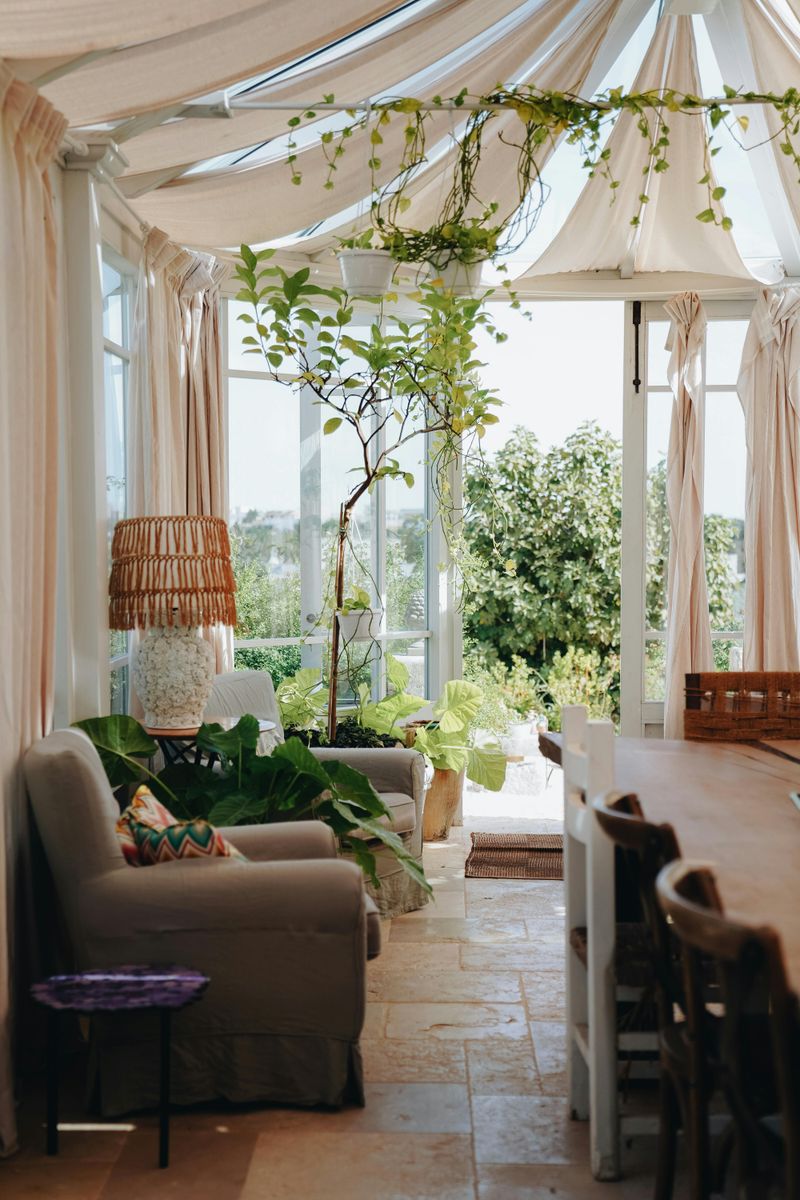
Bringing the outdoors in isn’t new, but now it’s about capturing the feeling of open-air living year-round.
Natural textures like rattan, linen, and stone are showing up everywhere—not just as accents, but as main features.
Furniture feels lighter and more breathable, almost like it belongs on a patio.
Big windows and sliding doors blur the line between inside and outside.
Designers are choosing materials that weather well and look lived-in from day one.
Spaces feel less formal and more inviting, like you could kick off your shoes and stay awhile.
It’s relaxed luxury without trying too hard.
2. Statement-Making Window Treatments
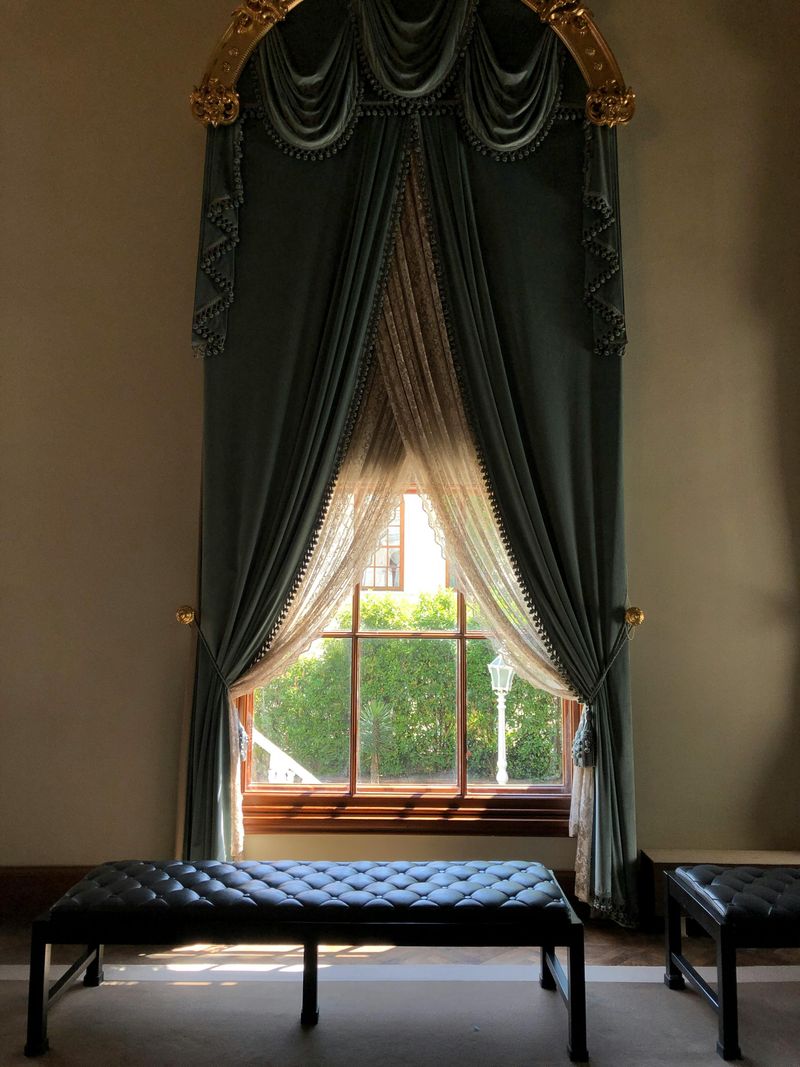
Curtains aren’t just covering windows anymore—they’re reshaping entire rooms.
Heavy drapes, layered panels, and ceiling-mounted tracks add drama and structure.
They can make a low ceiling feel taller or a wide wall feel cozier.
Designers are using fabric to create zones, soften hard edges, and even hide awkward architectural quirks.
The right drape can change how light moves through a space, shifting the mood from morning to night.
It’s not about matching the sofa anymore.
Window treatments are becoming the focal point, commanding attention and setting the tone for everything else in the room.
3. Unexpected Pattern Pairings
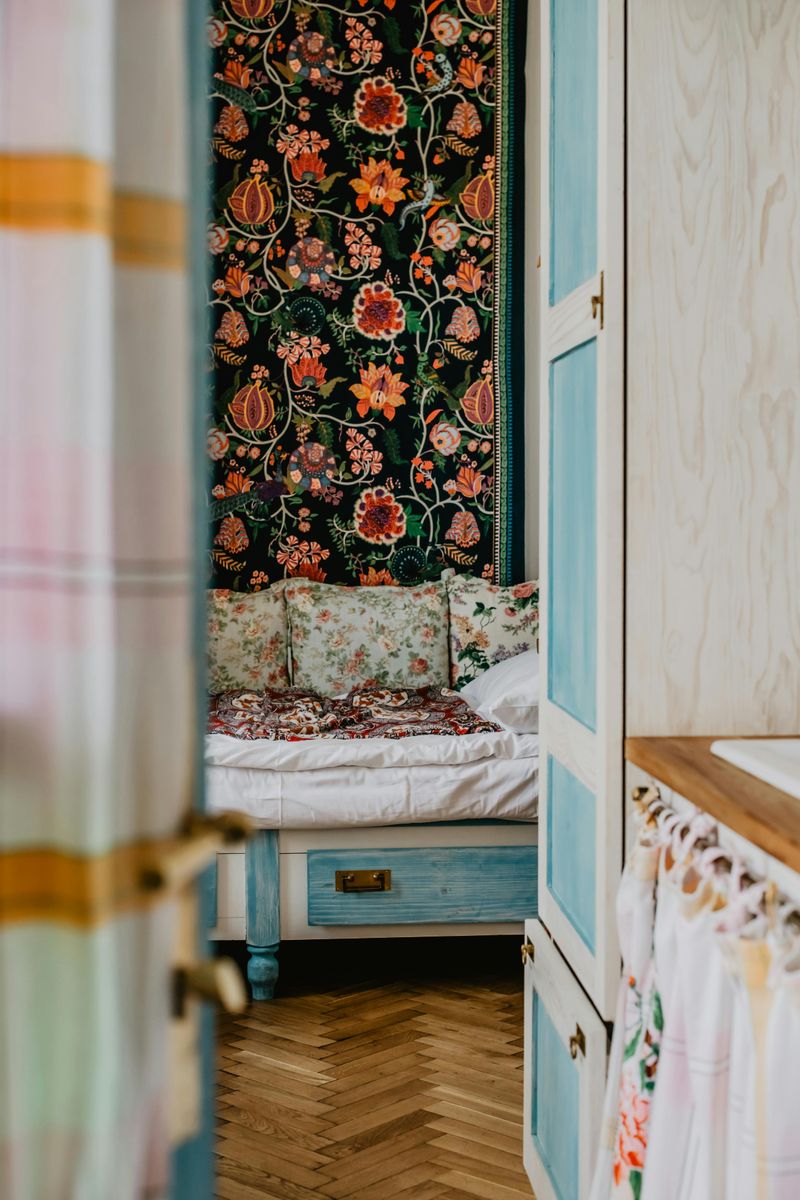
Forget the old rule about matching patterns—2026 is all about mixing them fearlessly.
Florals next to stripes, plaids beside geometrics, and abstract prints layered over traditional motifs are all fair game.
The trick is finding a common color thread or similar scale so nothing fights for attention.
This trend encourages personality and playfulness.
Rooms feel collected over time rather than bought all at once.
Pattern mixing adds energy without clutter.
It’s visual interest that doesn’t rely on buying more stuff, just rearranging and reimagining what you already love in bolder, braver combinations.
4. Handcrafted Focal Points
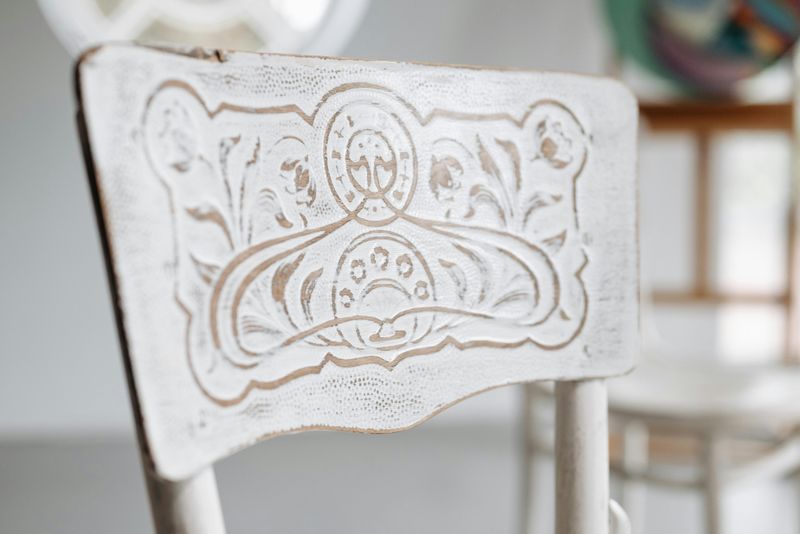
Mass-produced furniture is losing its appeal.
People want pieces with stories, imperfections, and soul.
Handcrafted items—whether it’s a pottery collection, a custom wood table, or a hand-knotted rug—are becoming the heroes of a room.
They anchor the space and give it character that factory-made goods simply can’t match.
These pieces don’t have to be expensive or rare.
What matters is intention and originality.
A single handmade object can shift the entire feeling of a room, making it feel personal and thoughtfully curated.
It’s about celebrating the maker and the process, not just the end result.
5. Moody, Immersive Color Schemes
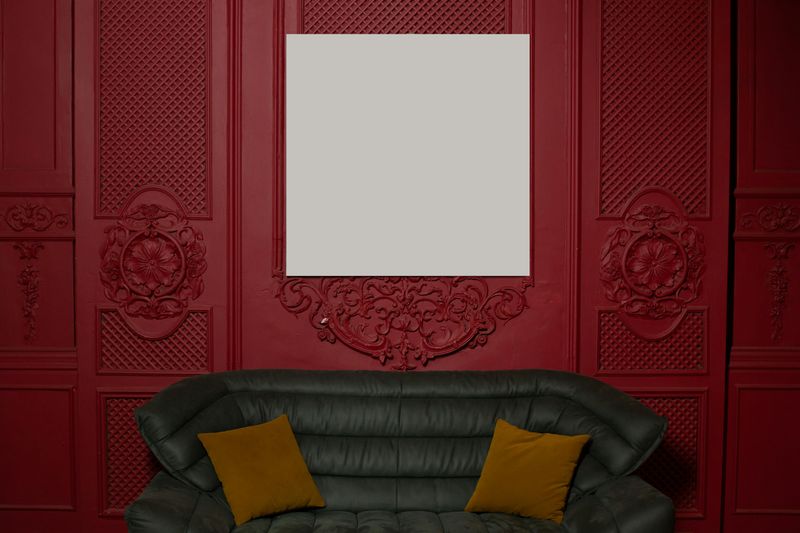
Neutral beige is stepping aside for deeper, moodier tones that wrap you in atmosphere.
Think charcoal, forest green, burnt sienna, and midnight blue—colors that change with the light and create emotional depth.
These aren’t accent walls; they’re full-room commitments that transform how a space feels from morning to evening.
Designers are pairing these tones with warm lighting and natural textures to avoid feeling cave-like.
The result is cozy without being dark, intimate without being small.
Color becomes an experience, not just decoration.
It sets the mood before you even choose the furniture.
6. Architectural Paint Applications
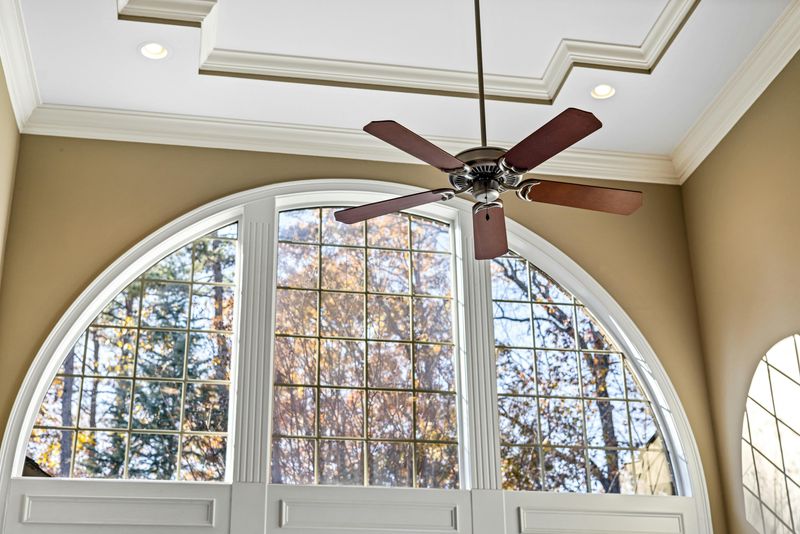
Paint is no longer just a background—it’s being used to create structure and guide the eye.
Designers are outlining ceilings, framing doorways, highlighting slopes, and adding visual geometry where walls are flat and featureless.
It’s like drawing blueprints directly onto the home.
In some rooms, paint amplifies existing architecture.
In others, it invents new lines and shapes entirely, adding drama and direction without construction.
This approach turns color into a tool for shaping space, not just finishing it.
It’s bold, intentional, and surprisingly flexible—perfect for renters or anyone avoiding major renovations.
7. Layered, Story-Driven Spaces
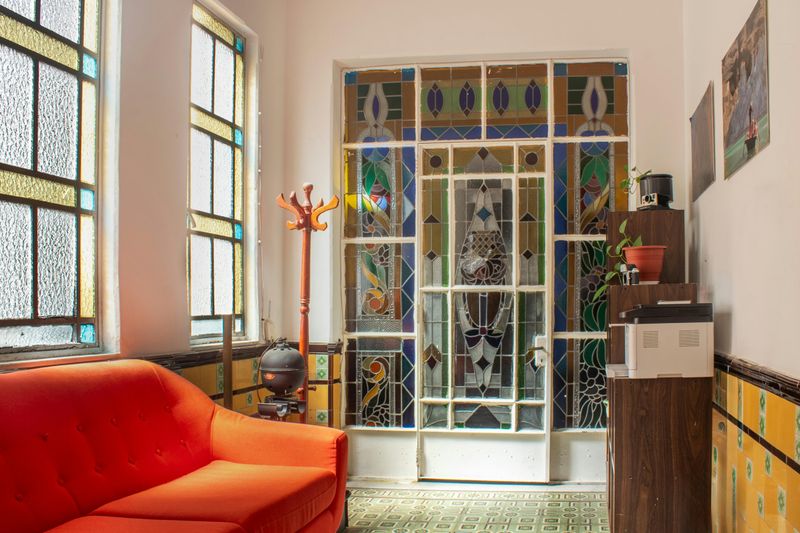
Minimalism is making room for maximalism—but not the cluttered kind.
This is intentional, curated abundance.
Every object has a story, a reason, or a memory attached.
Rooms feel like they’ve evolved over years, not assembled in a weekend shopping trip.
Books, art, travel souvenirs, heirlooms, and quirky finds sit side by side, creating visual richness and emotional warmth.
Layering is key: rugs on rugs, art leaning against walls, shelves packed but not chaotic.
It’s about celebrating what you love instead of hiding it.
These spaces feel alive, personal, and impossible to replicate—which is exactly the point.
8. Furniture That Invites Lingering
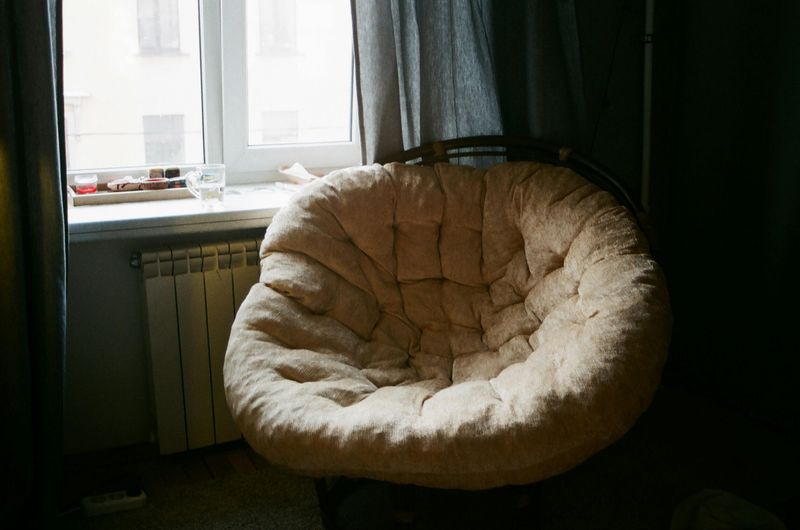
Furniture is finally prioritizing how it feels, not just how it photographs.
Deep seating, soft edges, and enveloping silhouettes invite you to sink in and stay.
Designers are choosing touchable fabrics—bouclé, velvet, linen—that beg to be petted as you walk by.
It’s furniture that meets you where you are, whether you’re curling up with a book or collapsing after a long day.
Comfort isn’t an afterthought; it’s the whole point.
These pieces change how you use a room.
They slow you down, help you exhale, and remind you that home should feel like a hug, not a showroom.
9. Dedicated Wellness Zones
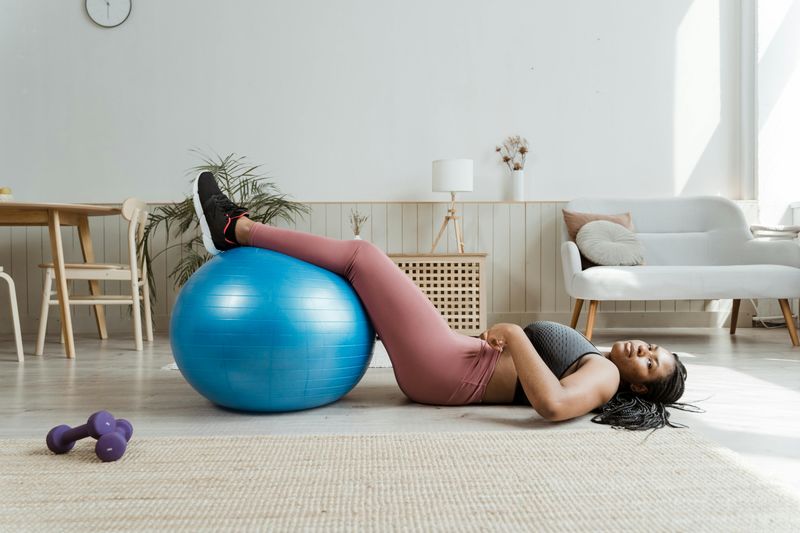
Wellness isn’t just happening in the bathroom anymore—it’s getting its own room.
Recovery spaces are being designed with one goal: helping your body and mind reset.
Think massage tables, infrared panels, meditation corners, or stretching zones.
These rooms are quiet, focused, and free from distraction.
They borrow inspiration from high-end spas and gyms but bring it home, minus the membership fees.
The design is intentionally simple—nothing extra, just what supports recovery.
It’s a luxury that’s becoming a necessity for people serious about taking care of themselves.
A dedicated space signals commitment, not indulgence.
10. Soft Mauve as a Neutral
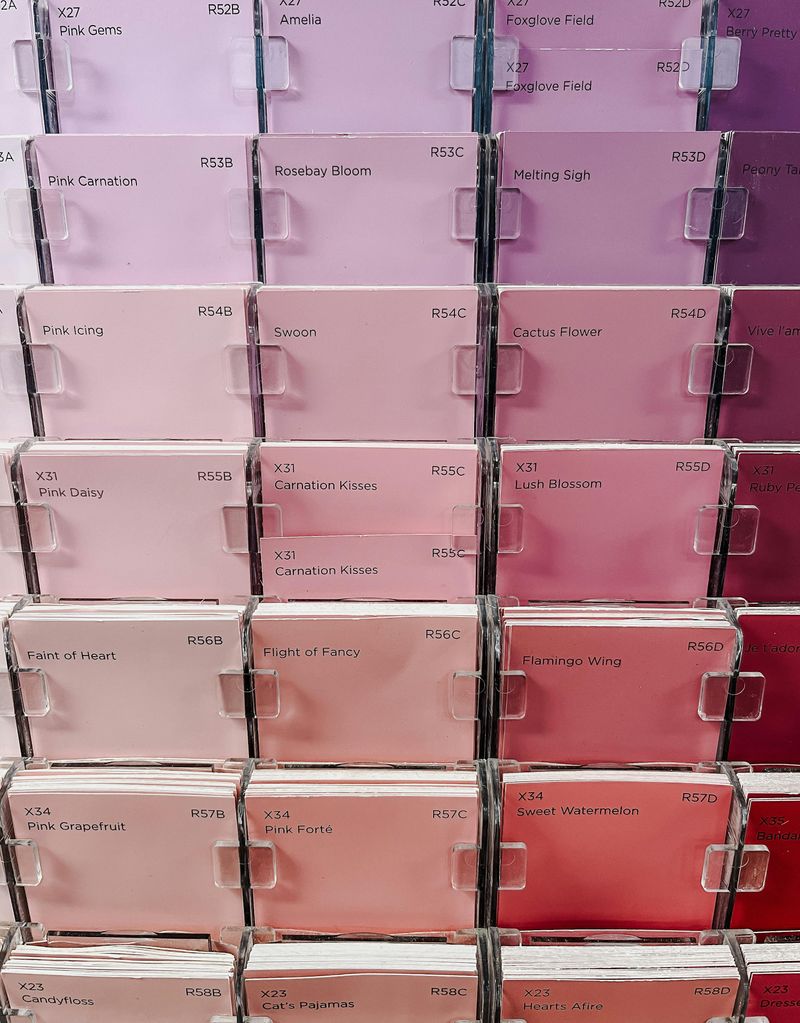
Mauve is stepping up as the new go-to neutral, replacing gray and greige in homes everywhere.
It’s warm without being loud, sophisticated without feeling formal.
Mauve works beautifully with wood tones, brass accents, and crisp whites, grounding a room while keeping it soft and approachable.
Unlike cooler neutrals, mauve adds a hint of color without committing to a bold statement.
It flatters natural light and feels cozy in the evening.
Designers are using it on walls, upholstery, and even cabinetry.
It’s versatile, timeless, and surprisingly easy to live with—a quiet shift that’s making a big impact.