 MomSkoop
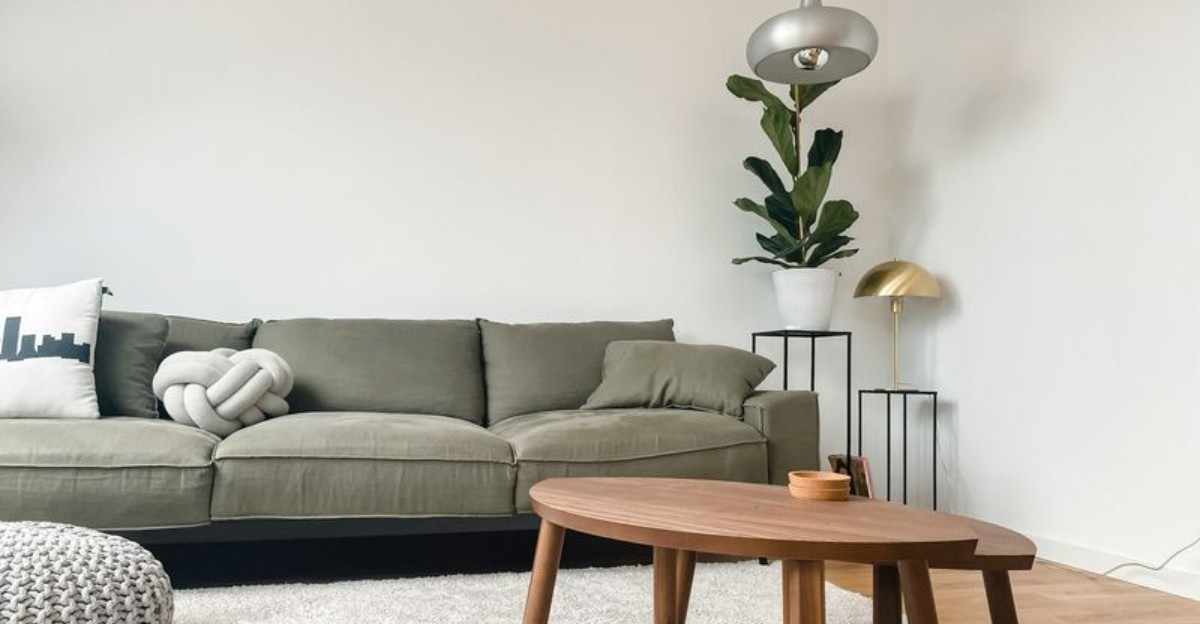
A well-planned living room layout can completely transform how a space feels and functions. Designers know that the right arrangement doesn’t just look good—it makes everyone feel more comfortable and connected.
Whether you’re working with a cozy apartment or a sprawling family room, these proven layouts will help you create a living space that truly invites people in.
1. The Conversation Circle
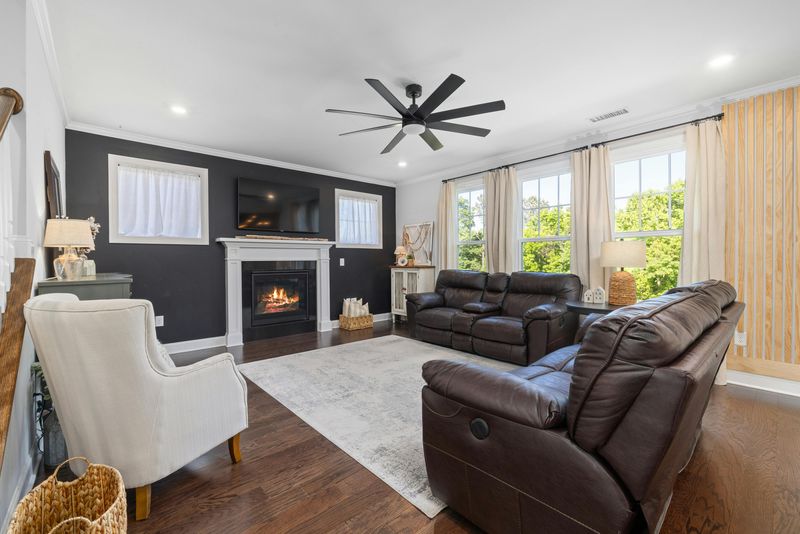
When seating is arranged to encourage eye contact, something magical happens—people actually talk to each other.
This layout prioritizes human connection over passive entertainment.
Designers love this setup because it naturally draws people together.
Place your sofa across from a pair of armchairs, leaving the TV as a secondary feature rather than the room’s main attraction.
The result feels intimate and welcoming, perfect for families who value quality time.
Even small adjustments can make a big difference here.
Angling chairs slightly inward creates a cozy conversation pocket without feeling too formal or staged.
2. The Symmetrical Setup
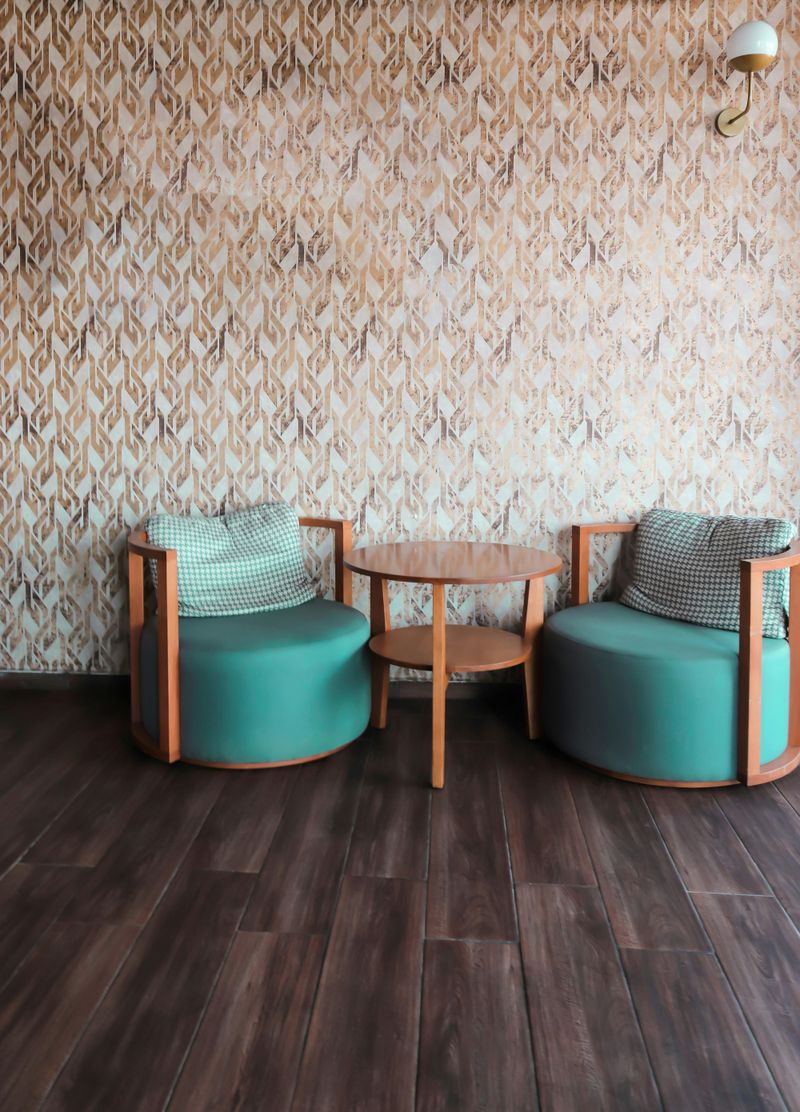
Balance brings peace to the eyes and mind.
Matching sofas or identical chairs positioned on either side of a fireplace, coffee table, or window create instant visual harmony.
Your brain recognizes the pattern and immediately feels more at ease.
This classic approach works especially well in formal living rooms or spaces where you want a sense of order.
Think of it like a mirror image—what appears on one side is reflected on the other.
The focal point sits right in the center, anchoring everything beautifully.
Don’t worry if you can’t afford matching furniture sets.
Similar shapes and heights work just as effectively as identical pieces for achieving that balanced, designer-approved look.
3. The L-Shaped Seating Plan
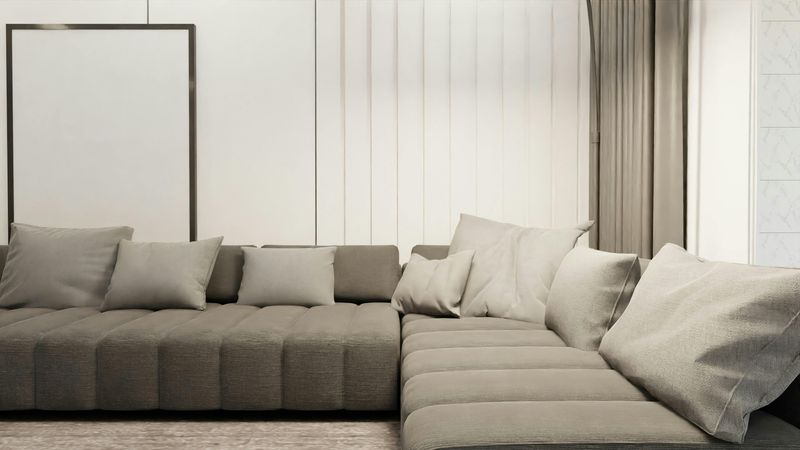
Sectionals and sofa-chaise combinations define your living area without blocking the view.
An L-shape naturally carves out a dedicated zone while keeping everything open and breathable.
It’s like drawing invisible walls that organize the space without closing it off.
This layout shines in open-concept homes where the living room flows into the kitchen or dining area.
The perpendicular arrangement provides plenty of seating while maintaining clear pathways.
Plus, everyone gets a comfortable spot with good sightlines to both the TV and each other.
Corner sectionals maximize seating capacity without eating up too much floor space.
They’re particularly brilliant for families who need room for everyone without cramming furniture everywhere.
4. The Float-the-Furniture Layout
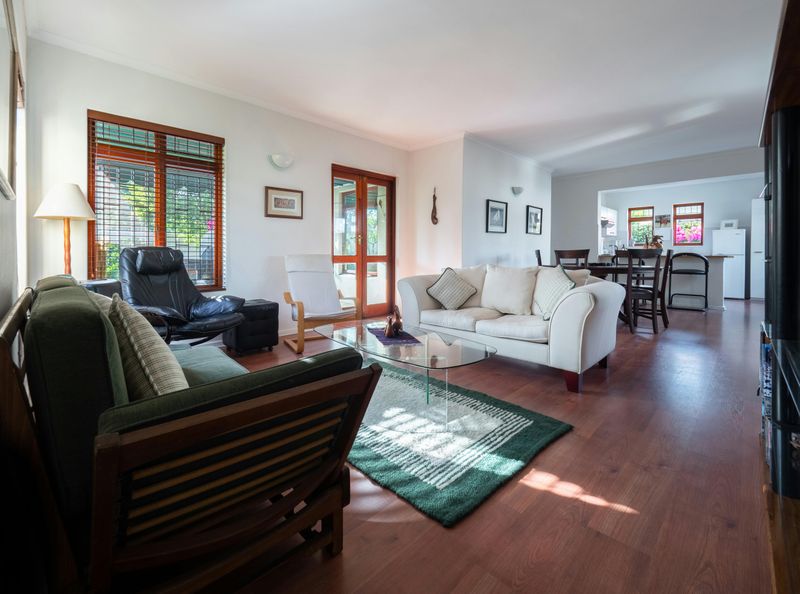
Here’s a secret many homeowners miss: pushing everything against the walls actually makes rooms feel smaller and more awkward.
Pulling furniture away from the perimeter creates breathing room and improves traffic flow dramatically.
Floating your sofa a few feet from the wall establishes an intimate conversation area in larger rooms.
It also allows for behind-the-sofa tables or walking space, making the entire room more functional.
Designers use this trick to make big spaces feel cozier and more purposeful.
Start by moving your sofa just eighteen inches away from the wall.
You’ll be amazed how this simple shift transforms the entire room’s energy and makes it feel more thoughtfully designed.
5. The Fireplace-Centered Arrangement

Fireplaces possess an almost gravitational pull—they naturally become the heart of any room.
Arranging your seating to face this architectural feature creates an instant focal point that feels both timeless and welcoming.
Position your sofa directly across from the fireplace, then flank it with chairs or a loveseat.
This classic setup has endured for centuries because it simply works.
The fireplace provides visual warmth even when it’s not lit, and the arrangement encourages everyone to gather around.
If your fireplace competes with the television, don’t panic.
Many designers mount the TV above the mantel or place it on an adjacent wall, letting the fireplace remain the star while keeping entertainment accessible.
6. The Multi-Zone Living Room
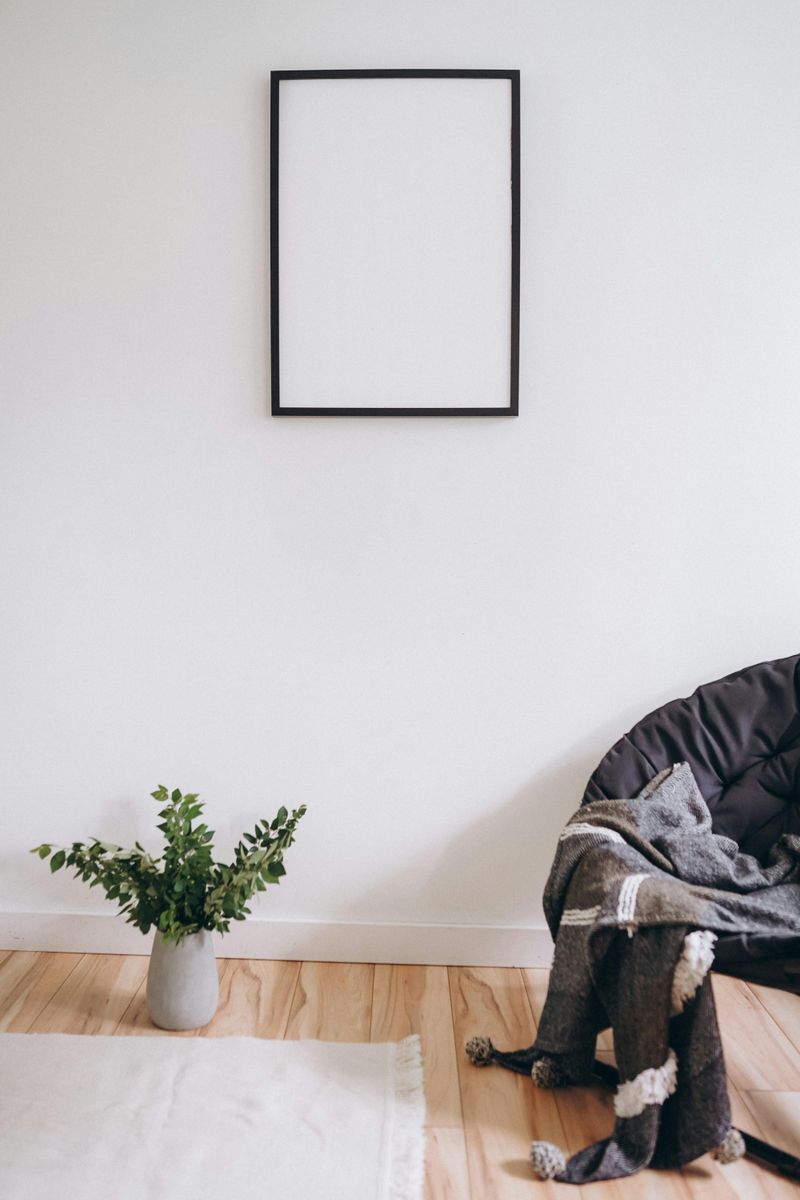
Why limit your living room to just one function?
Dividing the space into distinct zones—conversation, reading nook, media area—makes it work harder and feel more interesting.
Each zone serves a specific purpose while contributing to the whole.
Use furniture placement, area rugs, or lighting to define these different areas.
A pair of chairs with a side table becomes a reading corner.
A sofa facing the TV creates the entertainment zone.
A desk tucked near a window establishes a workspace.
This layered approach is particularly brilliant for families with different needs.
One person can watch TV while another reads, all in the same room without anyone feeling crowded or disturbed.
7. The Window-Focused Layout
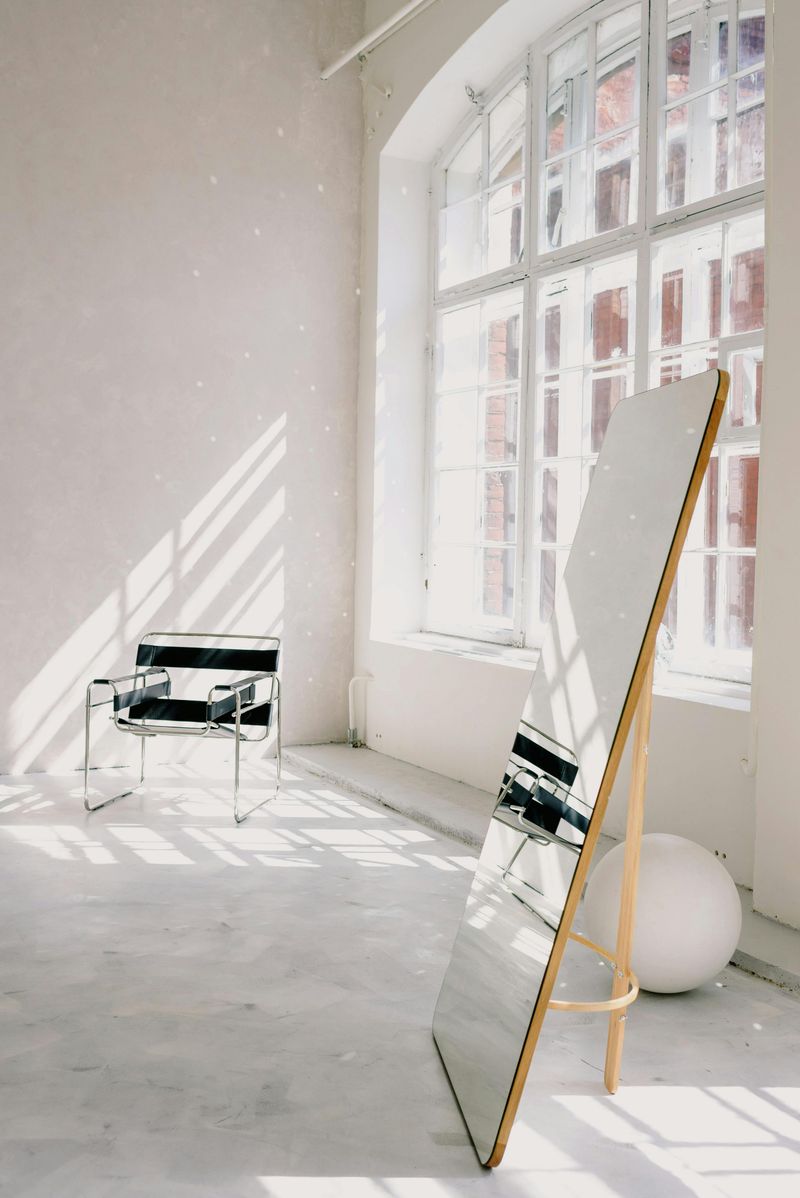
Natural light is nature’s best decorator, and smart designers know to showcase it.
Arranging seating to highlight windows and views instantly brightens the room and connects it to the outdoors.
Sunlight streaming in makes everything feel more alive and welcoming.
Position your sofa or chairs to face or frame your best windows.
Even if the view isn’t spectacular, maximizing natural light creates a cheerful, energizing atmosphere.
This layout works wonders in smaller spaces that might otherwise feel dim or cramped.
Avoid blocking windows with tall furniture backs.
Instead, use low-profile pieces or angle seating to celebrate rather than obstruct your natural light sources.
Your mood will thank you every morning.
8. The Balanced Mix Layout
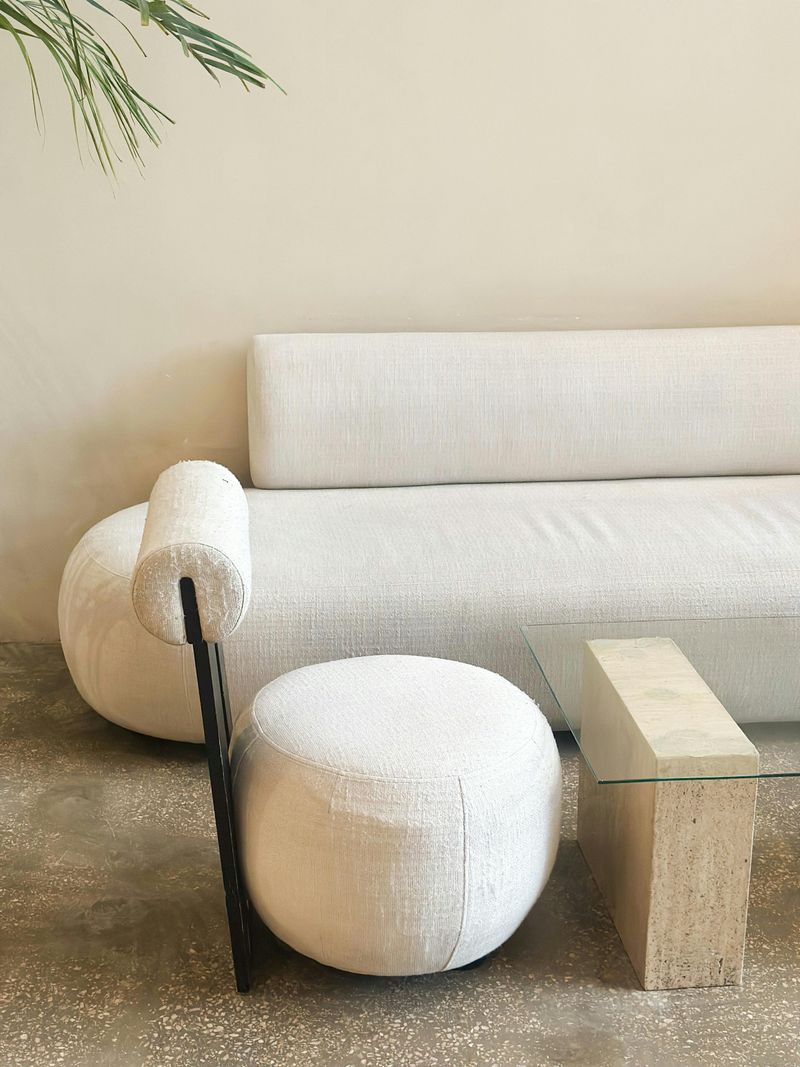
Monotony is the enemy of interesting design.
Combining different seating types—a sofa paired with accent chairs and an ottoman—adds visual texture and functional flexibility.
Each piece brings its own personality while working together as a cohesive whole.
This variety lets you accommodate different sitting preferences and activities.
Some people prefer sinking into a deep sofa, while others like the support of an upright chair.
An ottoman serves as extra seating, a footrest, or even a coffee table with a tray on top.
Mix materials and shapes too.
A leather sofa with fabric chairs, or a straight-lined couch with curved accent chairs creates dynamic tension that keeps the eye engaged and interested throughout the space.
9. The Small-Space Layout
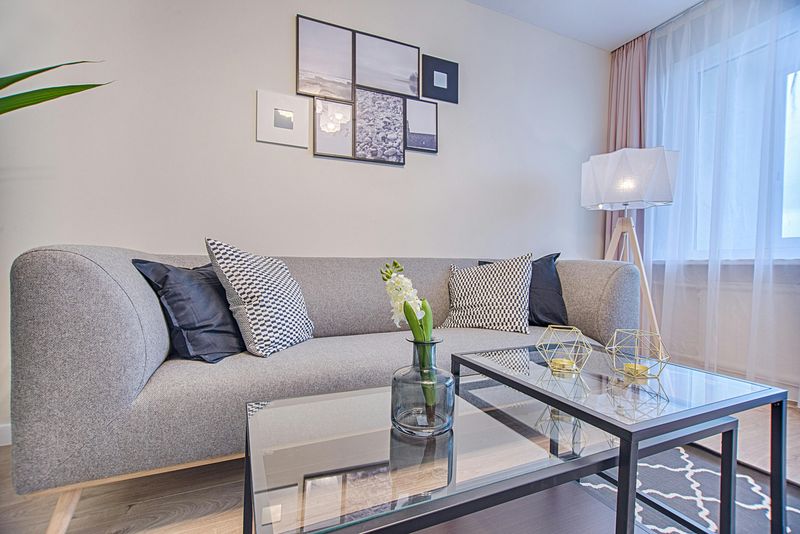
Compact doesn’t mean cramped when you plan thoughtfully.
Scaled-down furniture, clear pathways, and strategic editing ensure even tiny living rooms feel open and breathable.
The key is choosing pieces that fit the room rather than fighting against it.
Select a loveseat instead of a full-size sofa, or choose armless chairs that take up less visual space.
Keep at least two feet of walking space around furniture, and resist the urge to fill every corner.
Negative space is actually your friend in small rooms.
Wall-mounted shelves and furniture with exposed legs help too.
They create the illusion of more floor space, tricking the eye into seeing the room as larger than its actual square footage.
10. The Anchored-by-a-Rug Arrangement
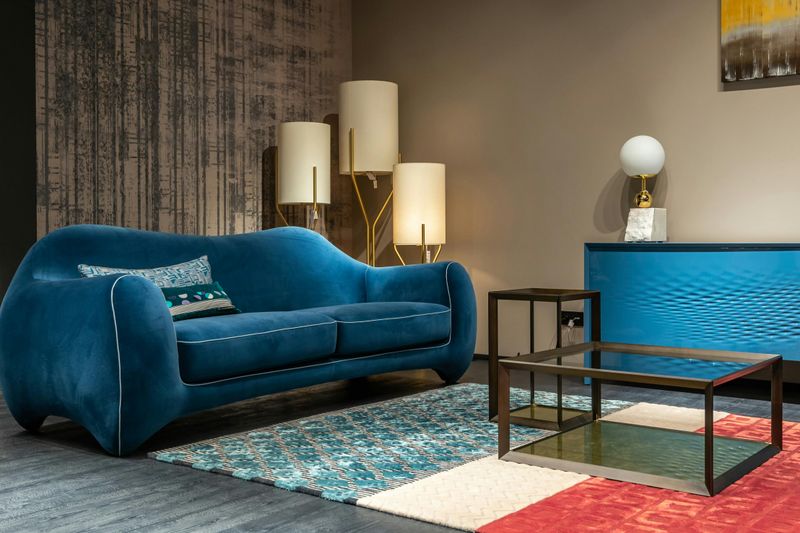
A large area rug is like a hug for your furniture—it pulls everything together both literally and visually.
When all major pieces sit at least partially on the rug, the space feels grounded, unified, and instantly cozier.
Make sure your rug is big enough.
All furniture legs should touch the rug, or at minimum, the front legs of sofas and chairs.
Too-small rugs make rooms feel disconnected and awkward, like everything is floating without purpose.
The rug defines your conversation area and adds warmth underfoot.
It’s one of the simplest yet most effective tools designers use to make a living room feel finished, intentional, and ready to welcome guests with open arms.