 MomSkoop
Baby Boomers grew up in a world very different from today. They faced challenges without the instant solutions we now take for granted.
Through these experiences, they developed habits that made them tougher and more capable. Many of these practices still hold valuable lessons for building real resilience in our modern lives.
1. DIY Mentality
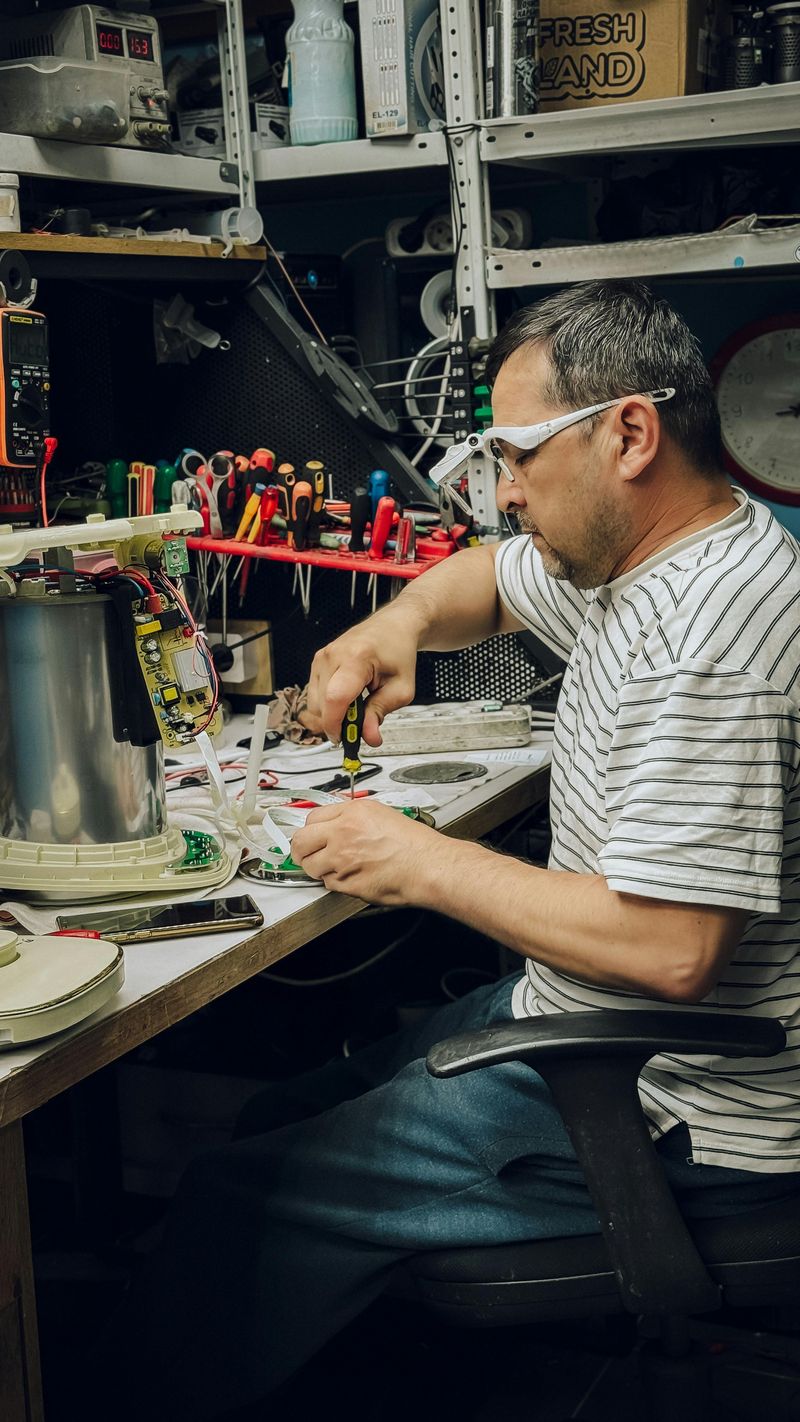
Before YouTube tutorials existed, Boomers learned to fix things by trial and error.
A broken fence meant grabbing tools and figuring it out, not calling a professional.
This hands-on approach taught problem-solving skills that went beyond simple repairs.
When something broke, they saw an opportunity to learn rather than an inconvenience.
Building bookshelves, repairing cars, and sewing torn clothing were normal weekend activities.
This mindset saved money and created a sense of accomplishment.
Today, rediscovering this do-it-yourself spirit helps us become more self-sufficient.
Even small repairs build confidence and reduce our dependence on others.
2. Work Ethic and Self-Reliance
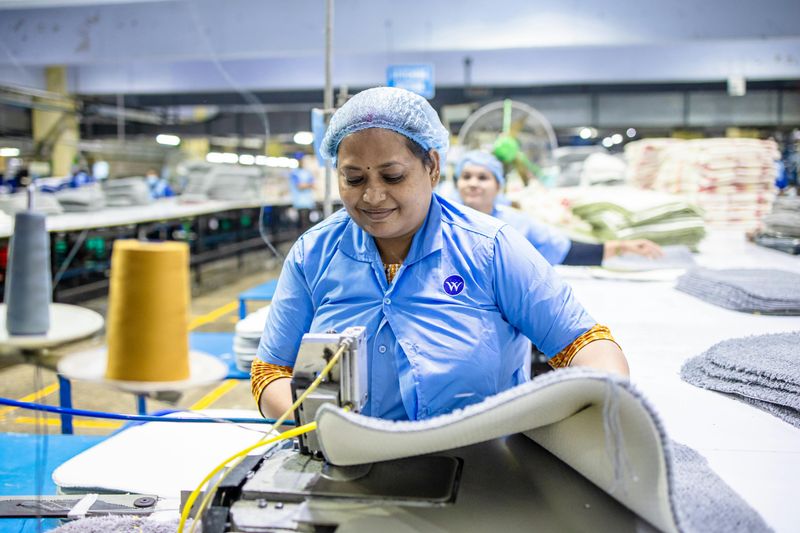
Showing up early and staying late was just what people did.
Boomers understood that success required consistent effort, not shortcuts.
They took pride in their work, whether sweeping floors or managing teams.
Complaining was viewed as wasted energy that could be spent improving situations.
This generation believed in earning their way through dedication and perseverance.
They rarely expected participation trophies or constant praise for doing their jobs.
Hard work became a badge of honor, something to demonstrate through actions.
Applying this same commitment today helps us push through difficult times and achieve meaningful goals.
3. Long-Term Employment Commitment
Staying with one company for decades used to be common practice.
Boomers built relationships and expertise over years, not months.
Job-hopping was seen as unreliable rather than ambitious.
This loyalty created deep institutional knowledge and strong workplace bonds.
Workers invested in their companies because they expected their companies to invest in them.
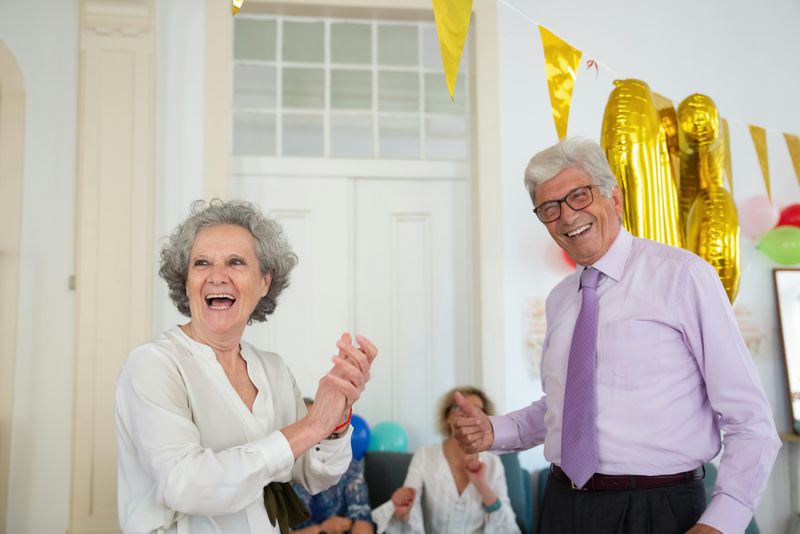
Retirement parties celebrated thirty or forty years of service with genuine emotion.
While modern careers look different, the principle of commitment still matters.
Sticking with challenging situations long enough to see them through builds character and resilience that quick exits never will.
4. Post-War Upbringing

Many Boomers grew up hearing stories from parents who survived the Great Depression and World War II.
These tales of sacrifice and scarcity shaped their understanding of hardship.
Wasting food, electricity, or money felt disrespectful to those earlier struggles.
Children learned to appreciate what they had because their parents remembered having nothing.
This background created a generation that valued stability and security.
They understood that comfort could disappear quickly if not protected.
Remembering history helps us maintain perspective during our own challenges.
What feels overwhelming today might seem manageable when compared to genuine survival situations.
5. Personal Accountability
Blaming others for personal failures was rarely tolerated in Boomer households.
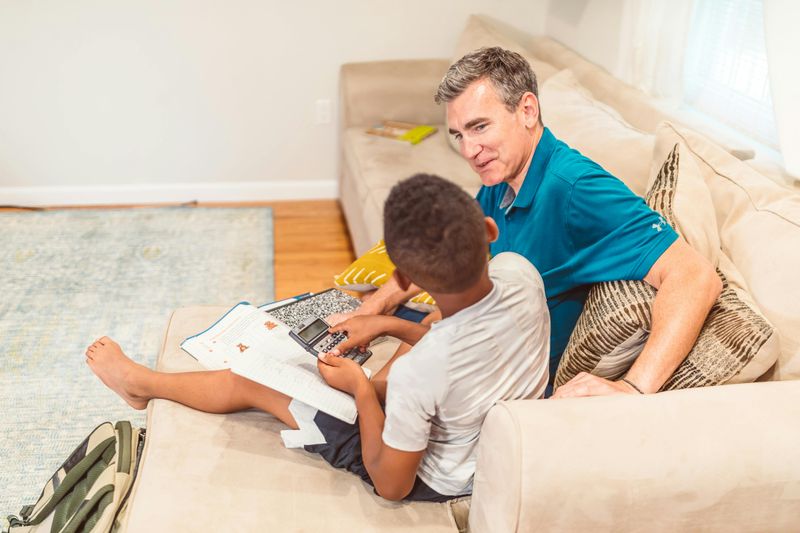
If you failed a test, it meant you should have studied harder.
Parents expected children to own their mistakes and learn from consequences.
This tough-love approach taught responsibility from an early age.
Nobody rushed to make excuses or find external factors to explain poor choices.
Instead, people focused on what they could control and change.
This mindset prevented victim mentality from taking root.
Embracing personal accountability today empowers us to take charge of our lives rather than waiting for circumstances to improve on their own.
6. Societal Expectations of Strength
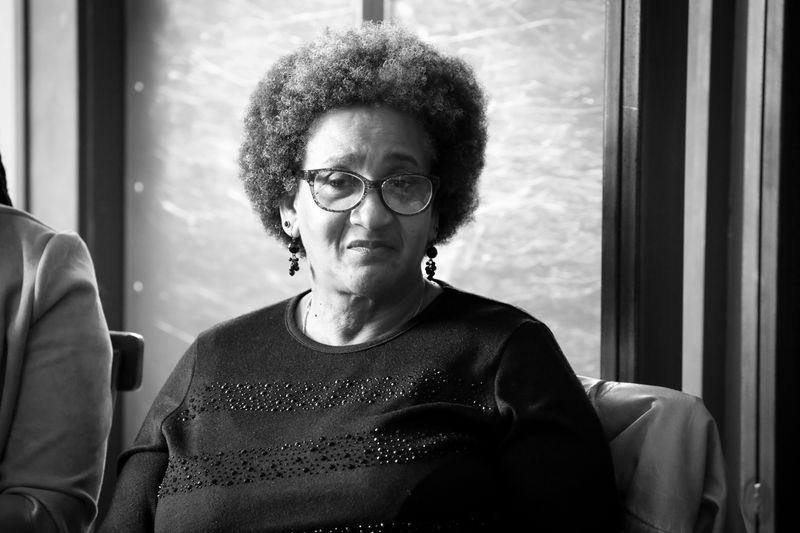
Expressing vulnerability was often discouraged, especially for men.
People were expected to handle problems privately without burdening others.
While this sometimes went too far, it did build mental toughness.
Boomers learned to push through discomfort without constant emotional support.
They developed internal coping mechanisms rather than seeking external validation.
This self-reliance helped them weather storms independently.
Balance is important—we need both strength and the ability to ask for help.
But cultivating some of that inner fortitude prepares us to stand firm when support is not immediately available.
7. Hands-On Problem Solving
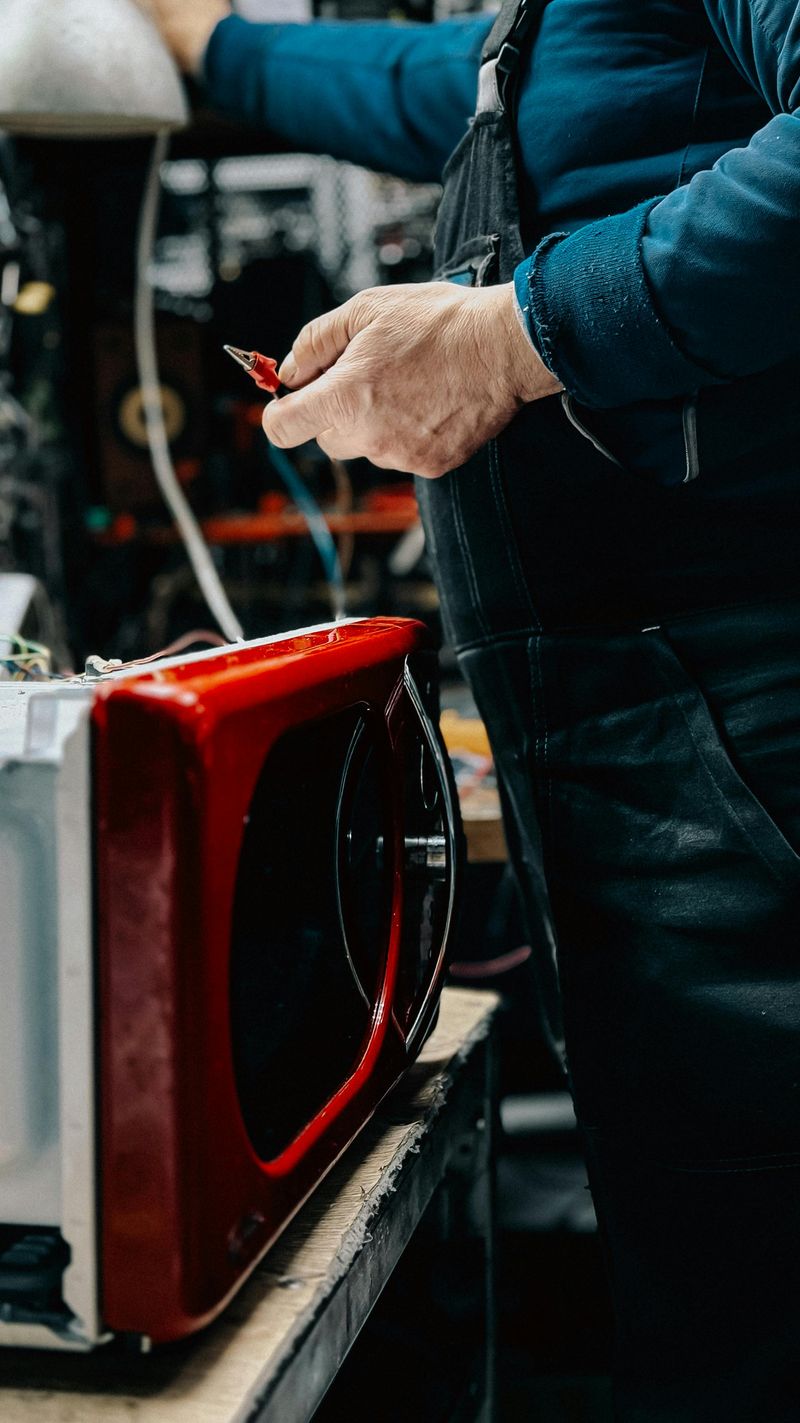
When appliances broke, Boomers opened them up to see what was wrong.
They read instruction manuals cover to cover and experimented with solutions.
Calling for help was a last resort after exhausting personal options.
This approach developed critical thinking and mechanical understanding.
Children watched parents tackle challenges methodically, learning by observation.
Frustration was temporary; giving up was not an option.
Today, this same curiosity and persistence can help us navigate complex problems.
Instead of immediately searching for answers online, we might try working through issues ourselves first to build genuine problem-solving skills.
8. Adapting to New Technologies

Boomers witnessed incredible technological leaps throughout their lives.
They went from rotary phones to smartphones, from typewriters to computers.
Each change required learning entirely new skills without formal training.
Rather than resisting, many embraced these shifts with curiosity.
They proved that age does not prevent adaptation when determination exists.
This willingness to learn kept them relevant in changing workplaces.
Their example shows that flexibility matters more than natural talent.
Staying open to new methods and tools, even when uncomfortable, builds the adaptability we need in our rapidly evolving world.
9. Adaptability to Rapid Change
From the civil rights movement to the moon landing, Boomers lived through extraordinary times.
Social norms shifted dramatically within single decades.
What seemed impossible became reality repeatedly throughout their lives.
This constant flux taught them not to assume permanence in any situation.
They learned to adjust expectations and plans as circumstances evolved.
Rigidity meant getting left behind; flexibility meant survival.
Their ability to roll with punches came from necessity, not choice.
Recognizing that change is constant helps us prepare mentally for whatever comes next, building the emotional agility essential for modern resilience.
10. Transitions in Family Dynamics

Boomers experienced major shifts in family structures and gender roles.
They saw women enter the workforce in unprecedented numbers.
Divorce rates climbed, creating new challenges for parents and children.
Traditional expectations gave way to more diverse family arrangements.
Navigating these changes required flexibility and open-mindedness.
Many struggled but ultimately adapted to new realities.
This experience taught them that change, though difficult, is survivable.
Their journey reminds us that resilience includes accepting transformation in our personal lives, even when it contradicts what we expected or were taught.