 MomSkoop
Food trends come and go, shaped by changing tastes, health awareness, and cultural shifts. What was once a staple on dinner tables or a must-have treat can quickly fall out of favor, becoming a nostalgic relic of another era.
From quirky convenience foods to dishes once considered cutting-edge, some items simply didn’t stand the test of time. Here’s a look at 13 once-popular foods that have largely disappeared from modern menus—and the reasons behind their decline.
1. Gelatin Molds
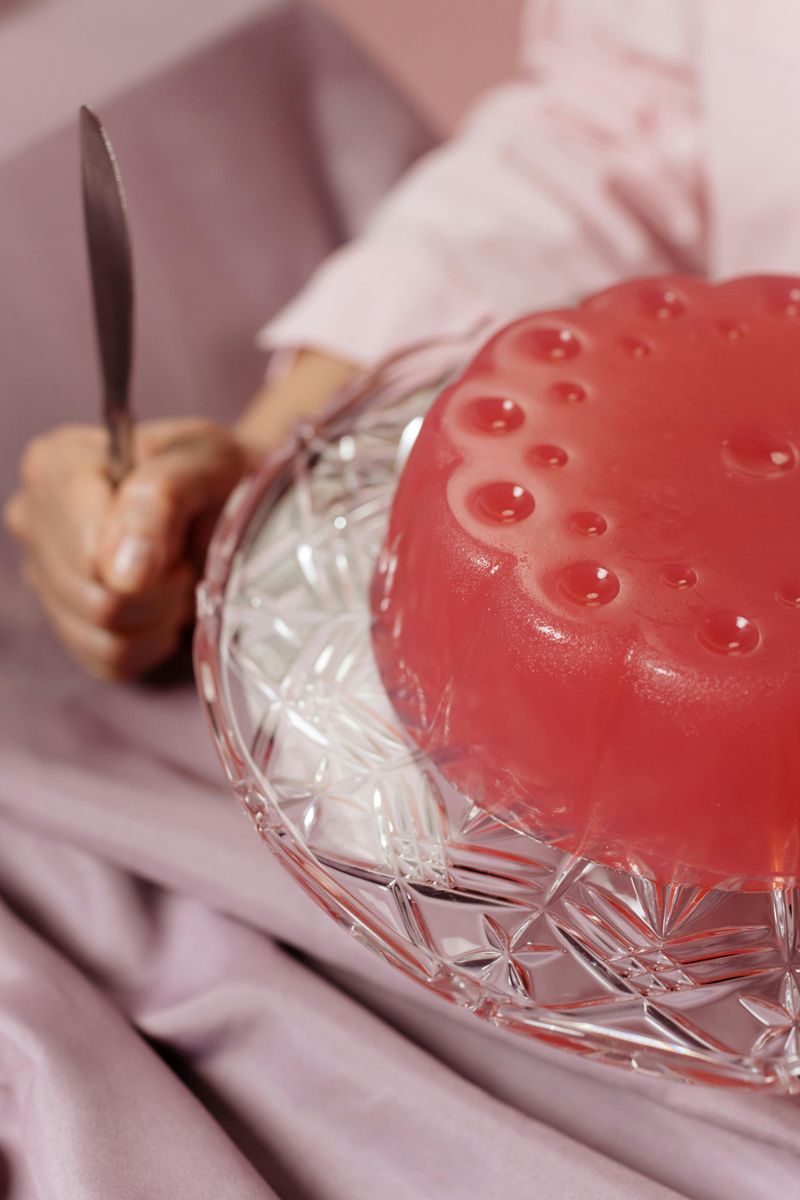
Bright, jiggly, and sometimes filled with vegetables or meat, gelatin molds ruled dinner parties throughout the 1950s and 60s.
Hostesses competed to create the most elaborate designs, layering fruits, vegetables, and even seafood inside colorful gelatin rings.
Back then, these shimmering creations symbolized modern convenience and sophistication.
Families proudly served them at holiday gatherings and special occasions.
Today, most people find the concept of savory gelatin quite strange.
Culinary preferences shifted toward fresher ingredients and simpler presentations.
Processed foods fell out of favor as health awareness grew.
The elaborate effort required also seemed less appealing in our fast-paced world.
Gelatin molds now live mostly in vintage cookbooks and nostalgic memories.
2. TV Dinners
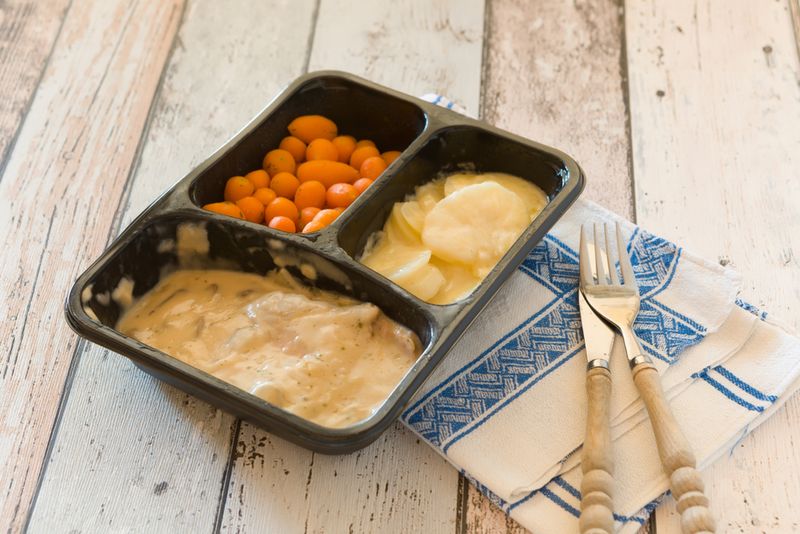
Compartmentalized aluminum trays filled with meat, sides, and dessert revolutionized home dining in the mid-20th century.
Families could heat up complete meals in minutes, making dinner incredibly convenient for busy households.
Swanson introduced the first TV dinner in 1953, and Americans embraced this futuristic way of eating.
Kids loved the novelty, and parents appreciated the time saved.
However, tastes evolved dramatically over the decades.
People became more health-conscious and started reading nutrition labels more carefully.
High sodium content, questionable ingredients, and lackluster flavors made TV dinners less appealing.
Fresh meal kits, better takeout options, and improved frozen alternatives now dominate the market.
The classic TV dinner feels like a relic from a simpler, less nutritionally-aware era.
3. Canned Ham
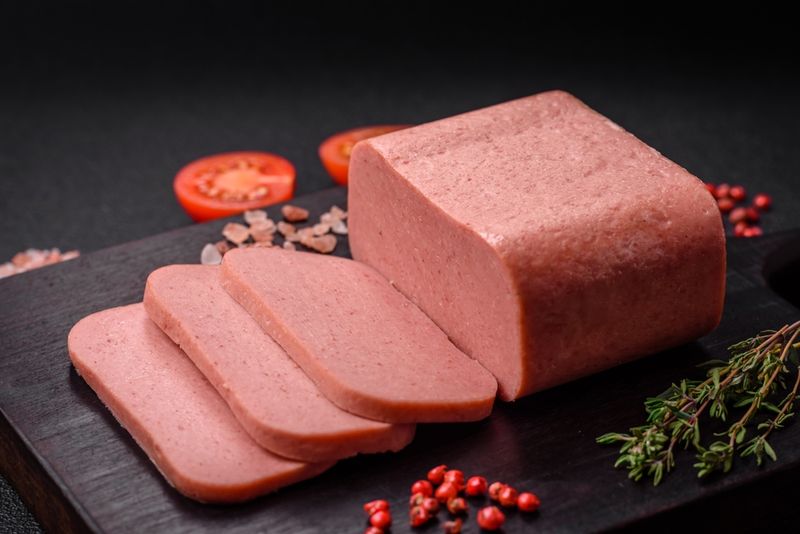
Shelf-stable meat that lasted for months seemed like a miracle product during wartime rationing and post-war convenience culture.
Spam and similar canned hams became pantry staples across America, offering protein without refrigeration.
Soldiers ate it overseas, and families continued buying it at home out of habit and affordability.
You could fry it, bake it, or eat it straight from the can.
Modern nutritional awareness changed public opinion dramatically.
High sodium levels, mystery ingredients, and heavy processing made canned ham seem unhealthy and unappealing.
Fresh deli meats, rotisserie chicken, and plant-based proteins offered better alternatives.
Cultural perceptions shifted, and canned ham became associated with lower-quality food.
Only a few regions still embrace it regularly in their cooking traditions.
4. Liver and Onions
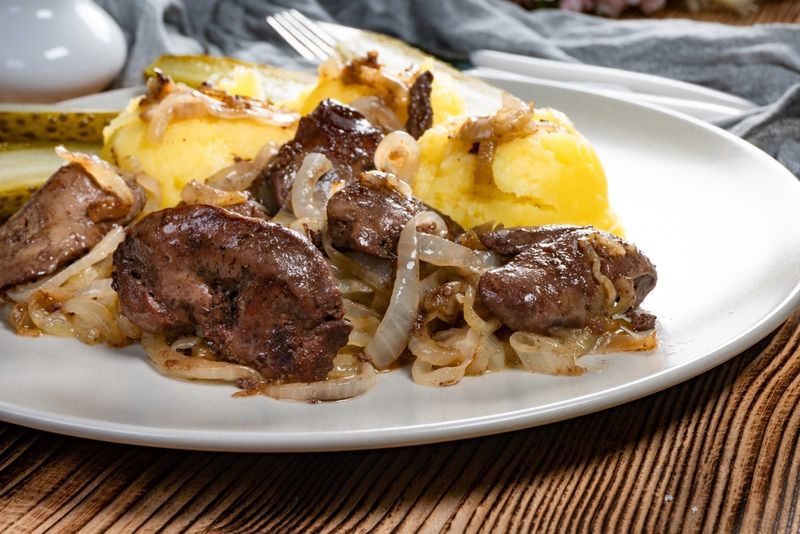
Grandma’s kitchen often smelled of this iron-rich dish sizzling away on the stove.
Liver and onions represented practical, economical cooking that stretched household budgets while providing essential nutrients.
Families ate organ meats regularly, viewing them as normal dinner options rather than specialty items.
The strong, distinctive flavor didn’t bother people who grew up eating it weekly.
Younger generations rejected this tradition almost entirely.
The intense taste and unique texture turned off kids who preferred milder proteins like chicken and ground beef.
As prosperity increased, families could afford to skip cheaper cuts and organ meats.
Cultural attitudes shifted away from nose-to-tail eating in mainstream American households.
Today, liver appears mostly on adventurous restaurant menus rather than home dinner tables.
5. Ambrosia Salad
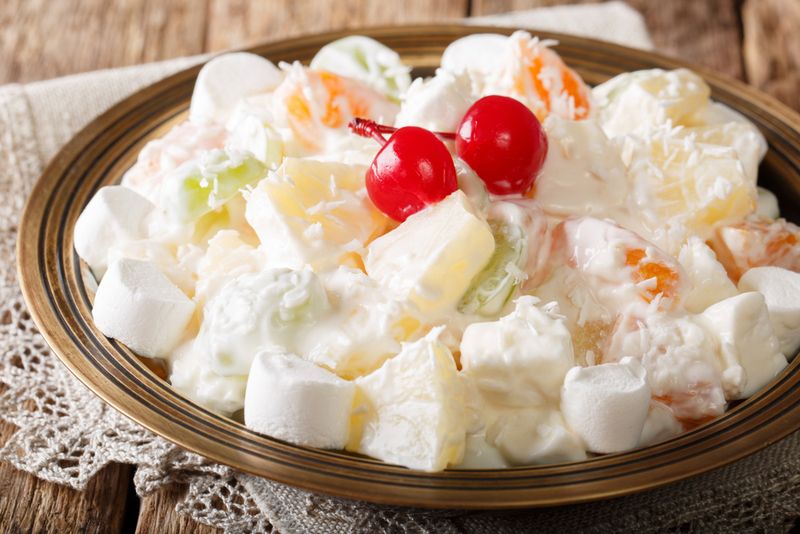
Miniature marshmallows mixed with canned fruit and coconut created this sugary concoction that dominated potluck tables for decades.
Church gatherings, family reunions, and holiday dinners always featured at least one bowl of this sweet, creamy mixture.
The name itself suggested something heavenly and special.
Grandmothers passed down their secret ingredient ratios, adding maraschino cherries or pecans for extra flair.
Contemporary palates find it overwhelmingly sweet and unnecessarily heavy.
Modern dessert trends favor fresh fruit, dark chocolate, or artisan pastries instead.
Health-conscious eaters avoid the high sugar content and artificial ingredients.
Younger hosts feel embarrassed serving something so retro and unhealthy at gatherings.
Ambrosia salad survives mainly as a nostalgic curiosity from grandma’s recipe box.
6. Diet Jell-O Treats
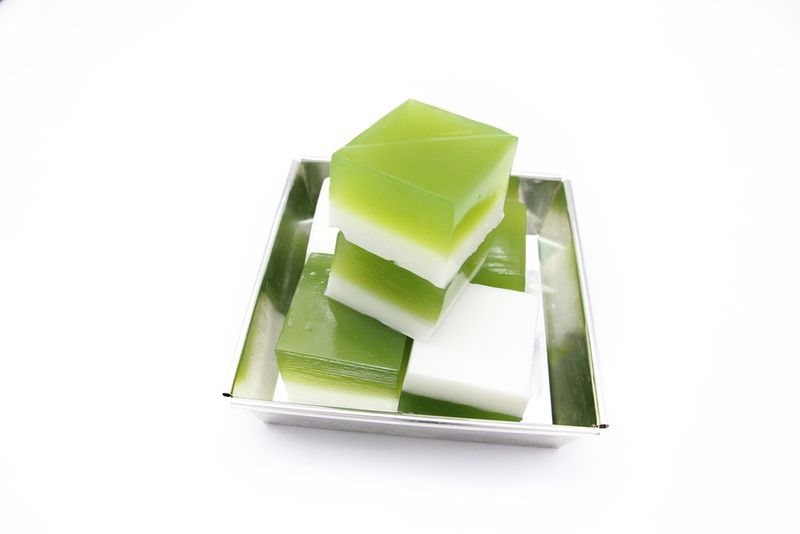
Artificial sweeteners promised guilt-free dessert satisfaction throughout the diet-obsessed 1980s and 90s.
Weight-conscious adults filled their refrigerators with little cups of sugar-free gelatin in every flavor imaginable.
Commercials showed happy dieters enjoying these wobbly treats without gaining a single pound.
The bright colors and sweet taste made restriction feel less punishing.
Scientific research eventually revealed concerns about artificial sweeteners and their long-term health effects.
People began questioning whether chemical-laden diet products were truly better than small portions of real desserts.
Natural eating movements encouraged whole foods over processed alternatives.
Greek yogurt, fresh berries, and dark chocolate replaced artificial diet treats in health-conscious households.
Today’s wellness culture rejects the extreme restriction mentality that made diet Jell-O popular in the first place.
7. Heavy Mayo-Based Salads
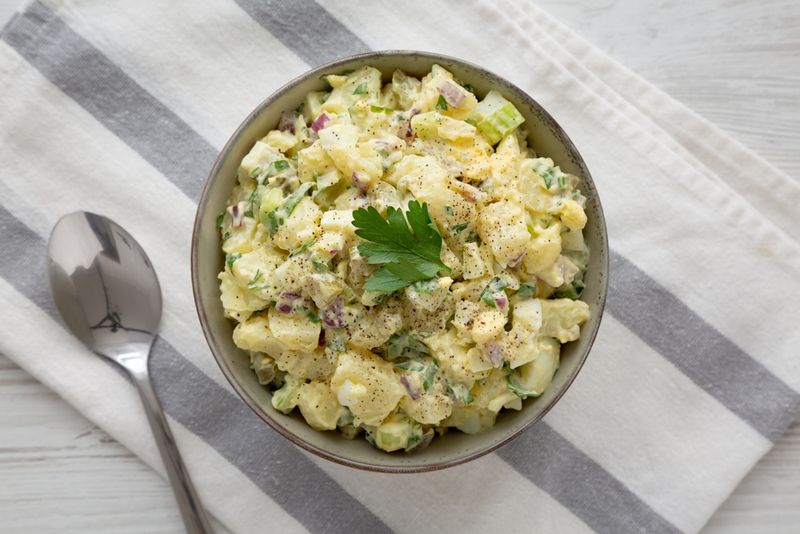
Tuna, chicken, or ham mixed with loads of mayonnaise created filling lunch staples throughout the mid-20th century.
Delis piled these creamy mixtures high on sandwiches, and home cooks kept big bowls in the refrigerator.
The thick, rich texture felt satisfying and substantial.
Affordable canned protein combined with inexpensive mayonnaise made these salads budget-friendly family meals.
Nutritional awareness changed everything about how people view these dishes.
Heavy mayonnaise means high calories, saturated fat, and little nutritional benefit beyond basic protein.
Modern eaters prefer lighter preparations using Greek yogurt, avocado, or olive oil instead.
Poke bowls, grain salads, and fresh protein plates offer more interesting flavors and textures.
Mayo-heavy salads now seem outdated and unnecessarily caloric for health-focused consumers.
8. Margarine
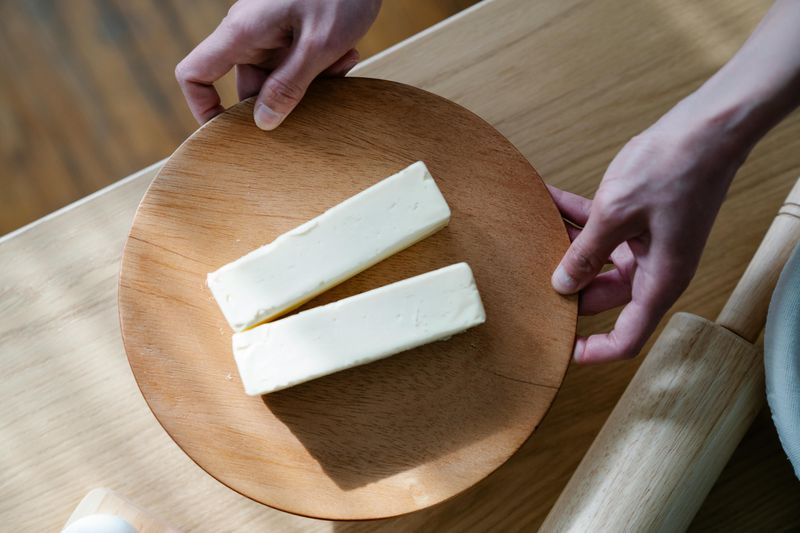
Doctors once recommended margarine as the heart-healthy alternative to butter throughout the late 20th century.
Health-conscious families switched entirely, believing they were protecting themselves from cholesterol and heart disease.
Margarine cost less and spread more easily straight from the refrigerator.
Marketing campaigns emphasized its modern, scientific benefits over old-fashioned butter.
Everything changed when research exposed the dangers of trans fats in margarine.
Partially hydrogenated oils turned out to be worse for cardiovascular health than natural butter ever was.
Public perception flipped dramatically almost overnight.
Consumers returned to butter, viewing it as a more honest, natural choice.
Heavily processed margarine now represents a cautionary tale about trusting food industry health claims too quickly.
9. Microwave Popcorn
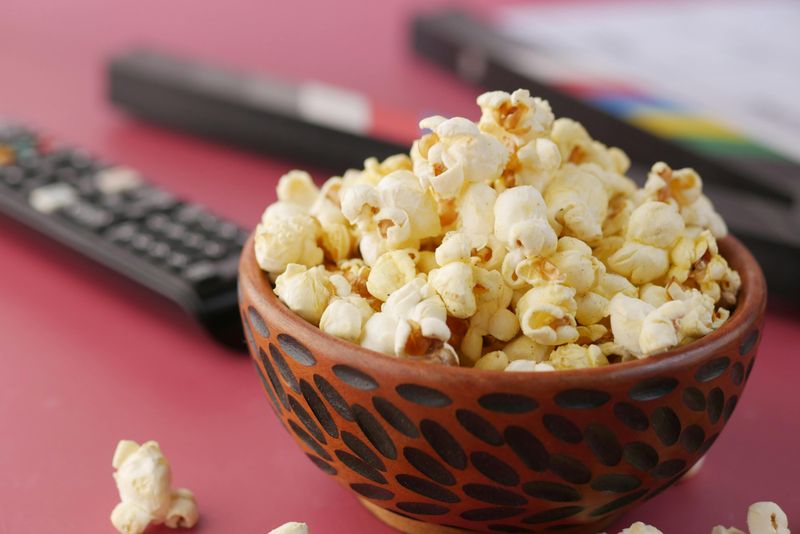
Pop a bag in the microwave, wait three minutes, and enjoy movie-theater flavor at home—that was the promise of microwave popcorn.
Families kept boxes stacked in their pantries for easy snacking during TV time.
The convenience factor made it irresistible for busy households.
Kids loved watching the bag inflate and hearing the kernels pop.
Health scares about artificial butter flavoring chemicals changed consumer attitudes dramatically.
Reports linked certain ingredients to serious respiratory problems in factory workers.
People also became concerned about the bag linings and excessive sodium content.
Air poppers, stovetop methods, and plain kernels offered cleaner, cheaper alternatives.
Today’s snackers prefer controlling their own ingredients rather than trusting mystery chemicals in convenient packages.
10. Super-Sugary Breakfast Cereals
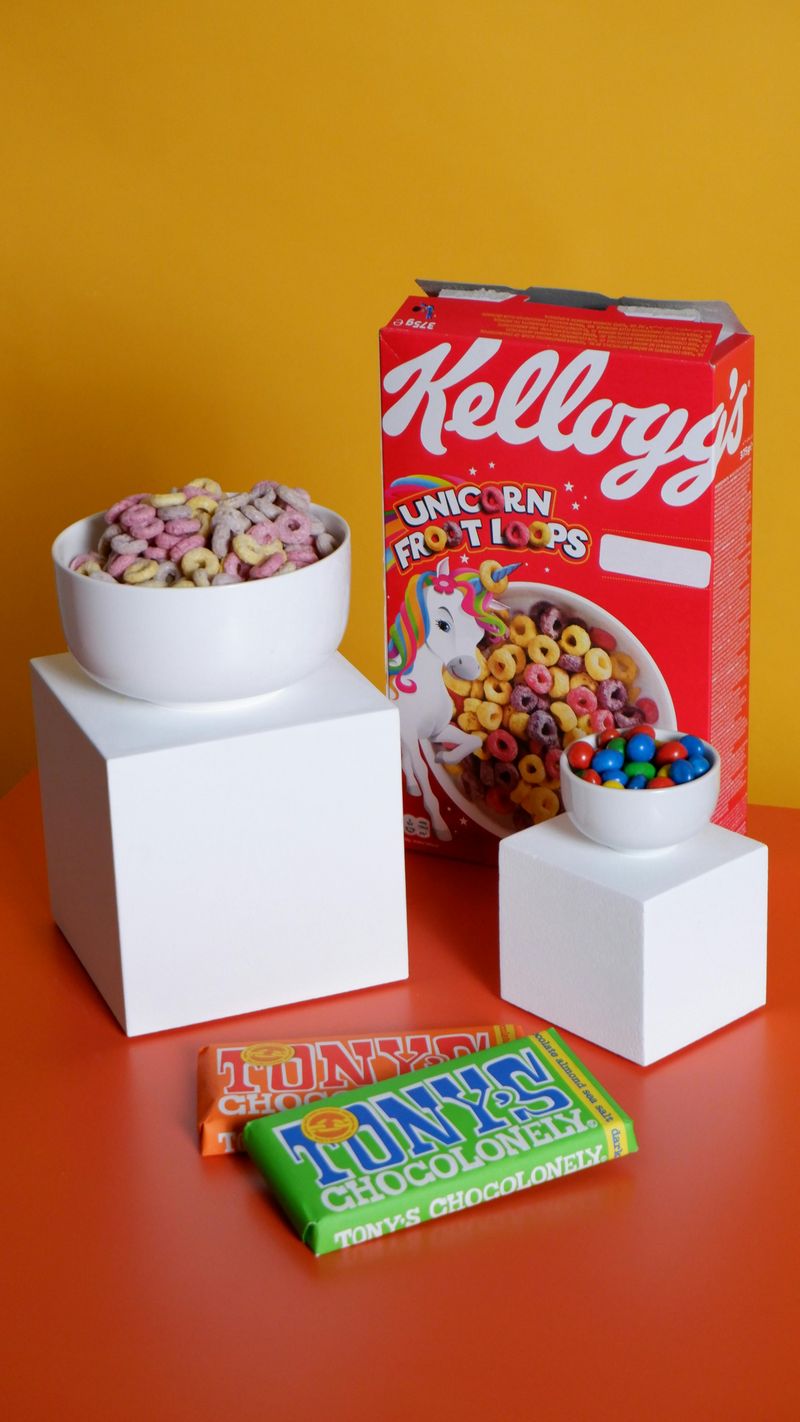
Cartoon characters and toy prizes made these rainbow-colored cereals irresistible to children throughout the 80s and 90s.
Saturday morning television commercials convinced kids they absolutely needed the latest marshmallow-filled creation.
Parents often gave in, filling shopping carts with boxes of pure sugar disguised as breakfast.
The bright colors and sweet crunch made mornings exciting for reluctant eaters.
Growing awareness about childhood obesity and diabetes changed parenting attitudes significantly.
Adults started reading nutrition labels and discovered these cereals contained more sugar than candy bars.
Healthier alternatives like oatmeal, whole-grain options, and protein-rich breakfasts replaced the sugary staples.
Schools began teaching nutrition education that contradicted cereal marketing messages.
Today’s health-conscious parents view super-sugary cereals as occasional treats rather than daily breakfast options.
11. Creamed Chipped Beef
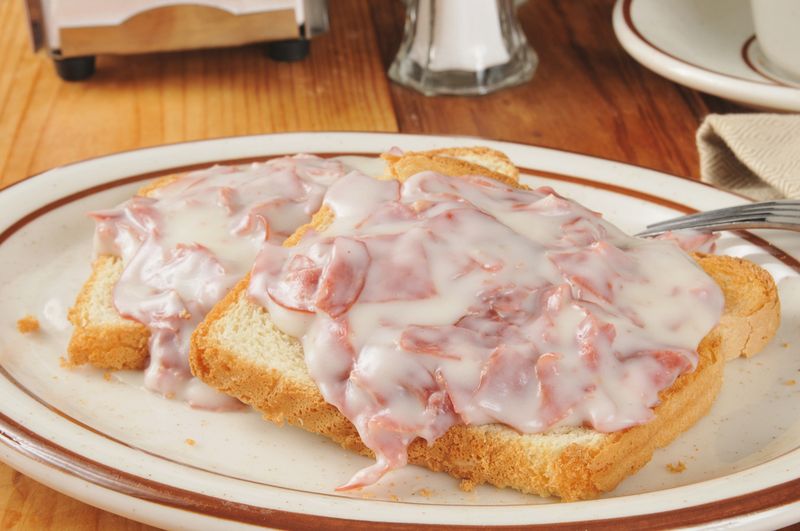
Once a diner staple and military mess hall favorite, creamed chipped beef on toast showed up on countless American tables for decades.
Thin slices of salty dried beef were folded into thick white gravy and poured over toast until breakfast felt especially heavy.
It was cheap, filling, and easy for a crowd.
Over time, though, tastes moved away from canned meats and gluey cream sauces.
Today, you are far more likely to see fresher brunch plates than this old-fashioned classic.
For many people, it survives mostly as a memory from childhood kitchens and cafeteria trays.
12. Fondue

Few dishes felt fancier in the 1970s than a bubbling pot of fondue set right in the middle of the table.
Guests gathered around with long forks, dipping cubes of bread into melted cheese or strawberries into warm chocolate while the whole meal turned into an event.
At the time, fondue seemed worldly, stylish, and perfect for entertaining, especially when dinner parties were all about presentation.
These days, it survives mostly as a restaurant novelty, since home cooks tend to prefer simpler meals that do not leave behind a pot of hardened cheese to scrub later.
13. Stuffed Celery
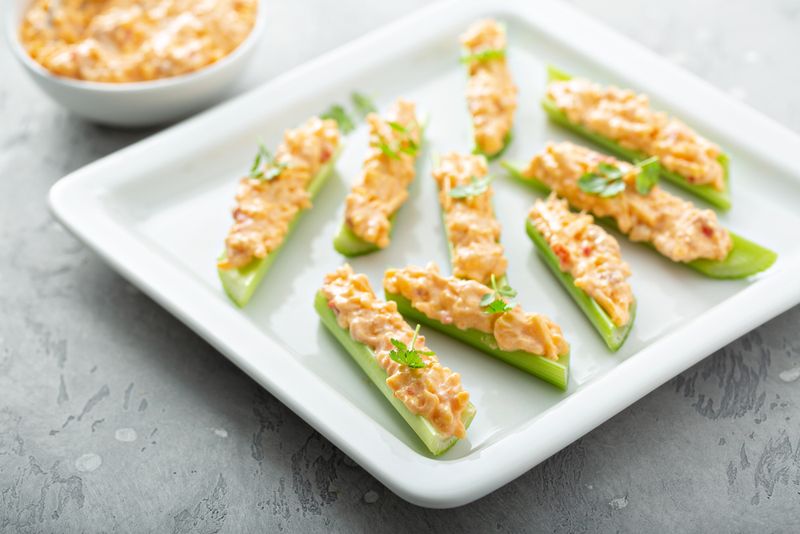
Stuffed celery used to be a reliable party snack, especially when home entertaining meant trays of small, tidy bites.
Crisp celery stalks were filled with cream cheese, pimentos, cheese spreads, or peanut butter, then lined up neatly beside olives and pickles.
It looked colorful, felt a little fancy, and fit perfectly with cocktail-hour culture.
These days, it rarely appears outside holiday spreads or older family gatherings.
Modern hosts tend to reach for charcuterie boards, dips, or appetizers with bolder flavor and less fuss.
Stuffed celery is still harmlessly nostalgic, but it no longer feels like the centerpiece snack it once was.