 MomSkoop
Fashion has always been a wild ride through history, with people doing some pretty strange things to look stylish. From poisonous fabrics to shoes so tall you needed a walking stick, our ancestors made some questionable choices in the name of beauty.
These bizarre trends might seem ridiculous today, but they were once considered the height of elegance and sophistication. Get ready to discover some of the most outrageous fashion statements that people actually wore in public!
1. Arsenic Dresses
Imagine wearing a dress that could literally kill you.
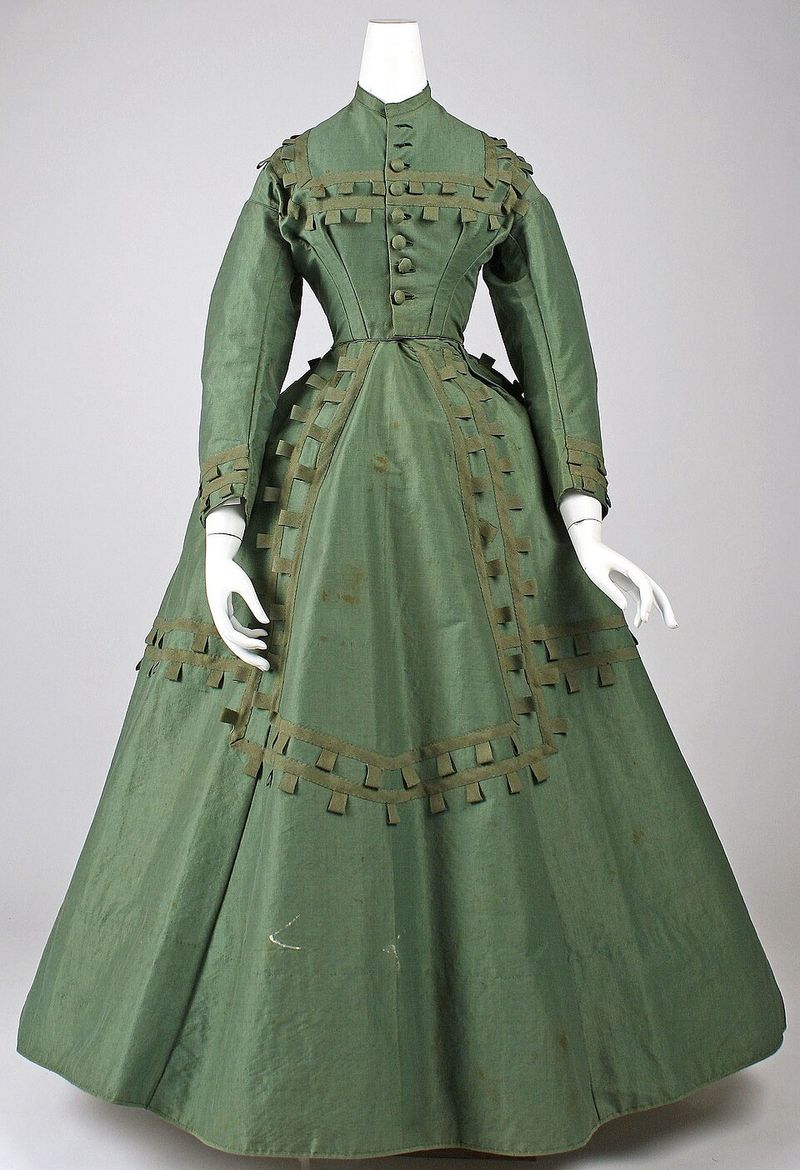
During the Victorian era, wealthy women adored brilliant green gowns that sparkled under candlelight.
The secret ingredient making these dresses so vibrant was arsenic, a deadly poison!
Fashion designers mixed arsenic with copper to create a stunning emerald shade called Scheele’s Green.
Women would dance all night in these toxic garments, completely unaware of the danger.
The poison could flake off onto skin or be inhaled as dust.
Many women suffered from headaches, skin rashes, and even more serious health problems.
Some historians believe these poisonous dresses may have caused deaths, though it was difficult to prove at the time.
2. Lotus Feet Binding

For nearly a thousand years in China, tiny feet were considered the ultimate symbol of beauty and status.
Young girls, sometimes as young as five years old, would have their feet tightly wrapped in bandages to prevent growth.
The goal was to create feet no longer than three to four inches, called lotus feet.
This painful process broke bones and reshaped the foot into an unnatural arch.
Girls could barely walk and needed support for the rest of their lives.
Families believed bound feet would help their daughters marry into wealthy families.
The practice continued despite causing lifelong disability and constant pain.
Thankfully, foot binding was finally banned in the early 1900s.
3. Mercury Hats
The phrase mad as a hatter comes from a genuinely terrifying fashion practice.
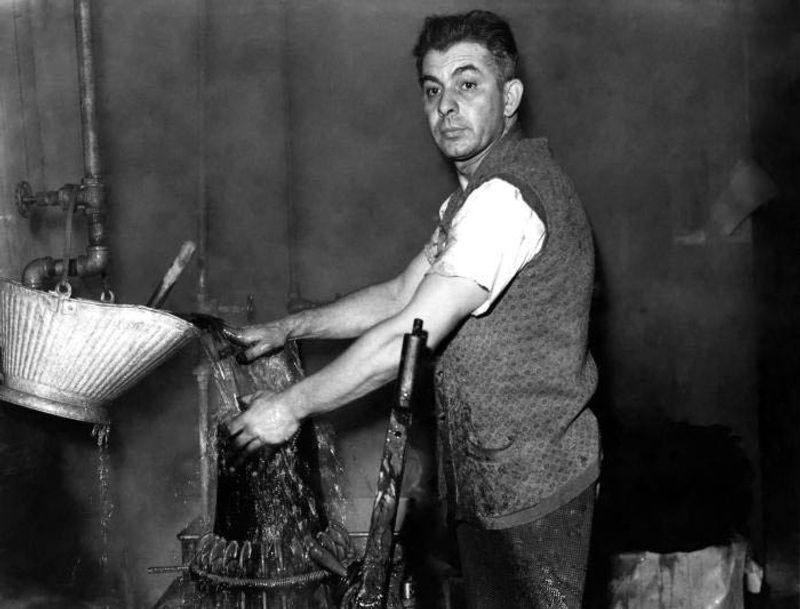
Hat makers in the 18th and 19th centuries used mercury to treat animal fur and transform it into felt for fancy top hats.
Workers spent hours breathing in toxic mercury fumes every single day.
Over time, mercury poisoning caused hat makers to develop tremors, memory loss, and personality changes.
They would shake uncontrollably, slur their speech, and sometimes experience hallucinations.
The fashionable gentlemen wearing these hats had no idea about the suffering behind their stylish accessories.
Factory workers paid a terrible price so wealthy people could look sophisticated.
Mercury use in hat making was eventually banned.
4. Macaroni Fashion
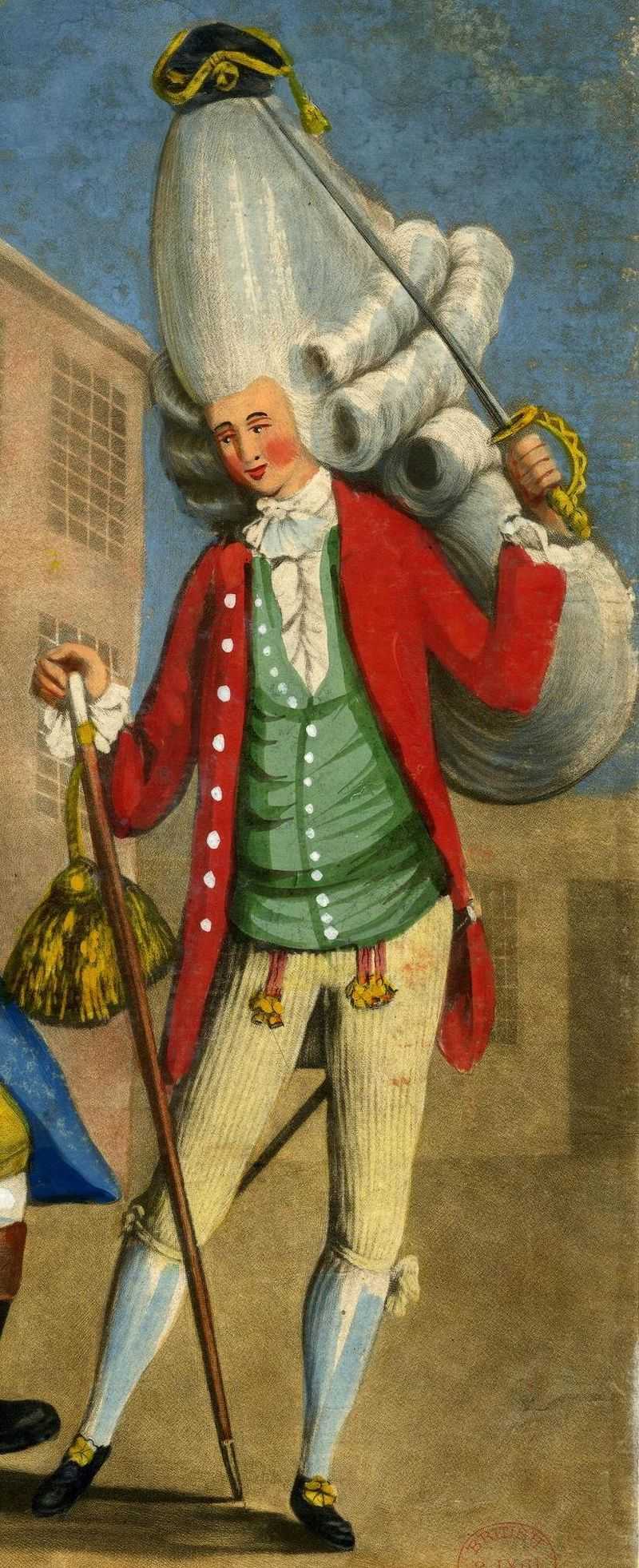
Picture a man wearing a wig so tall it nearly touches the ceiling, covered in makeup, and dressed in the brightest colors imaginable.
Welcome to the world of the Macaronis, fashionable young British men from the 1760s and 1770s.
These dandies traveled to Italy and returned obsessed with extreme continental fashion.
They wore gigantic powdered wigs piled high with fake curls, tight colorful jackets, and carried tiny hats they could not even wear.
People thought they looked absolutely ridiculous and made fun of them constantly.
The name Macaroni came from the Italian pasta they encountered abroad.
Yankee Doodle stuck a feather in his hat and called it Macaroni refers to this outrageous trend!
5. Chopines
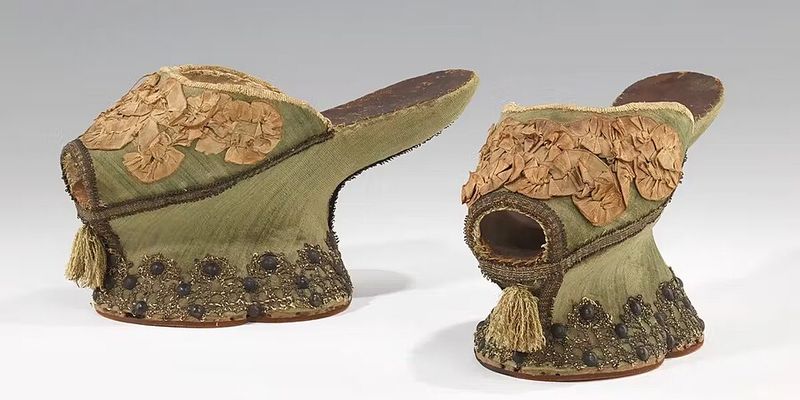
How would you like to walk around on shoes that could be two feet tall?
Chopines were platform shoes worn by wealthy European women during the Renaissance, especially in Venice, Italy.
These towering shoes started as practical footwear to keep expensive dresses above muddy streets.
Soon, chopines became a status symbol, with heights getting more and more extreme.
Some platforms reached such ridiculous heights that women needed servants to help them walk!
Laws were actually passed trying to limit how tall chopines could be because they were considered dangerous.
Pregnant women wearing them risked serious falls.
Despite the obvious hazards, fashionable ladies continued wobbling around on these impractical shoes for decades.
6. Crinolines
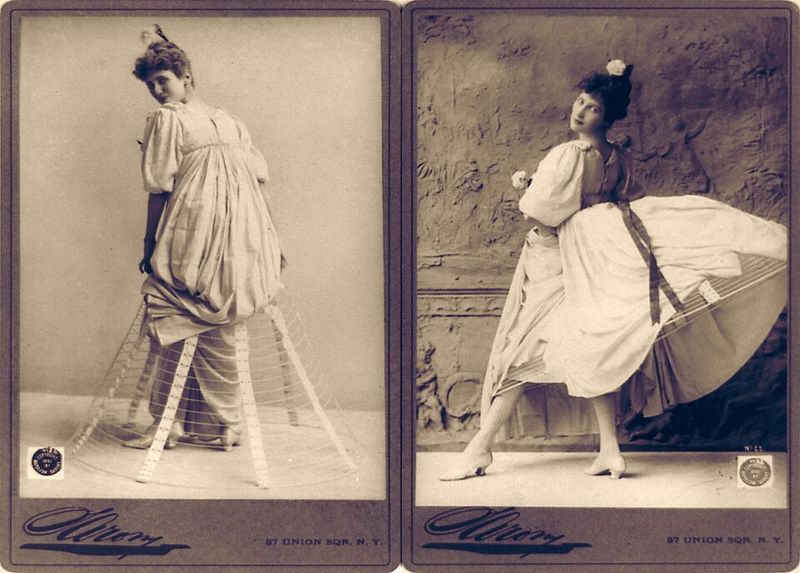
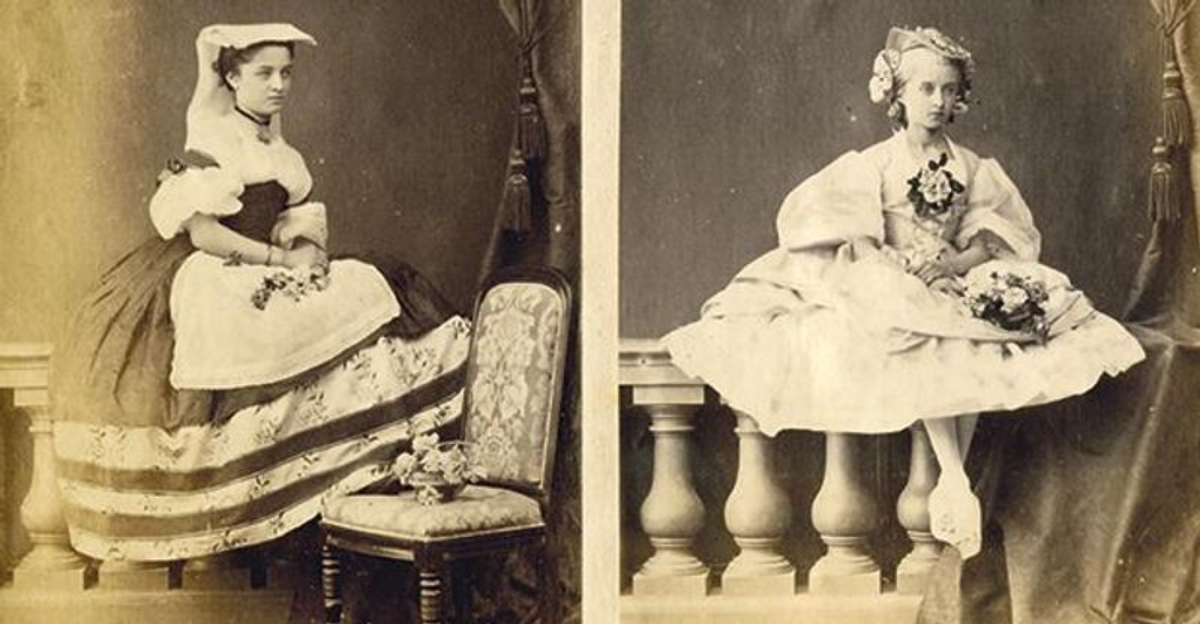
Crinolines were giant cage-like structures made of steel hoops that women wore under their skirts to create enormous bell-shaped silhouettes.
Popular during the 1850s and 1860s, these contraptions could measure up to six feet wide!
Women struggled to fit through doorways and could not sit comfortably in chairs.
The worst part was that crinolines were incredibly dangerous.
The metal frames could flip up in the wind, exposing a woman’s undergarments and causing terrible embarrassment.
Even more tragically, thousands of women died when their crinolines caught fire from candles or fireplaces.
The cage structure trapped them inside burning fabric.
Fashion magazines eventually called for an end to this deadly trend.
7. Bliauts
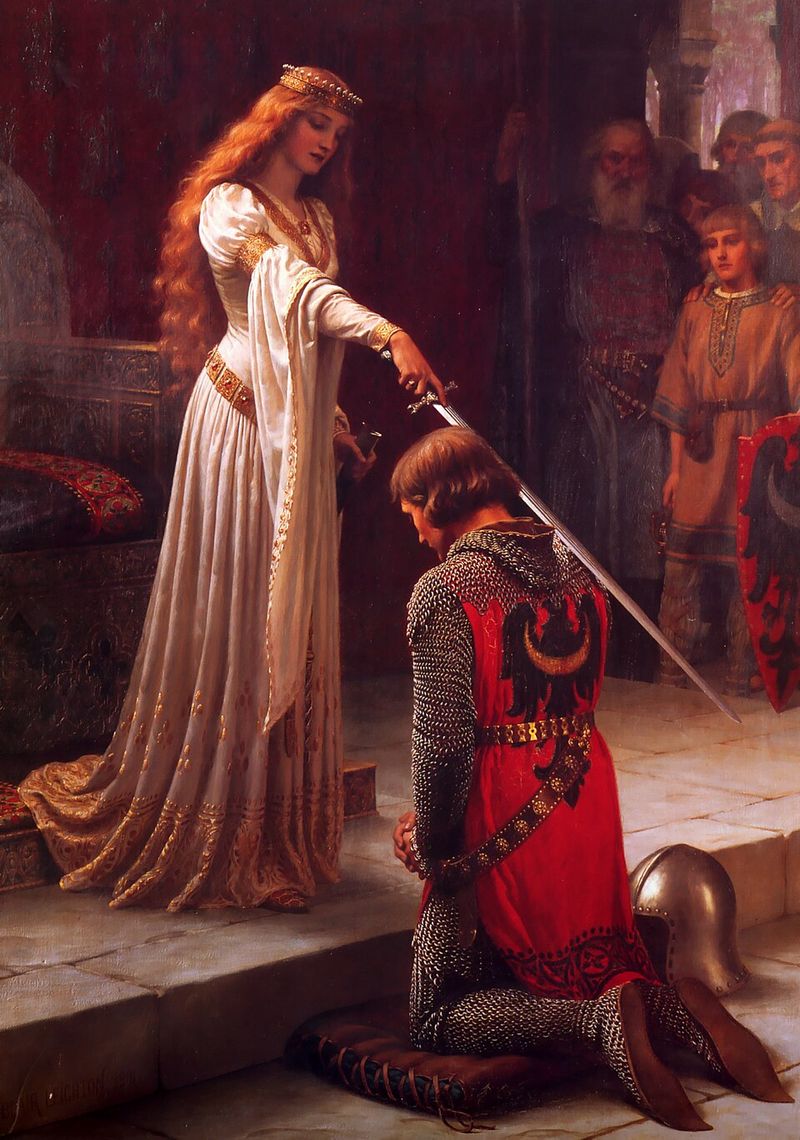
Medieval nobility took impractical fashion to amazing extremes with the bliaut, a gown featuring sleeves so long they dragged on the ground.
Worn during the 12th century, bliauts had sleeves that extended far beyond the fingertips, sometimes reaching several feet in length.
These flowing fabric extensions served absolutely no practical purpose.
The ridiculously long sleeves were actually a way to show off wealth and status.
Only rich people who did not need to work could afford to wear such impractical clothing.
Servants had to help nobles manage these trailing sleeves throughout the day.
The sleeves would drag through dirt, get caught on furniture, and generally make every activity more difficult.
Church leaders criticized bliauts as wasteful and sinful vanity.
8. Bombast Padding
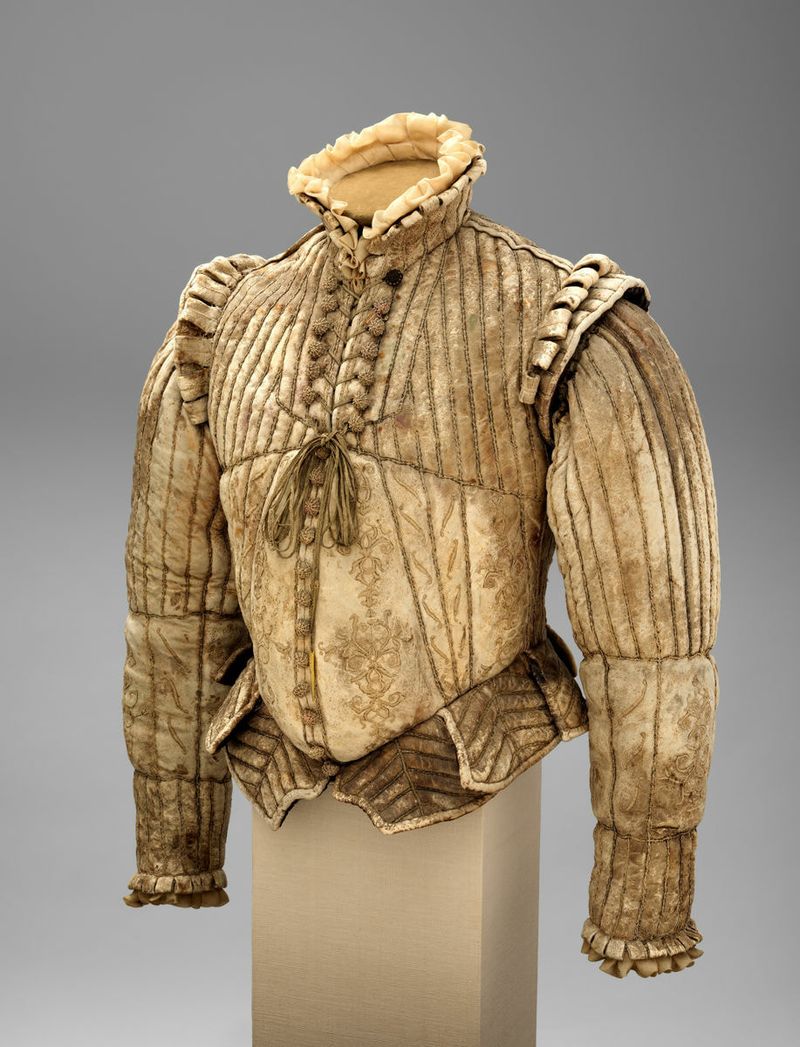
Men in the 16th century stuffed their clothes with bizarre materials to create artificially rounded, puffy shapes.
This trend, called bombast, involved padding jackets and pants with wool, horsehair, cotton, or even sawdust!
The goal was to achieve a fashionable pot-bellied silhouette that made men look prosperous and well-fed.
Elizabethan gentlemen would waddle around looking like overstuffed sausages, barely able to move their arms.
The padding made them appear much larger and more imposing than they actually were.
Codpieces, the pouches covering men’s private areas, were also stuffed with bombast to exaggerate their size.
Talk about false advertising!
This uncomfortable fashion eventually faded as slimmer silhouettes became popular.
9. Hobble Skirts
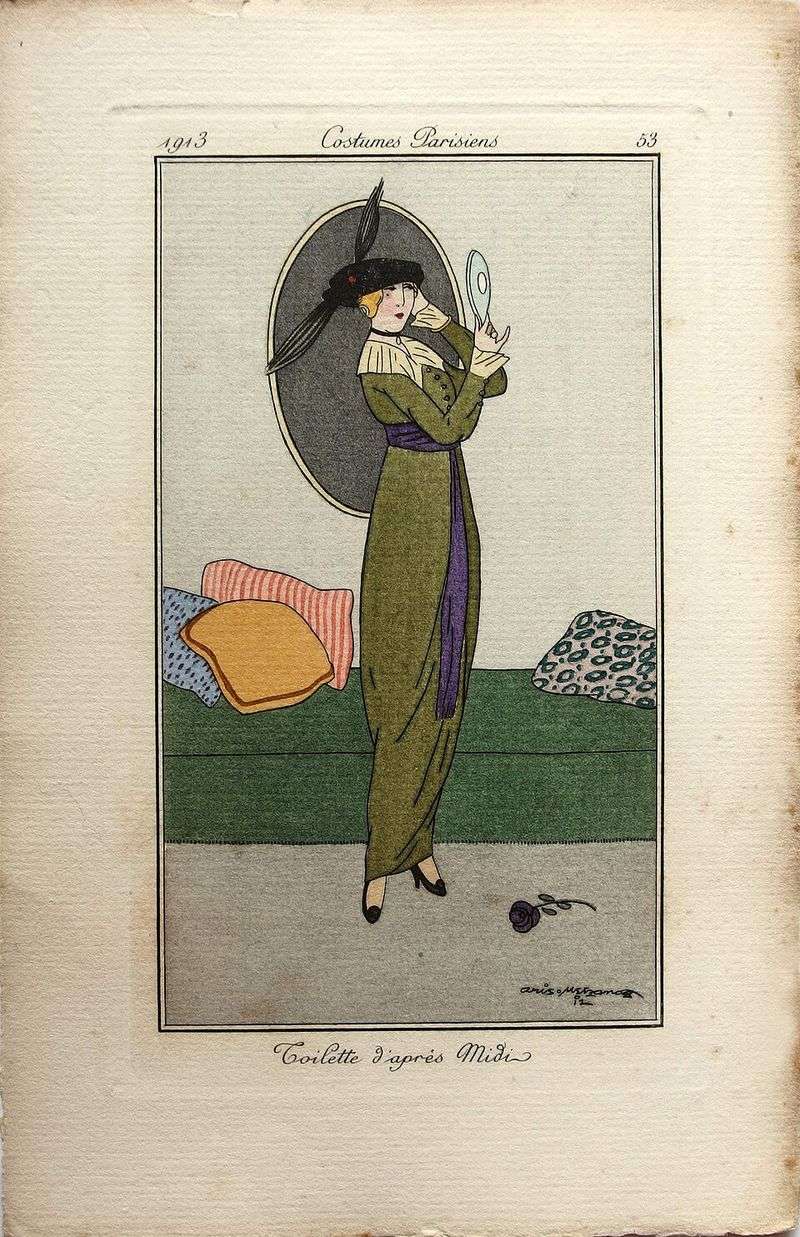
Right before World War I, women embraced a fashion trend that literally prevented them from walking normally.
Hobble skirts were so narrow at the ankles that women could only take tiny, shuffling steps.
Some versions were so tight that women tied their legs together with ribbon!
French designer Paul Poiret popularized this restrictive style around 1910.
Fashion magazines praised the elegant, streamlined silhouette despite its obvious impracticality.
Women fell down stairs, could not run for buses, and struggled with basic activities.
Some cities considered banning hobble skirts as public safety hazards.
The trend died quickly when World War I required women to work in factories and needed practical clothing for movement and labor.
10. Powdered Wigs

For over a century, European aristocrats wore massive wigs made from horsehair, goat hair, or human hair, all coated in white powder.
These towering hairpieces became fashionable in the 1600s when King Louis XIII of France started wearing them to hide his baldness.
Soon, everyone in high society needed one.
The wigs were incredibly expensive, hot, heavy, and attracted lice and other insects.
People powdered them with flour or starch mixed with lavender to mask unpleasant smells.
Maintaining these wigs required constant care and professional wig makers.
The powder would fall everywhere, covering clothes and furniture with white dust.
Powdered wigs finally went out of style during the French Revolution when simpler fashions became popular.