 MomSkoop
You probably buy the same things from the grocery store every week without thinking twice about it.
But what if you could make many of those items yourself, saving money and avoiding unnecessary additives?
Making your own pantry staples is easier than you think, and it often costs just pennies compared to store-bought versions.
1. Vanilla Extract
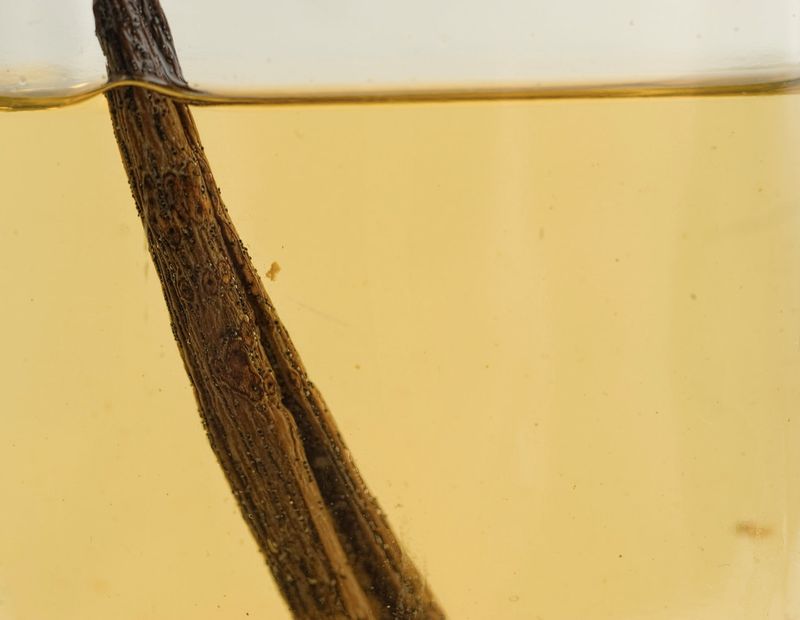
Real vanilla extract costs a fortune at the store, but making it at home is surprisingly simple and saves you serious cash.
All you need are vanilla beans and vodka or bourbon.
Split a few vanilla beans lengthwise, drop them into a bottle of alcohol, and let them sit in a dark cupboard for about two months.
The longer it steeps, the stronger the flavor becomes.
You can keep adding more alcohol as you use it, and those same beans will flavor several batches.
Homemade vanilla tastes richer and more complex than most store brands.
Plus, it makes a fantastic gift that looks like you spent way more effort than you actually did.
2. Brown Sugar
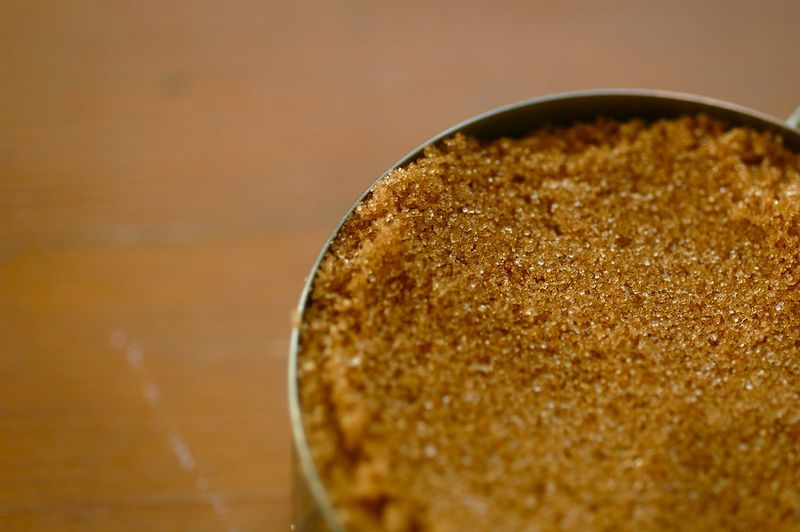
Ever run out of brown sugar right when you need it for cookies?
You can whip up your own in seconds using ingredients you probably already have.
Simply mix white granulated sugar with a bit of molasses until the color looks right.
For light brown sugar, use about one tablespoon of molasses per cup of white sugar.
If you want dark brown sugar, just add two tablespoons instead.
Stir it together with a fork until the molasses is evenly distributed throughout.
The texture and taste are identical to what you buy in bags, and you control exactly how much you make.
No more rock-hard brown sugar bricks in your cupboard either!
3. Powdered Sugar
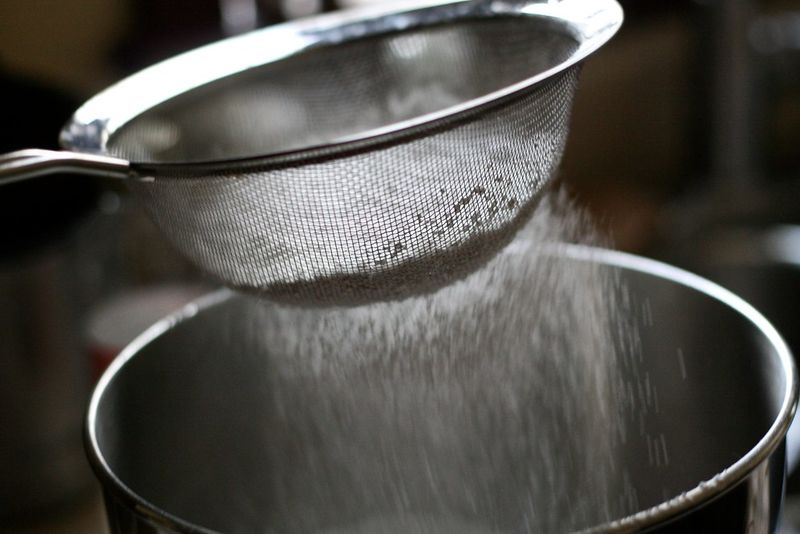
Store-bought powdered sugar is basically just finely ground sugar with a little cornstarch added to prevent clumping.
Why pay extra when you can blend your own in less than a minute?
Toss regular granulated sugar into a blender or food processor with a tablespoon of cornstarch for every cup of sugar.
Blend on high speed until it becomes a fine, silky powder.
The cornstarch keeps it from turning back into clumps over time.
This trick works perfectly for frosting, dusting desserts, or any recipe calling for confectioners’ sugar.
You get the freshest possible product without any mystery additives or preservatives.
4. Bread Crumbs
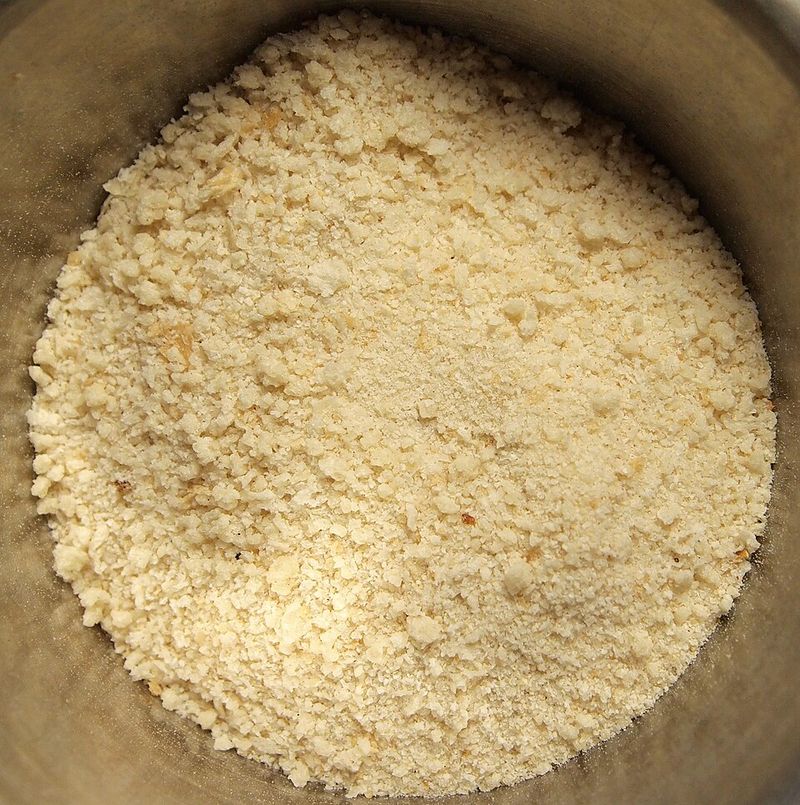
Stale bread doesn’t have to go in the trash.
Transform it into crunchy bread crumbs that work beautifully for coating chicken, topping casseroles, or mixing into meatballs.
Just tear up old bread into chunks and toast them in the oven until completely dry and golden.
Then pulse the toasted pieces in a food processor until they reach your desired texture.
You can make fine crumbs or leave them coarser depending on what you’re cooking.
Season them with herbs, garlic powder, or parmesan cheese for extra flavor.
Keep them in an airtight container, and they’ll stay fresh for weeks, ready whenever you need them.
5. Vegetable Broth

Instead of tossing carrot peels, onion ends, and celery tops into the garbage, save them in a freezer bag.
Once you’ve collected enough scraps, you can simmer them in water to create flavorful vegetable broth for practically nothing.
Add herbs like thyme or bay leaves if you have them around.
Let everything bubble gently for an hour or so, then strain out the solids.
The liquid gold you’re left with tastes fresher and more vibrant than anything from a can or carton.
Freeze it in portions so you always have broth ready for soups, risottos, or cooking grains.
This zero-waste approach saves money while reducing what goes into your trash bin.
6. Nut Butters
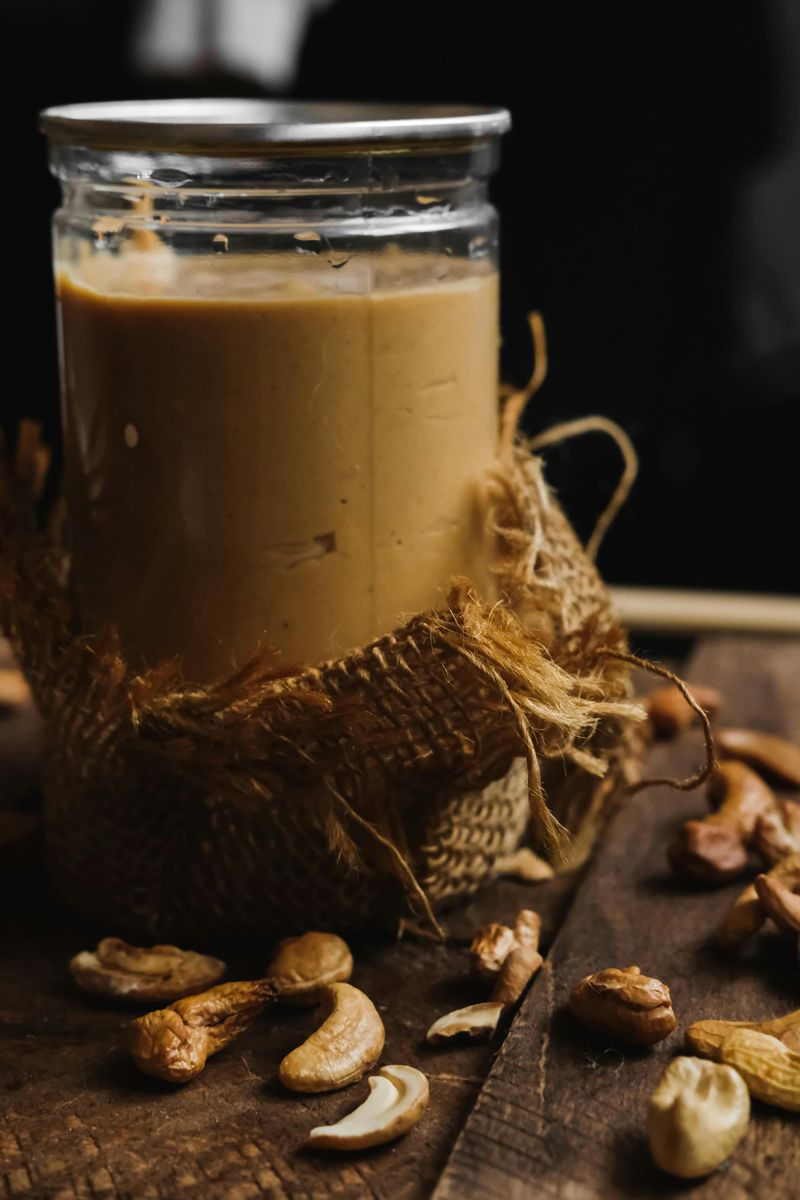
Peanut butter, almond butter, and cashew butter cost way too much when you buy them in jars, especially the natural kinds without added oils and sugars.
Making your own requires nothing more than nuts and a food processor.
Roast your chosen nuts lightly to bring out their oils and deepen the flavor.
Then blend them on high, scraping down the sides occasionally.
At first, the mixture will look crumbly, but keep going.
After several minutes, the nuts release their natural oils and transform into creamy, spreadable butter.
Add a pinch of salt or a drizzle of honey if you like, but pure nut butter needs nothing else.
7. Yogurt
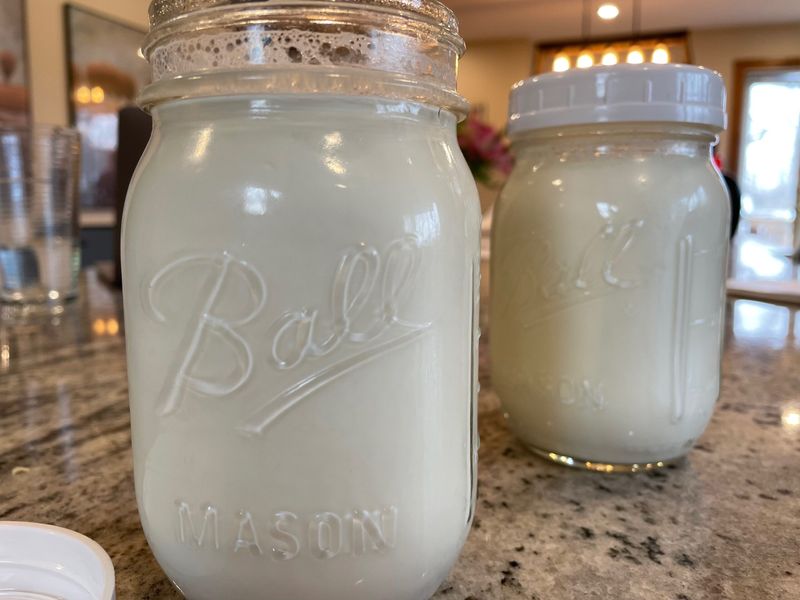
Making yogurt at home sounds intimidating, but it’s actually one of the easiest fermented foods to master.
You only need milk and a few tablespoons of plain yogurt with live active cultures as a starter.
Heat the milk to about 180 degrees, let it cool to 110 degrees, then stir in your starter.
Pour the mixture into jars and keep them warm for several hours while the good bacteria do their magic.
A cooler filled with warm water works perfectly for this.
The result is thick, tangy yogurt that costs a fraction of store prices.
Flavor it however you want with fruit, honey, or granola.
8. Granola
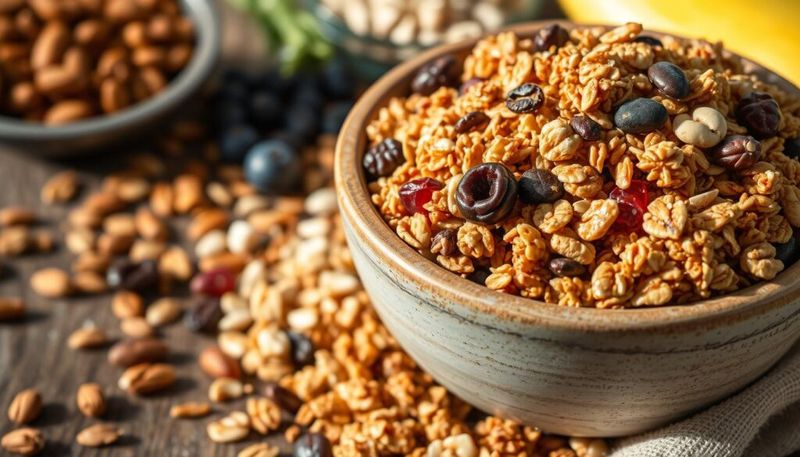
Bags of granola can be shockingly expensive, especially the fancy kinds loaded with nuts and dried fruit.
But homemade granola is cheap, customizable, and tastes infinitely better.
Mix rolled oats with nuts, seeds, honey or maple syrup, and a bit of oil.
Spread everything on a baking sheet and bake at a low temperature, stirring occasionally until golden and fragrant.
The oats clump together into those satisfying crunchy clusters everyone loves.
Once it cools, toss in dried fruit, chocolate chips, or coconut flakes.
You control the sweetness level and can avoid all those weird preservatives found in commercial brands.
9. Tortillas
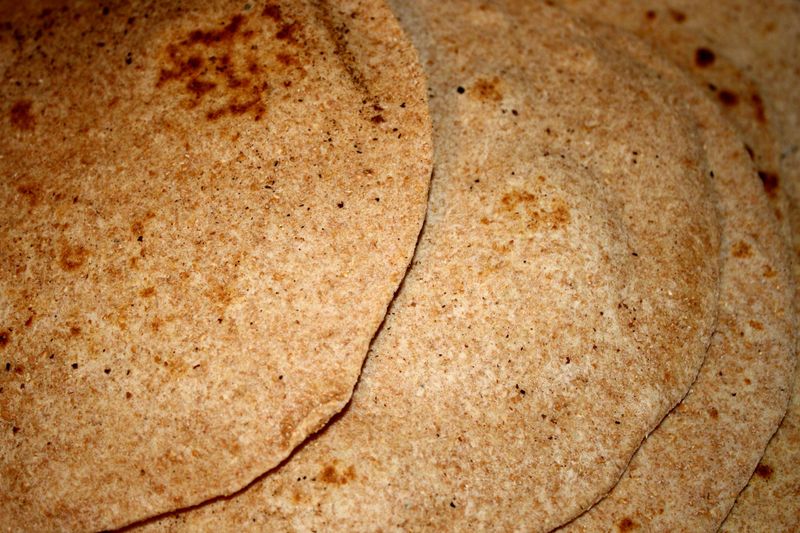
Fresh tortillas taste nothing like the rubbery ones that come in plastic packages.
Whether you prefer flour or corn, making them from scratch takes only a few basic ingredients and about thirty minutes.
Flour tortillas need just flour, fat, salt, and warm water mixed into a soft dough.
Corn tortillas require masa harina and water pressed flat in a tortilla press or with a heavy skillet.
Cook each one quickly on a hot griddle until they puff up and develop those characteristic brown spots.
The aroma alone will convince you never to buy store-bought again.
They’re perfect for tacos, burritos, quesadillas, or wraps.
10. Butter
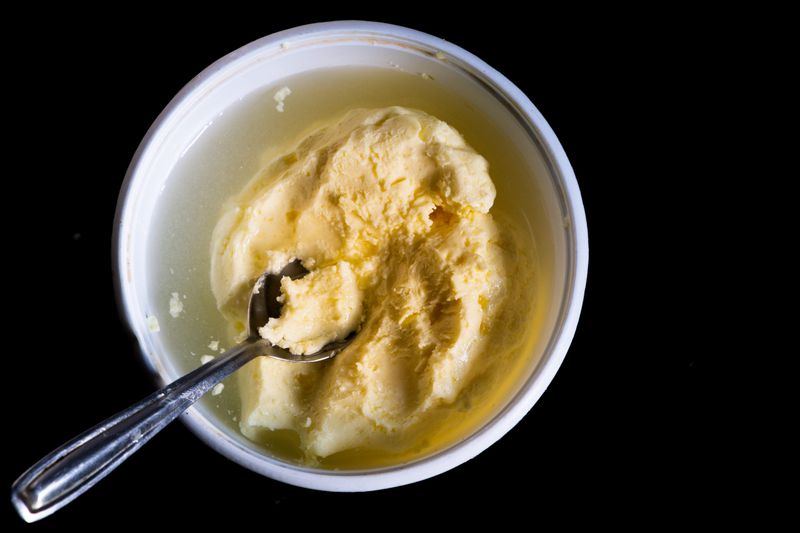
Believe it or not, butter is just cream that’s been shaken or whipped until the fat separates from the liquid.
Pour heavy cream into a jar, add a pinch of salt if you want salted butter, and shake vigorously for about ten minutes.
Your arms will get tired, but it’s worth it.
Eventually, the cream will thicken, then suddenly break into butter solids and buttermilk.
Drain off the liquid and rinse the butter under cold water while kneading out any remaining buttermilk.
What you’re left with is fresh, creamy butter that tastes richer than anything from the supermarket.
Spread it on warm bread and prepare to be amazed.