 MomSkoop
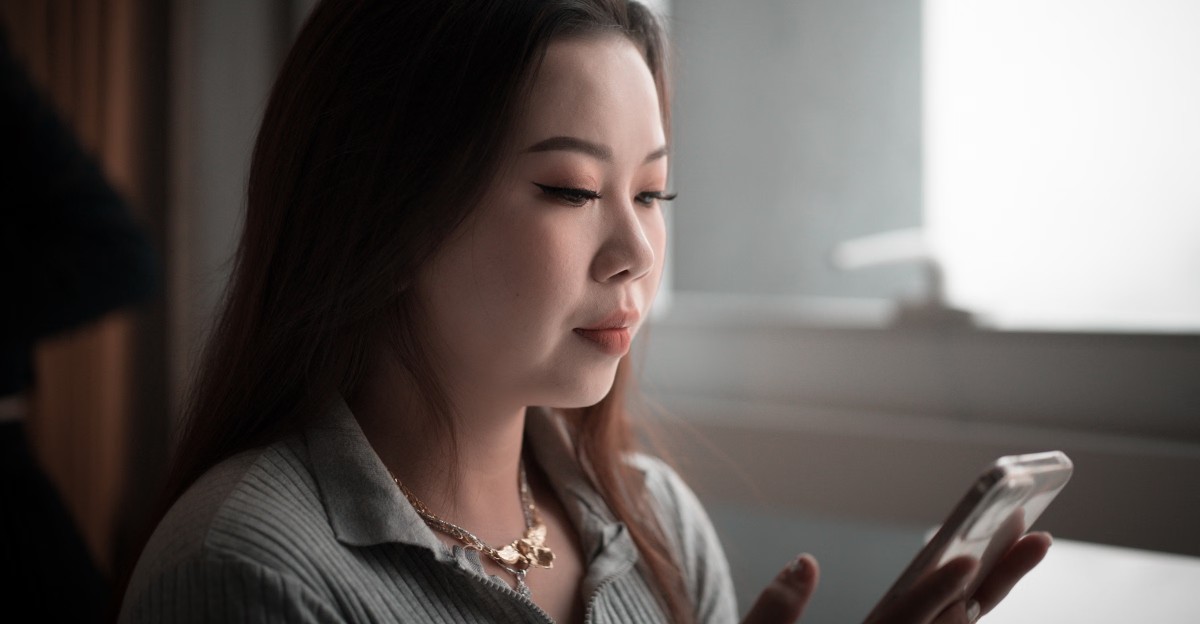
Words can say a lot about how a person feels inside. Many women use certain everyday phrases without realizing they come from a place of self-doubt.
Spotting these phrases can help us listen better, support the people we love, and be kinder to ourselves. Let’s look at ten common ones and what may be hiding behind them.
1. I’m not good enough

Few sentences carry as much weight as this one.
It often shows up after a tough day at work, a harsh comment, or a moment of falling short of a goal.
Behind it is usually a very high standard that no one could meet.
Many women learn early to measure their worth by grades, looks, or praise from others.
Over time, that habit can turn into a quiet voice that always says more is needed.
A helpful step is to write down three things you did well today, even tiny ones.
If a friend says this phrase, remind her of her strengths and avoid rushing to fix things.
Simply being heard can ease the pressure a lot.
2. I wish I looked more like her

Picture scrolling through your phone late at night and stopping on a stunning photo.
Suddenly your own face feels ordinary.
That small moment of wishing is something countless women know well.
Social media shows polished snapshots, not real life.
Filters, lighting, and careful posing can change a picture a great deal, yet our brains still treat it as the truth.
Try following accounts that show real people and everyday moments.
It also helps to name what you like about yourself, such as your smile or your laugh.
When a friend says this, a sincere compliment about something specific can mean more than you might expect.
3. What if people don’t like me?

“What if I walk in and nobody wants to talk to me?” Thoughts like this can make a simple invitation feel like a big test.
The question sounds small, but it can keep someone from joining new groups or sharing ideas.
Wanting to be liked is human.
We are social creatures, and belonging once meant safety.
The trouble starts when worry about approval grows louder than our own wishes.
One trick is to shift focus outward.
Ask someone a question about themselves and listen closely.
Remember too that no one is liked by everybody, and that is perfectly fine.
The right people tend to appreciate the real you.
4. I always feel like I’m being judged

Ever felt like a spotlight was following you into a room?
Psychologists call this the spotlight effect, and it is real.
We tend to believe others notice our flaws far more than they truly do.
For women who feel insecure, that spotlight can feel extra bright.
A comment about clothes, parenting, or career choices may replay in the mind for days.
Remind yourself that most people are busy worrying about their own lives.
When you catch the thought, pause and ask what evidence you actually have.
Often there is none.
Practicing this gentle check can slowly turn the volume down on that inner critic.
5. I don’t feel attractive enough
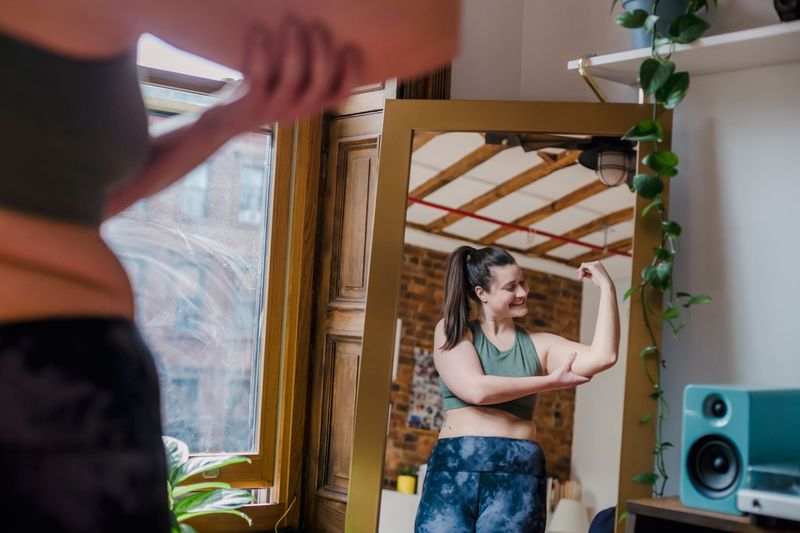
Beauty ads have told women for decades what “pretty” should look like.
No wonder so many feel they miss the mark.
This phrase often hides a deeper wish to feel valued and wanted.
Attraction is far more than looks.
Warmth, humor, kindness, and confidence shape how people see each other, and these qualities shine in any body.
Try dressing in ways that make you feel comfortable rather than chasing trends.
Moving your body for joy, not punishment, can lift your mood too.
If someone you love says this, avoid arguing with her feelings.
Tell her what you truly admire about her instead.
6. I’m afraid I’ll disappoint everyone

“If I say no, they’ll be upset.” Sound familiar?
Women are often raised to be helpers and peacemakers, so letting others down can feel like a personal failure.
This fear can lead to saying yes to everything.
Soon the calendar is packed, rest disappears, and resentment creeps in.
Ironically, that can make it harder to show up well for anyone.
Start small by pausing before answering a request.
Saying “Let me check and get back to you” buys valuable time.
Remember that people usually handle a polite no better than we expect.
Your worth does not come from how much you give away.
7. Why would someone choose me?

Here is a question that can sneak into dating, job interviews, and even friendships.
It sounds like curiosity, but it often carries a belief that others are simply better options.
Such doubt can push people away.
A woman might hold back her feelings, skip applying for a role, or assume a compliment is not sincere.
Flip the question around.
What do you bring that is special?
Maybe you listen well, make people laugh, or stay loyal in hard times.
Make a list and keep it handy.
Being chosen is not a prize to win.
It is a match between two people who value each other.
8. I constantly compare myself to other women
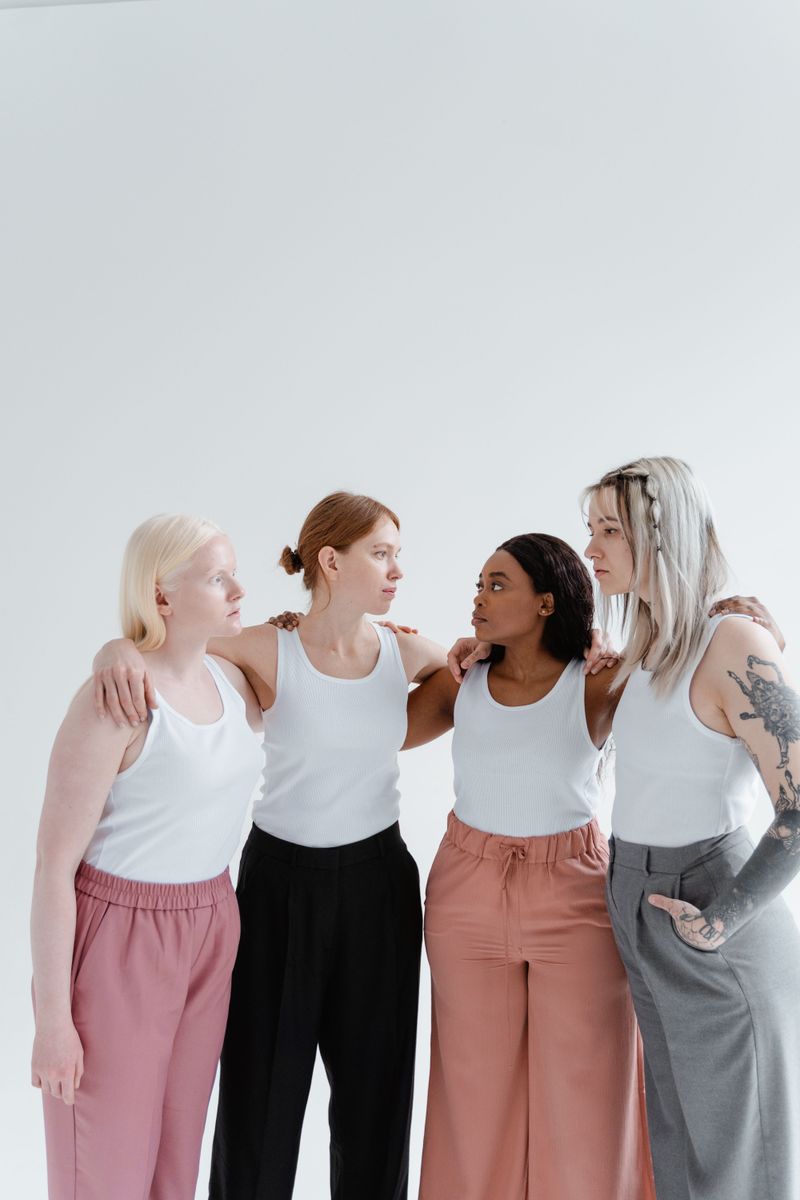
She has a nicer home, a faster career climb, a slimmer figure.
The list never ends because there will always be someone ahead in one area or another.
Try switching from comparison to curiosity.
Instead of thinking “I’m behind,” ask “What can I learn from her?” Celebrating another woman’s win can actually boost your own mood.
Also, limit the times and places that trigger the habit, like certain apps.
Your path has its own pace, and that is okay.
9. I need reassurance that everything is okay
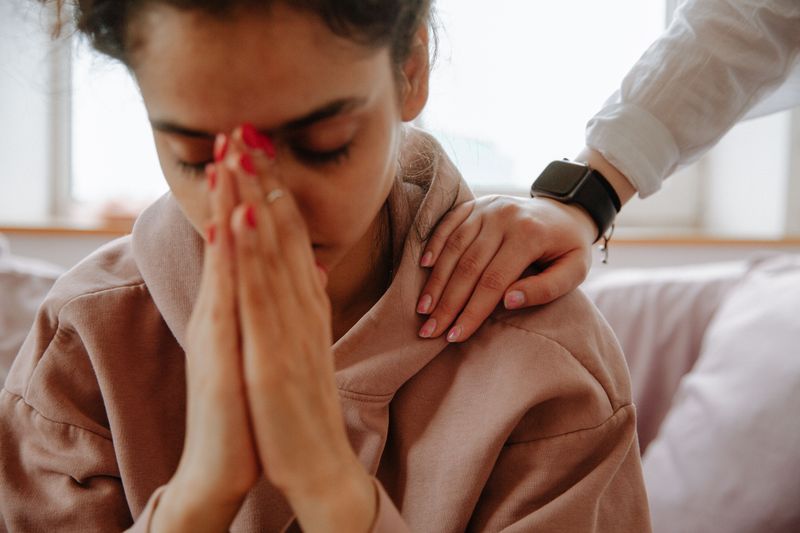
“Are you sure you’re not mad at me?” Asking again and again can wear on both people in a relationship.
Yet the woman asking is rarely trying to annoy.
She is trying to calm a racing mind.
Reassurance gives a short burst of relief, but the worry often returns.
That cycle can feel exhausting for everyone involved.
Partners and friends can help by answering warmly and clearly, while gently encouraging other coping tools.
For the one who needs comfort, deep breathing, journaling, or a quick walk can ease the urge to ask.
Building trust takes time, and a counselor can offer extra support if the worry feels heavy.
10. I’m scared of being rejected or replaced

Few fears sting like the thought of being swapped out.
It may show up after a breakup, a friend making new friends, or a coworker getting more attention.
Often this fear grows from past hurts.
If someone left before, the mind tries to protect you by expecting it to happen again.
Healing starts with noticing the pattern and speaking about it kindly.
Telling a trusted person “I get nervous when plans change” opens the door to understanding.
Building your own interests and friendships also helps you feel steady.
When your life has many strong roots, one wobble feels far less scary.