 MomSkoop

Shopping habits have changed a lot over the past few decades, and millennials are leading the charge. From skipping cable TV to rethinking diamond rings, this generation makes purchasing decisions in ways that often surprise older shoppers.
Whether it’s technology, lifestyle changes, or tighter budgets, millennials have found smarter, simpler, or more affordable alternatives to products their parents considered must-haves. Here’s a look at ten everyday items that millennials are buying very differently — or not at all.
1. Diamonds

Not all that glitters is a mined diamond anymore.
Millennials have become the generation that asked, “Wait, why exactly does this have to cost three months’ salary?” Lab-grown diamonds offer the same sparkle, hardness, and chemical makeup as mined stones — but at a fraction of the price.
Ethical concerns also play a big role.
Stories about conflict diamonds and environmental damage from mining have pushed many young buyers toward more responsible alternatives.
Moissanite and sapphires have also grown in popularity as engagement stone options.
The shift isn’t about loving romance less — it’s about spending smarter.
Many millennials would rather put that extra money toward a home down payment or a honeymoon trip.
2. Fabric Softener
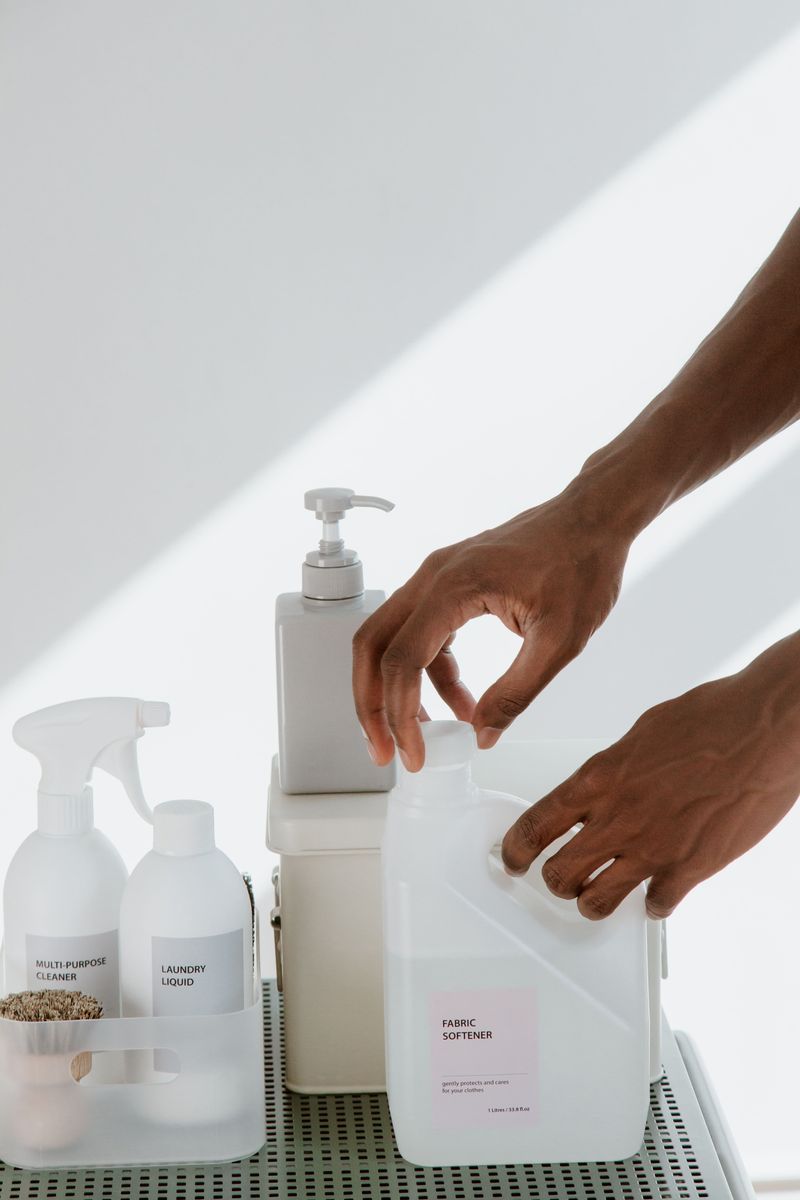
Fabric softener used to be a laundry staple, but millennials are quietly leaving it on the store shelf.
Many have switched to simpler laundry routines that skip the extra step entirely — and honestly, most people can’t tell the difference.
Health and ingredient concerns have also played a role.
Fabric softeners often contain synthetic fragrances and chemicals that can irritate sensitive skin or trigger allergies.
With more awareness about what goes into household products, shoppers are reading labels more carefully than ever.
Wool dryer balls have become a popular natural swap, softening clothes without any chemical residue.
They’re reusable, affordable, and do the job just as well.
Sometimes less really is more when it comes to laundry day.
3. Bar Soap
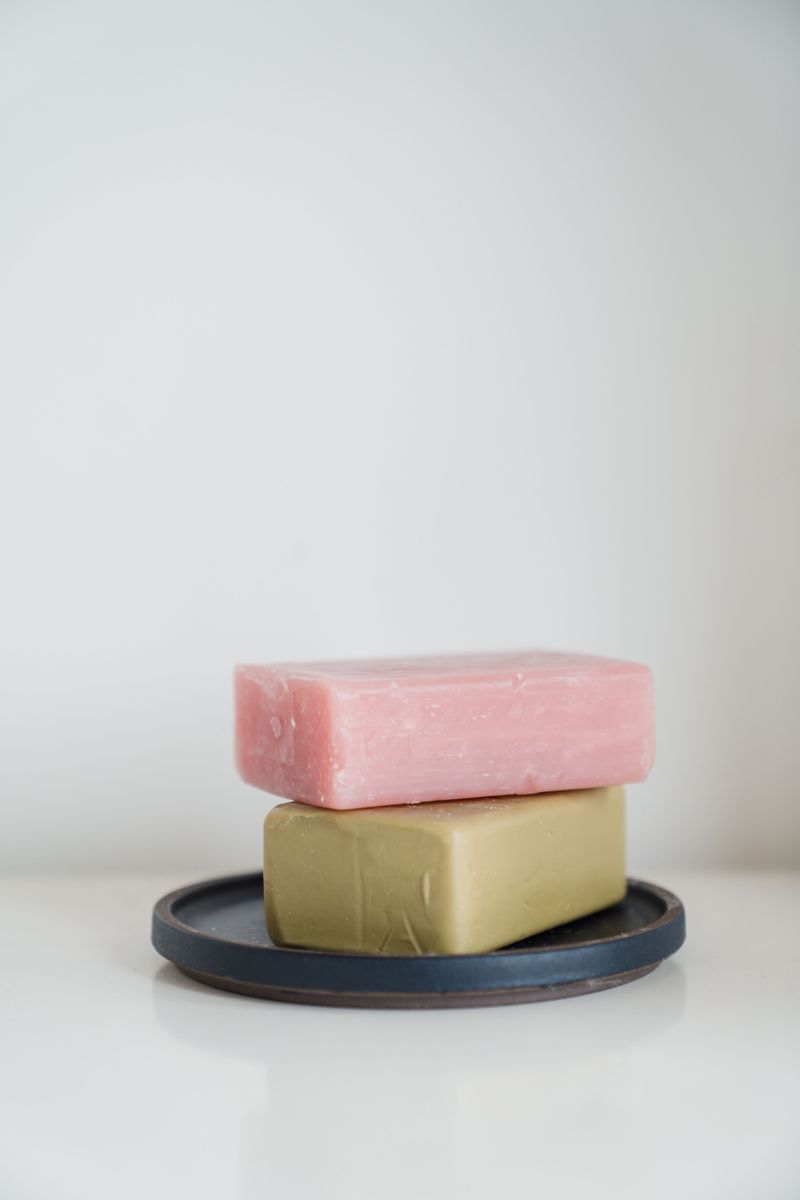
Bar soap was once the undisputed king of the bathroom sink, but body wash and liquid soap have largely taken its throne.
Walk through any millennial’s shower and you’re far more likely to find colorful bottles of gel cleanser than a plain bar sitting in a dish.
The appeal of liquid soap goes beyond just preference.
Body washes often come with moisturizing ingredients, appealing scents, and packaging that feels more modern.
Bar soap, by contrast, can feel old-fashioned — and that soggy, crumbly mess it leaves behind doesn’t help its case.
Interestingly, some eco-conscious millennials are actually circling back to bar soap to cut down on plastic packaging.
So the story isn’t completely over for the humble bar.
4. Cable-TV Packages
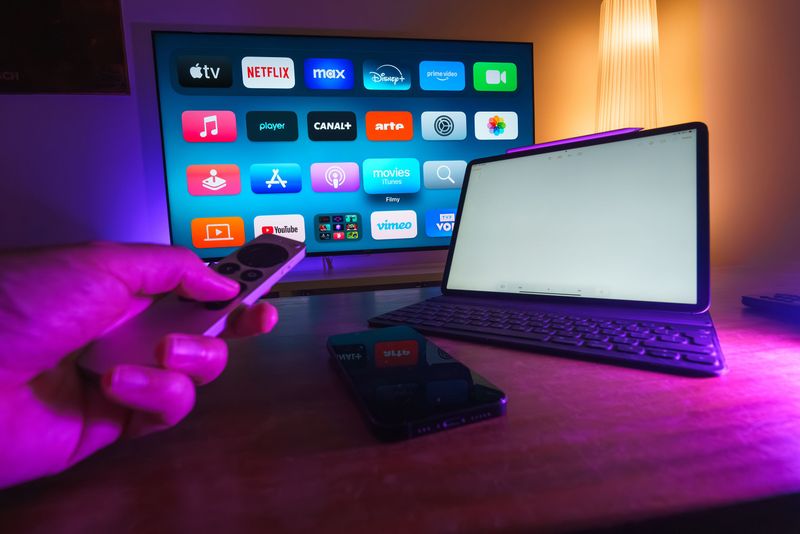
Paying over $100 a month for hundreds of channels you never watch?
Millennials largely said no thanks.
Streaming services like Netflix, Hulu, and Disney+ offer on-demand content at a much lower monthly cost, and you only pay for what you actually want to watch.
The flexibility factor is huge.
Streaming lets you watch what you want, when you want, without being tied to a schedule.
No more rushing home to catch a show or setting up a DVR — everything waits for you.
Cable companies have struggled to keep up with this shift.
Many millennials have never even set up a cable subscription as adults, having grown up watching YouTube and streaming from the start.
The cord has officially been cut.
5. Print Newspapers

There was a time when the morning newspaper landing on your doorstep was the highlight of the day.
For millennials, that ritual has been replaced by a quick scroll through a news app before the coffee even finishes brewing.
Digital news is instant, free (or nearly free), and accessible anywhere.
Social media platforms like Twitter and Reddit often break stories before traditional newspapers even go to print.
Why wait until morning when you can read about something the moment it happens?
Print newspaper subscriptions have been declining for years, and millennials are a big reason why.
That said, some do subscribe to digital versions of trusted outlets, showing they still value quality journalism — just delivered in a format that fits their lifestyle.
6. Traditional Alarm Clocks

Alarm clocks had one job — wake you up — and now your phone does it better.
Most millennials use their smartphone as their alarm, their calendar, their weather check, and their first social media scroll all within the first five minutes of waking up.
Standalone alarm clocks have become a redundant gadget for a generation that already carries a supercomputer in their pocket.
Why buy a separate device when your phone handles it for free?
Even waking up to music or a specific playlist is built right in.
Some sleep experts do suggest keeping phones out of the bedroom for better rest, which has sparked a small comeback for simple analog clocks.
But for most millennials, the phone alarm isn’t going anywhere anytime soon.
7. Fine China Sets

Fine china used to be a wedding registry essential — those delicate, flower-rimmed plates stored safely in a cabinet and brought out maybe twice a year.
Millennials, however, are largely skipping this tradition without looking back.
Smaller living spaces are part of the reason.
Apartments and condos simply don’t have the storage room for a 12-piece formal dinnerware set.
Casual dining culture has also shifted expectations — most millennial gatherings are relaxed, not formal sit-down affairs requiring heirloom porcelain.
Everyday ceramic sets from brands like Crate and Barrel or IKEA look great, hold up well, and don’t require special care instructions.
When everything goes in the dishwasher, life gets a whole lot simpler.
Fine china, for many, is a beautiful relic of a different era.
8. Standalone GPS Devices
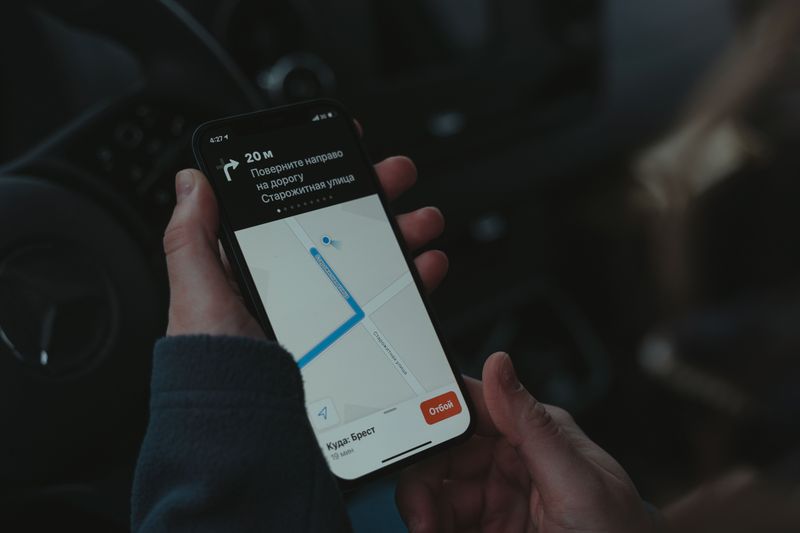
Remember paying $200 or more for a GPS device that needed constant map updates and still managed to send you the wrong way?
Millennials barely do, because Google Maps and Apple Maps showed up and made the whole product category nearly obsolete overnight.
Free smartphone navigation is updated in real time, accounts for traffic, suggests alternate routes, and even tells you where to grab coffee along the way.
No extra device, no update fees, no suction cup leaving a mark on your windshield.
Standalone GPS units still have fans among hikers and off-road adventurers where cell service is spotty.
But for everyday driving, the smartphone has completely taken over the dashboard.
Garmin and TomTom have had to seriously rethink their business models because of it.
9. New Cars

Buying a brand-new car off the lot used to feel like a rite of passage into adulthood.
For millennials, it often feels more like a financial trap.
New vehicles are more expensive than ever, and when you factor in insurance, maintenance, and loan interest rates, the costs add up fast.
Urban living has also changed the equation.
When you live in a city with solid public transportation, rideshare apps, and bike lanes, owning a car can feel more like a burden than a benefit.
Why make monthly payments on something that mostly just sits and depreciates?
Many millennials who do want a car are turning to used or certified pre-owned vehicles instead.
They get reliable transportation at a lower price — and skip the gut-punch of instant depreciation the moment a new car leaves the lot.
10. Single-Family Starter Homes
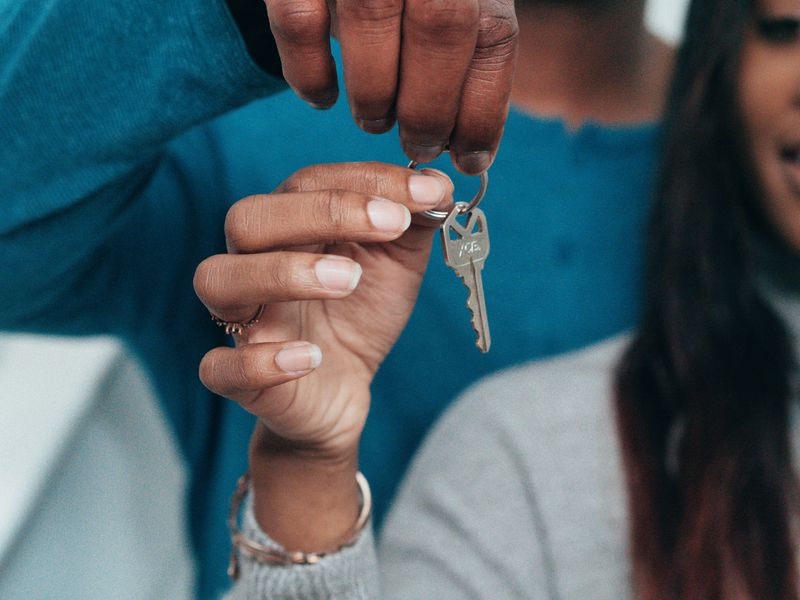
For previous generations, buying a starter home in your mid-twenties felt like the natural next step after landing a steady job.
Millennials have found that path a lot rockier, thanks to skyrocketing home prices, student loan debt, and down payment requirements that seem to grow faster than their savings accounts.
The housing market in many cities has priced out first-time buyers almost entirely.
A modest home in a decent neighborhood can easily cost half a million dollars or more, making the traditional starter home feel more like a fantasy than a milestone.
Some millennials are skipping the starter home altogether and renting longer, moving to lower-cost cities, or waiting until they can afford something more permanent.
The American Dream of homeownership hasn’t disappeared — it’s just been seriously delayed and reshaped.