 MomSkoop

Actress Audrey Hepburn spent her final years as a UNICEF Goodwill Ambassador, traveling to places like Ethiopia and Somalia. Many people now remember that work as clearly as her famous roles in Roman Holiday and Breakfast at Tiffany’s. Her legacy grew bigger after her movie career slowed down. Her kindness, humor, and steady purpose stayed in people’s minds long after the red carpets faded.
That same idea shows up in ordinary life, too. The aunt who tells the best stories or the neighbor who always remembers your birthday tends to stick with you for decades. Those qualities are not reserved for movie stars, and most of them can be practiced starting today.
1. Kindness That Shows Up

A casserole on a doorstep after a rough week can be remembered for twenty years.
Kindness tends to live in small, practical moments like that, not in big speeches.
The women people talk about fondly usually did something useful when it counted.
They drove someone to an appointment, mailed a note, or simply listened without checking their phone.
You don’t need a big budget or tons of free time to practice this.
A two-minute text asking how a job interview went can mean more than an expensive gift.
Try keeping a short list of people going through something hard right now.
Check in with one of them each week, even if it’s just a funny photo or a quick question.
Kindness also includes how you treat people who can’t do anything for you.
Servers, cashiers, and customer service workers notice who stays polite on a stressful day.
There’s a practical bonus here, too.
People who feel cared for are more likely to keep you in their lives, and that circle of friends gets richer over time.
Looks change with the years, but the memory of someone who showed up for you tends to stay sharp.
That’s a pretty good trade.
2. A Sense of Humor

Humor sticks because it makes people feel lighter around you.
A woman who can laugh at a burnt dinner or a wrong turn makes ordinary days more fun.
Being funny doesn’t mean you need a stand-up routine.
Noticing the silly side of life is often enough, like the dog who steals socks or the printer that only jams on deadline day.
The best humor tends to punch up or laugh at yourself, not at others.
Teasing that hurts people usually gets remembered, but not in the way you’d hope.
If you want to build this skill, pay attention to what makes you laugh.
Funny books, sitcoms, and comedians can sharpen your sense of timing without any pressure.
Sharing a laugh also eases tension during hard conversations.
A gentle joke can remind everyone they’re on the same team.
Wrinkles from laughing are proof of a good time.
Plenty of people would happily collect a few more of those.
3. Curiosity About Life

Grandma Moses started painting seriously in her late 70s.
Her folk art scenes of farm life later hung in museums and appeared on greeting cards across the country.
Her story proves curiosity doesn’t come with an expiration date.
A woman who keeps asking questions stays interesting because she keeps finding new things to talk about.
Curious people tend to make great company at dinner.
They ask about your trip, your new hobby, or the strange podcast you mentioned, and they actually want the answer.
You can feed curiosity in cheap and easy ways.
Library cards are free, many museums offer discount days, and online classes cover everything from bird calls to bread baking.
Try picking one new topic each season.
Learn the basics of gardening in spring, star patterns in summer, or a few phrases in Italian before a trip you may or may not take.
Curiosity also helps in tough moments.
Asking why someone feels a certain way opens doors that arguing tends to slam shut.
A woman who keeps learning never runs out of stories.
People will keep asking what she’s up to next.
4. Quiet Confidence

Walking into a room without needing applause is a rare skill.
Quiet confidence means you know your worth without asking everyone else to confirm it.
It looks different from loud bragging.
A confident woman can say no politely, admit she doesn’t know something, and still feel steady.
This kind of self-assurance often grows with practice.
Each time you handle a hard task or speak up in a meeting, you collect a little proof that you can manage.
A simple habit can help here.
Write down three things you handled well at the end of each week, even small wins like fixing a leaky faucet.
Confidence also shows in how you treat compliments.
Saying a simple thank you, instead of arguing that your sweater is old, is a small but powerful change.
People tend to relax around someone who isn’t constantly competing.
You make space for others to shine because their success doesn’t threaten yours.
Trends in clothing and makeup come and go every few years.
A steady sense of self, on the other hand, keeps showing up dressed for the occasion, no matter what’s in style.
5. Being a Good Listener
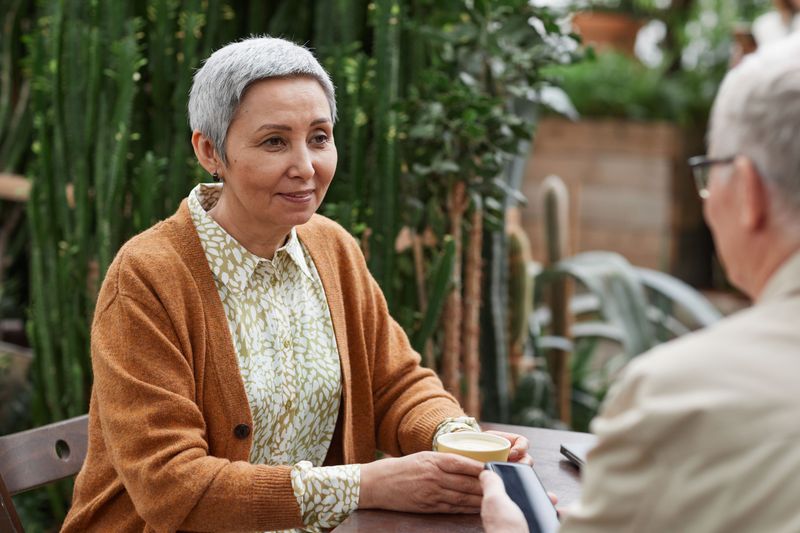
Most people can name someone who made them feel truly heard.
Odds are that person didn’t interrupt, didn’t rush, and didn’t turn the story back to herself.
Listening sounds easy, but it takes real effort.
Your brain wants to plan a reply while the other person is still talking.
A few simple habits make a big difference.
Put your phone face down, make eye contact, and ask one follow-up question before sharing your own story.
Repeating back what you heard can help, too.
Saying something like, so your boss changed the deadline again, shows you were paying attention.
Good listeners also know when advice isn’t wanted.
Sometimes a friend just needs to vent about traffic or a family argument without receiving a five-step plan.
You can always ask what kind of support someone wants.
Do you want ideas, or do you just need to get this off your chest?
People remember how a conversation made them feel long after they forget the details.
A woman who listens well becomes the first call when someone has big news, good or bad.
That’s a compliment no mirror can give.
6. Resilience Through Hard Times

Maya Angelou faced painful hardships as a child, including years when she barely spoke.
She went on to write I Know Why the Caged Bird Sings and read a poem at Bill Clinton’s 1993 inauguration.
Her life shows how resilience can turn struggle into strength.
Bouncing back doesn’t mean pretending things don’t hurt.
Resilient women often let themselves feel sad, frustrated, or tired.
Then, when they’re ready, they look for the next small step forward.
That step might be calling a friend, making a doctor’s appointment, or simply getting enough rest.
Big comebacks are usually built from tiny, boring actions repeated many times.
Asking for help is part of resilience, too.
Leaning on friends, family, or a counselor isn’t weakness; it’s smart planning.
You can practice in small ways before life throws a big curveball.
Try something you might fail at, like a pottery class, and notice that you survive the lopsided bowl.
Other people draw courage from watching someone keep going.
Your story of getting back up might be exactly what a younger friend needs to hear someday.
That kind of example lasts for generations.
7. Generosity With Her Time

Hours are the one thing nobody can make more of.
That’s exactly why giving them away means so much.
A woman who coaches the neighborhood soccer team or teaches a friend to sew leaves a mark money can’t buy.
Those afternoons become memories that people carry for years.
Generosity with time doesn’t require a huge commitment.
Even one hour a month at a food bank, animal shelter, or library can make a real difference.
Schedules and energy levels vary a lot, so choose something that fits your life.
Busy parents might bake for a school event, while retirees might mentor a new employee in their old field.
Sharing skills counts, too.
Helping a teenager write a résumé or showing a new neighbor the best grocery store is a gift.
Be careful not to stretch yourself too thin, though.
Saying yes to everything can leave you worn out and cranky, which helps nobody.
The goal is steady, honest giving you can actually keep up.
Over time, those hours add up to a reputation as someone people can count on, and that reputation outlasts almost any trend.
8. Honesty With Grace
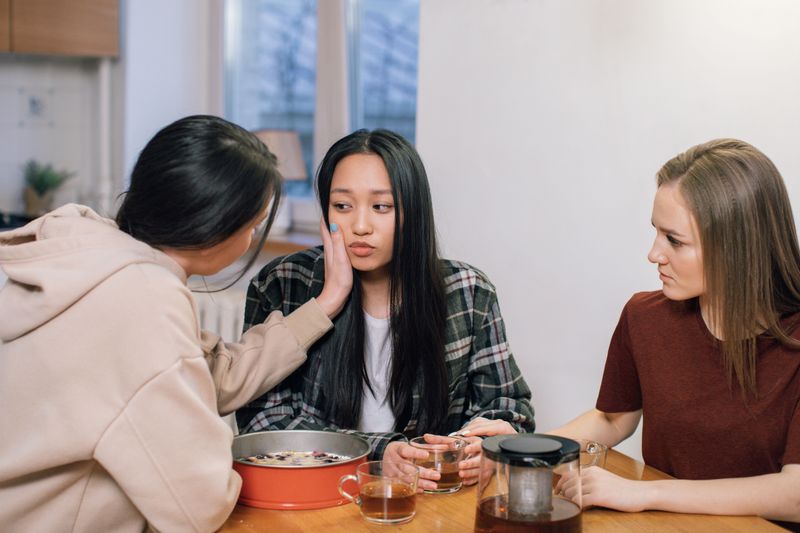
Spinach in your teeth before a big meeting is a true test of friendship.
The friend who quietly tells you is worth her weight in gold.
Honesty builds trust, but delivery matters just as much as the message.
Blunt truths tossed out carelessly can sting more than they help.
Women remembered for honesty often mix truth with tact.
They might say, I think the blue dress suits you better, instead of, that one looks terrible.
Timing plays a role, too.
Sharing feedback privately, and when the person can actually use it, shows respect.
Honesty also means owning your mistakes.
Saying I was wrong, I’m sorry, without a long list of excuses earns more respect than a perfect track record ever could.
Keeping promises is another quiet form of truth-telling.
If you say you’ll call back, call back.
People tend to relax around someone whose words match her actions.
They don’t have to guess what she really thinks or wonder if she’ll follow through.
That reliability becomes a kind of anchor in friendships.
Years later, people still seek out the woman who told them the truth kindly.
9. Passion and Purpose

Passion makes people interesting because it gives them energy.
When someone lights up talking about birds, quilting, or jazz, you can’t help leaning in.
Purpose doesn’t have to be grand or world-changing.
Raising tomatoes, running a book club, or caring for rescue cats all count.
If you’re not sure what excites you, think back to what you loved at age ten.
Childhood interests often point toward hobbies that still fit today.
Give a new interest at least a few weeks before deciding it’s not for you.
Most skills feel awkward at first, and that’s perfectly normal.
A woman with something she cares about always has stories to share.
Her enthusiasm can nudge friends to chase their own passions, too.
That ripple effect keeps going long after the first spark.
10. Making Others Feel Welcome

Walking into a party where you only know the host can feel awkward.
Then someone introduces you around, and suddenly the night gets easier.
Women who make others feel welcome are often the reason gatherings feel friendly.
They notice the person standing alone near the snack table.
Hospitality isn’t about fancy dinners or a spotless house.
Store-bought cookies and a sincere hello can work just as well as a five-course meal.
Small habits help a lot here.
Learn names and use them, introduce people with a fun detail, and ask newcomers easy questions about themselves.
Welcoming people also means making space for different backgrounds and opinions.
Asking someone about their traditions or favorite foods can turn strangers into friends.
At work, this might look like showing a new coworker where the good coffee is.
In the neighborhood, it could be dropping off a note when someone moves in.
People rarely forget who made them feel like they belonged.
That memory tends to outlast any outfit, hairstyle, or perfectly decorated room.
Open doors and open hearts keep friendships growing.
Over the years, the welcome you give often finds its way back to you.