 MomSkoop

Marriage used to be the automatic next step after finishing school or landing a job.
But today, millions of Americans are waiting longer to walk down the aisle — or skipping it entirely.
The reasons are not simple, and they are not just about love.
From money worries to shifting values, the way people think about marriage has changed in some pretty big ways.
1. Marriage Shifted From a Starting Point to a Final Step

Back in the day, getting married was how you started your adult life.
Now?
People want to have their careers figured out, their savings built up, and their identity sorted before they say “I do.”
Marriage has become more of a reward than a starting point.
Many Americans feel they need to “earn” it by reaching certain milestones first.
A Pew Research study found the average age of first marriage has risen to around 30 for men and 28 for women.
That shift is not about fear — it is about wanting to bring your best self to the relationship.
2. Financial Reality Makes Commitment Feel Risky

Student loans, sky-high rent, and shaky job markets have turned marriage into a high-stakes financial move.
When two people legally join their lives, they also join their debt — and that is a scary thought for many young Americans.
A 2023 survey found that nearly 60% of millennials cited financial stress as a major reason for delaying marriage.
Housing costs alone have priced many couples out of the “stable enough to marry” zone.
Ironically, the very stability that marriage was supposed to provide now feels like something you need before you can afford to get married in the first place.
3. Independence Is No Longer Something People Are Willing to Sacrifice

Older generations were often taught that partnership meant compromise — sometimes at the cost of your own dreams.
Modern Americans, especially millennials and Gen Z, are pushing back hard on that idea.
Personal growth, solo travel, and career ambition are not just hobbies anymore — they are core parts of identity.
Many people worry that marriage might slow them down or force them into a box they did not agree to.
Choosing yourself is no longer seen as selfish.
For many, building a strong, independent life first is the most responsible thing they can do before committing to someone else.
4. Living Together Took Away the Urgency to Marry
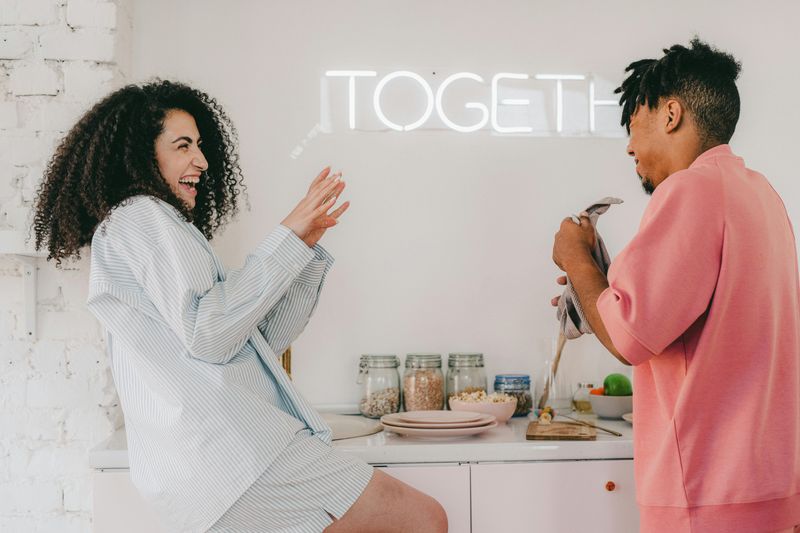
Cohabitation used to be controversial.
Now it is practically the norm.
Couples can share a home, split bills, raise pets, and build a life together — all without a marriage certificate.
About 59% of adults in the U.S. have lived with a partner at some point, according to Pew Research.
For many, it feels like getting all the benefits of marriage without the legal strings attached.
When two people are already functioning like a married couple, the question naturally becomes: why bother making it official?
For a growing number of Americans, the honest answer is simply that they do not need to.
5. Social Pressure to Marry Has Quietly Faded Away

Remember when showing up to a family reunion without a spouse felt like a crime?
That guilt-trip era is fading fast.
Religion, family expectations, and social norms once pushed people toward the altar — but their grip has loosened significantly over the past few decades.
Fewer Americans identify with organized religion, and family structures have become more diverse and accepting.
Being unmarried in your 30s no longer raises eyebrows the way it once did.
When society stops whispering “when are you getting married?” at every holiday dinner, people feel free to make choices that actually fit their lives — not someone else’s expectations.
6. Gender Roles Have Been Completely Rewritten

Marriage once served a very practical purpose: men provided money, women managed the home.
That trade made sense in a world where women had limited economic options.
But that world is long gone.
Women now outnumber men in college enrollment and hold leadership roles across nearly every industry.
Men are increasingly taking on caregiving roles without shame.
When both partners can support themselves financially and emotionally, marriage becomes a choice rather than a necessity.
That is actually a healthy shift.
People are not avoiding marriage because they dislike commitment — they are choosing it for the right reasons when they do commit.
7. The Definition of a Successful Life Has Expanded

A few generations ago, the checklist was simple: graduate, get a job, get married, have kids.
That was the finish line.
Today, the finish line looks completely different for millions of Americans.
Travel, entrepreneurship, creative careers, and personal wellness are now celebrated as meaningful life paths.
Social media has amplified this shift, showing people thriving outside the traditional script every single day.
Marriage is still a beautiful option — but it is just one option among many.
When people no longer feel that skipping it means failing at life, they take the time to figure out what they actually want.
8. Being Single Is More Viable — and Sometimes Preferable

Being single used to mean being lonely.
Not anymore.
Urban living, food delivery apps, social platforms, and thriving friend groups have made solo life genuinely enjoyable for many people.
Studies show that single people often have stronger friendships and broader social networks than their married counterparts.
With community so accessible, the emotional “gap” that marriage once filled is now filled in other ways.
Some people are not avoiding marriage because something is wrong — they are genuinely happy on their own.
And in a culture that finally respects that choice, staying single is not a consolation prize.
It can be a deliberate, fulfilling decision.
9. Growing Up Around Divorce Made People More Cautious
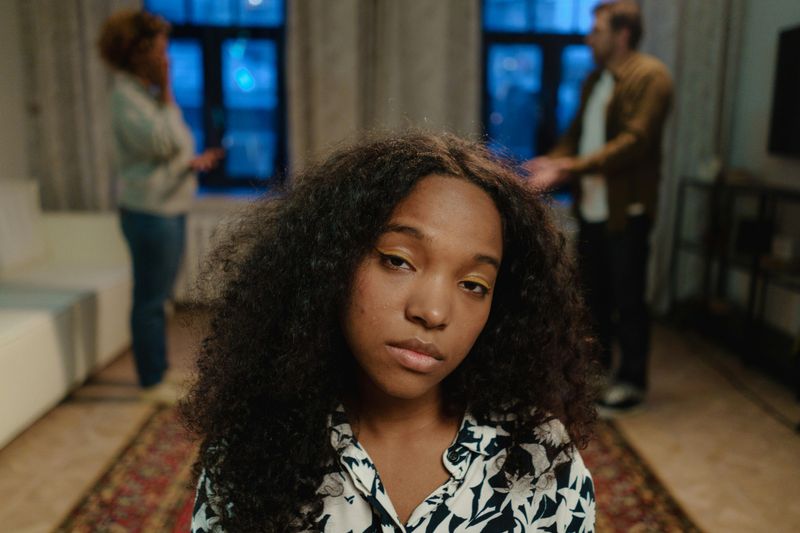
Millions of Americans grew up watching their parents split up, and those memories stuck.
Witnessing the emotional and financial fallout of divorce has made younger generations approach marriage with much more caution — and sometimes, skepticism.
This is not pessimism — it is pattern recognition.
People who experienced divorce in their households are statistically more likely to delay marriage or set higher standards before committing.
They want to be very, very sure.
The silver lining?
When this generation does marry, they tend to communicate better and enter relationships more intentionally.
Caution, in this case, might actually be building stronger marriages in the long run.
10. Marriage Is Being Redefined — Not Rejected

Here is the twist: marriage is not disappearing.
It is evolving.
More couples are crafting marriages that look nothing like their grandparents’ version — and that is by design, not accident.
Prenuptial agreements, non-traditional ceremonies, child-free marriages, and long-distance arrangements are all becoming more common and accepted.
People are building partnerships on their own terms rather than following a template handed down by tradition.
The data backs this up — most Americans still say they want to get married someday.
They just want it to mean something real.
That shift from obligation to intention might be the healthiest thing that has ever happened to marriage.