 MomSkoop

Breaking up is hard enough on its own, but when someone you loved also hurt you, moving on can feel almost impossible. You might expect that the pain they caused would make it easier to walk away, yet many people find themselves stuck, confused, and still emotionally tangled up.
Understanding why this happens is the first step toward healing and giving yourself the compassion you truly deserve.
1. You’re Still Emotionally Attached

Being hurt by someone does not automatically switch off the love you felt for them.
Emotions are not a light switch you can flip whenever it is convenient.
Even after painful experiences, your heart can still hold on to the warmth, care, and connection that once made the relationship feel special.
Attachment forms over months or years of shared moments, inside jokes, and emotional closeness.
That kind of bond does not dissolve overnight just because things ended badly.
Your feelings are not a sign of weakness or poor judgment.
Acknowledging that you still care, even after being hurt, is actually a sign of emotional depth.
Healing begins when you stop judging yourself for the attachment and start gently working through it.
2. You Never Got Real Closure

Some breakups end with a conversation, mutual understanding, and a clear goodbye.
Others end with silence, a betrayal, or an apology that never came.
When you never get a real explanation, your mind fills in the blanks, and that guessing game can last for months.
Unanswered questions have a way of keeping you mentally looped back to the relationship.
You replay conversations, search for hidden meanings, and wonder what you missed.
That mental loop makes it feel like the relationship never truly ended.
Closure does not always come from the other person.
Sometimes you have to create it yourself by accepting that not every question will be answered, and that you can still move forward without a final explanation.
3. You’re Grieving a Future That Never Happened

Sometimes the hardest part of a breakup is not missing who your ex actually was, but mourning the future you had imagined together.
You had plans, maybe even dreams, built around a version of the relationship that felt full of promise.
When that future disappears, it can feel like a loss just as real as losing the person themselves.
You might grieve the wedding that will not happen, the trips you planned, or the life you had pictured so clearly in your mind.
Recognizing this kind of grief is important because it helps you understand what you are truly mourning.
Once you name it, you can begin to rebuild new hopes and imagine a future that belongs entirely to you.
4. Good Memories Keep Playing on Repeat

The human brain has a funny habit of protecting itself by softening painful memories while keeping the happy ones vivid and sharp.
After a breakup, your mind might replay the laughs, the warmth, and the best moments, while temporarily pushing the hurtful parts into the background.
This is not dishonesty on your part.
It is simply how memory works under emotional stress.
Those good moments were real, and they mattered, which is exactly why they are so hard to let go of.
A helpful strategy is to practice what some call a realistic memory review, gently reminding yourself of the full picture.
The good times existed, but so did the pain.
Holding both truths at once helps you see the relationship more clearly and move forward with better perspective.
5. The Rejection Damaged Your Self-Worth
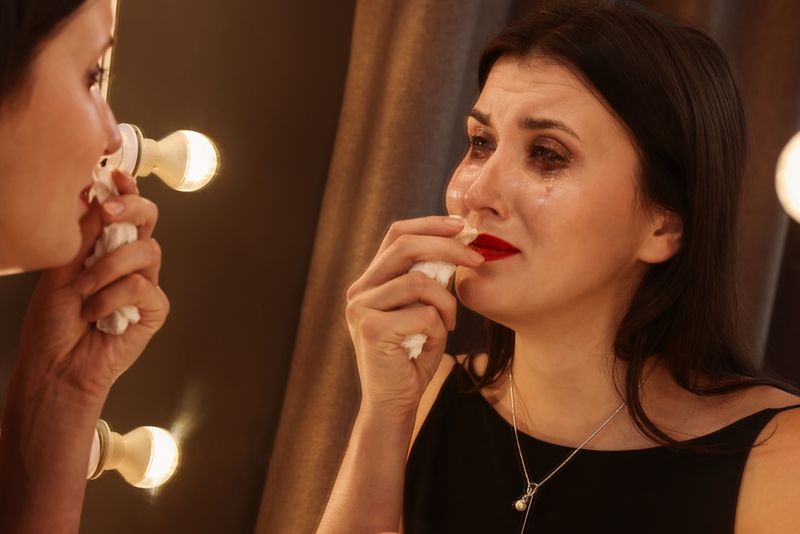
Being cheated on, abandoned, or replaced can leave a mark that goes far deeper than heartbreak.
It can quietly convince you that you were not good enough, not lovable enough, or somehow responsible for what happened.
That kind of internal story is incredibly painful to carry.
Here is the truth: another person’s harmful choices say nothing accurate about your value.
Someone else’s inability to treat you well is a reflection of their own issues, not a measurement of your worth.
Still, knowing this in your head and truly believing it in your heart are two very different things.
Rebuilding self-worth after rejection takes time and intentional effort.
Surrounding yourself with supportive people, practicing self-compassion, and challenging negative thoughts are all practical steps toward remembering who you were before the hurt began.
6. Part of You Still Wants an Apology

Wanting the person who hurt you to acknowledge what they did is a completely natural response.
You are not being petty or dramatic.
You simply want to feel seen, validated, and respected enough to receive an honest apology for the pain you experienced.
That desire for acknowledgment can keep you emotionally connected to someone long after the relationship has ended.
Part of your brain stays on alert, waiting for the moment they finally understand the damage they caused.
That waiting can quietly prevent healing.
The hard truth is that some people never apologize, and waiting for that moment can cost you years of your own peace.
Working with a therapist or trusted friend to process that unmet need can help you find a sense of resolution that does not depend on anyone else.
7. The Relationship Had an Unhealthy Attachment Cycle

Some relationships follow a painful pattern: affection, then conflict, then reconciliation, then affection again.
This cycle can feel almost addictive, because the relief of making up after a fight produces a powerful emotional rush that keeps drawing you back.
Psychologists sometimes compare this pattern to an intermittent reinforcement schedule, the same mechanism that makes gambling hard to stop.
When kindness and pain alternate unpredictably, your nervous system learns to crave the next moment of connection.
That craving does not disappear just because the relationship ends.
Recognizing that the cycle itself was the hook, rather than the actual person, can be genuinely freeing.
Breaking free often requires professional support, patience with yourself, and a commitment to understanding what healthy, consistent love actually looks and feels like.
8. You Miss the Familiarity More Than You Realize

Humans are creatures of comfort, and relationships become deeply woven into daily routines.
Losing a partner often means losing a morning text, a shared dinner, a familiar voice at the end of a long day.
That kind of everyday familiarity is easy to underestimate until it is suddenly gone.
Even if the relationship was painful, the structure it provided felt known and predictable.
The unfamiliarity of life without that person can feel unsettling, even if the relationship itself was not good for you.
Your brain interprets the discomfort of change as a reason to go back.
Building new routines, no matter how small, can help fill the space left behind.
Gradually, the unfamiliar starts to feel like yours, and what once felt like emptiness begins to feel like freedom.
9. You Keep Replaying What You Could Have Done Differently

“What if I had just said something different?” “What if I had tried harder?” These kinds of thoughts have a sneaky way of keeping you mentally anchored to a relationship that has already ended.
Rumination feels productive, like you are solving something, but it usually just keeps the wound fresh.
This pattern often comes from a desire for control.
If you can find the thing you did wrong, maybe you can fix it, or at least make sense of why things fell apart.
The mind resists accepting that some endings could not have been prevented no matter what you did.
Redirecting these thought spirals takes real practice.
Techniques like journaling, mindfulness, or cognitive behavioral strategies can help you gently interrupt the loop and remind yourself that the past is finished and your energy belongs in the present.
10. Healing Does Not Mean You Stop Caring

A common misconception about moving on is that healing means you will eventually feel nothing.
Many people worry that still missing someone is proof that they have not made any progress.
That belief can make the whole process feel more discouraging than it needs to be.
Real healing is less about erasing feelings and more about changing their power over you.
Over time, thoughts of your ex lose their sharp edge.
Their absence stops dictating your mood, your decisions, and your sense of self.
That shift is what moving on actually looks like in practice.
You can carry a memory, even a bittersweet one, without being controlled by it.
Healing is not forgetting.
It is learning to live fully and joyfully even while the story of that relationship remains a quiet part of who you are.