 MomSkoop

Deeply introspective women possess a rare quality that draws some people in while puzzling others. These women spend time examining their thoughts, feelings, and motivations, which creates a unique depth in how they relate to the world.
While this self-awareness brings wisdom and authenticity, it can also create unexpected challenges in romantic relationships.
1. Emotional Depth Requires Emotional Literacy

Women who spend time reflecting on their inner world develop rich emotional vocabularies.
They can name dozens of feelings beyond just happy, sad, or angry.
When they share these nuanced emotions, they naturally expect their partners to understand and respond with similar depth.
Men who haven’t practiced identifying or expressing complex feelings often feel lost in these conversations.
The gap between her emotional fluency and his limited vocabulary creates frustration on both sides.
He might feel inadequate or overwhelmed, while she feels unheard.
Building emotional literacy takes practice, patience, and willingness to learn a new language of feelings together.
2. Introspection Challenges Surface-Level Interaction

Small talk about weather, sports scores, or weekend plans rarely satisfies someone who thinks deeply.
Introspective women crave conversations that explore ideas, values, and meaningful experiences.
For men accustomed to keeping things light and practical, this constant search for substance feels exhausting.
They might wonder why every chat needs to become a philosophical discussion.
What feels natural to her—questioning, analyzing, finding meaning—can seem like unnecessary work to him.
The mismatch creates tension where he feels pressured and she feels starved for real connection.
Finding balance between lightness and depth requires both partners to step outside their comfort zones occasionally.
3. Self-Awareness Can Feel Confrontational

Introspective women notice patterns, inconsistencies, and unspoken emotions with remarkable clarity.
Their questions often cut straight to the heart of matters others might avoid.
When she asks why he reacted a certain way or points out a contradiction, she’s genuinely curious.
However, men who haven’t examined their own behaviors may hear criticism instead of curiosity.
Her observations can accidentally shine light on issues he’d rather keep hidden, even from himself.
This unintentional exposure triggers defensiveness rather than dialogue.
What she views as healthy exploration, he experiences as uncomfortable confrontation.
Learning to receive questions with openness instead of armor transforms these moments into growth opportunities.
4. Independence Disrupts Traditional Gender Expectations

Many introspective women have done extensive inner work, making them emotionally self-sufficient.
They don’t need someone to complete them or solve their problems.
Instead, they seek partners who can walk alongside them as equals.
Men raised to believe their role involves being the emotional rock or fixer may feel purposeless.
If she doesn’t need rescuing or constant reassurance, what’s his role?
This shift challenges traditional masculine identities built around providing emotional stability.
Her independence isn’t rejection—it’s wholeness.
Adjusting to this dynamic requires redefining partnership as mutual growth rather than one-sided support.
5. Depth Requires Vulnerability

Connecting with someone who lives in emotional depth means showing your own depths too.
Introspective women create spaces where authenticity and openness flourish.
But vulnerability requires removing protective walls many men have built since childhood.
Society teaches boys that emotions equal weakness, so exposing fears or insecurities feels dangerous.
When deep connection becomes inevitable, some men retreat instead of risk that exposure.
The closer she draws them to real intimacy, the stronger their urge to pull away.
This isn’t about unwillingness—it’s about unlearning years of conditioning.
True connection happens when both people dare to be seen completely, imperfections and all.
6. High Standards for Connection

Authenticity matters more than convenience to women who value depth.
They won’t settle for relationships that look good on paper but feel hollow inside.
This selectivity isn’t pickiness—it’s self-respect born from knowing what genuine connection feels like.
Men accustomed to relationships based on compatibility checklists or social expectations may find this approach confusing.
Why does everything need to feel so aligned?
Her standards aren’t arbitrary; they protect the meaningful connections she’s worked hard to understand.
What feels demanding to him represents her commitment to emotional honesty.
Meeting these standards means showing up fully, not just checking boxes.
7. Slower, More Intentional Relationship Pace

Rushing into commitment feels reckless to someone who carefully examines their choices.
Introspective women prefer unfolding relationships layer by layer, observing how connection develops naturally.
Men seeking quick clarity—where is this going, what are we—may find this measured approach frustrating.
They want answers, timelines, and certainty.
She wants authentic development that can’t be forced or rushed.
His impatience clashes with her need for organic growth.
What looks like hesitation is actually wisdom, allowing the relationship to reveal its true nature.
Trusting the process instead of controlling the timeline creates space for something real to emerge.
8. Comfort With Solitude Can Be Misinterpreted

Time alone recharges introspective women rather than drains them.
They enjoy their own company, finding richness in solitary reflection, reading, or creative pursuits.
This self-sufficiency sometimes confuses men who equate constant togetherness with love.
When she needs space, he might interpret it as disinterest or emotional withdrawal.
Her contentment without him can trigger insecurity rather than admiration.
But solitude isn’t rejection—it’s self-care.
She doesn’t need constant validation because she’s secure in herself.
Understanding that her independence strengthens rather than threatens the relationship transforms perceived distance into healthy balance.
9. Growth-Oriented Mindset Can Feel Unsettling
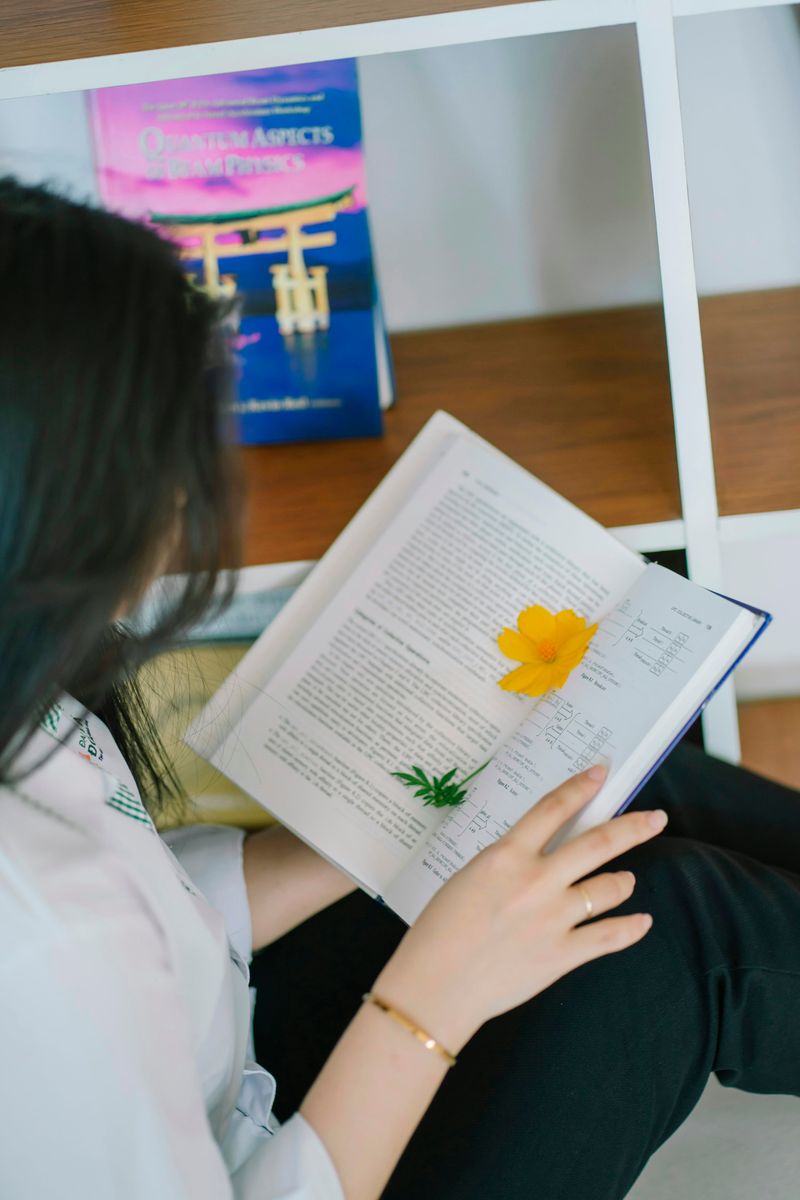
Constant self-examination and improvement drive introspective women forward.
They’re always asking what they can learn, how they can grow, and what needs changing.
This perpetual evolution can unsettle men who prefer stability and predictability.
He might wonder if she’ll ever be satisfied or if he’ll need to keep changing too.
Her enthusiasm for transformation feels like criticism of what currently exists.
But growth doesn’t mean dissatisfaction—it means vitality.
She’s not rejecting the present; she’s embracing potential.
Partners who view growth as shared adventure rather than personal threat discover that evolution together strengthens bonds instead of breaking them.
10. Depth Demands Presence

Being truly present—not just physically there but mentally and emotionally engaged—is non-negotiable for introspective women.
They notice when attention wanders or when someone goes through conversational motions without real investment.
Men who multitask emotionally, staying partially checked out or distracted, cannot connect at this level.
Half-listening while scrolling phones or planning tomorrow won’t cut it.
She needs partners who show up completely, offering undivided attention and genuine engagement.
This requirement challenges men comfortable with emotional unavailability or surface-level participation.
Real connection happens in the quality of presence, not the quantity of time spent together.
11.

undefined