 MomSkoop

Love should feel amazing, right?
Yet for many people, receiving the affection they genuinely desire can trigger unexpected anxiety and discomfort.
Understanding why this happens can help you recognize these feelings in yourself or support someone you care about.
This article explores the surprising reasons why the love we want most can sometimes feel like too much to handle.
1. Fear of Vulnerability

Opening your heart to someone means letting them see the real you, including all the messy parts you usually hide.
When love arrives, it demands honesty and emotional exposure that can feel terrifying.
Many people build protective walls after years of keeping feelings locked away.
Suddenly having someone who wants to know your deepest thoughts can feel like standing naked in front of a crowd.
Your brain interprets this vulnerability as danger, even when your heart knows it’s what you’ve been longing for.
Learning to gradually lower your defenses takes practice and patience.
Start by sharing small truths and notice that the sky doesn’t fall when you do.
2. Past Relationship Wounds
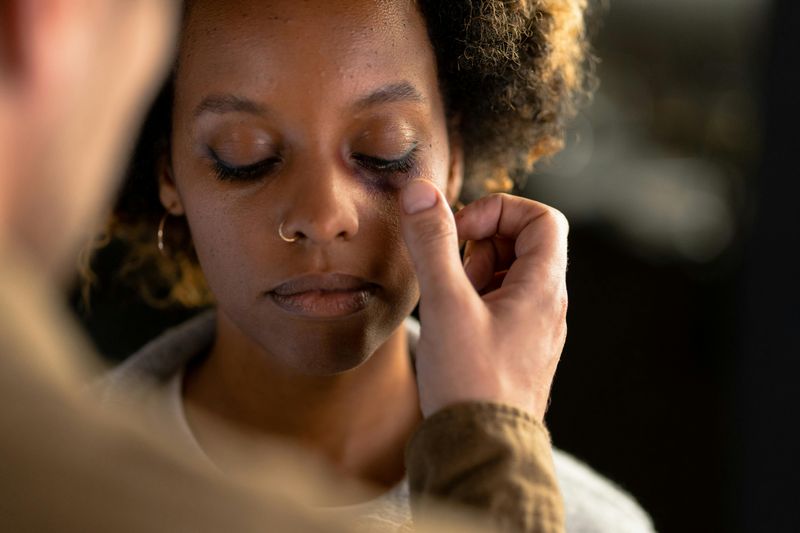
Heartbreak leaves scars that don’t always heal cleanly.
Previous relationships that ended painfully create mental blueprints that whisper warnings when new love appears.
Your mind remembers every betrayal, disappointment, and abandonment.
When someone treats you well now, those old wounds can make you flinch instead of lean in.
The brain’s job is protecting you from repeating past mistakes, but sometimes it overdoes the caution.
You might push away healthy love because it reminds you of patterns that once hurt you deeply.
Healing requires acknowledging that this person isn’t your ex.
Give yourself permission to experience something different this time around, even if it feels scary at first.
3. Fear of Losing Independence

You’ve built a life you’re proud of—your routines, hobbies, friendships, and personal space all arranged exactly how you like them.
Romance threatens to rearrange everything.
The thought of compromising your freedom can create panic, even when you genuinely want partnership.
Will you lose yourself in this relationship?
Can you still pursue your dreams?
These questions spiral in your mind as love grows stronger.
Independence feels like your identity, and sharing your life might seem like giving up who you are.
Healthy relationships actually enhance individuality rather than erase it.
The right partner celebrates your autonomy while building something beautiful together.
4. Feeling Unworthy of Love

Deep down, some people carry a quiet belief that they don’t deserve good things.
When genuine affection arrives, it clashes with this internal narrative.
You might question why someone would choose you or wait for them to discover your flaws and leave.
This unworthiness creates constant anxiety that turns love into a source of stress rather than joy.
Your inner critic works overtime, pointing out every reason this person should walk away.
The kinder they are, the louder that critical voice becomes.
Self-worth isn’t earned through perfection but recognized through self-compassion.
You deserve love simply because you’re human, not because you’ve achieved some impossible standard.
5. Love Moving Too Fast Emotionally

Sometimes feelings escalate faster than your emotional system can process.
One week you’re casually dating, and the next someone is talking about future plans that make your head spin.
Your heart might be ready, but your brain needs time to catch up and make sense of the intensity.
Rapid emotional acceleration can trigger fight-or-flight responses, making you want to run from exactly what you’ve been seeking.
The speed feels dangerous, even when the destination is somewhere you want to go.
Communicating your need for pacing isn’t rejection—it’s honesty.
Healthy love respects different emotional speeds and finds a rhythm that works for both people.
6. Anxious or Avoidant Attachment Styles

The way you learned to connect as a child shapes how you handle adult relationships.
Anxious attachment makes you crave closeness while simultaneously fearing abandonment, creating exhausting internal conflict.
Avoidant attachment makes intimacy feel suffocating, triggering withdrawal when someone gets too close.
Both styles can make receiving love feel overwhelming because your nervous system interprets connection as threat rather than safety.
You want the relationship but your attachment wiring keeps sounding false alarms.
Understanding your attachment pattern is the first step toward changing it.
Therapy and self-awareness can help rewire these deeply ingrained responses over time.
7. Overthinking and Self-Doubt

Your mind becomes a courtroom where you’re both prosecutor and defendant, analyzing every text message, gesture, and conversation for hidden meanings.
Overthinking transforms simple moments into complex puzzles that must be solved.
You question whether their feelings are genuine, whether you’re reading situations correctly, or whether you’re making mistakes that will ruin everything.
This mental exhaustion makes love feel like work rather than joy.
Self-doubt whispers that you’re not handling things right, creating anxiety that overshadows the happiness you’re experiencing.
Sometimes feelings don’t need analysis—they just need to be felt.
Practice catching yourself spiraling and choosing trust over endless examination.
8. Pressure to Reciprocate at the Same Level

When someone expresses deep feelings, you might feel obligated to match their intensity immediately, even if your emotions are developing at a different pace.
This pressure creates guilt and anxiety.
You worry that not saying the same things back means you’re failing or hurting them.
Love becomes a performance where you’re constantly measuring whether you’re giving enough.
The spontaneity drains away, replaced by scorekeeping and obligation.
You genuinely care but feel overwhelmed by unspoken expectations about emotional equality.
Authentic connection doesn’t require perfect synchronization.
Different people process and express feelings at different speeds, and that’s completely normal and healthy.
9. Fear of Future Heartbreak

The more you invest emotionally, the more you have to lose.
This mathematical reality can make deepening love feel like increasing risk rather than building something beautiful.
Your imagination runs wild with worst-case scenarios—breakups, betrayals, and all the pain that might lie ahead.
It feels safer to keep one foot out the door than to fully commit and potentially experience devastating loss later.
The irony is that protecting yourself from future pain prevents you from experiencing present joy.
Risk is inherent in all meaningful connections.
Choosing love means accepting uncertainty while trusting your resilience to handle whatever comes.
10. Difficulty Trusting Others Fully

Trust feels like handing someone a loaded weapon and hoping they won’t use it.
Past experiences taught you that people can disappoint, betray, or leave without warning.
Even when someone proves themselves consistently reliable, part of you stays vigilant for signs of deception or impending abandonment.
You want to believe in their goodness but can’t silence the protective voice questioning their motives.
This constant guardedness exhausts you and creates distance in the relationship you’re trying to build.
Trust issues make love feel dangerous rather than safe.
Building trust happens through repeated positive experiences over time.
Allow small acts of reliability to gradually soften your defenses.