 MomSkoop

Couples who stay together but keep separate homes have their own label: living apart together, often shortened to LAT. The term sounds like a riddle, but plenty of committed couples use it to describe exactly how they live. Many of these partners are not on the edge of a breakup or dodging commitment. They love each other, plan vacations together, and still head home to different front doors at night.
This setup quietly questions the idea that moving in is the only real next step. It also raises fun questions about dishes, thermostats, closet space, and who controls the remote. Women who choose this path usually have clear and practical reasons. The ones below might surprise you, or they might sound a lot like something you have already wished for on a cluttered Tuesday night.
1. A Home That Matches Her Taste
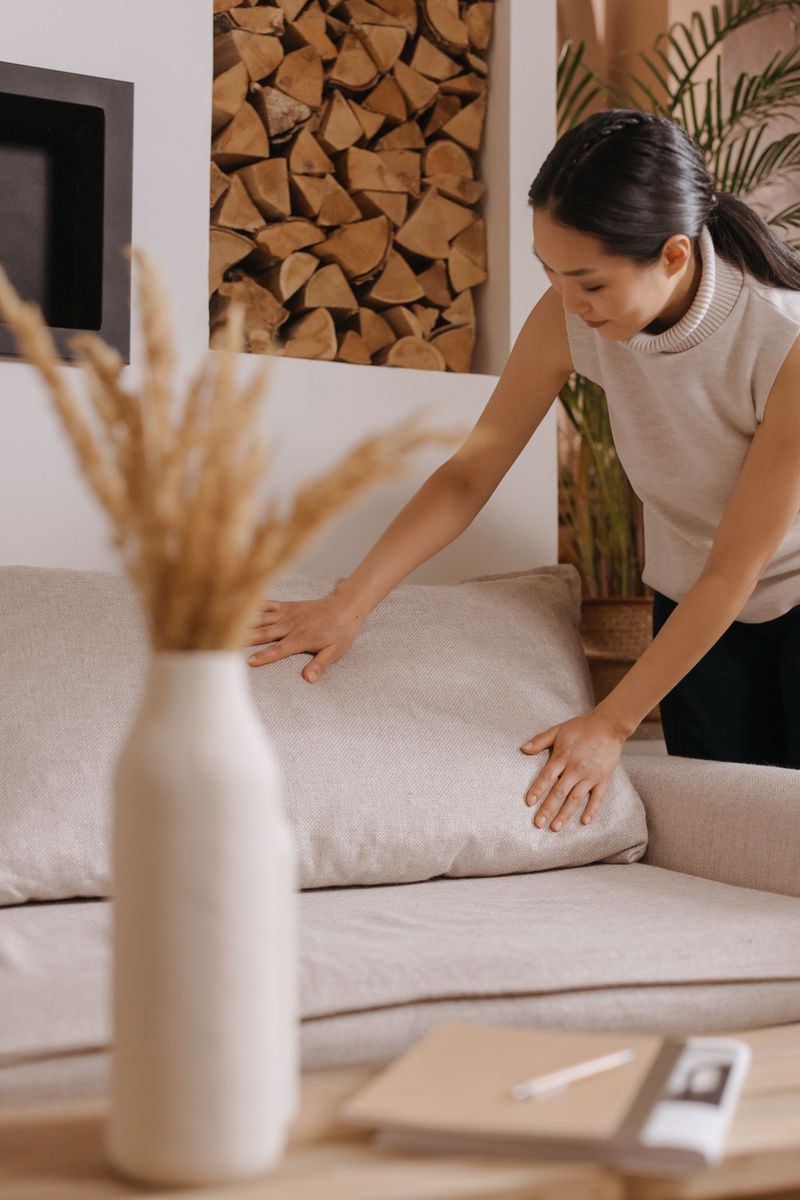
Paint colors can spark surprisingly long debates between couples.
When she lives alone, the deep green bedroom wall happens because she wanted it, with no vote required.
Her space can look exactly the way she likes, from the art on the walls to the number of throw pillows on the couch.
Nobody quietly rolls their eyes at her plant collection or sneaks a giant gaming chair into the living room.
Every object in the place is there because she picked it.
That kind of control matters more than it sounds.
A home is where you recover from long days, and a space that fits your taste can feel easier to relax in.
The same goes for small habits.
She can keep the lights low, leave a puzzle half-finished on the table for a week, or rearrange furniture at midnight without asking anyone.
If you share a home now, you can still borrow a little of this idea.
Claim one corner, shelf, or room as yours and style it without compromise.
Even a small spot that reflects only your choices can make a shared home feel more personal.
2. Room to Stay Her Own Person

Merging two lives can blur a few edges.
Favorite hobbies drift, friends get fewer invites, and suddenly weekends revolve around shared plans by default.
Living separately helps some women keep their own interests front and center.
She can take a pottery class on Thursdays, practice guitar badly at full volume, or spend Saturday morning reading without explaining her schedule.
Those choices belong to her alone.
That does not mean the relationship takes a back seat.
It means she arrives at date night with her own stories, ideas, and things to share.
Partners often enjoy that too.
Hearing about a new hobby or a book someone loved can make conversations feel less like a routine check-in about groceries.
You can protect your individuality in any living setup.
Try keeping one regular activity that is just yours, whether it is a weekly run, a class, or a solo museum trip.
Talk with your partner about why it matters to you.
Most people respect a hobby more when they understand it keeps you feeling like yourself, and they may even pick up one of their own.
3. Quiet Time to Recharge

Silence can be a luxury item.
For some women, coming home to a totally quiet apartment is the best part of the day.
Living alone means downtime does not need scheduling.
She can take a long bath, watch a comfort show for the fifth time, or sit on the floor staring at nothing in particular.
Nobody walks in to ask what is for dinner.
People recharge in different ways.
Some feel refreshed after a busy evening with others, while many need stretches of solitude to feel steady again.
For women who lean toward the second group, a separate home makes that need easy to meet.
They can return to their partner feeling rested instead of drained or irritable.
If you live with someone and crave more quiet, small changes can help.
Agree on an hour each evening when you both do separate things.
Headphones, a closed door, or a solo walk can create pockets of calm.
The goal is not avoiding your partner.
It is giving yourself enough space so the time you spend together feels lighter and more relaxed.
4. Dates That Still Feel Like Dates

Getting ready for a date hits differently when your partner is not watching you hunt for matching socks.
Some women love keeping that sense of anticipation alive.
When couples live apart, seeing each other becomes a choice instead of a default.
Plans get made on purpose, and the time together often gets more focus.
Dinner out feels like an event rather than another night on the same couch.
The LAT setup also removes some daily friction.
Arguments about dirty laundry or who forgot to buy milk tend to vanish when each person runs their own home.
Of course, this arrangement takes effort.
Couples need to communicate clearly about how often they want to see each other and stick to those plans.
Shared homes can capture some of this spark too.
Try planning a real date once a week, with a set time and a little dressing up.
Leave phones in another room.
Small rituals, like a regular Friday walk or a monthly new restaurant, can keep things fresh.
Effort and intention matter far more than your address.
5. Skipping the Chore Imbalance
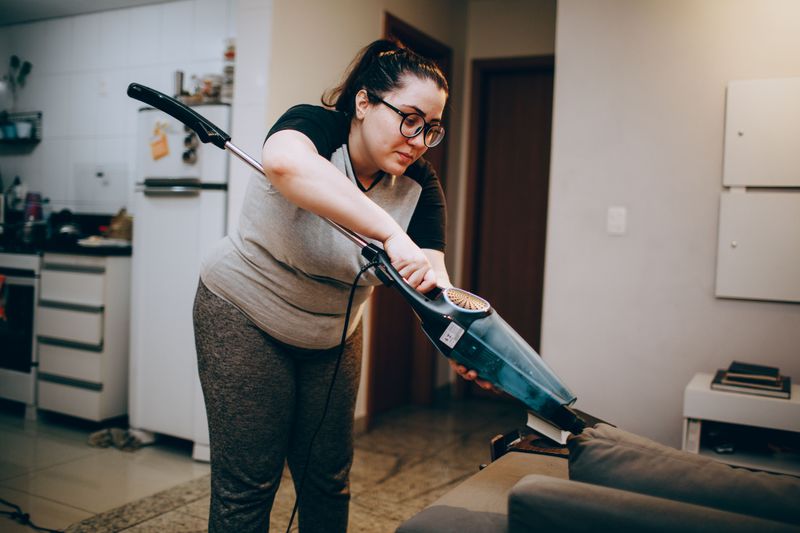
Dirty dishes have ended more romantic evenings than bad movies.
For women who have shared homes before, chores can become a major sore spot.
Housework is not always split evenly in couples, and many women have found themselves handling more than their share.
On top of cleaning, there is the mental load of remembering birthdays, scheduling repairs, and noticing when the soap runs out.
Living alone simplifies the math.
She cleans up her own messes, keeps her own system, and never wonders why the towel is on the floor again.
That clarity can bring real relief.
Instead of keeping score, she can simply take care of her home in the way that works for her.
If you live together, an honest chore conversation can make a big difference.
Write down every recurring task, including invisible ones like planning meals.
Then divide them based on time, skills, and preferences.
Revisit the list every few months.
Life changes, and a fair split that worked in spring might not work during a busy season at work.
6. Her Money, Her Rules
Money talks can get awkward fast.
Keeping separate homes means many financial decisions stay simple and personal.
She pays her own rent or mortgage, chooses her own furniture budget, and decides whether that expensive coffee machine is worth it.
There is no need to negotiate over every purchase or merge accounts before she feels ready.
Some women value that independence because it gives them a clear picture of their finances.
It can also mean keeping property in their own name, which matters to people who have been through a divorce.
Separate homes are not cheaper for everyone, though.
Paying two sets of rent and utilities costs more, so this choice depends heavily on income and local housing prices.
Whatever your setup, financial transparency helps.
Talk with your partner about goals, debts, and spending styles before money becomes a source of tension.
Some couples share a joint account for shared costs and keep personal accounts for everything else.
That system can offer both teamwork and independence, and it works whether you live together or apart.
7. Focus for Big Goals
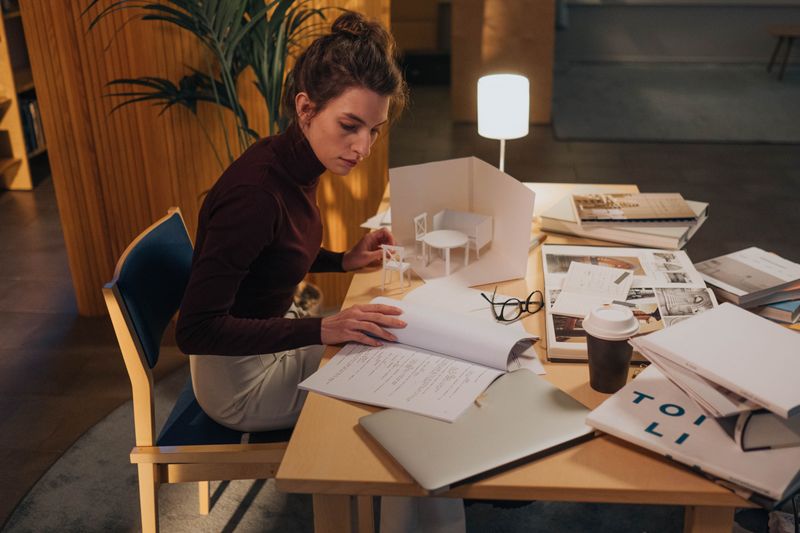
Deadlines rarely care about anyone’s dinner plans.
Women juggling demanding jobs, graduate school, or creative projects often need long stretches of focus.
A solo home makes that easier.
She can work late at the kitchen table, spread papers across the living room floor, or wake up at five to write without disturbing anyone.
Shared spaces bring natural interruptions.
A partner’s phone call, a blaring TV, or a friendly question can break concentration, even when nobody means any harm.
Having her own place lets her set a schedule that fits her goals.
When she does see her partner, she can be present instead of mentally stuck on tomorrow’s presentation.
Not everyone has the option of a separate apartment.
If you share a home, a few boundaries can help protect your focus time.
Choose a dedicated workspace, even a small desk in a corner.
Share your schedule so your partner knows when you need quiet.
Noise-canceling headphones and a simple do-not-disturb sign can work wonders.
Celebrating milestones together afterward keeps your partner part of the journey.
8. More Time for Friends and Family

A romantic partner is great, but expecting one person to fill every social role is a lot of pressure.
Many women who live alone keep busy friendship calendars.
Her home becomes an easy gathering spot.
She can host a game night, invite her sister over on short notice, or let a friend crash on the couch after a rough week.
Those relationships offer different kinds of support.
A best friend might understand work stress, while a parent offers perspective, and a partner brings yet another viewpoint.
Spreading emotional needs across several people can take pressure off the romance.
Nobody has to be everything, all the time.
You can build a wider circle no matter where you live.
Set up a recurring plan with friends, like a monthly brunch or a weekly phone call.
Encourage your partner to do the same.
Couples who each keep strong friendships often have more to talk about and fewer expectations piled onto one person.
A full social life can be a gift to the relationship too.
9. Clear Boundaries and Better Talks
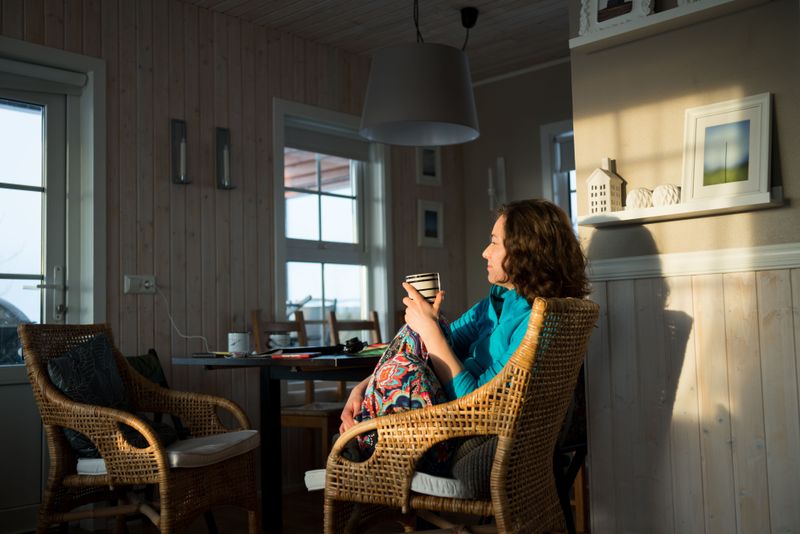
Living apart does not happen by accident.
Couples who choose it usually have to explain their needs out loud, which can sharpen their communication skills.
She might say she needs three nights a week alone, or that weekends are for togetherness.
Her partner shares his or her own preferences, and they shape a plan that respects both.
Those conversations build a useful habit.
Couples who practice naming needs early often find it easier to discuss tricky topics later.
Of course, the arrangement only works when both people want it.
If one partner feels pushed away, resentment can grow, so ongoing check-ins matter.
You can use this lesson in any relationship.
Try asking each other simple questions: How much alone time feels right?
What makes you feel most connected?
Write down answers if that helps, and revisit them as life changes.
Boundaries are not walls.
They are guidelines that help two people know how to treat each other well, and they work best when both partners help write them.
10. Choosing What Fits, Not What’s Expected

Plenty of relationship advice treats moving in as the obvious next level, like unlocking a bonus round.
Some women simply decide that script does not fit them.
Choosing separate homes is a way of building a relationship around what actually works.
She loves her partner, values her peace, and sees no reason to trade one for the other.
This choice looks different at different ages.
Younger women might focus on careers, while women later in life may already own homes, have grown children, or prefer routines they have built over decades.
Neither path is better for everyone.
Many couples thrive under one roof, and many thrive with two sets of keys.
The useful takeaway is permission to ask what you truly want.
Talk openly with your partner about living arrangements instead of assuming a timeline.
You might land on moving in, living apart, or something in between, like separate bedrooms.
A happy relationship is measured by how both people feel, not by how many toothbrushes share a cup.