 MomSkoop

Ever hit that afternoon slump where your eyelids feel like they weigh a thousand pounds?
That drowsy feeling isn’t just you being lazy—it’s your body sending a clear message.
Science shows that a quick midday nap can work wonders for your health, mood, and mental sharpness.
Here are ten solid reasons why giving in to that afternoon urge to rest might be one of the smartest decisions you make all day.
1. Sharpens Alertness and Reaction Time

A power nap lasting just 10 to 30 minutes can wake up your brain in amazing ways.
After catching some quick shut-eye, you’ll notice your ability to focus shoots up dramatically.
Your reaction time speeds up too, which means you can make faster decisions and respond to situations more quickly.
Think about athletes who need split-second timing or drivers who must stay sharp on the road.
Even students taking tests benefit from this boost.
The effects last for several hours, giving you an edge during the most important parts of your afternoon.
Best of all, you don’t need fancy equipment or special training.
Just find a quiet spot, close your eyes, and let your brain recharge for those crucial minutes.
2. Enhances Memory Consolidation

While you snooze, your brain gets busy organizing everything you learned earlier.
Memory consolidation is like filing papers in a cabinet—napping helps your brain sort facts, experiences, and skills into the right mental folders.
This process strengthens what you’ve learned and makes it easier to recall later.
Students who nap after studying often perform better on tests than those who power through without rest.
Your brain needs downtime to transfer information from short-term to long-term storage.
Without it, memories can fade or get jumbled.
Whether you’re learning a new language, practicing an instrument, or memorizing history facts, a nap gives your brain the processing time it desperately needs.
3. Boosts Learning Capacity

Your brain has a limited capacity for absorbing new information throughout the day.
Imagine it like a sponge that gets saturated—eventually, it can’t soak up anything more.
A daytime nap essentially wrings out that sponge, resetting your learning circuits and making room for fresh knowledge.
Research shows that people who nap between study sessions can learn significantly more material than those who skip rest.
The hippocampus, your brain’s learning center, gets refreshed during sleep.
This restoration process clears out temporary storage and prepares you for another round of information intake.
If you’ve got evening classes or need to study after work, a midday nap could be your secret weapon for academic success.
4. Reduces Stress Levels
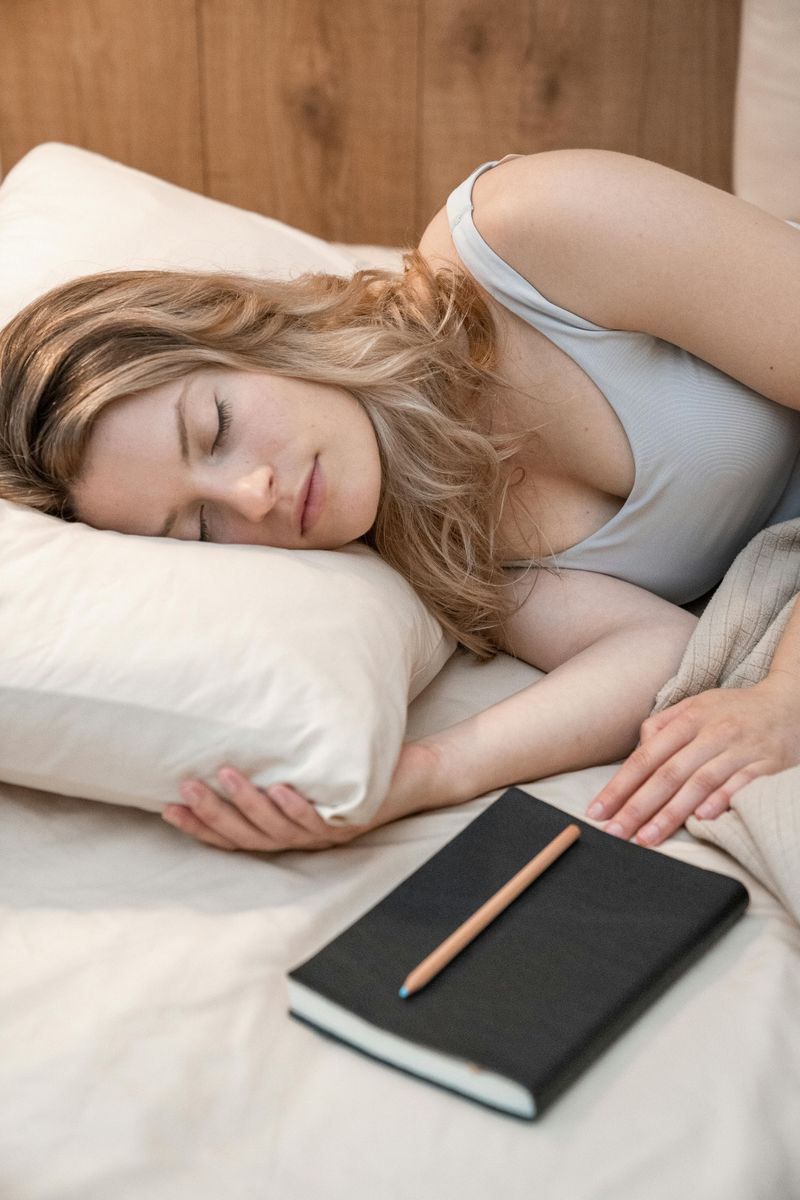
Stress piles up throughout the day like dirty dishes in a sink.
Brief naps act like a reset button for your nervous system, lowering the intensity of stress you feel.
When you rest, your body reduces production of cortisol, the hormone responsible for that tense, anxious feeling.
People who regularly take short naps report feeling calmer and more capable of handling daily challenges.
Your muscles relax, your breathing slows, and your mind gets a break from constant worry.
It’s like giving yourself a mini-vacation right in the middle of a hectic day.
Even just 20 minutes of rest can make overwhelming problems feel more manageable and help you approach afternoon tasks with a clearer, calmer mindset.
5. Supports Heart Health

Your heart works nonstop, pumping blood every second of every day.
Regular moderate napping gives your cardiovascular system a much-needed breather.
Studies have found connections between consistent nappers and lower blood pressure readings, which reduces strain on arteries and the heart muscle itself.
When you sleep, your heart rate naturally decreases and your blood vessels can relax.
This brief period of reduced demand helps prevent long-term wear and tear.
Some researchers believe that cultures with traditional siesta habits show better heart health outcomes partly because of this practice.
Taking care of your heart doesn’t always require intense exercise or strict diets—sometimes it just needs you to lie down and rest for a bit.
6. Improves Mood and Emotional Regulation

Ever notice how everything feels worse when you’re tired?
Lack of sleep makes small annoyances feel like major catastrophes.
A quick nap can flip that script entirely, reducing irritability and helping you keep your emotions in check.
You’ll find yourself responding more calmly to frustrating situations.
Sleep deprivation messes with the emotional centers of your brain, making you more reactive and less resilient.
Catching up through a midday rest helps restore balance.
Parents, teachers, and anyone working with people can especially benefit from this mood boost.
You’ll handle conflicts better, show more patience with others, and generally feel more positive about life after giving yourself permission to recharge emotionally through rest.
7. Strengthens Problem-Solving and Creativity

Stuck on a tough problem?
Your best solution might come after closing your eyes for a while.
During light sleep stages, your brain makes unusual connections between different ideas—a process called associative thinking.
This mental mixing often leads to those brilliant “aha!” moments that seem to come out of nowhere.
Artists, writers, inventors, and scientists have long praised the creative benefits of napping.
Salvador Dali and Thomas Edison both used strategic naps to boost their innovative thinking.
Your sleeping brain explores possibilities that your conscious mind might dismiss as too weird or unlikely.
Next time you’re facing a creative block or complex challenge, try napping on it—you might wake up with the perfect answer.
8. Replenishes Mental Energy Without Sleep Inertia

Nobody wants to wake up feeling groggy and confused—that disoriented sensation is called sleep inertia.
The beauty of short naps is that they restore your mental batteries without triggering that foggy aftermath.
When you keep naps under 30 minutes, you avoid entering deep sleep stages that cause grogginess.
You’ll wake up feeling refreshed rather than more tired than before.
Your mental energy gets topped off like plugging in your phone for a quick charge.
This makes short naps perfect for busy schedules where you need to bounce back fast.
Timing matters here—longer naps might leave you dragging, but brief ones give you pure energy without the sluggish payback that makes some people avoid napping altogether.
9. May Support Immune Function

Sleep loss doesn’t just make you tired—it actually weakens your body’s defense system against germs and illness.
When you miss nighttime sleep, your immune cells don’t function as well, leaving you vulnerable to catching whatever cold or flu is going around.
Brief daytime naps can help counteract some of this immune suppression.
Your body produces important infection-fighting proteins during sleep, regardless of whether it happens at night or during the day.
Catching up through strategic napping helps maintain these crucial defenses.
People who consistently get adequate rest, including naps, tend to get sick less often.
During cold and flu season especially, a midday rest might be just what your immune system needs to stay strong and protect you.
10. Helps Protect Long-Term Brain Performance
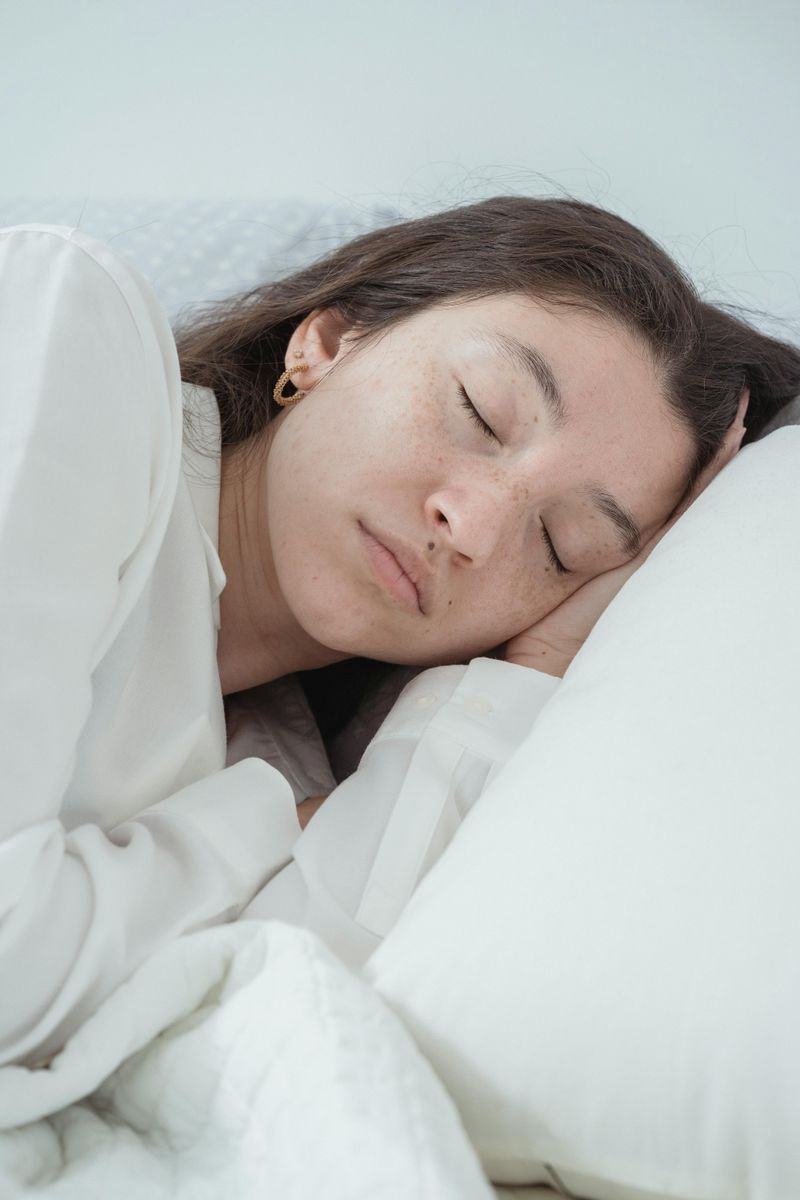
Think of napping as an investment in your future brain health.
Chronic fatigue and sleep deprivation gradually take a toll on cognitive abilities over time.
Regular short naps help reduce this accumulated damage by giving your brain consistent opportunities to process memories and clear out metabolic waste products.
As we age, maintaining sharp thinking becomes increasingly important.
People who practice healthy sleep habits, including strategic napping, often show better mental performance in their later years.
Your brain needs regular maintenance just like any other part of your body.
By making naps a normal part of your routine now, you’re potentially protecting yourself against cognitive decline and helping ensure your mind stays sharp for decades to come.