 MomSkoop
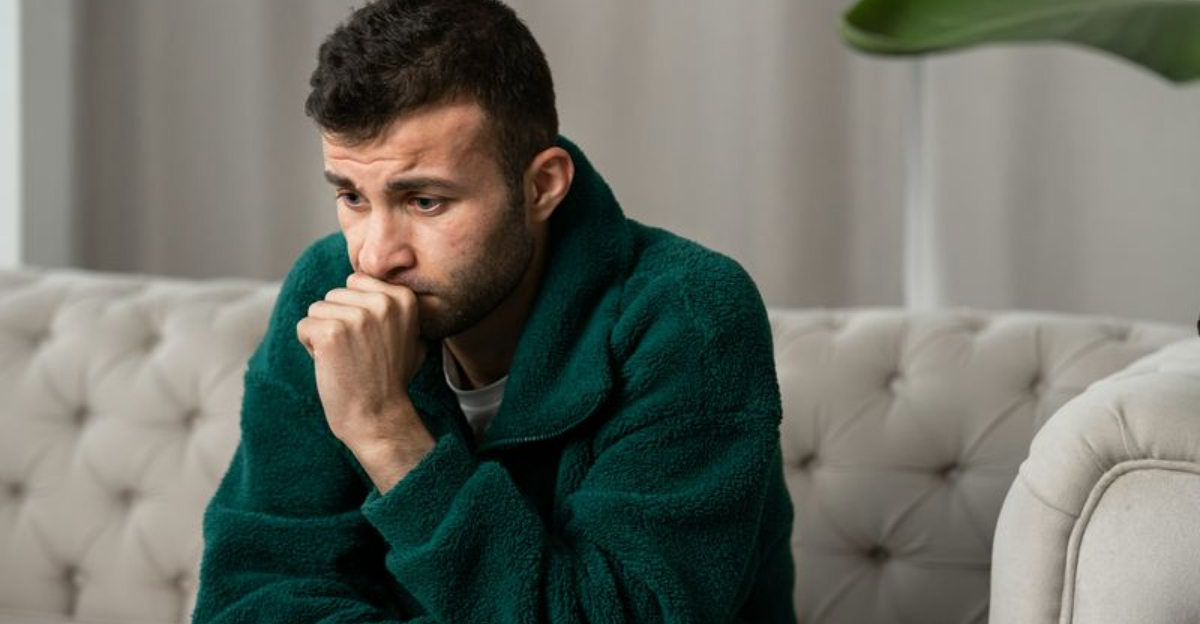
Recognizing when a partner struggles with low self-worth can be challenging, especially when those signs are subtle or hidden behind everyday behaviors.
These patterns are important because they can deeply affect the health and happiness of a relationship. When someone doesn’t value themselves, it often shows up in how they connect with others, handle conflict, and express their needs.
1. Constant Need for Reassurance

When someone asks over and over if you still care about them or find them attractive, it might feel sweet at first.
But this behavior often points to deeper insecurity.
He might text multiple times asking if everything is okay between you two, even when nothing is wrong.
Frequent requests for validation about his value or importance in your life can become exhausting.
He may need you to confirm his worth daily, questioning whether he’s good enough.
This pattern shows he struggles to believe in his own value without external proof.
Over time, this creates pressure on you to constantly boost his confidence.
The relationship can start feeling like a job where you’re responsible for his emotional stability instead of being equal partners.
2. Fear of Abandonment

Some partners become incredibly anxious at the thought of being left behind.
This fear can make someone act clingy or overly agreeable, even when it goes against what they truly want.
He might panic when you spend time with friends or need space for yourself.
Abandonment anxiety often leads to excessive accommodation.
He may say yes to everything you suggest, avoid disagreements entirely, or change his opinions to match yours.
These behaviors stem from terror that any conflict or difference will push you away.
While wanting to be close is natural, this extreme version creates an unhealthy dynamic.
He might check your location constantly, get upset about normal activities, or make you feel guilty for having independence.
True connection requires trust and breathing room, not constant surveillance.
3. Difficulty Accepting Compliments

Did you know that people with low self-worth often deflect positive feedback as if it were an insult?
When you tell him he looks handsome or did something well, he immediately argues or brushes it off.
Instead of a simple thank you, he might say things like “You’re just being nice” or “That’s not true.”
This rejection of praise reveals how he sees himself internally.
Compliments don’t match his negative self-image, so his brain treats them as lies or exaggerations.
He genuinely cannot accept that positive things you say might be accurate observations.
Over time, this makes giving encouragement feel pointless or frustrating.
You want to build him up, but he tears down every kind word.
Healthy relationships involve receiving appreciation gracefully, not constantly dismissing your partner’s genuine feelings.
4. Jealousy or Possessiveness

Jealousy can poison even the strongest relationships when it comes from insecurity rather than actual problems.
A man with low self-worth might feel threatened by your coworkers, friends, or even family members without any real reason.
He assumes others are better than him and fears you’ll realize it too.
This insecurity often shows up as possessive behavior.
He might question who you’re talking to, get upset about innocent interactions, or accuse you of things that never happened.
Trust becomes nearly impossible because his internal doubts overpower any reassurance you provide.
What starts as concern can quickly become controlling.
He may want access to your phone, criticize your friendships, or make you feel bad for normal social activities.
Healthy love involves trust and freedom, not constant suspicion born from his own fears about not being enough.
5. People-Pleasing at His Own Expense

Watch for someone who constantly puts your needs first while completely ignoring his own wellbeing.
He agrees to plans he doesn’t enjoy, skips activities he loves, or sacrifices his comfort just to keep you happy.
This isn’t generosity—it’s fear of rejection disguised as kindness.
People-pleasing behavior comes from believing that his wants and needs don’t matter as much as yours.
He thinks the only way to keep you around is by being perfectly agreeable and helpful.
Conflict feels dangerous because he worries that disagreement will make you leave.
Unfortunately, this creates an imbalanced relationship where his authentic self disappears.
You might not even know his real preferences, opinions, or boundaries.
Eventually, resentment builds up, or he becomes exhausted from pretending.
Partners should complement each other, not erase themselves to avoid imagined abandonment.
6. Overreaction to Criticism

Even gentle suggestions can trigger intense defensive reactions in someone who doesn’t value themselves.
You might mention something small, like leaving dishes in the sink, and suddenly face anger, withdrawal, or hours of sulking.
What should be a minor conversation becomes a major incident.
This happens because criticism—no matter how kind—feels like confirmation of his worst fears about himself.
His brain interprets feedback as “You’re not good enough” rather than “This specific action could change.” The emotional response is completely out of proportion to what was actually said.
Communication becomes nearly impossible when every concern is treated as an attack.
You start walking on eggshells, avoiding important topics to prevent explosions.
Healthy relationships require the ability to discuss problems without one person crumbling or lashing out.
Growth happens through honest conversations, not protective silence.
7. Self-Deprecating Language
Constant jokes about being stupid, worthless, or inadequate aren’t actually funny—they’re warning signs.
A man with low self-worth regularly puts himself down, sometimes disguised as humor but often painfully sincere.
He might call himself a loser, an idiot, or say things like “I don’t know why you’re with me.”
This negative self-talk reveals how he truly sees himself deep down.
While occasional self-awareness is healthy, relentless self-criticism damages both his confidence and the relationship.
You find yourself constantly contradicting his harsh self-assessments, which becomes emotionally draining.
Sometimes this behavior seeks reassurance, forcing you to disagree and build him up.
Other times, it’s simply his honest belief about his value.
Either way, being around someone who constantly tears themselves down creates a heavy, negative atmosphere that affects your own mood and energy.
8. Avoidance of Vulnerability

Emotional walls can be just as obvious as clingy behavior, though they look completely different.
He might refuse to share feelings, dodge deep conversations, or joke away serious moments.
Opening up feels dangerous because showing his true self risks judgment or rejection.
This fear prevents genuine intimacy from developing.
You might feel like you’re dating a stranger because he never lets you see what’s really happening inside.
Vulnerability requires believing you’re worthy of love even with flaws—something he struggles to accept.
Relationships deepen through honest emotional exchange and mutual support.
When one person stays guarded and distant, true connection becomes impossible.
You can’t build trust with someone who won’t let you in.
Strength isn’t about hiding emotions; it’s about having courage to share them despite fear of being hurt.
9. Seeking Control or Approval

Control can be a sneaky response to feeling powerless inside.
He might try to manage every aspect of dates, decisions, or daily life to feel secure.
Alternatively, he flips to the opposite extreme—relying completely on your approval for every choice, unable to make decisions without your permission.
Both patterns stem from the same root problem: he doesn’t trust himself or feel secure in his worth.
Controlling behavior attempts to create safety by managing external circumstances.
Approval-seeking does the same thing by making you responsible for validating his choices.
Neither approach creates healthy partnership.
You become either someone he manages or someone who must guide his every move.
Real relationships involve two confident individuals who can make independent choices while also considering each other.
Security comes from within, not from controlling situations or constantly checking with someone else first.
10. Staying in Unhealthy Dynamics

Perhaps the saddest sign is watching someone tolerate disrespect because they don’t believe they deserve better.
He might accept being treated poorly, ignore major relationship problems, or stay in clearly unbalanced situations.
This happens when low self-worth convinces him that mistreatment is normal or deserved.
He doesn’t advocate for his needs or set boundaries because he fears being alone more than being unhappy.
In his mind, any relationship—even a harmful one—is better than none.
This belief keeps him trapped in cycles that damage his wellbeing and self-esteem even further.
Everyone deserves respect, kindness, and mutual effort in relationships.
When someone accepts less, it signals they don’t recognize their own value.
True partnership involves both people treating each other well and expecting the same in return.
Settling for unhealthy dynamics only reinforces the false belief that he isn’t worth more.