 MomSkoop
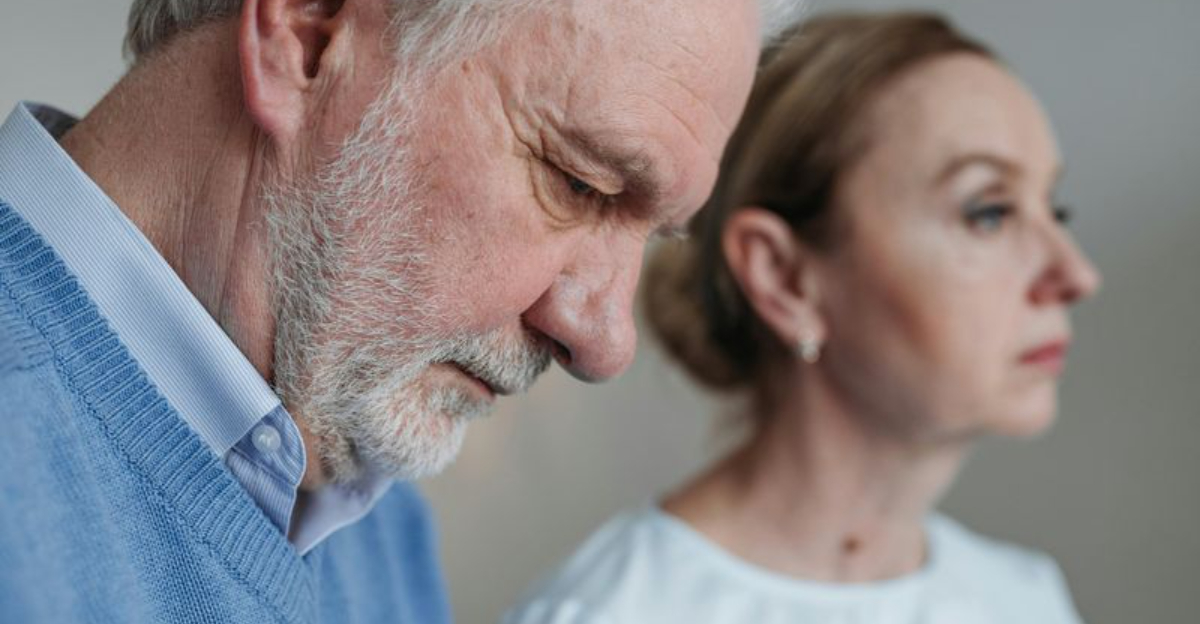
Sometimes relationships reach a breaking point where one person decides it’s time to move on. When a woman is preparing to leave her marriage, certain behaviors and changes often appear that signal her emotional departure.
Recognizing these signs can help both partners understand what’s happening and possibly open the door to honest conversations about the future of their relationship.
1. She Withdraws Emotionally

Emotional connection forms the backbone of any strong marriage.
When a wife stops turning to her husband for comfort, support, or even casual conversation, something fundamental has shifted.
She might seem distant during dinner or uninterested in sharing her day.
Her heart has begun building walls where bridges used to stand. Instead of opening up about her feelings, she keeps them locked away.
This guarded behavior often means she’s protecting herself from further hurt.
The emotional bond that once held the marriage together is quietly unraveling, and she’s already started the process of letting go emotionally before making any physical moves.
2. She Communicates Less

Conversations that once flowed naturally now feel forced and superficial.
She answers questions with one-word responses and avoids discussing anything meaningful.
Arguments that used to spark passion now end with silence or a shrug.
When someone stops fighting for the relationship, it often signals they’ve already made their decision internally.
She no longer sees the point in resolving conflicts because she’s planning an exit.
Communication becomes transactional—limited to logistics about bills, schedules, or household tasks.
The emotional investment required for deep conversation has disappeared, replaced by polite but empty exchanges that maintain appearances without addressing the growing distance between them.
3. She Spends More Time Away From Home

Her calendar suddenly fills with activities that keep her occupied outside the house.
Work hours extend mysteriously, gym sessions become longer, and friends she barely mentioned before now require frequent visits.
Home transforms from a sanctuary into a place she actively avoids.
This busy schedule serves a dual purpose: it creates physical distance and helps her establish a life independent of her husband.
She’s testing what existence looks like without him at the center.
Every new hobby or commitment builds confidence in her ability to function alone.
The house that once represented their shared life now feels suffocating, so she finds reasons to be anywhere else.
4. She Makes Independent Plans

Decisions that previously involved both partners now happen in isolation.
She books vacations without asking if he’s available or interested.
Major purchases happen without discussion, and social commitments get made as if she’s single.
This independence signals a mental separation—she’s already living as though the marriage doesn’t exist.
Financial choices, career moves, and personal goals no longer factor in his opinions or needs.
She’s reclaiming autonomy that felt lost during the marriage.
Each independent decision reinforces her capability to manage life solo.
The partnership model has dissolved in her mind, replaced by a singular vision of her future that doesn’t include coordinating with a spouse.
5. She Becomes Protective of Her Privacy

Her phone suddenly has a new passcode, and the screen tilts away whenever he walks by.
Social media accounts become private, and conversations get cut short when he enters the room.
This heightened privacy doesn’t necessarily mean infidelity—it often indicates she’s creating boundaries for her separate life.
She might be confiding in friends about her plans, researching divorce attorneys, or simply needing space that feels entirely hers.
The transparency that healthy marriages thrive on has evaporated.
She guards her digital life like it contains state secrets because it represents the future she’s building away from him.
Trust has eroded to the point where sharing feels risky or unnecessary.
6. She Shows Less Physical Affection

Hugs become rare, kisses turn into quick pecks, and intimacy fades into memory.
Physical touch serves as a barometer for emotional connection, and when it disappears, the relationship’s health is often critical.
She pulls away from casual touches—his hand on her shoulder feels wrong, cuddling on the couch stops happening.
Her body language speaks volumes: crossed arms, turned shoulders, physical barriers between them.
This withdrawal isn’t about being tired or stressed temporarily.
It reflects a deeper disconnection where physical closeness feels uncomfortable or fake.
The spark that once ignited with a simple touch has gone cold, and she’s no longer interested in rekindling it through physical intimacy or affection.
7. She Focuses on Self-Improvement

Suddenly she’s enrolled in classes, hitting the gym daily, or diving into therapy sessions.
While self-improvement sounds positive, the timing and intensity reveal deeper motives. She’s rebuilding herself—physically, mentally, emotionally—preparing for a life transformation.
New hairstyles, wardrobe updates, and fitness goals aren’t about impressing her husband; they’re about reclaiming her identity outside the marriage.
Education and skill-building provide practical tools for independence.
Therapy helps her process emotions and gain clarity about leaving.
Each improvement milestone boosts her confidence that she can thrive alone.
This self-focus represents an investment in her post-marriage future, where she’ll need strength, skills, and self-assurance to start fresh without her current partner.
8. She Mentally Checks Out During Arguments

Arguments used to involve raised voices, tears, and passionate exchanges—now she just stares blankly.
When someone stops fighting, it doesn’t mean things are better; it means they’ve stopped caring about the outcome.
Her silence during conflicts signals emotional departure.
She’s mentally moved on, so defending her position or working toward resolution feels pointless.
Apologies don’t move her, and his frustrations bounce off like they’re hitting a wall.
This detachment is perhaps the most telling sign because it shows complete disengagement.
The relationship’s fate no longer matters enough to argue about.
She’s already grieved the marriage internally and reached acceptance, leaving only logistics to figure out before making her exit official.
9. She Talks About the Future Without Him

Listen carefully when she discusses future plans—the pronouns tell the whole story.
Her dreams shift from “we” to “I,” painting pictures of a life that doesn’t include him.
She mentions retirement plans, travel destinations, or career goals in singular terms.
When asked about future holidays or major life events, her responses exclude him naturally, as if he’s already absent.
This linguistic shift reveals how she visualizes her life moving forward.
Her mental timeline has diverged from their shared path onto a solo journey.
The future she’s building in her mind doesn’t have room for a husband.
Each conversation about tomorrow reinforces her vision of independence and a fresh start without the weight of a failing marriage.
10. She Gets Her Finances in Order

Financial preparation often provides the clearest evidence that departure is imminent.
She opens separate bank accounts, stashes money quietly, or researches her earning potential.
Questions about assets, credit scores, and housing affordability suddenly occupy her thoughts.
She might consult with attorneys discreetly or read articles about financial survival after divorce.
This practical planning shows she’s moved beyond emotional contemplation into actionable steps.
Money represents freedom and security, especially for someone preparing to leave a marriage. Every dollar saved builds her escape fund.
Every financial question answered increases her confidence that leaving is possible.
When a woman starts securing her financial independence, the decision to leave has likely already been made—she’s just waiting for the right moment to act.