 MomSkoop

Marriage can be a beautiful partnership, but sometimes it quietly chips away at who you are. If you’ve noticed yourself shrinking, doubting, or disappearing in small ways over the years, you’re not alone.
Recognizing these patterns is the first step toward reclaiming your voice and sense of self.
1. You Regularly Second-Guess Your Own Decisions

Trusting yourself used to come naturally, but now every choice feels shaky.
Whether it’s handling money, deciding how to parent, or picking what to have for dinner, you pause and wonder if you’re making the right call.
Your opinions have been questioned, corrected, or dismissed so many times that doubt has become your default.
This constant hesitation isn’t about lacking intelligence or capability.
It’s about learning that your judgment isn’t valued or respected.
Over time, this erodes the confidence you once had in your ability to navigate life.
Rebuilding trust in yourself takes time, but recognizing this pattern is where healing begins.
2. You Minimize Your Needs to Avoid Conflict

Asking for what you need feels risky, so you just stop asking altogether.
Emotional support, personal time, or even a moment of rest seem like luxuries you can’t afford without causing tension.
You’ve convinced yourself that your needs are burdensome or selfish.
This belief didn’t appear overnight.
It grew from repeated experiences where expressing your needs led to frustration, guilt, or arguments.
So you learned to stay quiet and manage everything alone.
The problem is, silencing your needs doesn’t make them disappear—it just makes you disappear a little more each day.
You deserve to take up space in your own life.
3. You Apologize Even When You’ve Done Nothing Wrong

Sorry becomes your reflex, even when there’s nothing to apologize for.
You say it to smooth over awkward moments, prevent criticism, or simply keep the peace.
Taking blame for things that aren’t your fault has become a survival strategy.
This habit develops when you’re made to feel responsible for tension or unhappiness in the relationship.
Apologizing feels easier than defending yourself or facing emotional backlash.
But constantly saying sorry chips away at your sense of fairness and self-respect.
It teaches you that your feelings and boundaries don’t matter as much as keeping things calm.
Breaking this cycle means learning when an apology is truly warranted.
4. You Feel More Like a Role Than a Person

Somewhere along the way, you became just a spouse, parent, or caretaker—and forgot you’re also a whole person.
Your identity is so wrapped up in what you do for others that you’ve lost touch with who you actually are.
Hobbies, dreams, and personal interests feel distant or irrelevant.
This happens gradually when your individuality isn’t celebrated or encouraged.
Instead, your value becomes tied to how well you perform your roles.
You stop seeing yourself as someone with unique thoughts, passions, and desires.
Rediscovering yourself requires carving out space to explore what makes you feel alive beyond your responsibilities.
You are more than what you do for others.
5. Compliments Make You Uncomfortable or Suspicious

When someone says something nice, you don’t feel good—you feel awkward or doubtful.
Praise seems undeserved, confusing, or even suspicious because you’re not used to unconditional kindness.
Your self-worth has been shaped by criticism, comparison, or approval that always came with conditions.
Over time, you stopped believing positive things about yourself.
Compliments don’t match the internal narrative you’ve built, so they feel false or uncomfortable.
This disconnect reveals how deeply your confidence has been affected.
Accepting kind words without deflecting or doubting them is a small but powerful act of reclaiming your value.
You are worthy of genuine appreciation, even if it feels strange at first.
6. You Fear Expressing Honest Opinions

Speaking your mind feels dangerous, so you keep thoughts and feelings locked inside.
Past reactions—dismissal, ridicule, or cold silence—taught you that honesty leads to discomfort or rejection.
Now, you carefully edit yourself before saying anything, wondering how it will be received.
This fear didn’t develop because you’re weak or overly sensitive.
It grew from repeated experiences where your voice was met with negativity or invalidation.
Silence became safer than vulnerability.
But staying quiet means your true self remains hidden, even from yourself.
Finding your voice again takes courage, but it’s essential for rebuilding confidence.
Your thoughts and feelings deserve to be heard and respected.
7. You Compare Yourself Constantly to Others

Everyone else seems to have it together, while you feel like you’re always falling short.
You measure your looks, accomplishments, and parenting against others and consistently come up lacking.
This constant comparison is especially painful if your partner has made similar judgments.
Comparison becomes a lens through which you view yourself when your worth is questioned or criticized.
You start believing you’re not enough because someone else is always held up as better.
This habit destroys confidence and keeps you stuck in a cycle of inadequacy.
Healing means recognizing that your value isn’t determined by how you stack up against others.
You are enough, exactly as you are.
8. You Feel Responsible for Your Partner’s Emotions

Keeping your partner happy feels like your full-time job.
You constantly monitor moods, adjust your behavior, and walk on eggshells to prevent anger, stress, or disappointment.
Somehow, their emotional well-being became your responsibility.
This dynamic develops when you’re blamed or punished for your partner’s negative feelings.
You learn that if they’re upset, it’s your fault—and your job to fix it.
This belief is exhausting and unfair.
You can’t control another person’s emotions, and trying to do so drains your energy and self-worth.
Healthy relationships involve shared emotional responsibility, not one person carrying the weight of both.
You deserve a partnership where you’re not constantly managing someone else’s feelings.
9. You Struggle to Recognize Your Own Strengths

When asked what you’re good at, your mind goes blank.
Naming your talents or accomplishments feels impossible because years of subtle invalidation made them seem insignificant.
You’ve been taught, directly or indirectly, that what you do doesn’t really matter.
This happens when your achievements are downplayed, ignored, or overshadowed by criticism.
Over time, you internalize the message that you don’t have much to offer.
But the truth is, your strengths are still there—they’ve just been buried under layers of doubt.
Rediscovering them means actively challenging the negative beliefs that took root.
You have valuable qualities and abilities, even if they’ve been hidden for too long.
10. You Feel Smaller Than You Used To
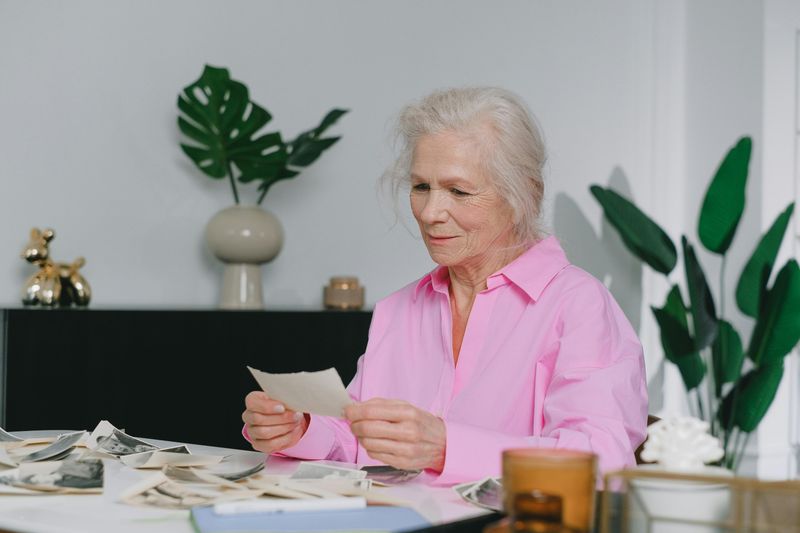
There’s a quiet ache when you think about who you used to be.
You remember feeling braver, more curious, and more sure of yourself—and you’re not entirely certain when that version of you started fading.
Life feels narrower now, like you’ve been slowly shrinking into the background.
This sense of loss is real and valid.
Confidence doesn’t vanish overnight; it erodes gradually through countless small moments of dismissal, criticism, or emotional neglect.
Recognizing this feeling is painful but important.
It means part of you still remembers who you were and longs to reconnect with that person.
Reclaiming your sense of self is possible, even if it feels distant right now.