 MomSkoop
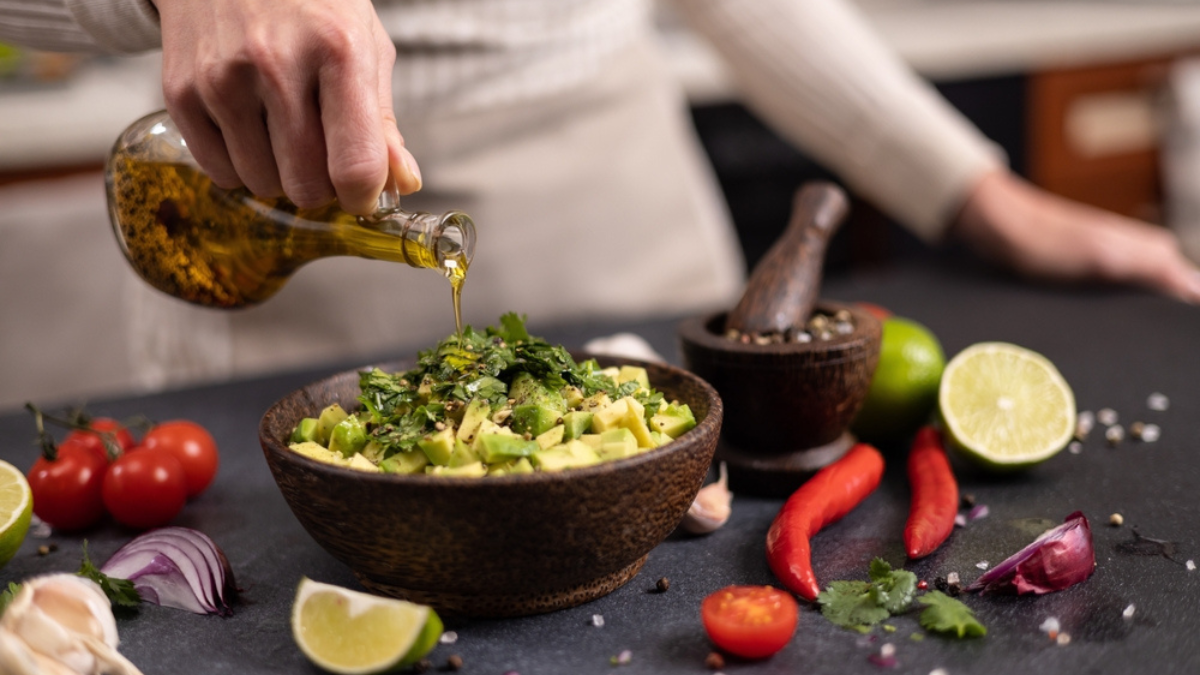
Ever wonder how restaurants make their food taste so amazing? The secret often lies in a handful of simple ingredients that add incredible flavor without complicated techniques. Adding just one or two special items to your cooking can transform an ordinary dish into something memorable. Whether you’re making breakfast, lunch, or dinner, these everyday ingredients will help you create meals that taste like they came from a professional kitchen.
1. Fresh Lemon Juice

Brightness is what separates good food from great food, and nothing delivers that zing quite like fresh lemon juice. A quick squeeze over roasted vegetables, grilled fish, or pasta dishes wakes up all the other flavors on your plate. Unlike bottled versions, fresh lemon juice has a clean, vibrant taste that cuts through richness and adds balance.
You can use it in salad dressings, marinades, or even drizzle it over pizza. The acidity helps bring out sweetness in ingredients while making heavy dishes feel lighter. Keep a few lemons in your kitchen, and you’ll find yourself reaching for them constantly.
Pro tip: Roll the lemon on your counter before cutting to get more juice out!
2. High-Quality Olive Oil
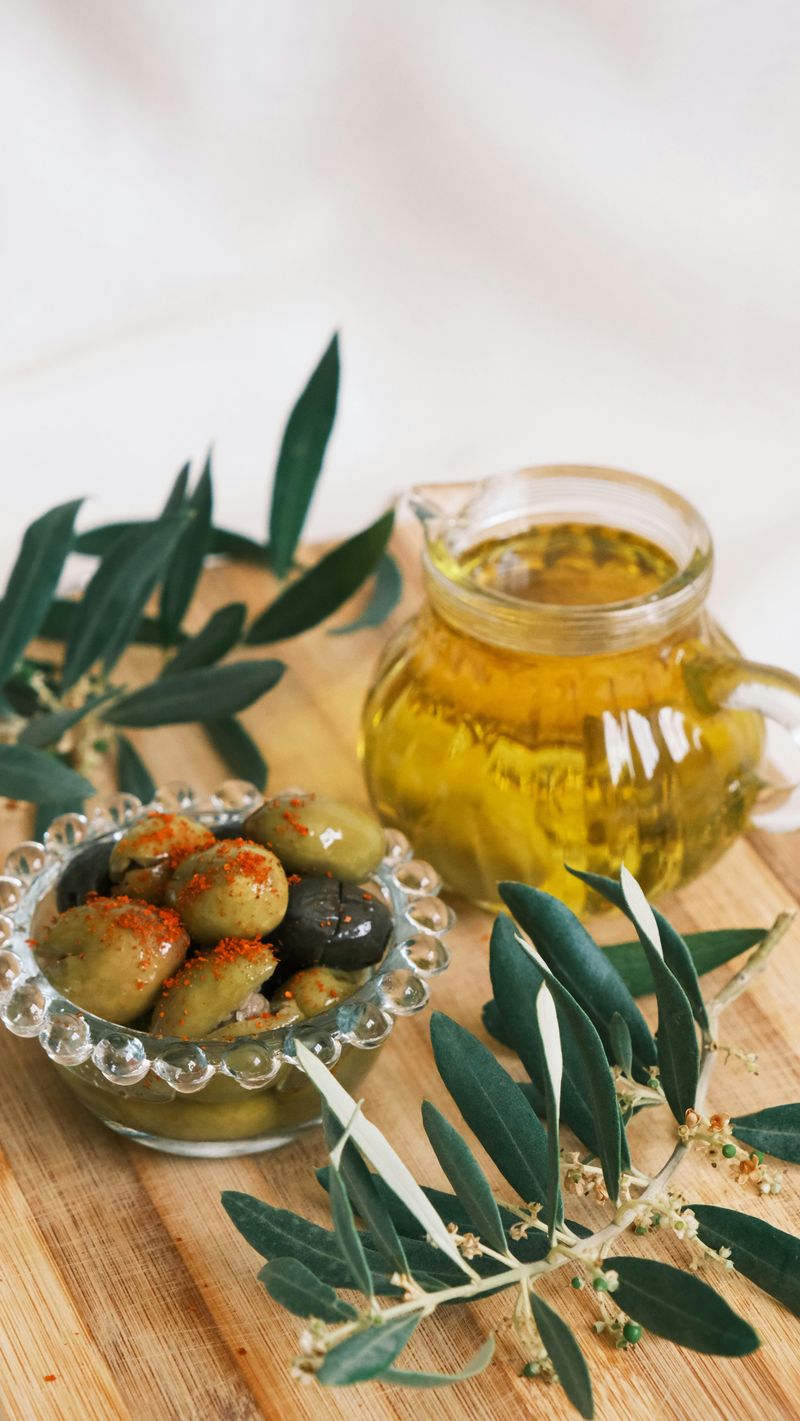
Not all olive oils are created equal, and investing in a good bottle makes a world of difference. The fruity, peppery notes of quality extra virgin olive oil can transform simple bread into a treat or turn plain pasta into something special. Use cheaper oils for cooking at high heat, but save your best bottle for finishing dishes.
Drizzle it over soups, salads, grilled meats, or roasted vegetables right before serving. The raw flavor shines through and adds a luxurious touch that people notice immediately. A little goes a long way, so one bottle lasts quite a while.
Store it in a cool, dark place to preserve its flavor and prevent it from going rancid.
3. Flaky Sea Salt
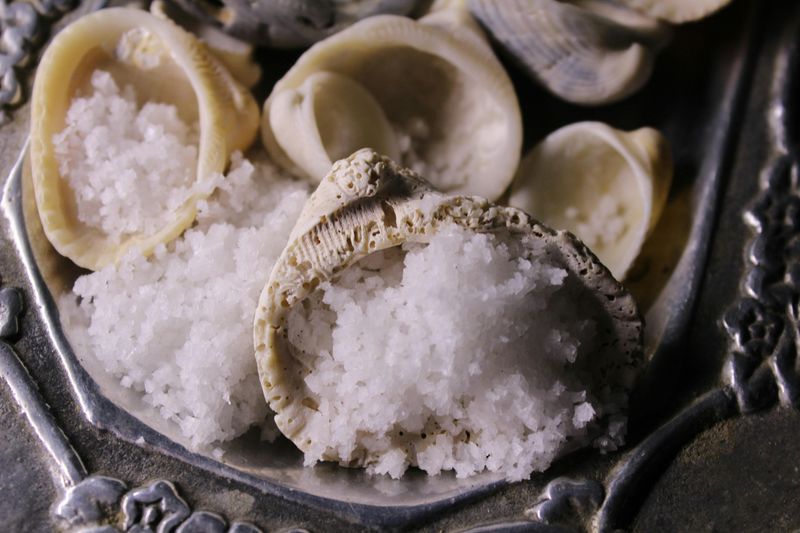
Regular table salt does the job, but flaky sea salt takes things to another level with its delicate crunch and clean taste. Sprinkling these crystals on top of finished dishes adds texture and little bursts of saltiness that regular salt can’t match. Chefs love it because it looks beautiful and enhances food without overwhelming it.
Try it on chocolate chip cookies, sliced tomatoes, caramel desserts, or grilled steak. The flakes dissolve slowly on your tongue, creating an interesting eating experience. Brands like Maldon have become kitchen staples for home cooks everywhere.
Keep a small dish near your stove so you can add a pinch whenever you plate food.
4. Fresh Garlic
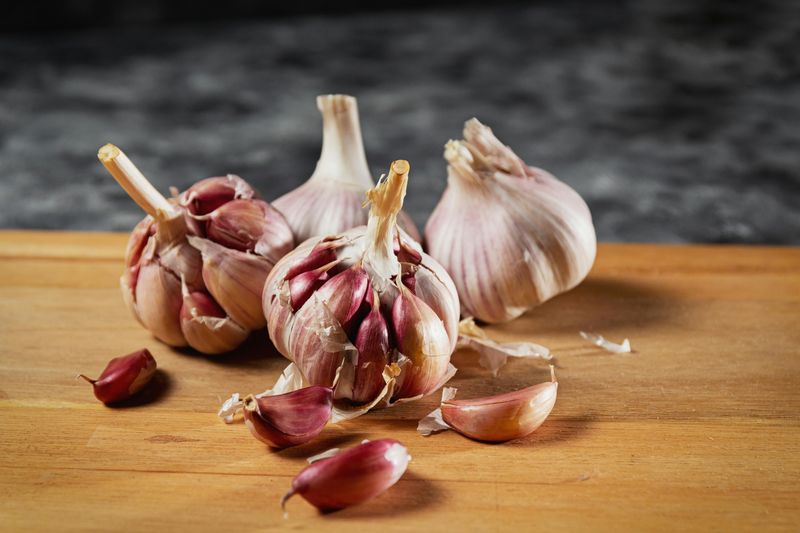
Garlic powder has its place, but nothing compares to the aromatic punch of fresh garlic. When you chop or crush fresh cloves, they release oils that smell incredible and taste even better. Sautéing garlic in butter or oil creates a flavor base that makes everything from stir-fries to sauces taste restaurant-quality.
Add it to soups, marinades, roasted vegetables, or garlic bread for an instant upgrade. Fresh garlic has a complexity that dried versions simply lack, with sweet, spicy, and savory notes all at once. Just be careful not to burn it, as burnt garlic turns bitter quickly.
Peel multiple cloves at once by shaking them in a jar—it saves tons of time!
5. Fresh Herbs

Dried herbs work fine during cooking, but fresh herbs added at the end bring dishes to life with color and vibrant flavor. Basil, cilantro, parsley, and mint each have unique personalities that can completely change a meal’s character. Chopping them releases aromatic oils that smell amazing and taste incredibly fresh.
Sprinkle fresh herbs over tacos, pasta, curry, salads, or grilled meats right before serving. They add a pop of color that makes food look more appealing while contributing bright, garden-fresh flavors. Growing a small herb garden on your windowsill means you’ll always have them handy.
Soft herbs like basil should be torn, not cut, to prevent bruising and darkening.
6. Parmesan Cheese
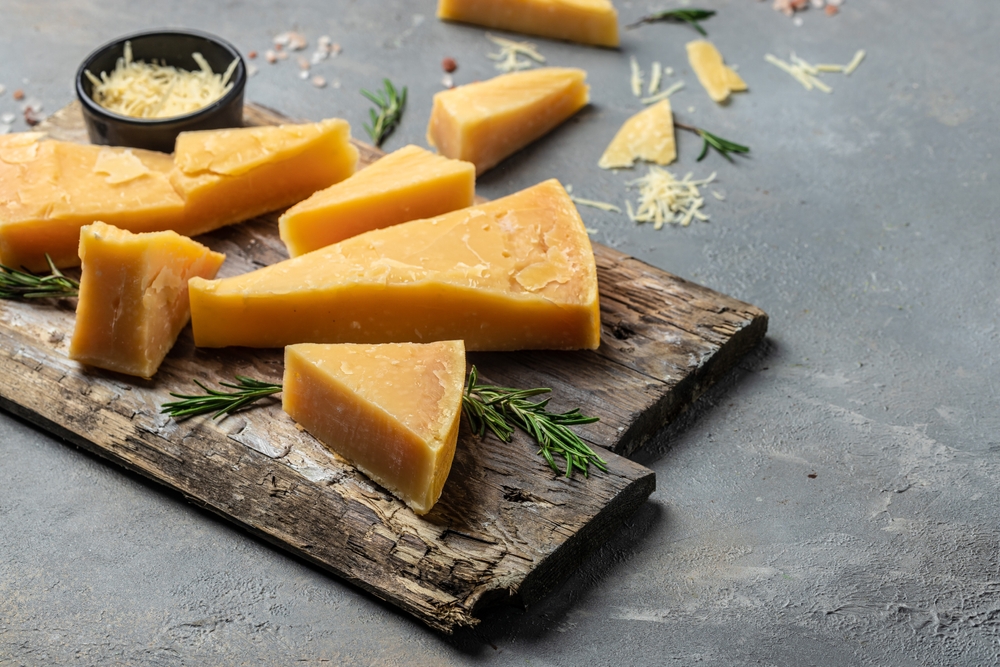
Real Parmesan cheese—the kind you grate yourself from a block—brings a salty, nutty richness that pre-shredded versions can’t touch. Those bags of powdery cheese contain additives to prevent clumping, which affect both taste and texture. Freshly grated Parmesan melts beautifully and adds depth to countless dishes.
Grate it over pasta, risotto, roasted vegetables, or Caesar salad for an instant flavor boost. You can even eat thin shavings as a snack or add them to sandwiches. The cheese develops crunchy crystals as it ages, adding interesting texture along with intense flavor.
Look for cheese stamped with “Parmigiano-Reggiano” to ensure you’re getting the authentic Italian product.
7. Soy Sauce
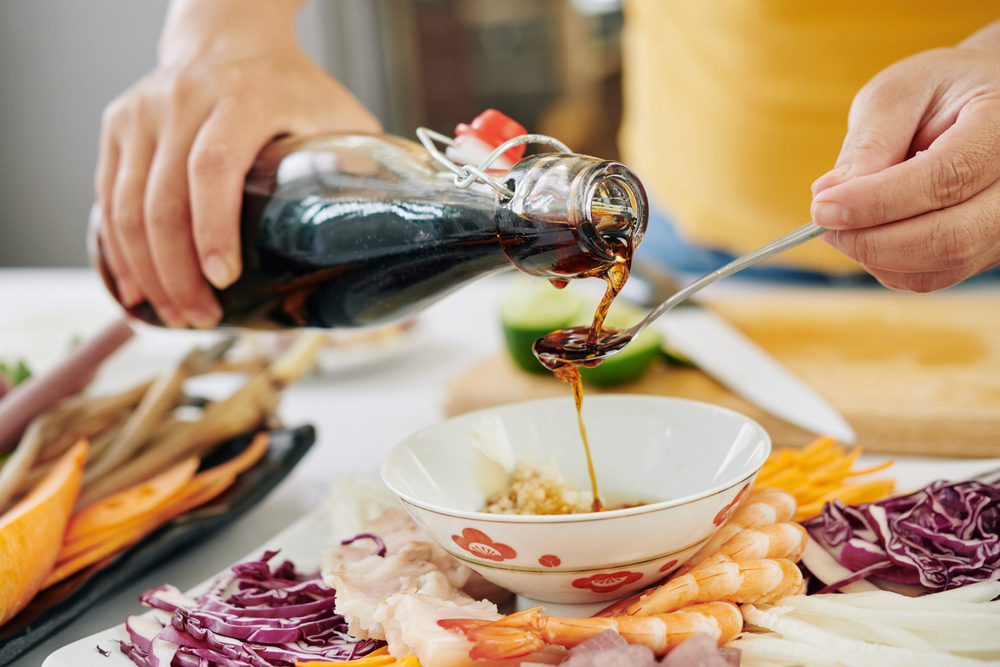
This fermented sauce isn’t just for Asian cooking—it’s a secret weapon that adds savory depth to almost anything. Soy sauce contains umami, the fifth taste that makes food incredibly satisfying and complex. A splash can deepen the flavor of stews, marinades, salad dressings, and even scrambled eggs.
Use it in stir-fries, fried rice, noodle dishes, or as a marinade for meat and tofu. The salty, slightly sweet flavor enhances other ingredients without making dishes taste Asian unless that’s your goal. Many chefs add a few drops to their cooking without anyone knowing it’s there.
Low-sodium versions give you more control over salt levels while still providing that essential umami punch.
8. Butter
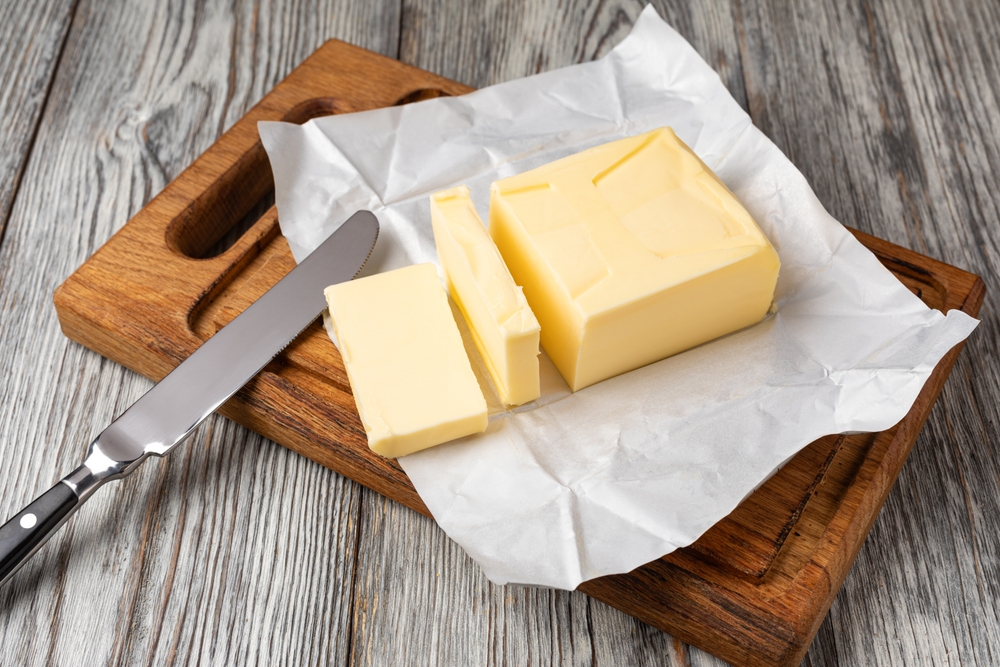
Good butter makes everything taste better, from vegetables to steak to simple toast. While olive oil has its place, butter adds a rich, creamy flavor that feels indulgent and comforting. Finishing dishes with a knob of cold butter creates a glossy sauce that clings beautifully to food.
Toss it with hot pasta, melt it over corn on the cob, or use it to baste meat while cooking. Compound butters mixed with herbs or garlic can be made ahead and used to instantly upgrade any meal. European-style butters have higher fat content, which means more flavor and better texture.
Room temperature butter spreads easily and creams better for baking projects too.
9. Balsamic Vinegar
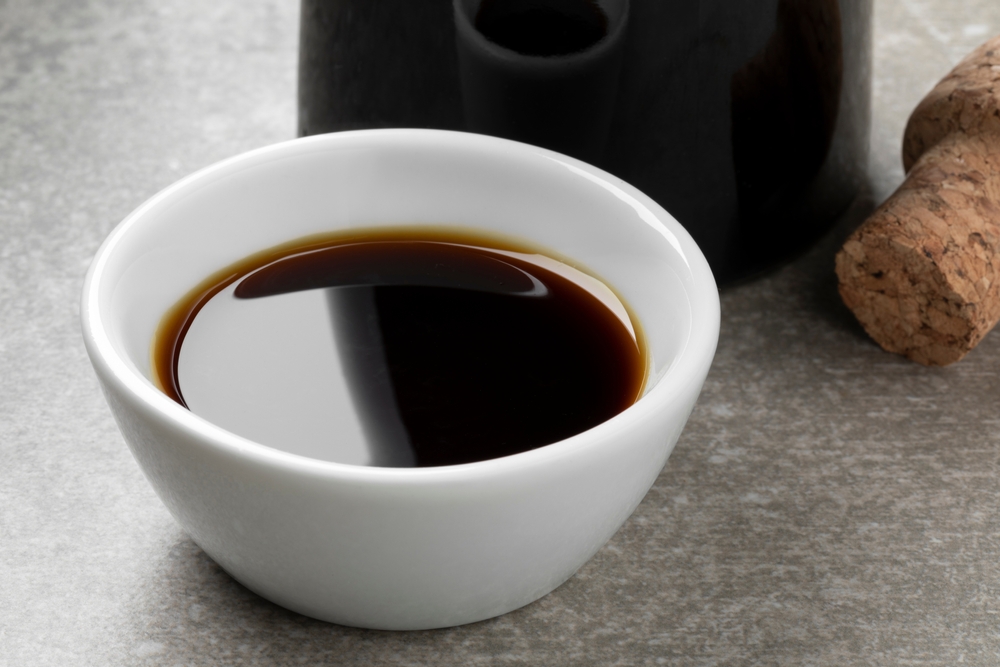
Sweet, tangy, and complex, balsamic vinegar adds sophistication to both savory and sweet dishes. The aged versions develop a syrupy consistency and concentrated flavor that’s almost like a sauce on its own. Unlike regular vinegar, balsamic has natural sweetness from the grapes it’s made from.
Drizzle it over strawberries, caprese salad, roasted Brussels sprouts, or grilled chicken for an elegant touch. You can reduce it on the stove to make a glaze that’s even more intense and delicious. The dark color also makes plates look more interesting and restaurant-worthy.
Did you know? Traditional balsamic from Modena, Italy, ages for at least 12 years in wooden barrels!
10. Red Pepper Flakes
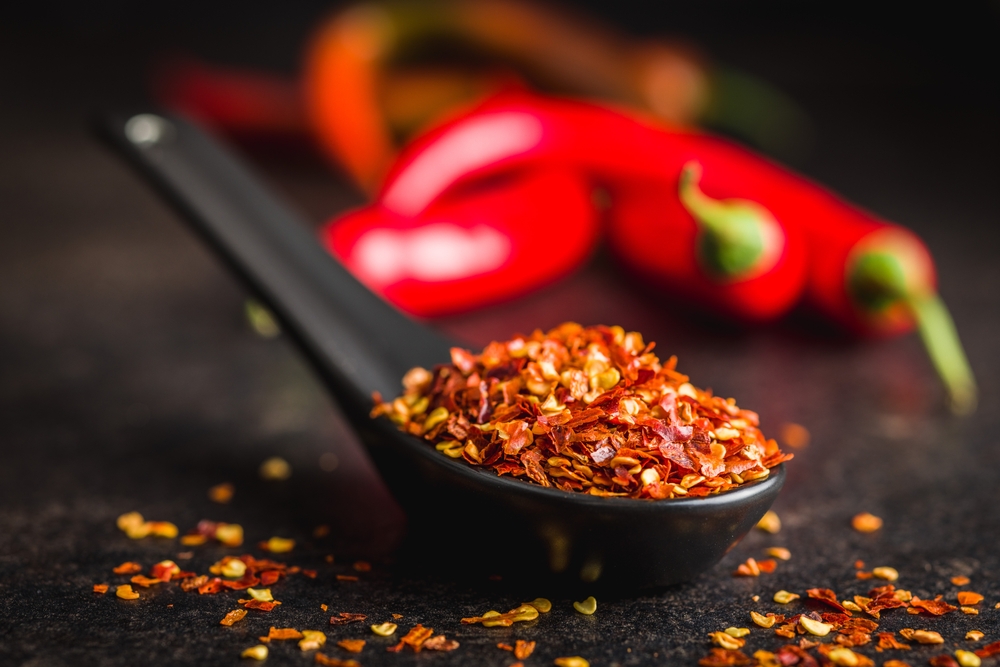
Heat wakes up your taste buds and makes every other flavor more noticeable, which is why red pepper flakes are so valuable. Just a pinch adds warmth and complexity without making dishes painfully spicy. The dried chili flakes infuse oil beautifully and distribute heat evenly throughout your cooking.
Sprinkle them on pizza, pasta, roasted vegetables, or scrambled eggs for a gentle kick. They’re perfect for people who want a little excitement without overwhelming heat. You can control the spice level easily by adding more or less to suit your preferences.
Toasting the flakes briefly in oil before adding other ingredients releases their flavor and creates fragrant cooking oil.