 MomSkoop
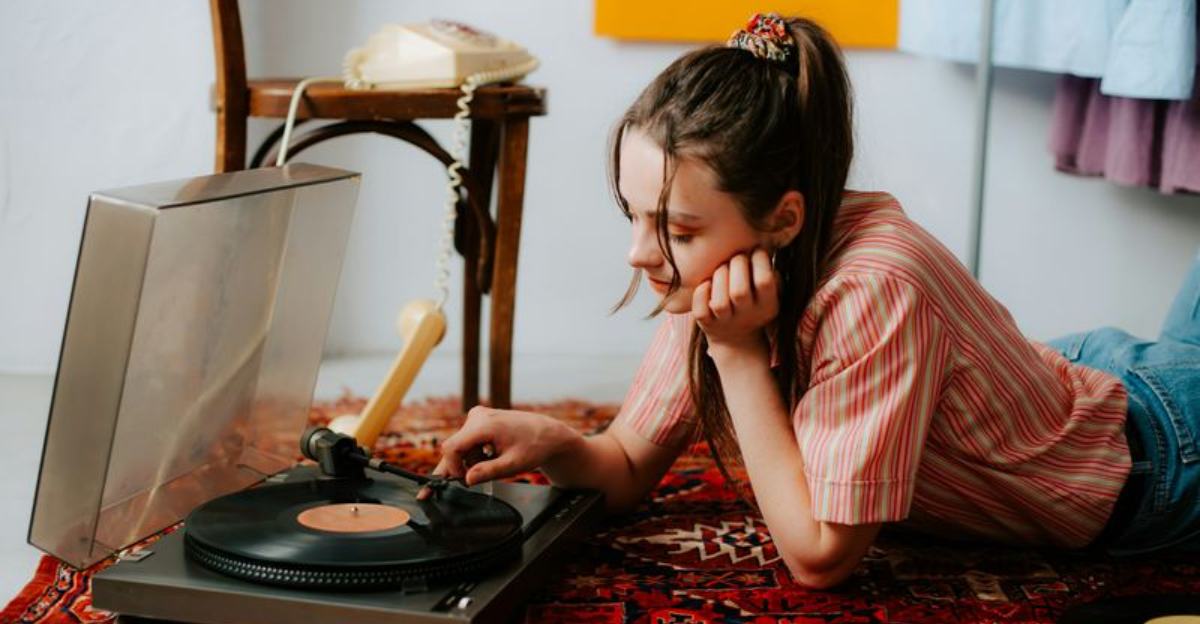
Before smartphones and endless to-do lists, people in the 60s and 70s discovered happiness in the smallest, slowest moments. They didn’t need money or a packed schedule to feel content.
Joy came from simple things like talking for hours, listening to music, or just watching the world go by. These forgotten pleasures remind us that doing less can actually mean feeling more.
1. Sitting around talking for hours
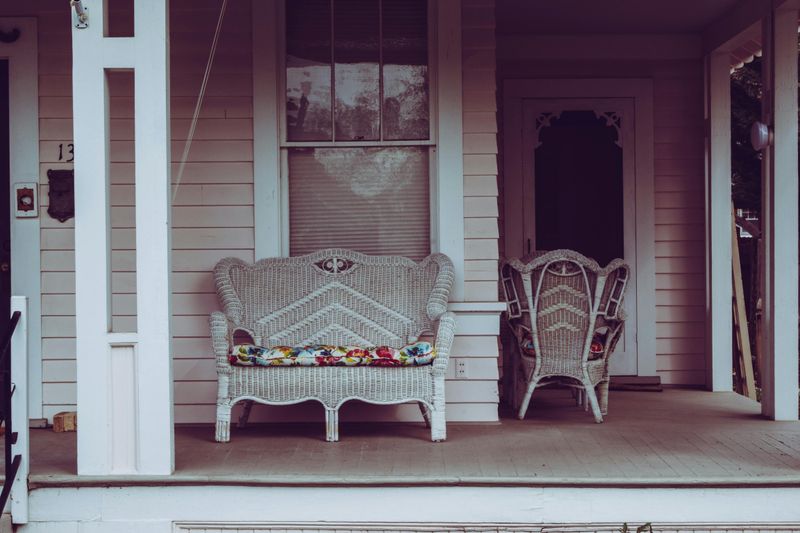
Conversations used to stretch across entire afternoons and evenings without anyone checking the time.
Friends gathered on porches, sprawled across kitchen floors, or sat cross-legged on bedroom carpets, talking about everything and nothing.
Silence wasn’t awkward—it was part of the rhythm.
Nobody felt pressured to be entertaining or productive.
Stories unfolded slowly, punctuated by laughter, long pauses, and the occasional deep question.
There were no notifications pulling attention away, just people fully present with each other.
These marathon talks built closeness that felt effortless.
They weren’t scheduled or planned—they just happened when people had time and nowhere else to be.
Connection was the whole point, not a side effect.
2. Listening to full albums straight through
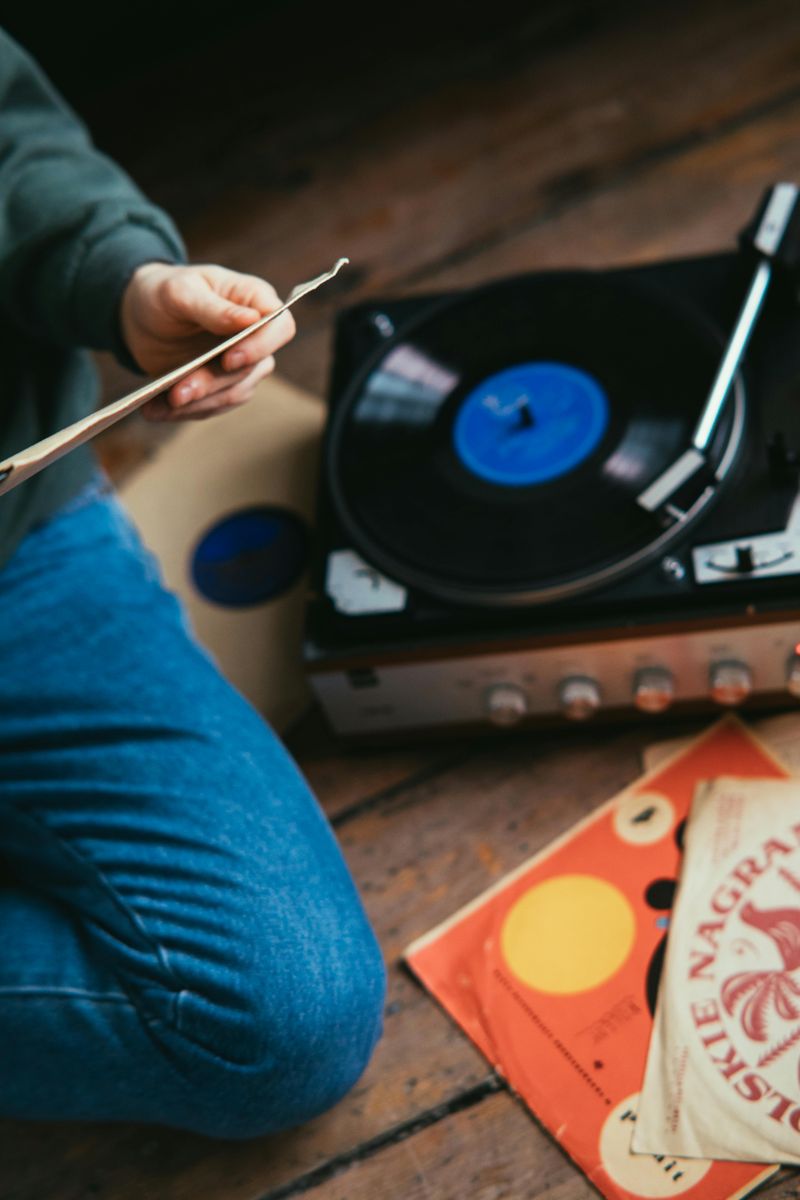
Records weren’t background noise—they were events.
People would drop the needle on an album and commit to hearing every song in order, exactly as the artist intended.
Lying on the floor, staring at the ceiling, they let the music wash over them without skipping or shuffling.
Album covers became art to study while listening.
Lyrics were read like poetry, and transitions between tracks mattered.
The crackling warmth of vinyl added texture to the experience, making it feel richer and more intentional.
This wasn’t multitasking; it was full immersion.
Finishing an album felt like completing a journey, and favorite records were played until the grooves wore thin.
Music demanded attention, and people gladly gave it.
3. Taking long, aimless walks or bike rides
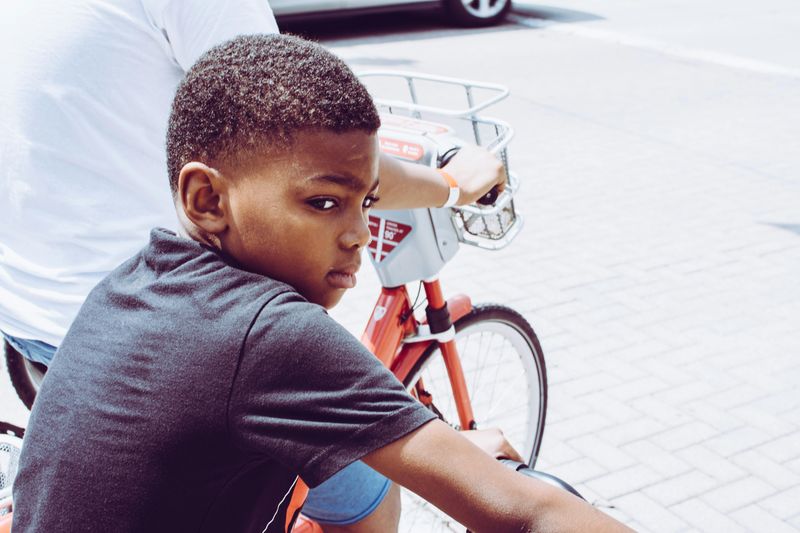
Walking or biking without a destination was a form of freedom kids and adults both craved.
There were no fitness trackers counting steps or apps mapping routes—just the open road and curiosity about where it led.
Turning back happened when it felt right, not when a timer buzzed.
These wanderings offered time to think, daydream, or simply notice things.
A interesting house, a dog barking, the way light filtered through trees—small details became memorable without trying.
Movement felt good because it wasn’t tied to self-improvement.
Nobody asked where you were going or why.
The journey itself was enough.
This kind of aimless exploration taught people to trust their instincts and enjoy being alone with their thoughts.
4. Daydreaming and people-watching
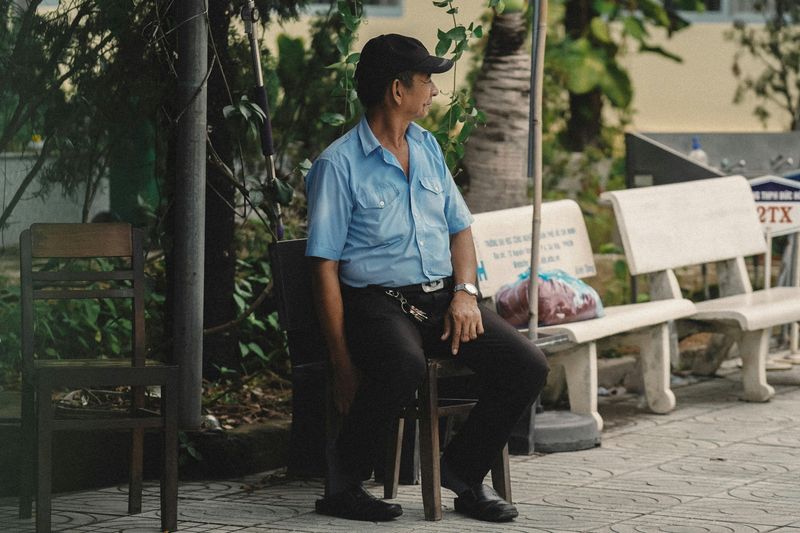
Windows, stoops, and park benches became front-row seats to life’s unscripted theater.
People would sit for hours just watching strangers walk by, imagining their stories and destinations.
Daydreaming wasn’t considered wasting time—it was how minds recharged and creativity sparked.
There was something meditative about observing without participating.
Noticing fashion choices, body language, and snippets of overheard conversation made the world feel endlessly interesting.
Boredom transformed into curiosity when you paid attention to ordinary moments.
This quiet observation taught patience and presence.
Unlike scrolling through curated feeds, people-watching revealed authentic, unfiltered humanity.
Every person passing by carried mysteries worth wondering about, even if you’d never know the answers.
5. Hanging out at home doing “nothing”

Being bored together was its own form of companionship.
Friends would gather at someone’s house without plans, flipping through TV channels, leafing through magazines, or just existing in the same space.
The comfort came from shared presence, not constant entertainment.
Silence between friends felt natural, not awkward.
Someone might randomly start a conversation, or everyone would just zone out watching whatever was on.
There was no pressure to make every moment meaningful or Instagram-worthy.
These “nothing” hangouts built deep familiarity.
You learned someone’s habits, moods, and quirks just by being around them without distraction.
Friendship didn’t require constant activity—sometimes proximity was enough to feel connected and content.
6. Writing letters or notes just for expression

Putting pen to paper slowed thoughts down in a way typing never could.
Letters weren’t about efficiency—they were about taking time to express feelings carefully, crossing out mistakes, and choosing words that mattered.
Each sentence felt more intentional because you couldn’t just delete and retype.
People wrote to friends across town or family far away, but also to themselves.
Journals captured daily thoughts without worrying about audience or likes.
The physical act of writing connected mind and hand in a satisfying, almost meditative way.
Receiving a handwritten letter felt special because someone invested real time and effort.
You could see their handwriting, maybe a doodle in the margin, proof they were thinking specifically about you.
Communication moved slower but meant more.
7. Playing casual games without keeping score
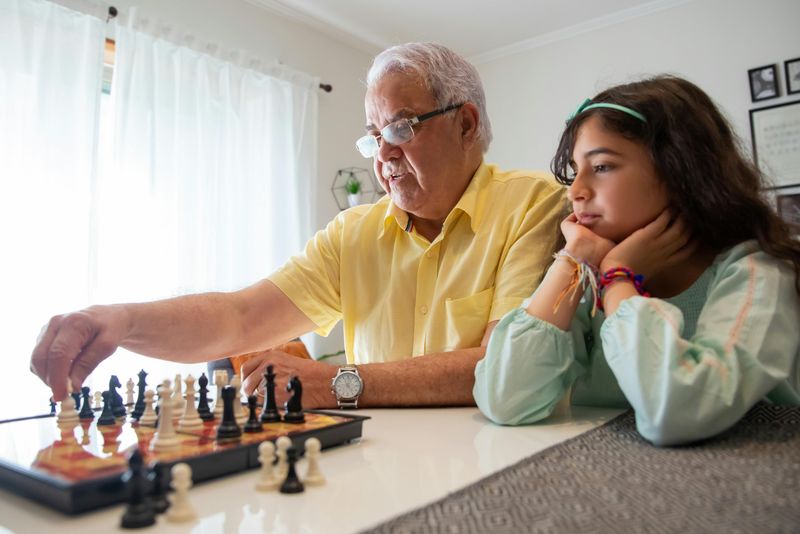
Cards, board games, and backyard activities happened without fierce competition.
Winning was nice, but laughing at mistakes and enjoying each other’s company mattered more.
Rules got bent or forgotten, and nobody minded because fun trumped fairness.
Games provided structure for togetherness without the pressure of performance.
A round of cards could stretch for hours with conversation woven throughout.
Backyard games like catch or kickball happened spontaneously, ending when people got tired or hungry.
This casual approach kept play joyful instead of stressful.
Kids and adults mixed freely because skill levels didn’t determine who could participate.
The goal was simply passing time pleasantly together, making memories through shared laughter and gentle competition.
8. Listening to the radio and waiting for songs
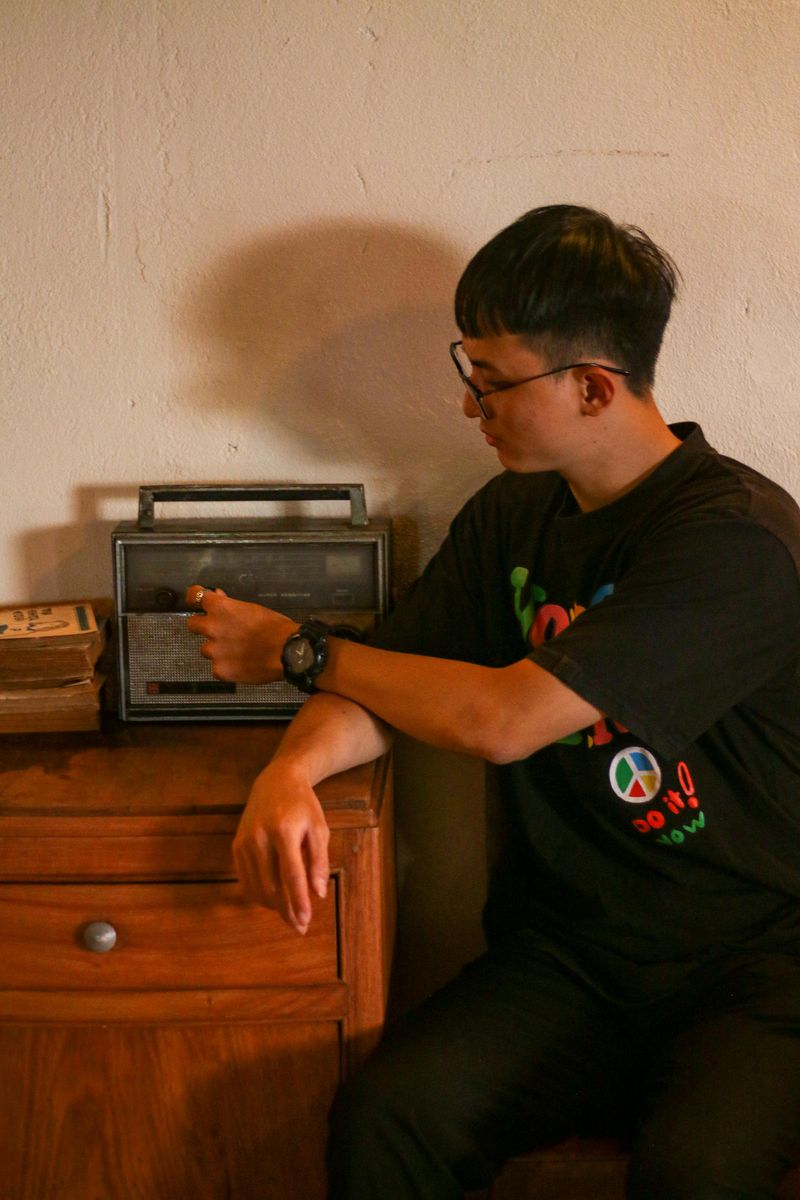
Radio listening required patience and a bit of luck.
You couldn’t skip tracks or create playlists—you waited, sometimes through songs you didn’t like, hoping your favorite would play next.
When it finally came on, the joy felt earned and special.
DJs became familiar voices, almost like friends who understood your taste.
Dedication requests added personal connection, and hearing your name on air felt thrilling.
The radio provided soundtrack and companionship, especially during late-night listening sessions.
This anticipation made music more precious.
You couldn’t summon any song instantly, so when the right one played, you turned it up and gave it your full attention.
Scarcity created appreciation in ways unlimited access never could.
9. Lying on the grass and watching clouds or stars

Grass-stained clothes and dirt under fingernails came from hours spent flat on your back, studying the sky.
Clouds morphed into dragons, ships, and faces while conversations drifted between silly observations and surprisingly deep questions.
Time disappeared when you looked up instead of around.
Nighttime stargazing felt even more magical.
Without light pollution drowning out stars, constellations glowed bright enough to trace with your finger.
Meteors sparked excitement, and the vastness overhead made everyday problems feel smaller and more manageable.
This simple act cost nothing but offered everything—wonder, peace, perspective.
No equipment needed, no special location required.
Just earth beneath you, sky above, and permission to do absolutely nothing but look and think.
10. Spontaneous visits

Knocking on someone’s door unannounced wasn’t rude—it was normal.
You’d just show up to see if a friend was home and available to hang out.
Sometimes they were busy, and you’d leave.
Other times, you’d end up staying for hours without planning to.
These surprise visits kept friendships alive through regular, low-pressure contact.
There were no lengthy text exchanges coordinating schedules weeks in advance.
Spontaneity meant more opportunities for connection, even if they were brief or unplanned.
Being welcomed into someone’s home without warning felt intimate and trusting.
You saw their real life, not the cleaned-up version prepared for guests.
These casual drop-ins wove friendship into daily routine, making relationships feel effortless and constantly renewed.