 MomSkoop
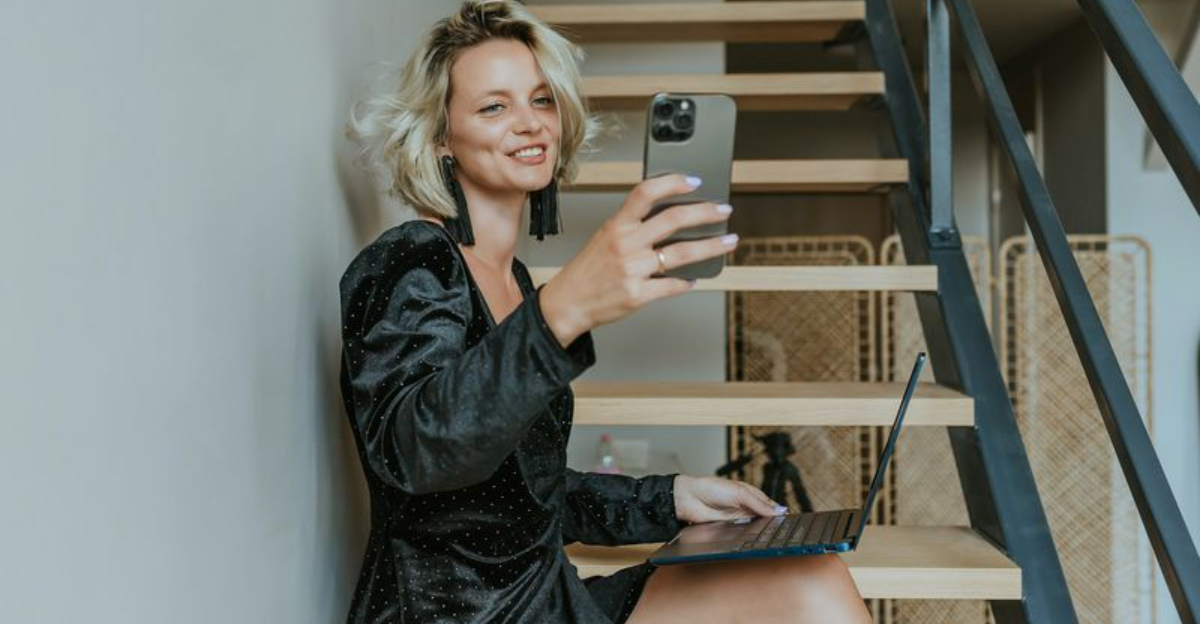
Social media was supposed to bring people closer, but somewhere along the way, it started feeling more like a performance than a conversation. Scroll through any platform today and you will notice the same patterns repeating over and over again.
From fake relatability to never-ending ads, users are starting to quietly check out. Here are ten social media trends that a whole lot of people are done with.
1. Overly Polished Authenticity
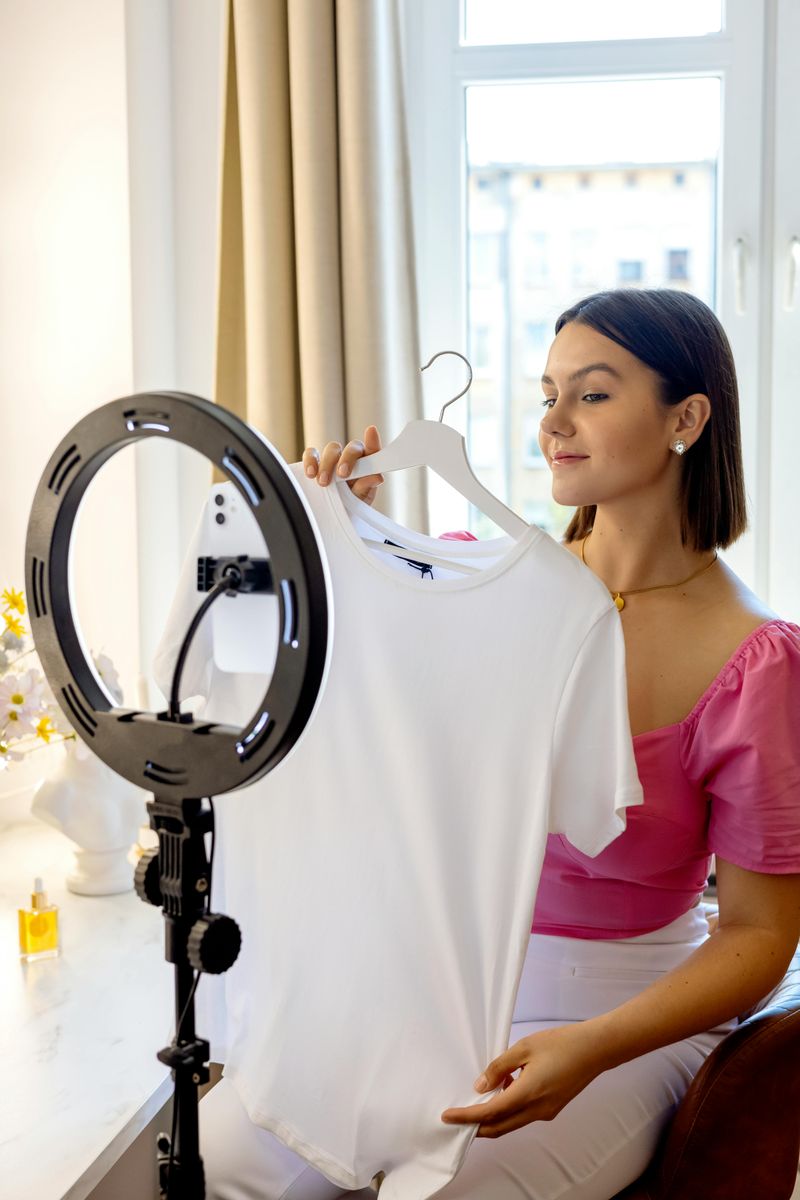
There is something oddly exhausting about watching someone claim to be “real” while every hair is in place and the lighting is flawless.
Creators often say they are showing their true selves, but the background is spotless, the outfit is sponsored, and the caption was probably rewritten five times.
Audiences are smart.
They can feel the gap between what is being sold as genuine and what is clearly a carefully crafted image.
Real moments are messy, unplanned, and sometimes unflattering.
Followers are not asking for perfection.
They actually want less of it.
When authenticity becomes another aesthetic, it stops being authentic at all, and people are starting to scroll right past it.
2. AI-Generated Everything

Remember when you could tell a real person wrote something because it had a typo or a weird joke that only made sense to them?
That feeling is getting harder to find.
AI-generated captions, voiceovers, and even full virtual influencers are flooding every major platform right now.
The problem is not that AI exists.
It is that when everything starts sounding the same, polished, generic, and emotionless, the whole experience of scrolling feels hollow.
People follow creators because they want connection, not content output.
When a post could have been written by a machine, and probably was, it is tough to care.
Audiences are craving something that actually has a human heartbeat behind it.
3. Engagement-Bait Posts
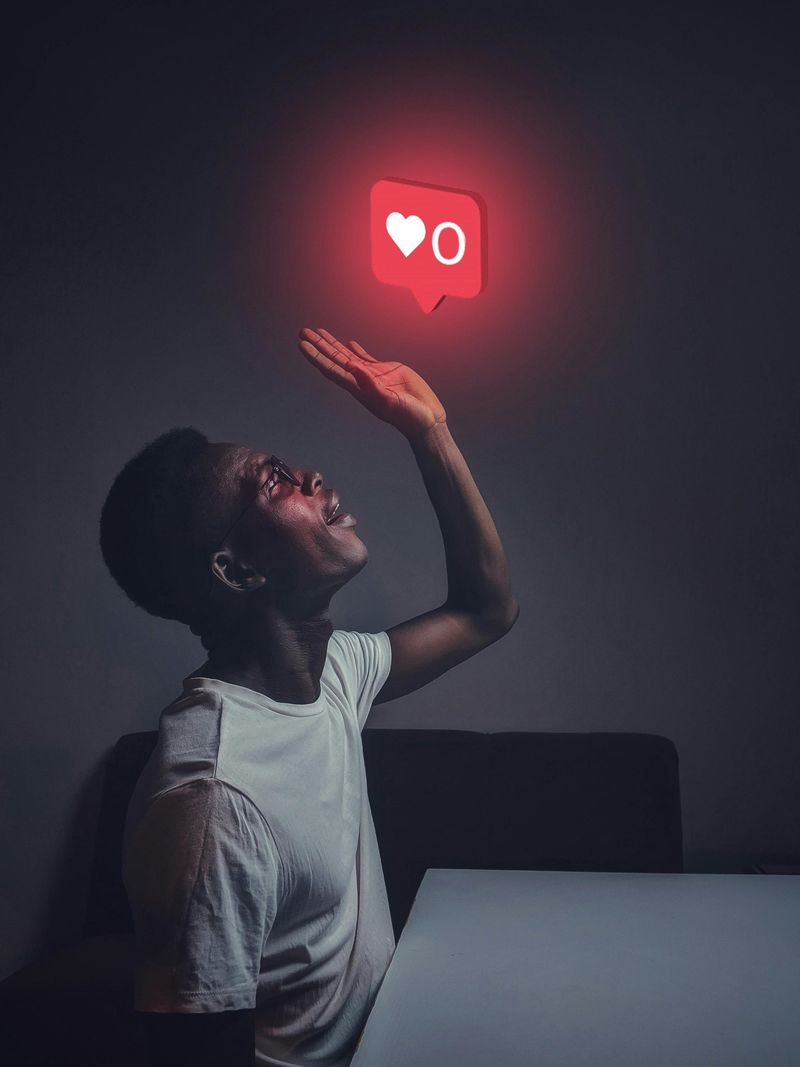
“Tag a friend who needs this.” “Comment your zodiac sign below.” “Like if you remember this.” Sound familiar?
Engagement-bait posts are everywhere, and they have officially worn out their welcome with most users.
These posts are not designed to start real conversations.
They are engineered to trick algorithms into boosting a creator’s reach by forcing interaction.
The content itself usually means nothing.
It is just a hook with no substance attached.
What makes it worse is how obvious the formula has become.
Everyone knows what is happening, and yet the posts keep coming.
Audiences want to engage because something moved them, not because they were nudged into clicking a reaction button like a trained response.
4. Constant Short-Form Video Overload
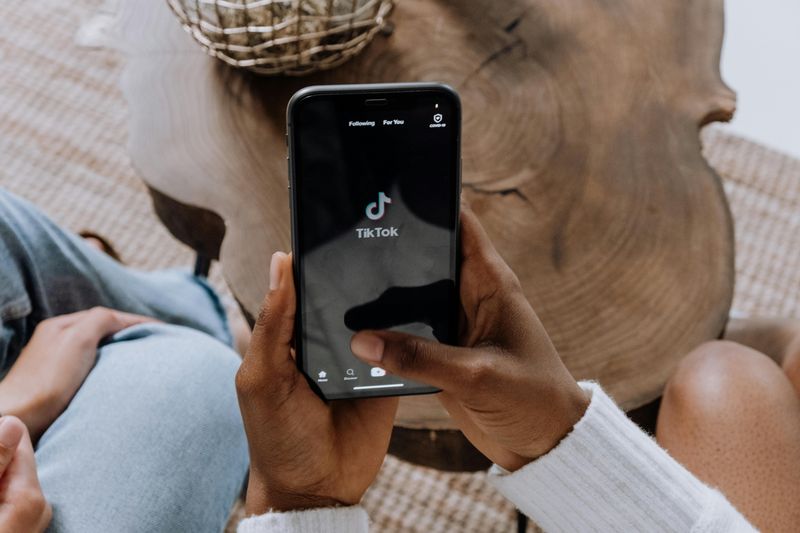
Short-form video was a game changer when it first took off.
Quick, punchy, entertaining clips felt refreshing compared to long, drawn-out content.
But somewhere between the millionth reel and the billionth TikTok, something shifted.
The endless scroll design is not accidental.
Platforms are built to keep eyes glued to screens by serving up one short clip after another with no natural stopping point.
Many users now describe the experience as mindless rather than enjoyable.
Content fatigue is real, and researchers have started linking heavy short-form video consumption to shorter attention spans and higher stress levels.
More and more people are setting screen time limits or deleting apps entirely, quietly admitting the format has stopped being fun.
5. Influencers Selling in Every Post
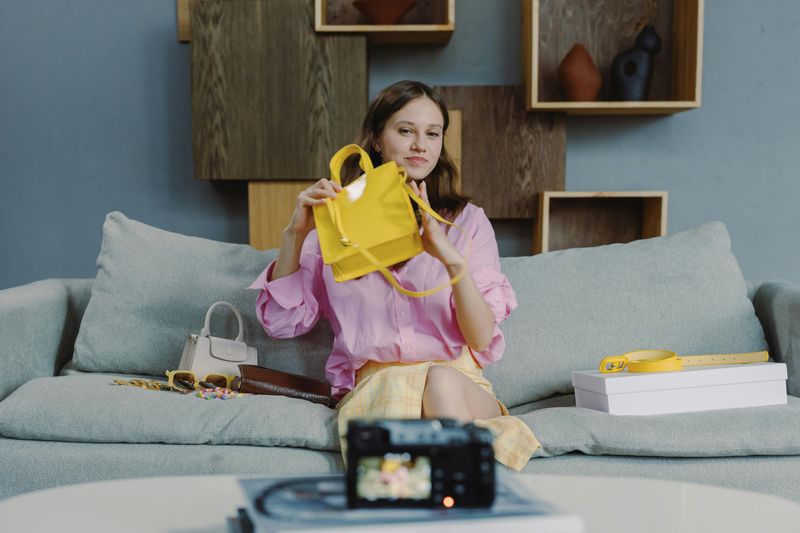
Once upon a time, a product recommendation from a creator you liked felt like advice from a friend.
Now, opening an influencer’s page often feels like walking into a shopping mall where every single aisle is sponsored.
When every post, story, and video includes an affiliate link or discount code, trust erodes fast.
Followers start wondering whether any opinion is genuine or if everything is just a paid placement dressed up as personal experience.
The irony is that influencer marketing works best when it feels natural and occasional.
Audiences are not opposed to creators making money.
They just want to feel like the relationship is more than a transaction.
Constant selling turns followers into customers, and customers eventually stop showing up.
6. Unrealistic Day-in-the-Life Content
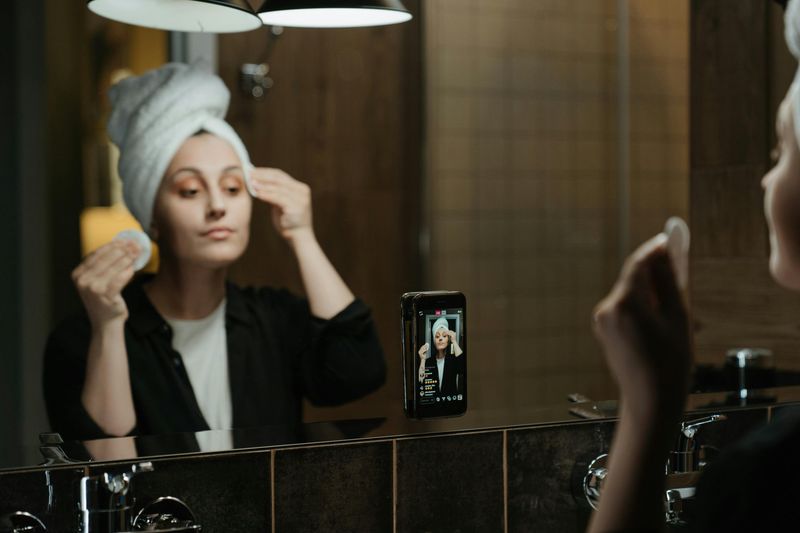
Waking up at 5am, completing a full workout, making a green smoothie, reading for an hour, and starting a productive workday by 7am sounds inspiring until you realize most people are just trying to find clean socks before they leave the house.
Day-in-the-life videos have become a genre of their own, and a deeply unrealistic one.
Luxury apartments, personal chefs, home gyms, and flawless skincare routines are presented as normal, achievable lifestyles for anyone willing to try hard enough.
For viewers who are genuinely struggling, this content does not motivate.
It isolates.
Many creators have started pushing back on this trend by showing messier, more honest versions of their days, and audiences are responding with visible relief.
7. Fake Relatability
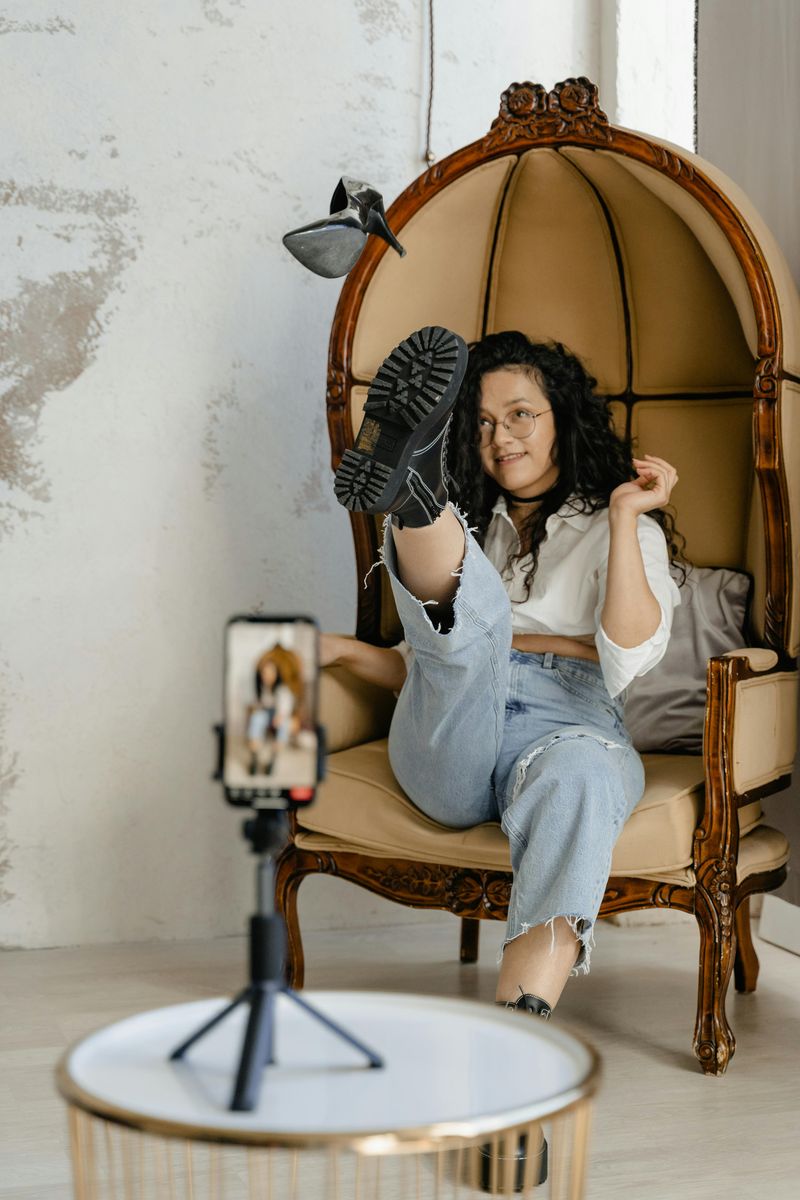
There is a specific kind of cringe that comes from watching someone with a massive house, a personal assistant, and a full glam team say, “Honestly, I am such a mess.” Fake relatability has become one of the most recognized and mocked trends on social media right now.
Creators who perform chaos while living clearly curated lives are not fooling anyone anymore.
Audiences have developed a sharp radar for the difference between someone who is genuinely imperfect and someone who is strategically performing imperfection for likes.
Real connection does not come from pretending to struggle.
It comes from honesty.
Followers want to see the actual person behind the account, not a character designed to seem approachable while still being aspirational.
8. Vagueposting
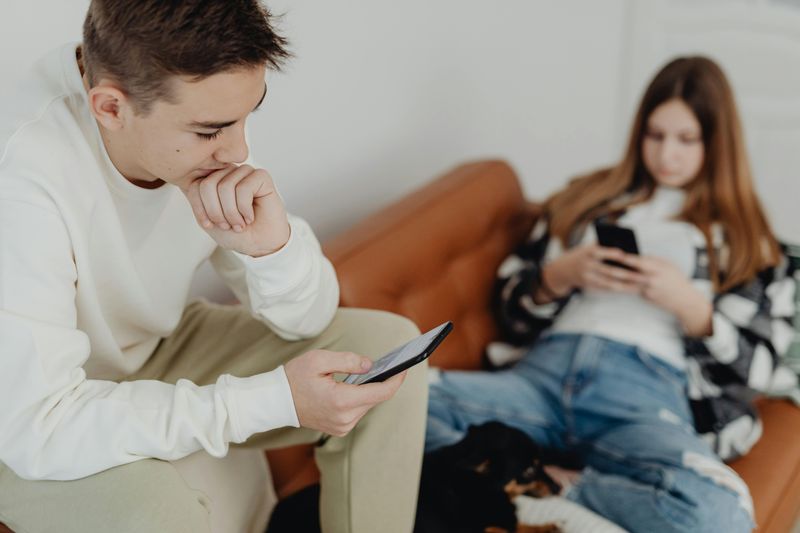
“Not going to say names, but some people really need to check themselves.” Posts like this have been clogging up feeds for years, and the collective patience for them is running very thin.
Vagueposting is the art of saying just enough to get attention while revealing nothing of actual value.
It works on curiosity.
Humans are naturally wired to want answers, so a mysterious post pulls in comments asking what happened, which is exactly the point.
The problem is that it feels manipulative once you recognize the pattern.
Most people do not want drama they are not part of.
When someone posts cryptically on purpose, it signals a need for attention rather than support.
Audiences have started muting, unfollowing, or simply ignoring these posts at record rates.
9. Brands Chasing Every Trend
Few things are more uncomfortable to witness than a major corporation trying to use internet slang in a tweet. “No cap, our new burger is lowkey fire” is the kind of sentence that makes everyone cringe, including the marketing team that probably argued about it for three meetings.
Brands chasing viral trends often miss the point entirely.
By the time a company’s social team gets approval to use a meme, that meme is usually already two weeks dead.
The result is content that feels desperate rather than clever.
Audiences respect brands that have a consistent, honest voice far more than ones that shapeshift with every trending audio clip.
Trying too hard to be cool is the fastest way to look like you have no idea what cool actually means.
10. Toxic Productivity Culture
At some point, social media decided that every waking moment should be optimized, monetized, or at least documented.
Rise and grind.
Sleep is for the weak.
Your free time is just wasted potential.
These messages have been repeated so many times they started to feel like facts.
Toxic productivity culture disguises itself as motivation, but it often leads to burnout, anxiety, and a deeply unhealthy relationship with rest.
People began realizing that constantly measuring their worth by output is exhausting and unsustainable.
A growing number of creators are pushing back with content that celebrates doing less, resting without guilt, and finding value outside of achievement.
Audiences are responding enthusiastically because, honestly, everyone is tired of being told they are not doing enough.