 MomSkoop

Some people just have a way of walking into a room and making everyone pay attention. It’s not magic, and it’s not about being the loudest voice. Confident people use small, smart habits that quietly shift how others see and respond to them. Once you know what these habits are, you can start using them too.
1. Start Small, Then Build

Ever notice how it’s hard to say no once you’ve already said yes?
That’s the power behind starting small.
When you ask someone for a tiny favor first, they begin to see themselves as someone who helps you.
Their brain locks in on that identity.
So when you come back with a bigger request, they’re far more likely to agree — because it feels consistent with who they already decided to be.
Salespeople, negotiators, and even teachers use this trick all the time.
Start with something easy and low-stakes.
Then gradually work your way up.
You’re not being sneaky — you’re being smart about how people build commitment.
2. Give People Options, but Limited Ones
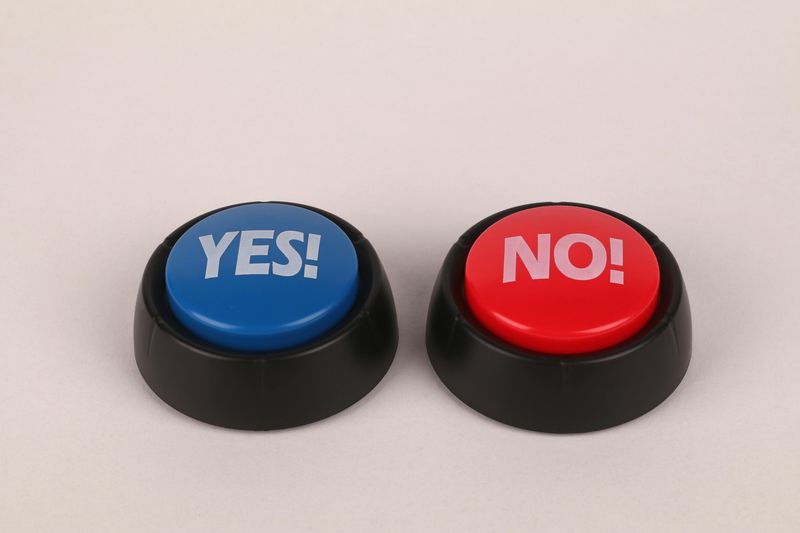
Too many choices can actually freeze people.
Psychologists call it “decision fatigue,” and confident people know how to use this to their advantage.
Instead of asking an open-ended question like “What do you want to do?” try offering two or three solid options.
You’re still giving the other person control — but within a range you’ve already chosen.
This habit works in meetings, parenting, sales, and everyday conversations.
It keeps things moving forward without making anyone feel pressured or cornered.
People feel respected when they get to choose.
And you stay in control of the outcome.
That’s a quiet kind of power that confident people use naturally.
3. Ask for a Small Favor

Here’s something surprising: asking someone for help can actually make them like you more.
It sounds backwards, but science backs it up.
When someone does a favor for you, their brain justifies the effort by deciding you must be worth helping.
This is sometimes called the Benjamin Franklin Effect — named after the founding father who reportedly used this trick himself.
The key is keeping the ask small and genuine.
Don’t fake it or overdo it.
A simple “Hey, could you help me with this?” goes a long way.
People who feel useful feel connected.
And connection is exactly what confident people build with the people around them.
4. Pay Attention to How You Speak

Confidence isn’t just what you say — it’s how you say it.
The tone, pace, and clarity of your voice send powerful signals before your words even land.
Speak too fast, and people assume you’re nervous.
Trail off at the end of sentences, and your ideas sound uncertain.
But a steady, clear voice with natural pauses?
That signals authority.
Experts suggest recording yourself in conversation occasionally.
Most people are surprised by habits they didn’t know they had — like filler words, rising inflections, or mumbling.
Once you hear it, you can fix it.
Adjusting how you speak is one of the fastest ways to shift how others perceive your confidence.
5. Use Silence Strategically

Most people rush to fill silence because it feels uncomfortable.
Confident people do the opposite — and that discomfort becomes their advantage.
When you pause after making a point, it signals that you believe what you just said is worth sitting with.
You’re not scrambling to justify yourself.
That quiet confidence is magnetic.
Silence also gives the other person space to respond, reveal more than they planned to, or reconsider a position.
In negotiations, whoever speaks first after a tense pause often gives up more ground.
Practice letting silence breathe.
It takes some getting used to, but once you master it, you’ll notice people start taking your words far more seriously.
6. Keep Your Points Short and Focused

Rambling is the enemy of influence.
When you talk too long, people stop listening — and your key message gets buried under all the extra words.
Confident communicators know how to cut to the core of what they mean.
They say it clearly, back it up briefly, and then stop.
That restraint actually makes their ideas stick more.
Think of it like texting versus emailing.
A short, direct message gets read and remembered.
A long one gets skimmed or ignored.
Before you speak in any important moment, ask yourself: what’s the one thing I really need them to hear?
Lead with that, and let your point do its own work.
7. Take Micro-Pauses Before Answering Someone

Jumping in with an answer right away might feel responsive, but it can actually undermine your credibility.
A tiny pause — just one or two seconds — changes everything.
That brief moment signals that you’re actually thinking about what was said, not just reacting.
It shows respect for the question and confidence in your response.
People notice that, even if they can’t explain why.
Micro-pauses also give you a split second to collect your thoughts and avoid saying something you’ll regret.
In heated conversations, that pause can be the difference between a smart reply and a defensive one.
Slowing down by just a breath or two can make you seem far more composed and trustworthy than you might realize.
8. Resist the Urge to Argue Back

When someone pushes back hard on your idea, the instinct is to defend yourself immediately.
But confident people know that arguing back often makes things worse, not better.
Staying calm when someone challenges you sends a powerful message: you’re secure enough in your position that you don’t need to fight for it.
That kind of composure is deeply persuasive.
You can acknowledge someone’s point without agreeing with it.
A simple “I hear what you’re saying” keeps the conversation open and positions you as the reasonable one in the room.
People trust those who don’t lose their cool.
Choosing not to argue isn’t weakness — it’s one of the most quietly powerful moves a confident person can make.
9. Nod While You’re Speaking

Nodding isn’t just for listening — it works when you’re the one talking too.
Research in body language shows that nodding while you speak subtly encourages the listener to agree with you.
It’s a form of nonverbal priming.
Your head movement signals “yes,” and the person watching you starts to feel aligned with what you’re saying, often without realizing it.
This habit works best when it’s slow and natural, not frantic or forced.
Overdoing it looks nervous.
A calm, steady nod looks like quiet conviction.
Pair it with steady eye contact and a relaxed posture, and you create an overall presence that feels grounded, warm, and genuinely easy to agree with.
10. End the Conversation First

Whoever ends the conversation first holds a quiet kind of power.
Most people wait for the other person to wrap things up — but confident people take that role on purpose.
Closing down a conversation before the other person does leaves them wondering what else you might have said.
That curiosity keeps you in their mind long after you’ve walked away.
It’s a subtle version of “leave them wanting more” — a principle that performers, writers, and savvy communicators have used for centuries.
You don’t need to be abrupt or rude about it.
A warm, decisive sign-off like “I’ve really enjoyed this — let’s pick it up again soon” does the job perfectly and leaves a lasting impression.