 MomSkoop
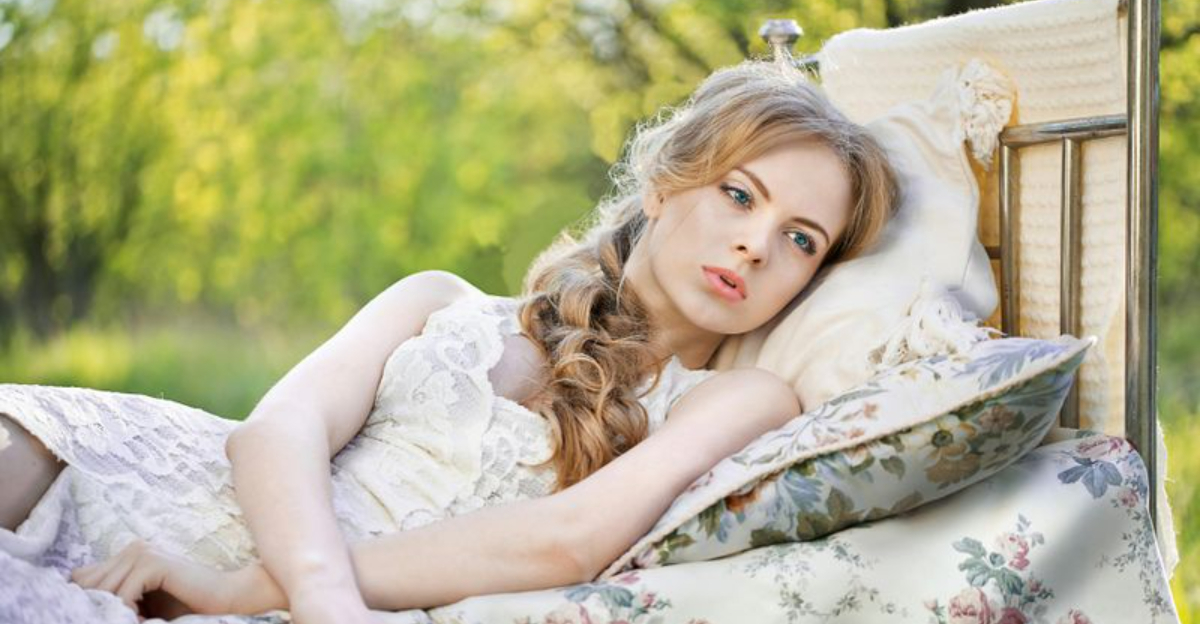
Beauty standards have shifted dramatically throughout history. What men found attractive centuries ago might surprise you today. From features that signaled wealth to traits that hinted at good health, these historical preferences tell fascinating stories about different cultures and time periods.
1. A Fuller, Softer Body

Curves told a powerful story in centuries past. During Ancient Greece and especially the Renaissance, a rounder, softer physique meant something completely different than it does now. Women with fuller figures were seen as healthy, fertile, and prosperous—three qualities highly valued in potential partners.
Thinness actually suggested poverty or illness. If you had extra weight, it meant you could afford plenty of food and didn’t have to do grueling physical labor. Artists like Rubens celebrated these fuller forms in their paintings, capturing what society truly admired.
The idea that one body type fits all is surprisingly modern. For most of human history, softness and curves were the gold standard of beauty and desirability.
2. Very Pale Skin
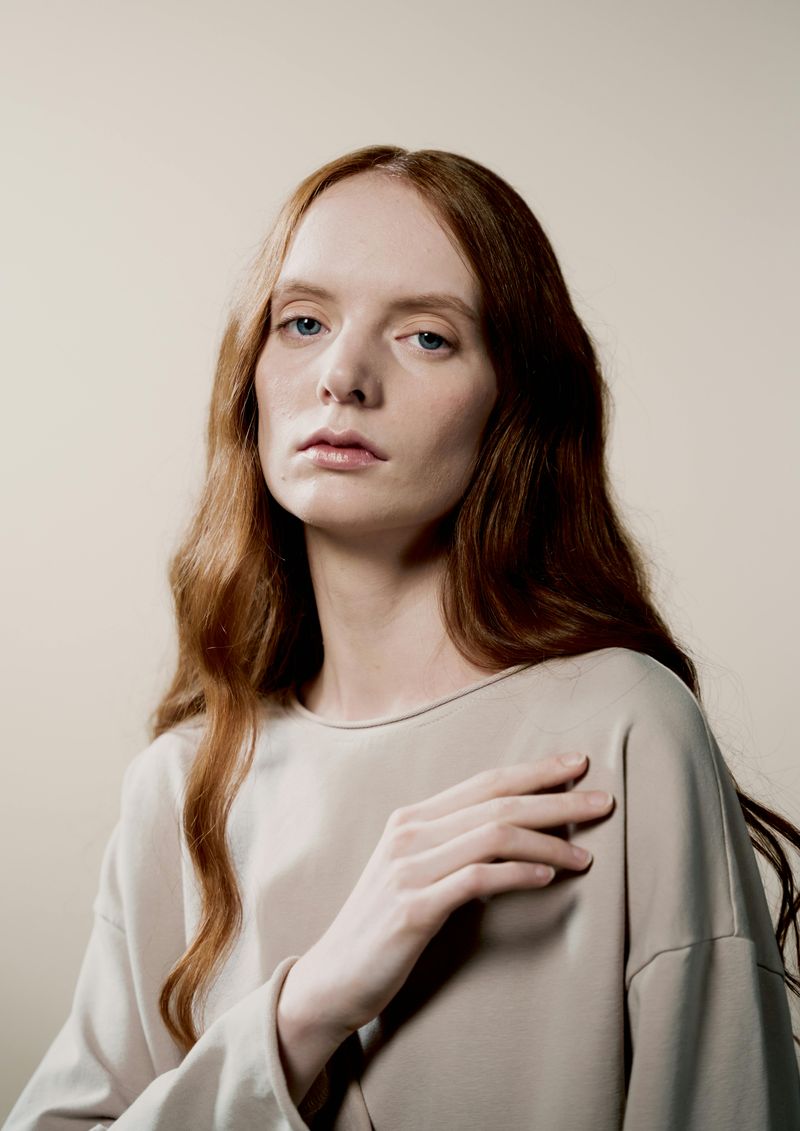
Porcelain skin was once a status symbol across Europe and Asia. The paler you were, the clearer it became that you spent your days indoors rather than toiling under the sun. Working-class people developed tans from outdoor labor, so pale skin instantly communicated privilege and refinement.
Women went to extreme lengths to maintain this look. They used powders, avoided sunlight, and even applied dangerous substances to lighten their complexions. Men associated this paleness with nobility, education, and delicate femininity.
Interestingly, this preference lasted for centuries across multiple continents. From Chinese courts to English manor houses, pale skin represented the ultimate mark of high social standing and beauty worth pursuing.
3. A High Forehead (Sometimes With a Shaved Hairline)

Fashion sometimes demanded real sacrifice. In late Medieval and Renaissance Europe, women deliberately plucked or shaved their hairlines to create towering foreheads. This wasn’t accidental—it was considered the height of elegance and sophistication.
A high forehead supposedly indicated intelligence and noble breeding. The bigger the forehead, the more refined and aristocratic you appeared. Portraits from this era showcase women with foreheads that would shock modern viewers, but back then, it was absolutely glamorous.
Imagine spending hours painfully removing hair just to look smarter! Yet women did exactly that, showing how far beauty standards can push people. Men of the era found this look irresistibly attractive and associated it with class and breeding.
4. A Tiny, Tightly Corseted Waist
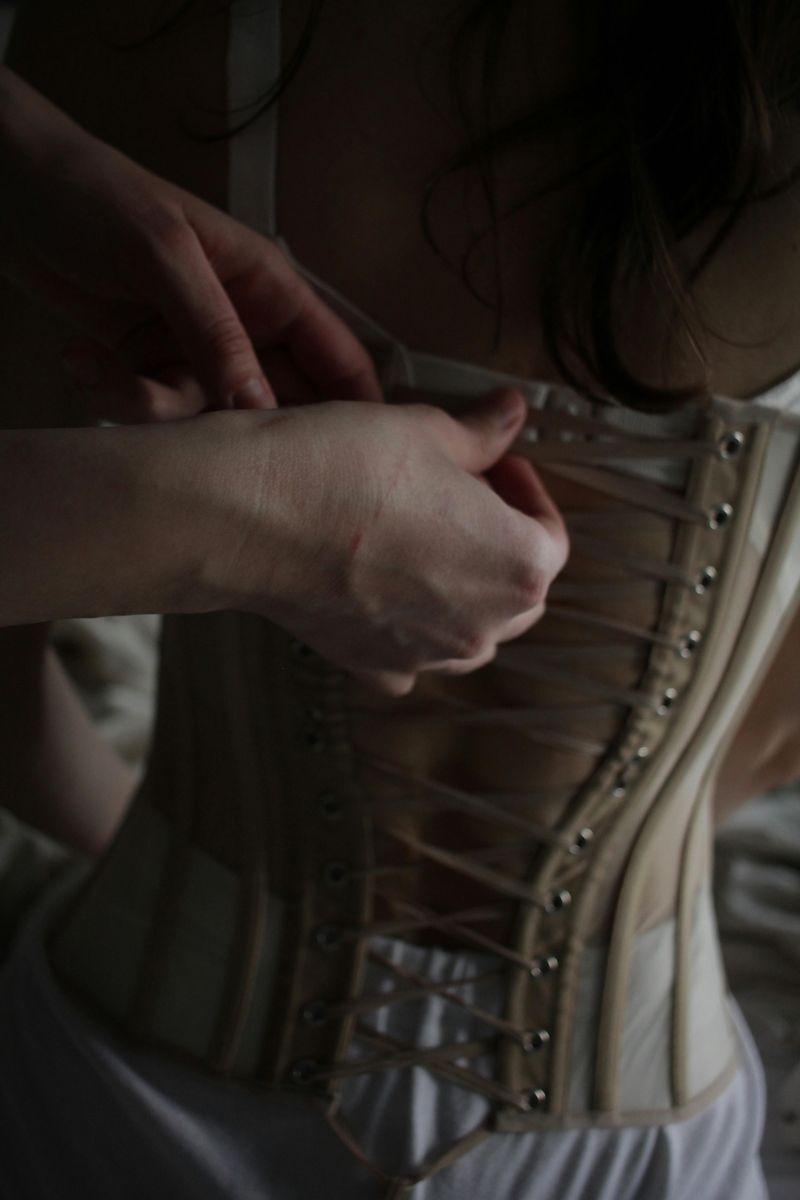
Victorian society practically worshipped the impossibly small waist. Women laced themselves into corsets so tight they could barely breathe, all to achieve that coveted hourglass silhouette. Men viewed this extreme proportion as the pinnacle of femininity and proper womanhood.
The smaller your waist, the more desirable you became. Some women reportedly achieved waist measurements under 18 inches through years of constant corseting. This practice caused real health problems, including displaced organs and breathing difficulties.
Yet fashion demanded it, and men expected it. The tiny waist symbolized discipline, femininity, and adherence to social norms. Women endured genuine discomfort and danger to meet this beauty standard that dominated an entire era of Western culture.
5. Rounded Belly and Visible Softness

Flatness wasn’t always the goal. In various historical periods, a gently rounded belly was actually considered quite attractive. This softness suggested prosperity, health, and the ability to bear healthy children—all important considerations in mate selection.
Being well-fed was a privilege, not something to hide. A visible belly meant you weren’t starving, which unfortunately was a real concern for many people throughout history. Men saw this roundness as a sign of good living and feminine appeal.
Some cultures even emphasized this feature in their art and literature. Rather than trying to appear flat or toned, women were encouraged to embrace natural softness. It represented abundance, fertility, and the kind of comfortable life everyone desired but few could afford.
6. Extremely Long Hair

Hair has always carried powerful symbolism. Throughout countless cultures and time periods, extremely long, thick hair represented vitality, youth, and sensuality. Men consistently found this trait captivating and associated it with feminine beauty and health.
Growing hair to impressive lengths required time, care, and good nutrition. It proved you were healthy enough to maintain it and had the leisure to style it properly. Short hair often indicated illness, poverty, or punishment.
Women rarely cut their hair except in dire circumstances. They treated it as their crowning glory, spending hours brushing, braiding, and displaying it. Men wrote poetry about long tresses and considered them one of the most attractive features a woman could possess, viewing them as windows into her overall health.
7. A Noticeable Blush or Rosy Cheeks

Flushed cheeks told their own story. In Renaissance art and throughout European history, rosy cheeks—whether natural or achieved through cosmetics—signaled youth, passion, and robust health. Men read these pink tones as signs of vitality and emotional warmth.
Good circulation meant good health. A natural blush suggested someone was alive, energetic, and full of feeling. Artists deliberately emphasized this feature in portraits, and women used rouge to enhance or fake the effect when nature didn’t cooperate.
Paleness was prized, but not the sickly kind. The perfect combination was pale skin with rosy cheeks, suggesting both refinement and vibrant health. This delicate balance became a beauty obsession, with men favoring women who achieved this particular look naturally or otherwise.
8. Small Feet

Imperial China took foot size to disturbing extremes. Bound feet, despite causing lifelong pain and disability, were eroticized and considered the ultimate mark of elite beauty. Men from wealthy families specifically sought women with the tiniest feet possible.
This practice began in childhood, breaking and binding bones to prevent normal growth. The resulting tiny feet, sometimes just three or four inches long, were called lotus feet. They symbolized status, femininity, and adherence to cultural ideals, no matter the human cost.
Women with bound feet could barely walk, which was partly the point. It proved they didn’t need to work and belonged to families wealthy enough to support dependent women. This painful beauty standard persisted for centuries before finally being outlawed.
9. Beauty Marks and Even Visible Veins
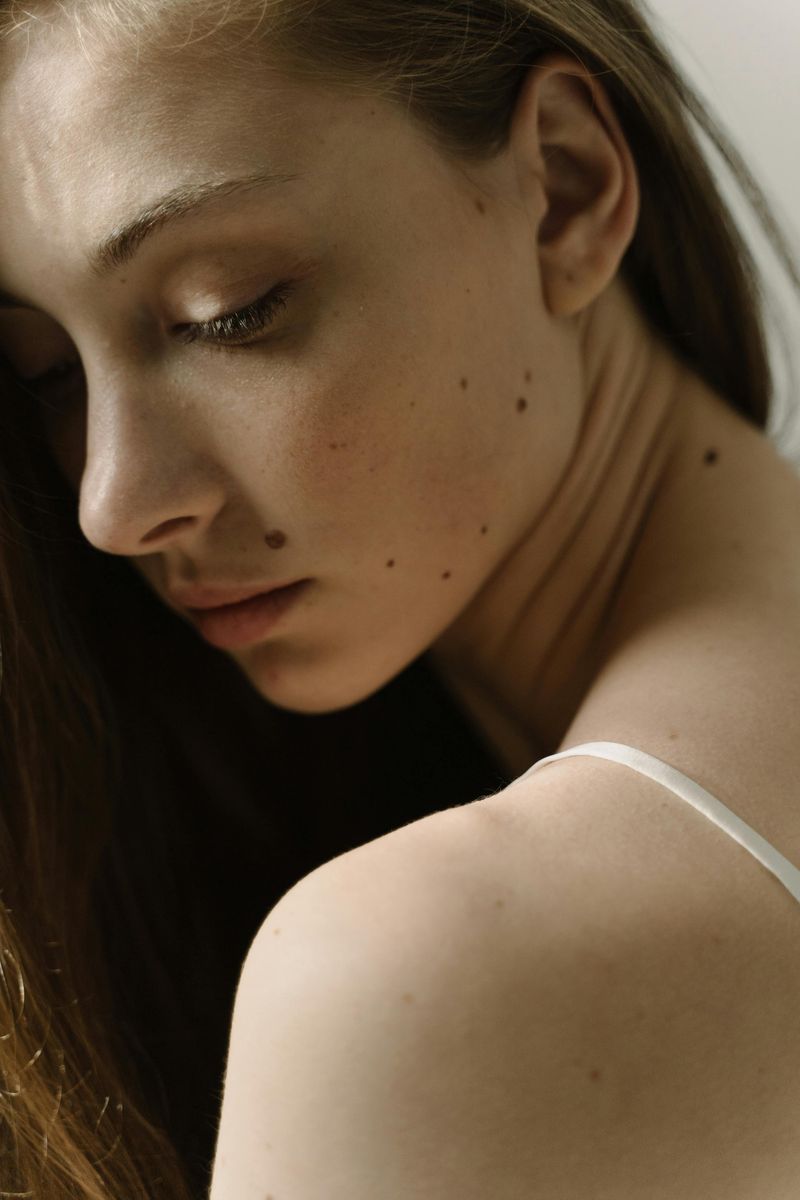
Aristocratic Europe got creative with beauty. During the 17th and 18th centuries, artificial beauty marks called mouches became wildly fashionable. Women stuck small black patches shaped like stars, moons, or hearts onto their faces as deliberate decoration.
Even more surprisingly, visible blue veins showing through pale skin were considered attractive. These veins proved your skin was genuinely pale and thin, not artificially whitened. Men found this delicate transparency appealing and associated it with noble blood and breeding.
The placement of beauty marks supposedly sent coded messages. A patch near the mouth suggested flirtatiousness, while one on the forehead implied dignity. This playful, artificial approach to beauty seems strange now, but it dominated elite European fashion for generations.
10. Natural Looks Over Obvious Makeup

Makeup wasn’t always welcome. During certain religious and morally strict periods, men loudly praised unadorned, natural beauty. They viewed heavy cosmetics as deceptive, vain, and even sinful—signs of questionable character rather than attractiveness.
Writers and preachers warned that paint and powder hid true nature. A naturally beautiful face supposedly reflected inner virtue and honesty. Women who relied on cosmetics were sometimes accused of trickery, trying to appear younger or prettier than they actually were.
This preference appeared repeatedly throughout history, often tied to religious movements or moral reforms. Men claimed to want authenticity and simplicity, though ironically, achieving the perfect natural look often required plenty of subtle effort. The tension between enhancement and honesty has always complicated beauty standards.