 MomSkoop

Marriage is built on trust, respect, and understanding. When these foundations crack, some wounds cut so deep they never fully heal.
While forgiveness is possible, certain actions leave lasting scars that can change a relationship forever. Here are ten behaviors that many husbands find incredibly hard to move past.
1. Infidelity or Emotional Betrayal

Betrayal cuts deeper than almost any other marital wound.
When a wife steps outside the marriage emotionally or physically, it shatters the very foundation of trust that holds the relationship together.
Many husbands describe this pain as unbearable because it attacks their sense of security and self-worth.
Emotional affairs can hurt just as much as physical ones.
Sharing intimate thoughts, secrets, or feelings with someone else creates a bond that should belong exclusively to the marriage.
Even if a couple tries to rebuild, the memory of betrayal often lingers like a shadow.
Forgiveness might come, but forgetting rarely does.
This violation breaks something precious that may never fully mend, leaving permanent doubt in its wake.
2. Persistent Dishonesty or Secrecy

Lies pile up like bricks in a wall that separates husband and wife.
When dishonesty becomes a pattern rather than a mistake, it poisons everything in the relationship.
Husbands need to feel they can rely on their partner’s word without constantly questioning what’s real.
Secret bank accounts, hidden spending, or concealed friendships all chip away at marital trust.
Each discovered lie makes a husband wonder what else remains hidden in the shadows.
The exhaustion of detective work replaces the comfort that marriage should provide.
Even small lies matter because they suggest bigger truths might also be disguised.
Once secrecy becomes normal, openness feels impossible to restore, leaving the marriage hollow.
3. Public Disrespect or Humiliation

Nothing stings quite like being embarrassed by your spouse in front of others.
When a wife mocks, criticizes, or belittles her husband publicly, she damages not just his pride but the partnership itself.
These moments replay in his mind long after everyone else has forgotten them.
Public humiliation sends a message that his feelings don’t matter and that the marriage isn’t a safe space.
Friends and family witnessing these moments makes the shame even harder to shake off.
Respect forms the backbone of any healthy relationship, and losing it in public view feels like a betrayal of the deepest kind.
Apologies afterward rarely erase the sting of those public wounds that cut so visibly.
4. Repeatedly Undermining Him in Front of Family or Friends

Family gatherings should bring joy, not dread.
When a wife constantly contradicts, corrects, or dismisses her husband in front of loved ones, it destroys his confidence and standing.
These repeated put-downs tell everyone present that she doesn’t value his opinions or judgment.
Undermining becomes especially painful when it happens with his own family, making him feel like an outsider in his own life.
Each instance chips away at the united front couples should present to the world.
Friends and relatives begin to see him through her critical lens, which changes how they treat him too.
The pattern creates resentment that builds with every dismissive comment or eye roll shared with others.
5. Disregarding Agreed Financial Boundaries or Responsibilities

Money fights rank among the top reasons marriages crumble.
When a wife ignores budgets, makes major purchases without discussion, or hides spending, it breaks financial trust.
These actions suggest she values her wants over their shared future and security.
Financial betrayal feels personal because money represents hard work, sacrifice, and planning for tomorrow.
Discovering hidden debt or secret shopping sprees creates panic about stability and honesty.
Husbands feel disrespected when agreements about saving or spending get tossed aside without conversation.
The stress of financial chaos affects everything from sleep to intimacy.
Rebuilding trust around money takes years, and some husbands never fully recover from serious financial deception.
6. Consistently Dismissing His Feelings or Concerns

Everyone deserves to be heard, especially by their life partner.
When a wife regularly brushes off her husband’s emotions or minimizes his worries, she sends a crushing message: you don’t matter.
Emotional dismissal makes husbands feel invisible and alone in their own marriage.
Phrases like “you’re overreacting” or “that’s not a big deal” shut down communication and build walls.
Over time, he stops sharing because vulnerability only leads to rejection.
This pattern creates emotional distance that’s hard to bridge later when problems grow worse.
Men need emotional validation just as much as women do, despite old stereotypes suggesting otherwise.
Consistent dismissal leaves permanent damage to intimacy and connection.
7. Breaking Trust Related to Parenting Decisions

Children deserve parents who work as a team, not opponents.
When a wife makes major parenting choices without her husband’s input or deliberately goes against agreed decisions, it undermines his role as a father.
These actions suggest his parenting judgment holds no value in the family.
Disagreeing about discipline, education, or health matters in front of kids teaches them to play parents against each other.
Breaking parenting agreements creates confusion for children and resentment between spouses.
Husbands feel pushed aside when their parenting voice gets silenced or overruled without discussion.
The damage extends beyond the marriage, affecting how children view and respect their father.
Rebuilding parenting partnership requires tremendous effort once that trust breaks.
8. Using Intimacy as Leverage or Punishment

Intimacy should strengthen marriage bonds, not serve as a bargaining chip.
When a wife withholds physical affection to manipulate behavior or punish her husband, she weaponizes something sacred.
This tactic transforms love into a transaction and connection into a power game.
Husbands feel controlled and rejected when intimacy depends on good behavior or winning arguments.
The bedroom becomes a battlefield instead of a sanctuary for vulnerability and closeness.
Using physical connection as punishment creates deep resentment and makes genuine intimacy nearly impossible.
Men need physical affection to feel loved and valued, and denying it strategically inflicts emotional harm.
Once intimacy becomes a weapon, restoring its natural, loving place takes enormous healing.
9. Chronic Lack of Appreciation or Acknowledgment
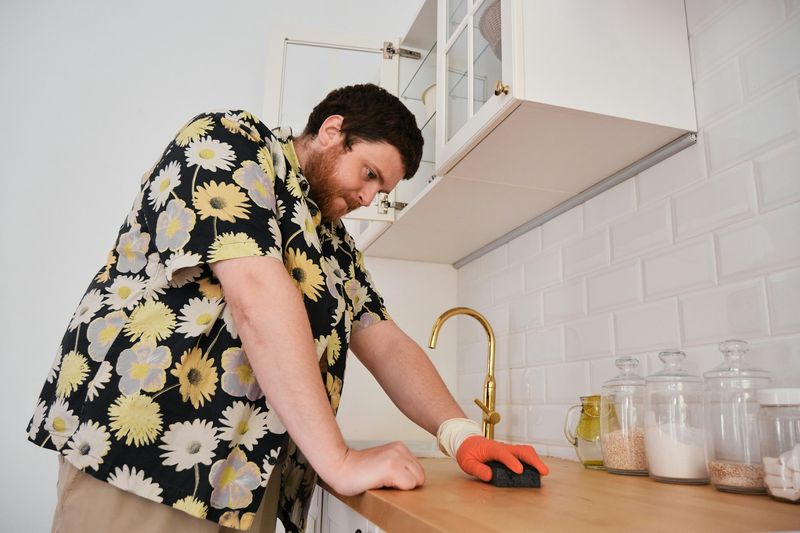
Feeling invisible in your own home slowly kills the spirit.
When a wife never acknowledges her husband’s efforts, contributions, or sacrifices, he begins to feel like a servant rather than a partner.
Everyone needs to know their work matters and their presence makes a difference.
Constant criticism without appreciation creates a toxic environment where nothing feels good enough.
Husbands who work hard, help at home, or show up daily deserve recognition for their efforts.
The absence of simple thank-yous or acknowledgment breeds bitterness over time.
Appreciation costs nothing but means everything to someone pouring their energy into family life.
Chronic neglect of acknowledgment leaves husbands feeling used and emotionally drained.
10. Refusing Accountability or Never Apologizing for Serious Harm

Pride destroys marriages when it prevents genuine apologies.
When a wife refuses to admit mistakes or take responsibility for serious harm, she blocks healing and growth.
Everyone makes mistakes, but refusing to own them shows a lack of respect and maturity.
Husbands need to hear sincere apologies when real damage occurs, not excuses or deflection.
Without accountability, the same hurtful patterns repeat endlessly because nothing gets addressed properly.
A simple “I’m sorry, I was wrong” can begin healing, while stubbornness keeps wounds festering.
Marriage requires two people willing to admit faults and work toward improvement together.
Refusing accountability creates an unequal partnership where one person always plays the victim or the hero.