 MomSkoop

For years, I believed being a good mother meant doing everything perfectly.
I thought I needed to have all the answers, never lose my patience, and create picture-perfect moments every single day.
But chasing perfection left me exhausted, guilty, and disconnected from what really mattered.
Here are ten powerful lessons I discovered when I finally stopped trying to be the perfect mom and started being the real one my kids actually needed.
1. Regulated Beats Flawless Every Time

Your children don’t measure your worth by how perfectly you fold laundry or whether dinner came from a recipe or a drive-through.
What they remember is how you made them feel during tough moments.
When you’re emotionally steady, even on messy days, you create safety.
Kids need to see you handle stress without falling apart, not handle life without stress at all.
Being regulated means pausing before reacting, taking deep breaths when frustration builds, and modeling emotional management.
This teaches them more about navigating life than any flawless performance ever could.
Your calm presence becomes their anchor, and that matters far more than perfection.
2. Repair Teaches More Than Perfection

I used to think messing up meant I was failing as a mom.
Now I understand that how I handle mistakes matters more than avoiding them altogether.
When you snap at your kids unfairly or forget something important, owning it shows incredible strength.
Apologizing sincerely teaches them accountability, humility, and that relationships can survive conflict.
Children who watch their parents repair ruptures learn that mistakes aren’t catastrophic.
They discover that love includes forgiveness and second chances.
This builds their confidence to try new things without fear of being perfect, because they’ve seen you model resilience after stumbling yourself.
3. Rest Isn’t Earned—It’s Essential

Somewhere along the way, mothers got the message that rest is selfish.
We push through exhaustion like it’s a badge of honor, believing we’ll rest when everything is done.
But here’s the truth: motherhood never finishes.
There’s always another load of laundry, another meal to plan, another worry to carry.
Waiting for permission to rest means you never will.
Rest fuels everything you do.
When you’re depleted, patience runs thin, joy feels distant, and even simple tasks become overwhelming.
Treating rest as necessary—not optional—makes you more present, creative, and emotionally available for the long journey ahead.
4. Emotional Availability Over Constant Availability

Being physically present every second doesn’t guarantee connection.
I learned this after spending entire days with my kids while mentally checked out, scrolling through my phone or worrying about tomorrow’s to-do list.
What children crave isn’t your endless presence—it’s your focused attention during key moments.
Ten minutes of genuine engagement beats hours of distracted hovering.
When you set boundaries around your time and energy, you protect your capacity for real connection.
Saying “I need twenty minutes alone, then we’ll play together” teaches them that relationships thrive on quality, not quantity.
Your undivided attention during smaller windows creates deeper bonds than constant, scattered availability ever could.
5. Modeling Boundaries Benefits Everyone
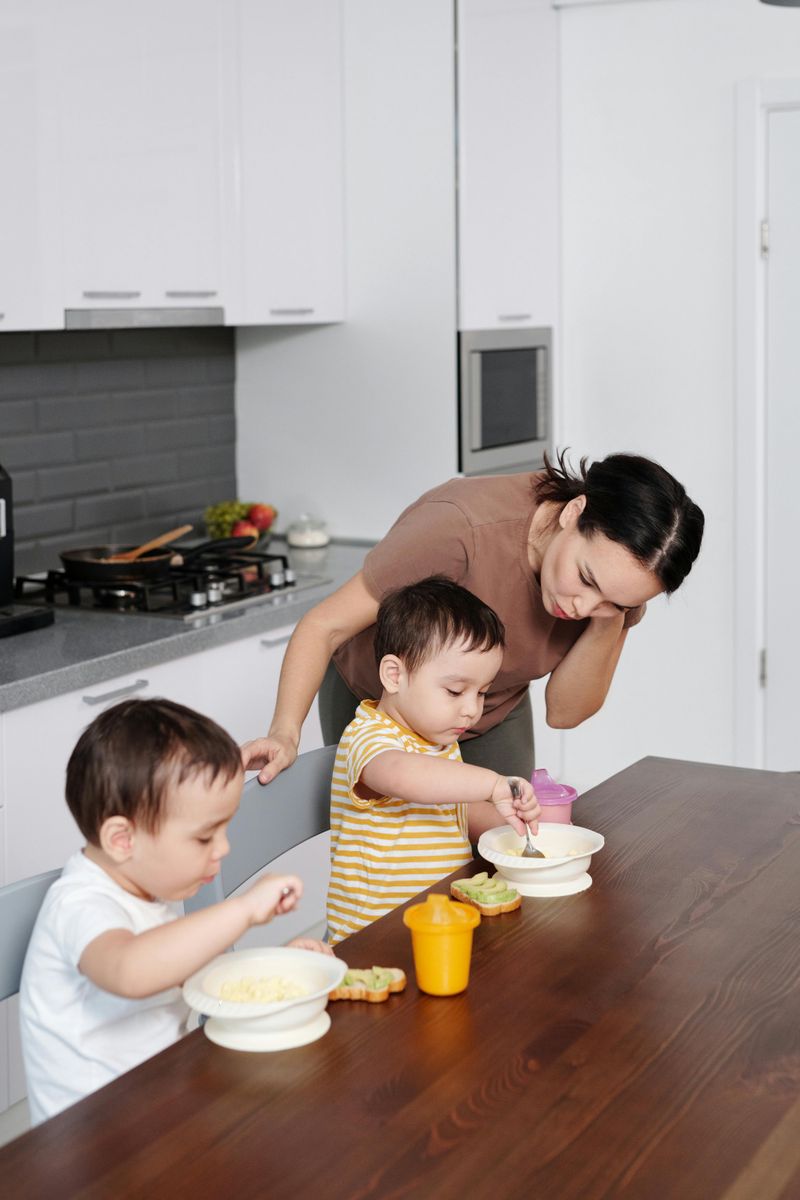
For years, I said yes to everything, thinking self-sacrifice proved my love.
I stayed up too late, skipped meals, and ignored my own needs completely.
My kids watched me disappear.
Then I started saying no. Not to them, but to unrealistic expectations and demands that drained me dry.
I protected my sleep, my friendships, and my personal time.
Something amazing happened: my children learned that people deserve respect, including themselves.
They saw that healthy relationships include limits, not endless giving until you break.
Now they’re learning to advocate for their own needs without guilt, because they watched me do it first.
6. Values Trump Guilt as Decision-Makers

Guilt whispers constantly in a mother’s ear.
You’re not doing enough.
You’re doing too much.
You’re failing them.
I used to let guilt steer every choice, and it left me spinning in circles.
Values, though?
They’re steady.
When I started filtering decisions through what truly mattered—connection, honesty, resilience, joy—clarity emerged.
Guilt says you should attend every single event.
Values ask which ones align with family priorities and your capacity.
Guilt demands perfection.
Values embrace good enough.
When you let your core beliefs guide you instead of shame, decisions become simpler and confidence grows.
Your kids benefit from a mom who knows what she stands for.
7. Outsourcing Protects Your Bond

I thought asking for help meant admitting defeat.
Hiring a babysitter, using screen time, or ordering takeout felt like cheating.
I believed I should handle everything alone to prove my dedication.
But martyrdom doesn’t strengthen relationships—it strains them.
When you’re drowning in responsibilities, resentment builds and patience vanishes.
Accepting support, whether from people, technology, or systems, preserves your energy for what matters most.
A rested mom who ordered pizza can laugh and play.
An exhausted mom who cooked from scratch might snap over spilled milk.
Your bond with your kids strengthens when you protect your capacity to enjoy them, and outsourcing helps you do exactly that.
8. Your Mental Health Shapes Everything

No routine, chore chart, or discipline strategy matters more than your mental wellbeing.
I spent years perfecting schedules while ignoring my anxiety and depression, wondering why nothing felt right.
Your emotional state sets the tone for your entire household.
When you’re struggling internally, even perfect systems crumble because you don’t have the bandwidth to maintain them.
Prioritizing therapy, medication, exercise, or whatever supports your mental health isn’t selfish—it’s foundational.
Kids absorb your emotional climate more than your rules.
A mentally healthy mom with a messy house creates more security than a struggling mom with spotless floors.
Taking care of your mind takes care of your family.
9. Discomfort Builds Their Resilience

My instinct was always to swoop in and fix everything.
Forgotten homework?
I’d drive it to school.
Friendship conflict?
I’d intervene immediately.
I thought protecting them from discomfort showed love.
But constantly rescuing them sent a dangerous message: you can’t handle hard things.
Struggle isn’t just inevitable—it’s valuable.
When I stepped back and let them sit with boredom, navigate disagreements, or face natural consequences, something shifted.
They discovered their own capability.
Resilience isn’t something you hand your children through lectures; it’s built through experience.
Allowing appropriate discomfort gives them the gift of knowing they can survive challenges, and that confidence becomes their superpower.
10. Authenticity Unlocks Joy
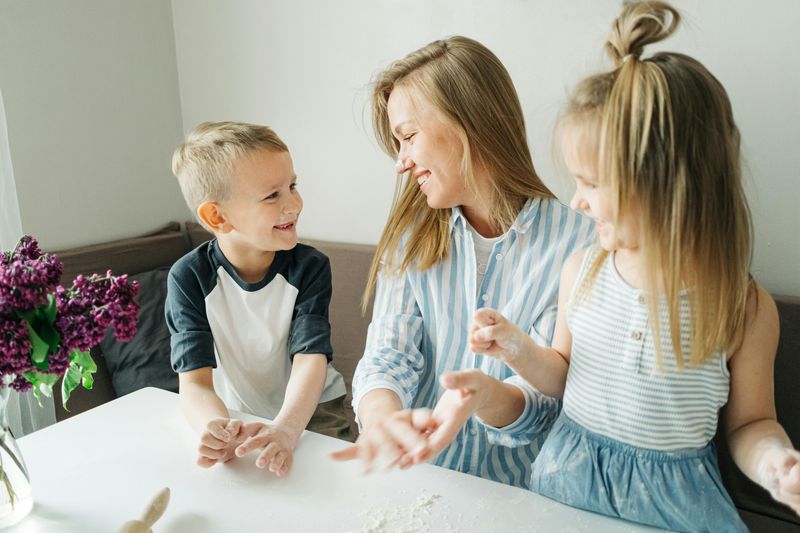
Performing motherhood for imaginary judges exhausted me completely.
I staged perfect moments for photos, forced activities I didn’t enjoy, and smiled through gritted teeth.
My kids sensed the fakeness.
When I stopped performing and started being real, everything lightened.
I admitted when things were hard.
I laughed at absurd moments instead of trying to control them.
Authenticity meant dancing in the kitchen instead of stressing over gourmet meals.
It meant saying “I don’t know” instead of pretending to have all answers.
My children relaxed too, because they finally had permission to be imperfect alongside me.
The joy I’d been chasing through perfection appeared the moment I stopped trying so hard and just showed up as myself.