 MomSkoop

Sometimes a compliment isn’t really a compliment at all. Certain phrases that sound sweet on the surface can actually carry hidden messages about how a woman’s body is being judged or evaluated.
Curvy women hear these lines all the time, often from men who genuinely think they’re being kind. Learning to recognize these sneaky backhanded remarks is the first step toward expecting real respect.
1. You’re Actually Really Confident
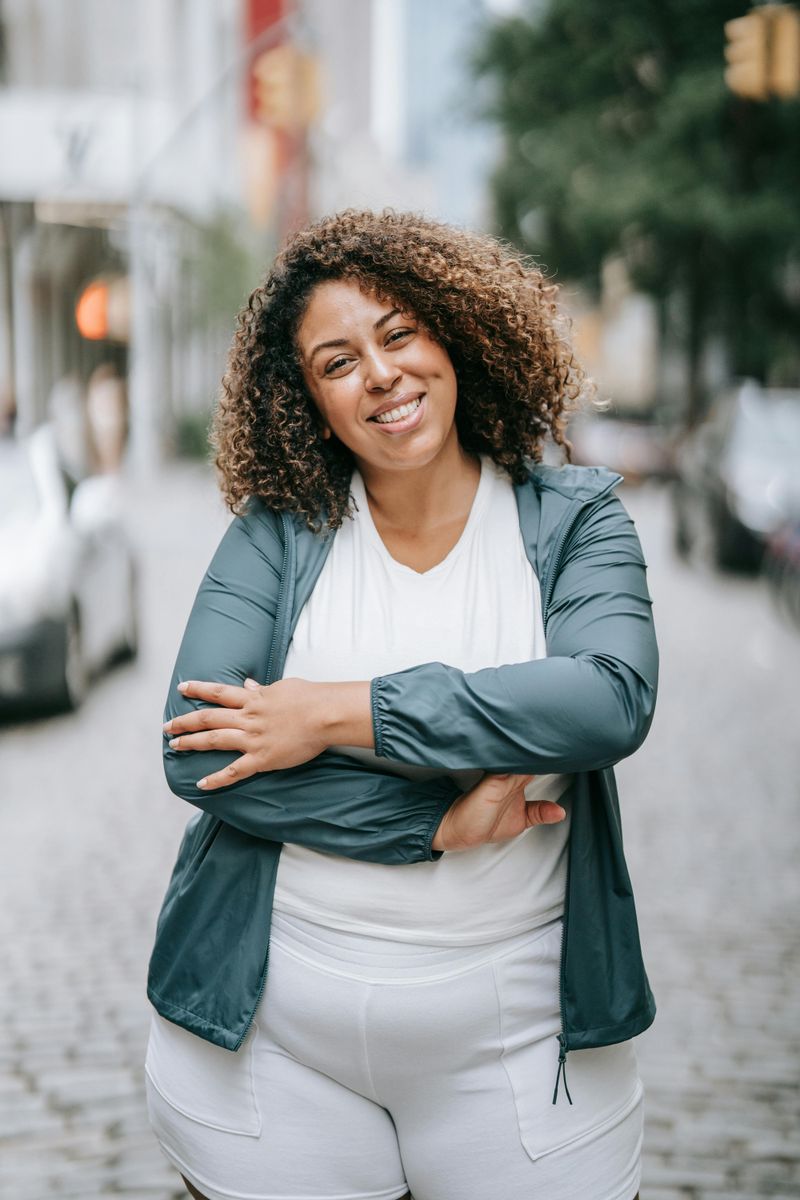
Slipping the word “actually” into a compliment changes everything.
When someone says you’re “actually” confident, they’re quietly admitting they didn’t expect it.
That tiny word reveals a whole hidden assumption — that curvy women are supposed to be shy, insecure, or apologetic about how they look.
Confidence isn’t a surprise bonus that comes with certain body types.
Every woman deserves to feel bold and self-assured without it being treated like some kind of shocking achievement.
Real confidence shouldn’t raise anyone’s eyebrows.
Next time you hear this, know that your confidence was never theirs to be amazed by.
You weren’t waiting for their approval, and you don’t need it now either.
2. You Carry Your Weight Well
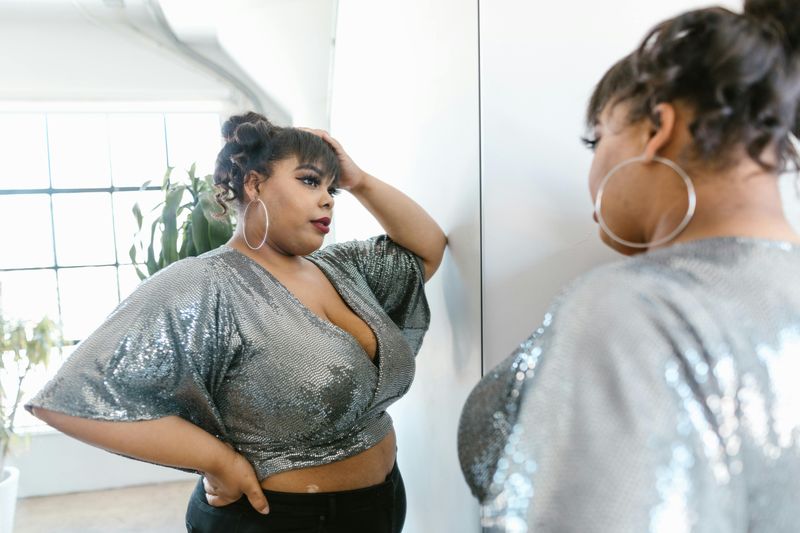
Imagine someone studying a painting and saying, “The colors work, given the flaws.” That’s essentially what this phrase does.
Telling a woman she “carries her weight well” frames her body as a problem she’s managing gracefully — not as something naturally beautiful.
The comment sounds like praise, but it’s wrapped around an evaluation.
Her body is being graded, scored, and approved.
Nobody asked for that review, and nobody needs it.
A genuine compliment focuses on a person, not on how well they’re handling their own appearance.
Saying someone looks great is simple and respectful.
Adding a physical qualifier turns appreciation into assessment, and that shift matters more than most people realize.
3. I Usually Don’t Go for Curvy Girls, But…
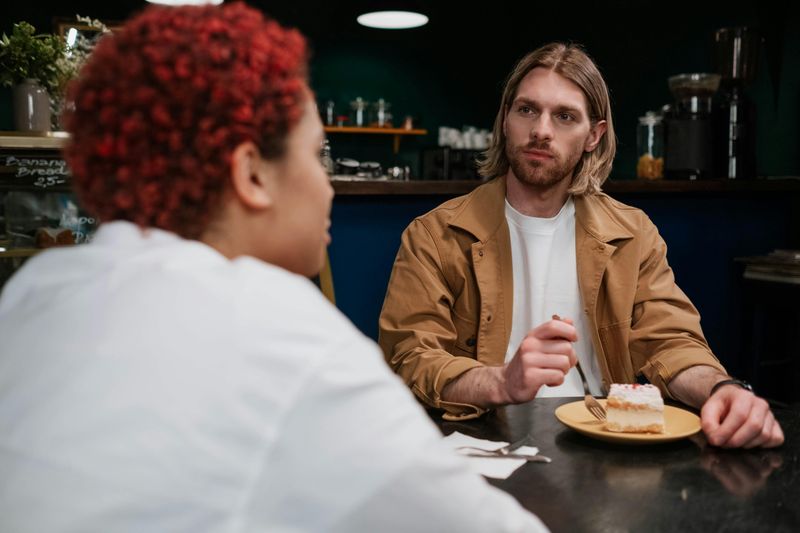
Few phrases are more self-congratulatory than this one.
The person saying it thinks they’re offering a rare and special compliment, but what they’re really doing is announcing their own preferences as if they matter most.
You’re being positioned as the lucky exception to their usual standards.
Being someone’s “exception” isn’t flattering — it’s limiting.
It means your attractiveness is being measured against a personal preference list you never agreed to be on.
That’s not a compliment; that’s a ranking system with you barely making the cut.
Attraction doesn’t need a disclaimer.
When someone genuinely finds you attractive, they don’t preface it with their dating history.
The “but” at the end of that sentence says more than the rest of it ever could.
4. You’ve Got a Real Woman’s Body
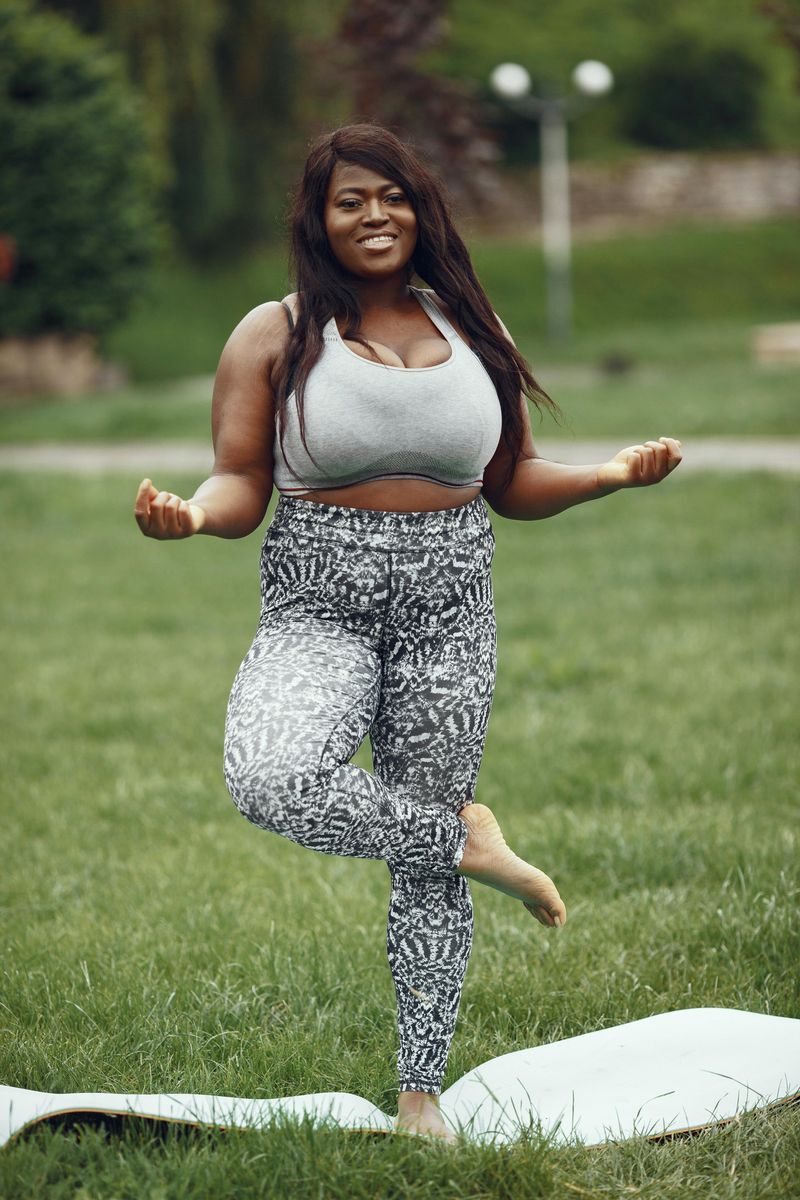
On the surface, this sounds like a celebration of curves.
But hidden underneath is a comparison that quietly erases other women.
Calling one body type “real” implies that thinner women are somehow less genuine, less womanly, or less worthy of that label.
No body type gets to claim the title of “real.” Thin women are real.
Athletic women are real.
Every woman, in every shape, is entirely real and entirely valid.
Pitting body types against each other doesn’t lift anyone up — it just shifts who gets put down.
True body appreciation doesn’t need to borrow from someone else’s worth.
Compliments that celebrate one person by diminishing another aren’t compliments at all.
They’re just comparisons wearing a friendly disguise.
5. You’re Not Fat, You’re Thick

Rebranding a word doesn’t erase the judgment behind it.
Swapping “fat” for “thick” might feel like an upgrade, but the underlying act — categorizing and labeling a woman’s body — stays exactly the same.
The person saying this still decided it was their job to classify her figure.
Words like “thick” have become trendy, almost like a badge of approval.
But approval from a stranger about your body shape was never something you needed in the first place.
Whether the label sounds positive or negative, the labeling itself is the problem.
Bodies aren’t categories to sort people into.
A woman’s worth has nothing to do with which box she fits in, and no compliment that starts with a body audit is actually a compliment.
6. You Look Good for Your Size
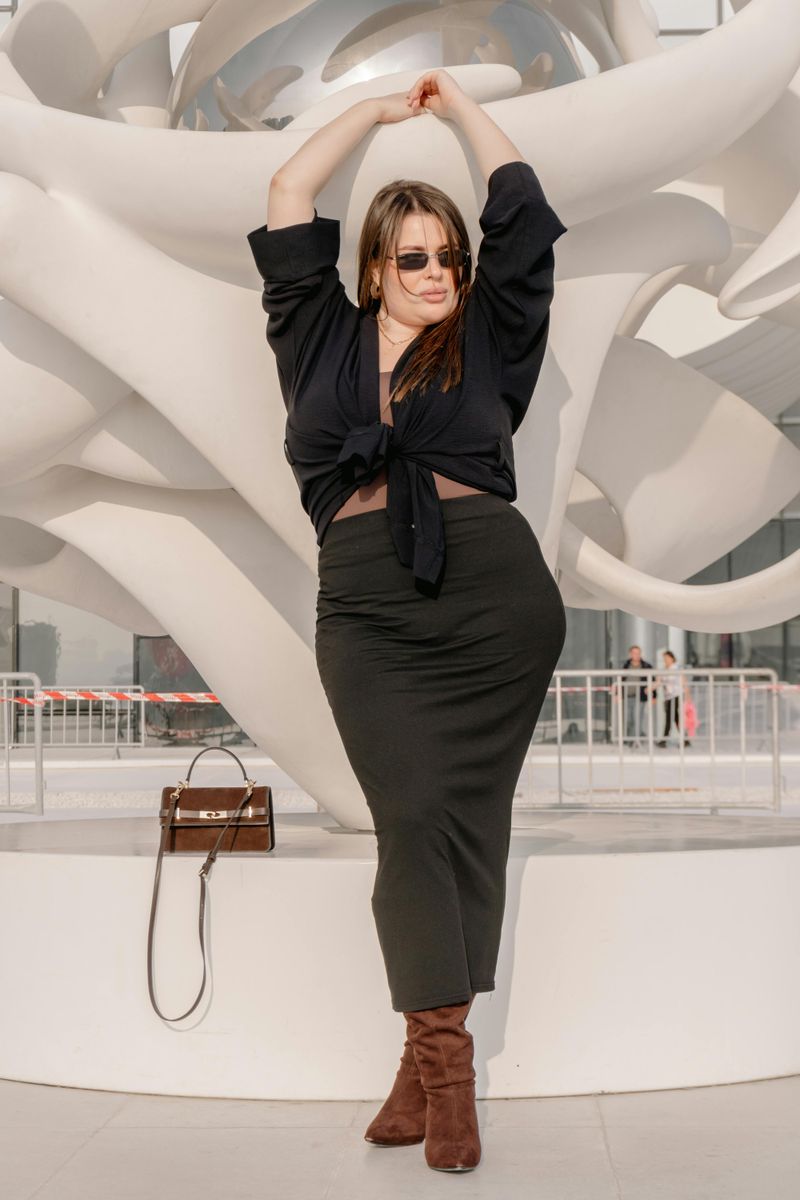
Three little words — “for your size” — completely unravel what came before them.
Without that qualifier, the sentence is a genuine compliment.
With it, the compliment becomes conditional, like a grade with an asterisk.
You look good… but only within a limited category.
This phrase suggests that looking good is harder or more surprising at certain sizes, which is a pretty bold assumption to make out loud.
Style, beauty, and attractiveness don’t shrink or expand based on clothing size.
They just exist.
Compliments shouldn’t come with fine print.
When someone adds a size-based condition to their praise, they reveal that they were measuring you against a standard rather than simply seeing you.
And nobody should have to earn a compliment by overcoming their own body.
7. More to Love

This phrase has been around forever, and it always sounds cheerful — almost like a slogan.
But reducing a person to “more” of something physical turns them into an object being measured by volume rather than a full human being with a personality, passions, and a story.
Love isn’t about quantity.
Nobody falls for someone because there’s “more” of them to grab or hold.
People connect over laughter, kindness, shared experiences, and genuine chemistry.
Boiling attraction down to body mass is both shallow and a little strange.
Curvy women deserve compliments that see all of who they are.
Being described primarily in terms of body size — even warmly — still keeps the focus on the physical rather than the person.
That gets old fast.
8. I Like Something I Can Grab

This one crosses a clear line.
What starts as a supposed compliment quickly becomes a statement about physical access — treating a woman’s body as something to be handled rather than someone to be respected.
It shifts the entire conversation from attraction to objectification.
Nobody wants to be described as a texture or a grip.
Women aren’t objects designed for someone else’s physical comfort.
Framing a body as something “grabbable” removes the person from the equation entirely and replaces her with a surface.
Genuine attraction respects boundaries and personhood.
A man who finds a woman attractive can express that without turning her into a tactile experience.
The moment a compliment focuses on what someone can do with your body, it stops being a compliment entirely.
9. You Don’t Look Like You Weigh That Much
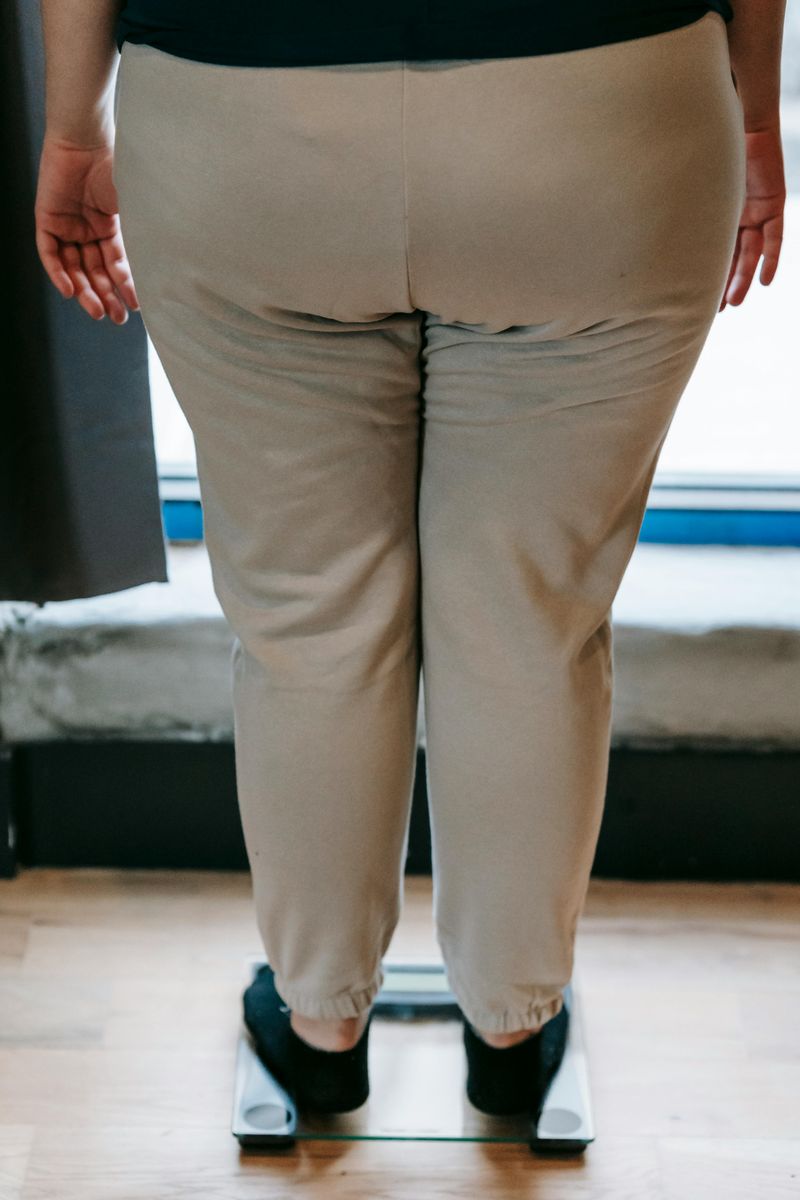
Weight is deeply personal.
It’s a number that carries enormous emotional baggage for many women, tied to years of dieting culture, doctor’s appointments, and social pressure.
Bringing it up — even to say someone looks lighter than expected — drags all of that into a casual conversation uninvited.
The compliment assumes that weighing less is always better, and that looking like you weigh less is a desirable achievement.
Both assumptions are worth questioning.
A person’s value has never been tied to a number on a scale, no matter how often society pretends otherwise.
Telling someone they don’t “look” like their weight is still making their weight the main topic.
Real appreciation doesn’t require a scale.
It just requires seeing a person for who they actually are.
10. You’re So Brave to Wear That

Bravery is for firefighters and first responders — not for wearing a swimsuit.
When someone calls a curvy woman “brave” for her outfit choice, they’re quietly suggesting that her body is something bold or risky to show off.
That idea is worth pushing back on hard.
Every person has the right to wear what they love without it being treated as an act of courage.
Clothing choices aren’t statements of defiance when you’re in a smaller body, so they shouldn’t be framed that way for larger ones either.
The double standard is glaring once you notice it.
Fashion is self-expression, full stop.
Calling it brave implies that a curvy woman’s body needs to be hidden by default — and that assumption is exactly the kind of thinking that needs to change.